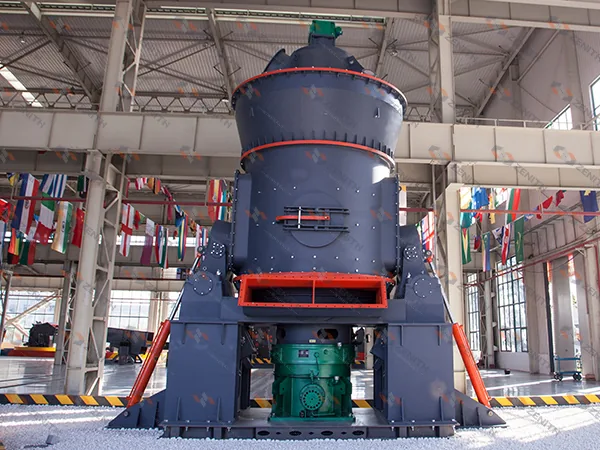
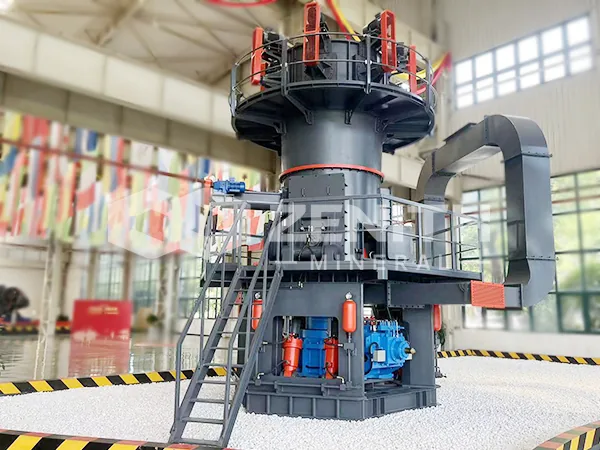
Australia cement limestone grinding machine lm110 vertical mill 35t/h
2026-08-20 02:25:41
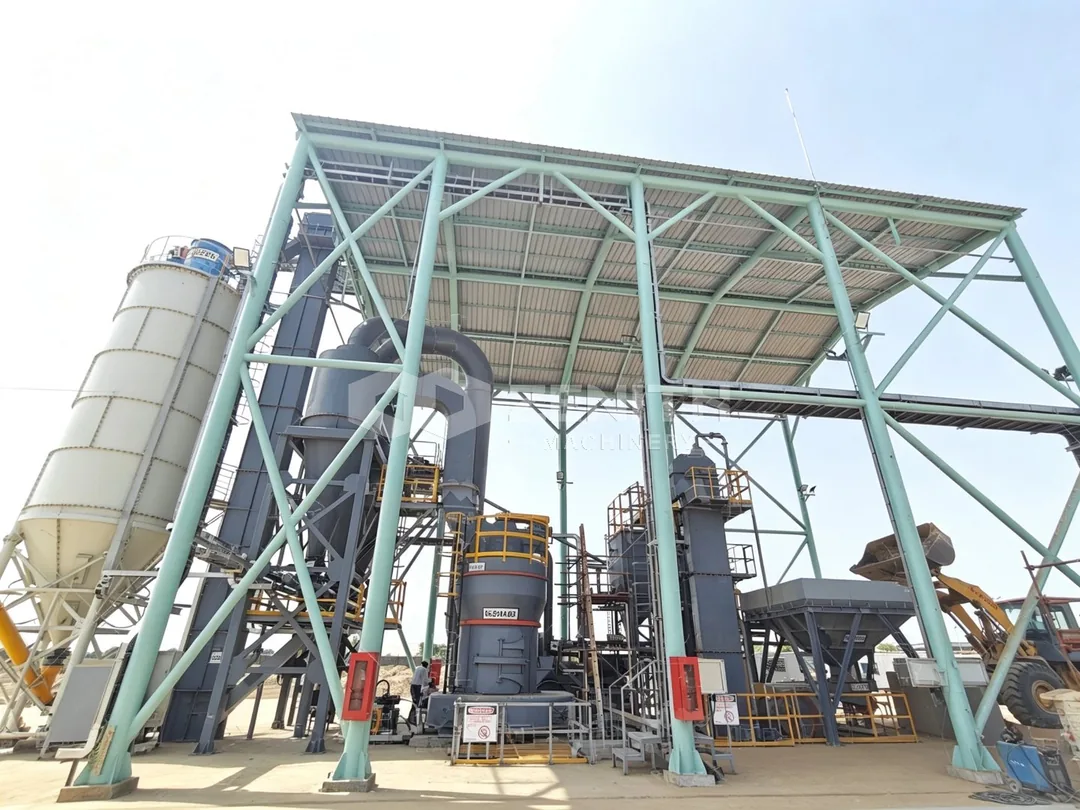
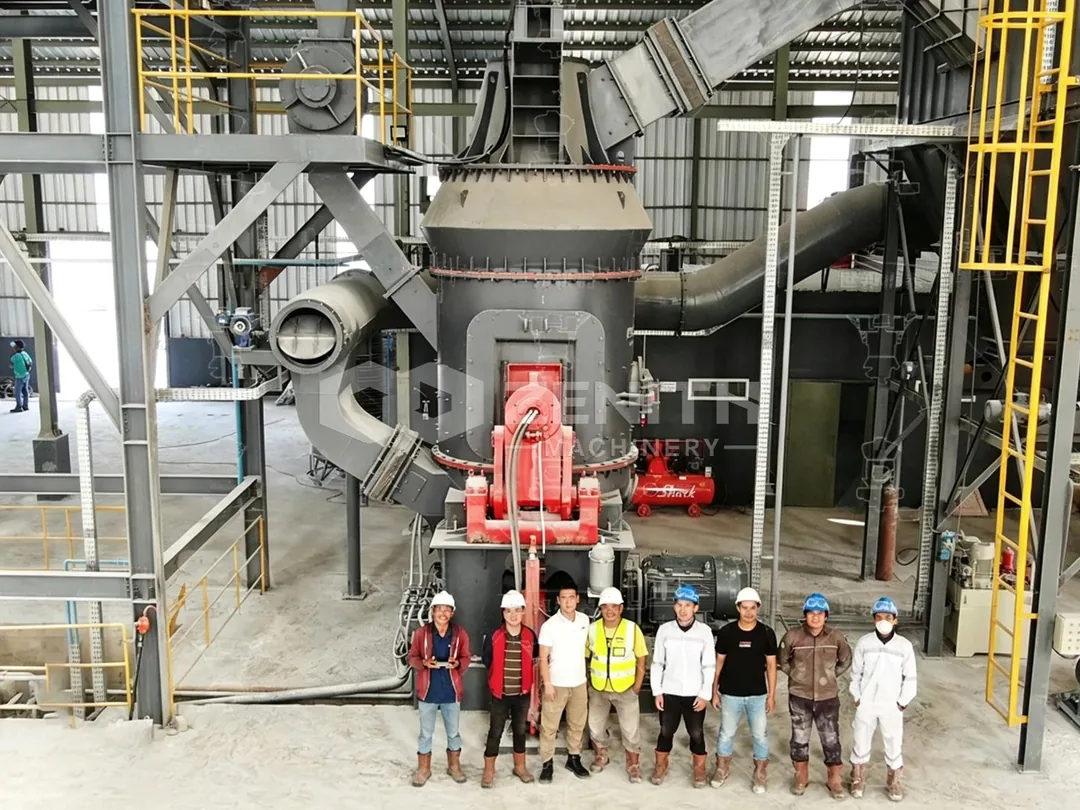
Australian cement producers know that limestone grinding can make or break an operation. The raw feed must be turned into a stable, finely ground powder at a predictable rate, without excessive wear or energy cost. For a plant that needs around 35 t/h of ground limestone, the ZENITH LM110 vertical grinding mill has become a trusted choice. It combines the proven reliability of the LM series with the specific requirements of cement-grade limestone, delivering consistent product quality in a compact, automated system.
_1787163941065.jpg)
From a process engineer's perspective, the real value is not just the capacity. It is the ability to hold product quality over long shifts. Limestone is not the hardest mineral in the cement raw mix, but it can be abrasive, and variations in feed size and moisture can upset less flexible grinding circuits. The LM110 handles these variations by using a dynamic material bed and roller-on-disc grinding, which is tolerant of feed changes.
Why vertical roller mill technology fits Australian cement plants
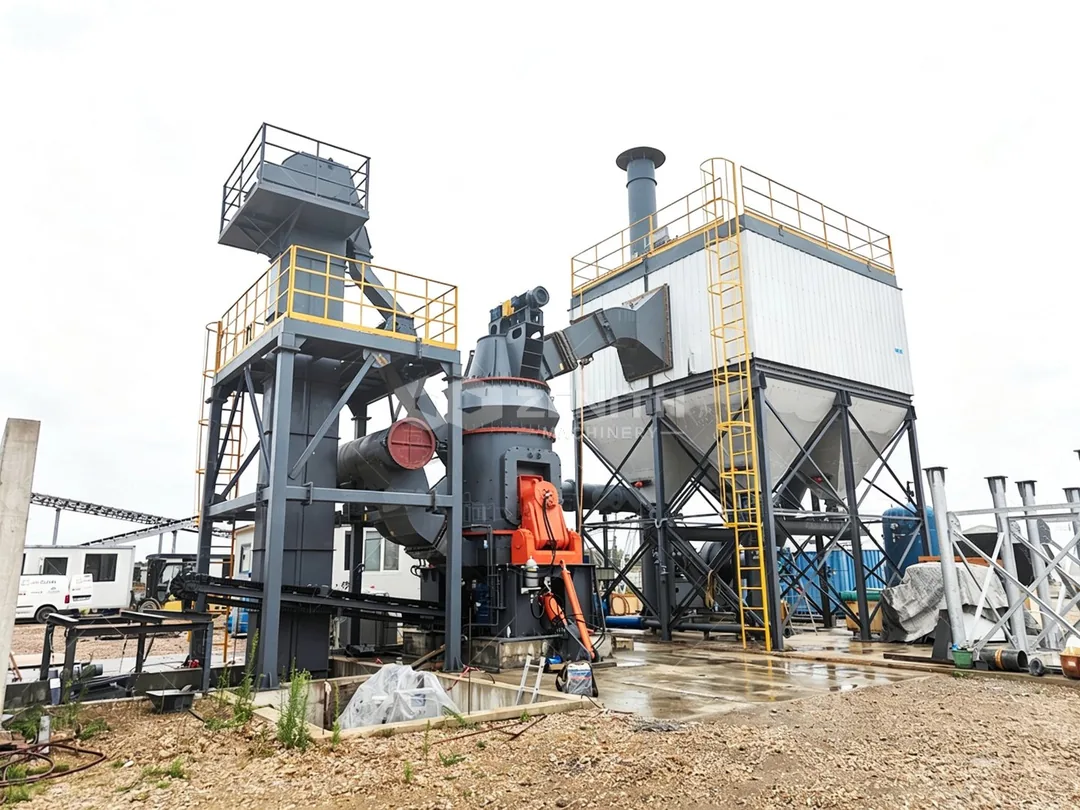
Vertical roller mills have replaced ball mills in many Australian cement operations because they occupy less space, use less energy, and can grind and dry in one unit. The LM110 is a good example. Its integrated design covers about 50 percent of the floor area of a ball mill system, and it can be arranged outdoors, reducing civil engineering costs. For a cement producer with limited footprint, this is a practical advantage. The mill also has its own conveying and classification loop, so the plant does not need a complicated auxiliary system.
Australia's construction and infrastructure sectors continue to push demand for high-quality cement products. This makes reliable domestic grinding capacity a strategic asset. The LM110 was designed for exactly this type of application: medium-to-high capacity mineral powder production with remote monitoring and easy integration into existing plants.
LM110 at a glance
_1787163941068.jpg)
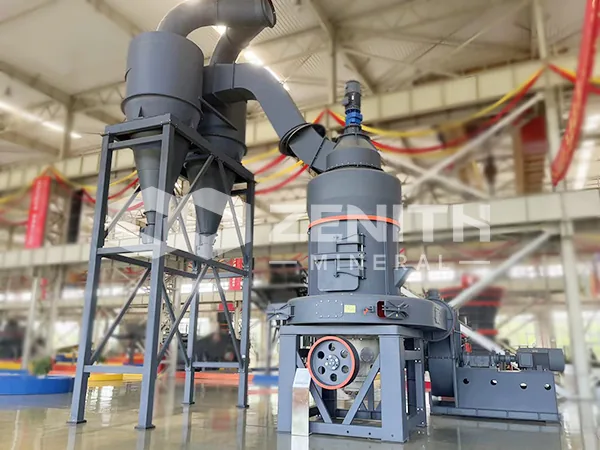
ZENITH's LM series vertical roller mills are designed for 24-hour continuous running, and the LM110 model fits a capacity range that is particularly attractive for cement plants: 35 t/h of limestone powder. The machine accepts feed sizes up to 70 mm and produces finished powder between 80 and 400 mesh. This range covers the fineness levels commonly specified for cement additives, concrete fillers, and limestone-based desulfurization processes.
Key benefits for cement-grade limestone grinding
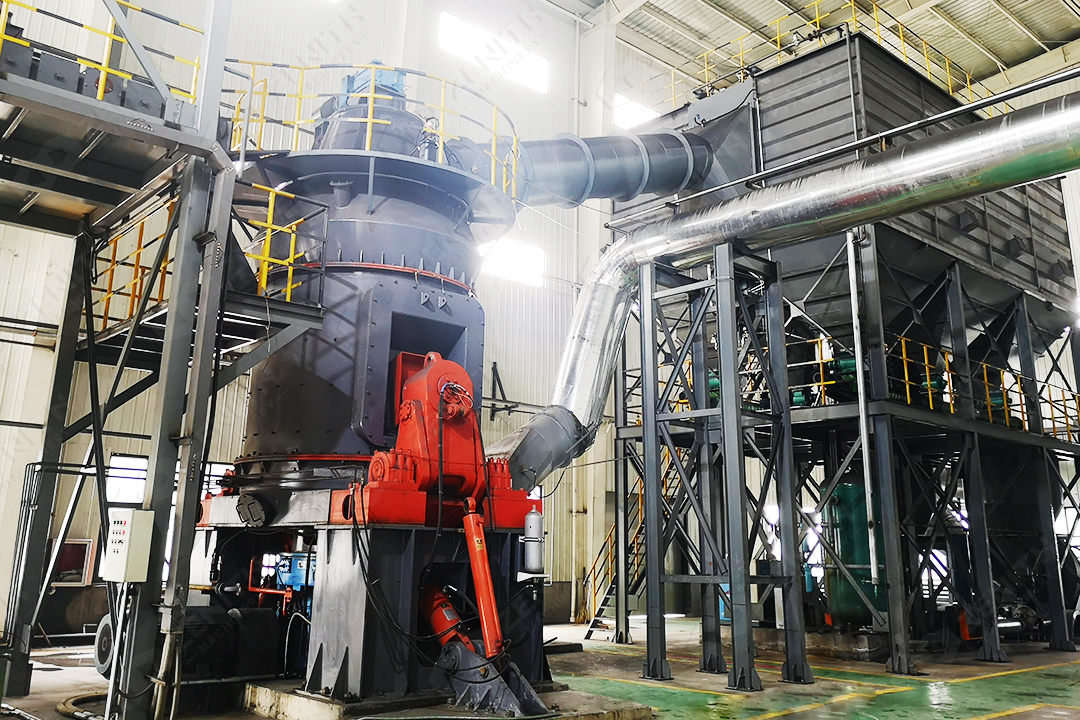
High purity of material. The LM110 effectively controls product size, chemical composition, and iron content. This matters for limestone powder because iron contamination can affect the color and quality of cement. The mill prevents over-grinding and allows operators to maintain high whiteness and purity.
Less comprehensive investment. Because the LM110 is a complete grinding system from feed to finished powder, there is no need for separate conveying and classification loops. The mill can be installed outdoors, and its foundation requirements are much simpler than those of a ball mill system. This saves both capital cost and construction time.
High degree of automation. An automatic control system allows remote and local operation. In a modern Australian cement plant, this means one operator can supervise several production lines from a central control room. The control system also makes start-up, shutdown, and process adjustment safer and more repeatable.
Environmentally friendly operation. The LM110 is sealed and operates under negative pressure, so dust spillage is minimal. Vibration and noise are low compared with impact mills, and the pulse dust collector ensures the whole system meets strict environmental standards. For cement plants located near sensitive communities, these features are becoming essential.
Working principle: from feed to consistent powder
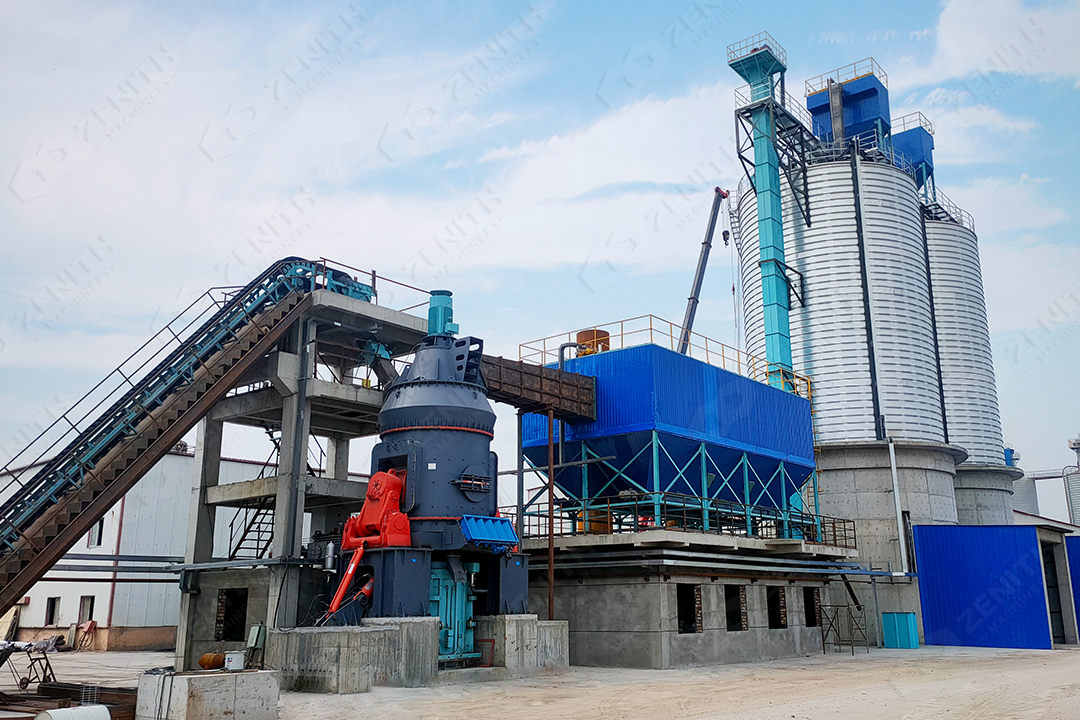
Understanding the working principle helps operators get the best from the mill. The main motor drives the grinding disc through a reducer. Hot air enters the chamber, and when material falls onto the center of the disc, centrifugal force pushes it toward the edge. The rollers crush the material, creating a bed where large particles break and finer particles are further ground by inter-particle crushing. The ground material moves to the edge of the disc, where the airflow carries it upward to the separator. Coarse particles fall back for another pass. The fine powder is collected in the dust collector, while iron debris drops into the lower cavity and is removed by scrapers.
With limestone, this design means the mill can dry and grind simultaneously if the feed has residual moisture. It also means the machine does not depend on a single collision event; the repeated grinding action creates a more stable product size distribution.
Engineered for long runs and simple maintenance
Another reason the LM110 suits Australia is its emphasis on maintenance-friendly design. The automatic lubrication and hydraulic systems reduce daily maintenance. The roller sleeves and liner plates are arranged so that inspection is straightforward. Because the machine is built for continuous operation, the risk of unscheduled downtime is lower, which is important for a cement plant producing under a fixed contract.
ZENITH is a high-tech engineering group specializing in industrial powder grinding equipment. The company's products carry ISO international quality certification, European Union CE certification, and Customs Union CU-TR certification. With a market network covering more than 180 countries and regions and overseas offices in more than 30 countries, ZENITH provides traceable quality and responsive support. For an Australian cement producer, the LM110 is not just a piece of hardware; it is backed by a global organization that understands the needs of the grinding industry.
FAQ
1. What is the output capacity of the ZENITH LM110 vertical mill for limestone?
The LM110 can reliably produce around 35 t/h of limestone powder, depending on feed size, hardness, and moisture. The LM series overall covers capacities from 3 t/h to 340 t/h, so the LM110 is tuned for medium-to-high production in cement plants.
2. What fineness ranges can be achieved with the LM110?
The LM110 produces powder in the 80-400 mesh range. This is suitable for many limestone applications in cement production, including additives, fillers, and desulfurization. The internal classifier can be adjusted to meet a specific target particle size.
3. Can the LM110 handle limestone with high moisture?
Yes. The LM series uses hot air in the grinding chamber to dry materials while grinding. This makes the LM110 a practical solution for limestone feeds with moderate residual moisture. The exact drying capacity depends on the hot gas temperature and flow rate.
4. How much floor space does the LM110 need compared to a ball mill?
The LM110 has an integrated compact design. It can be arranged in the open air and uses roughly half the floor area of a comparable ball mill system. Foundation and civil works are also less demanding.
5. Does the LM110 require many operators?
No. The LM110 is highly automated and can switch between remote control and local control. In many plants, one control-room operator can manage the mill and its auxiliary equipment. Labor costs are reduced because of this automation.
6. Is ZENITH equipment reliable and supported internationally?
ZENITH is a high-tech engineering group with sales and support channels in over 180 countries and offices in more than 30 countries. Its grinding equipment carries ISO, CE, and CU-TR certifications. For Australian buyers, this means internationally recognized quality and responsive global support.
7. What are the environmental features of the LM110?
The mill is sealed and runs under negative pressure, so dust does not spill out. It also has low vibration and noise. A pulse dust collector cleans the exhaust air, helping the plant meet strict environmental limits.