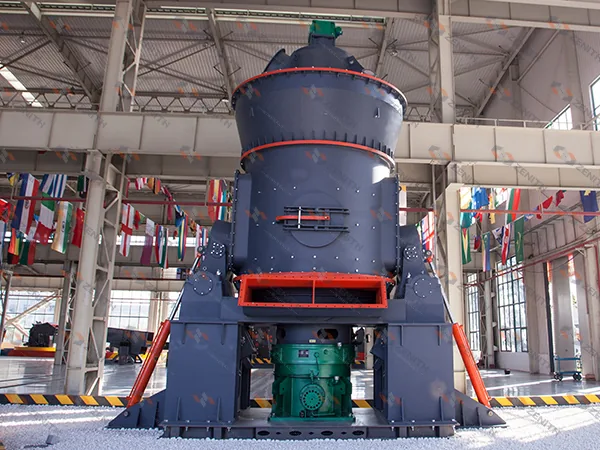
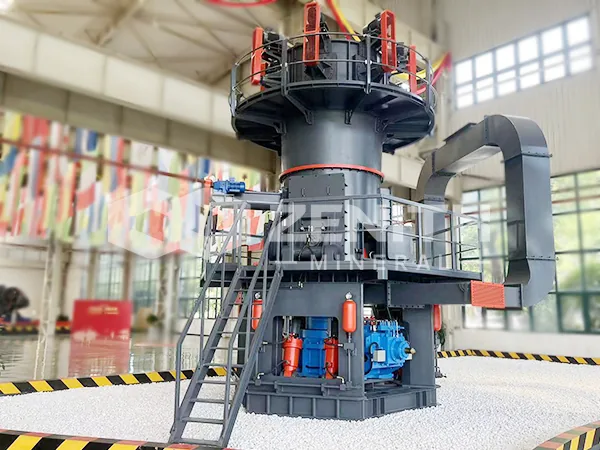
Zenith raymond 5r limestone mill australia 8t/h 325mesh powder production
2026-08-19 02:29:03
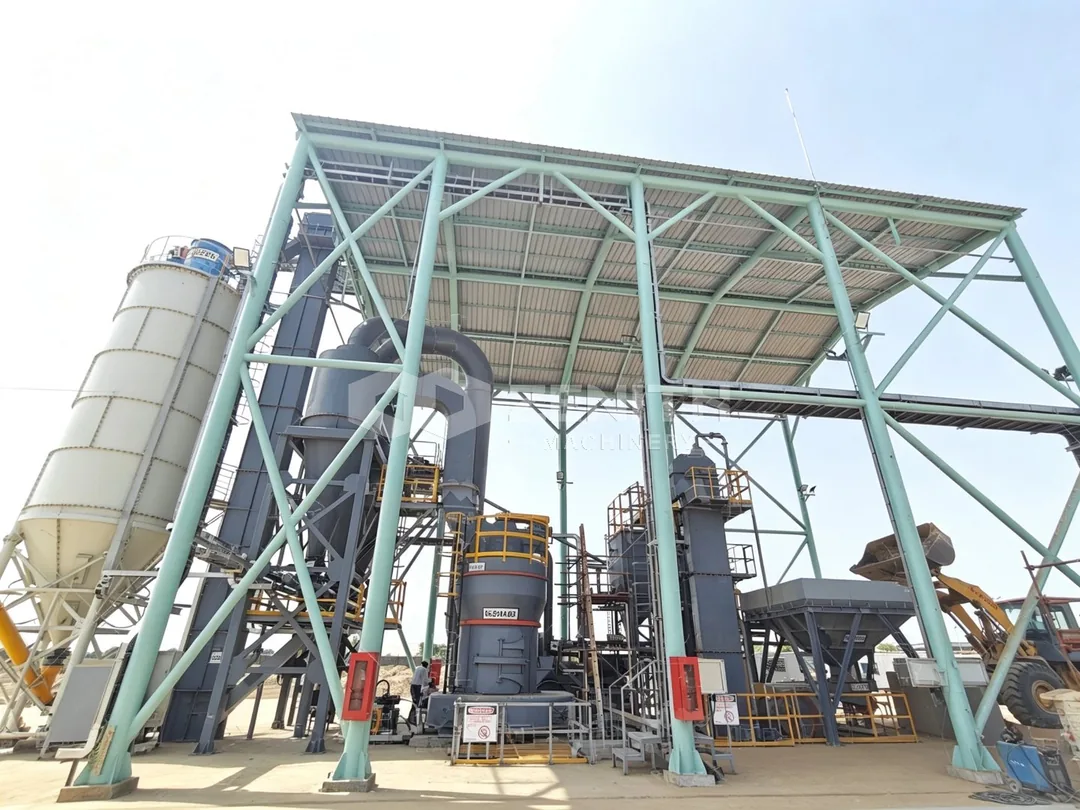
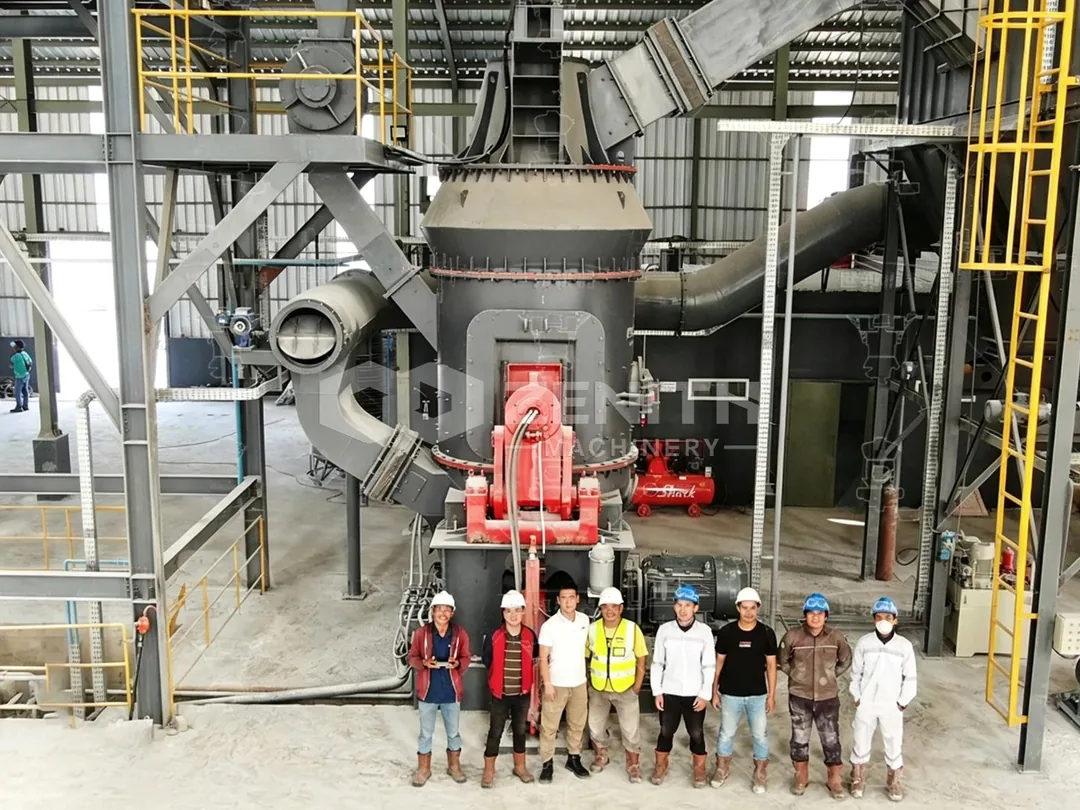
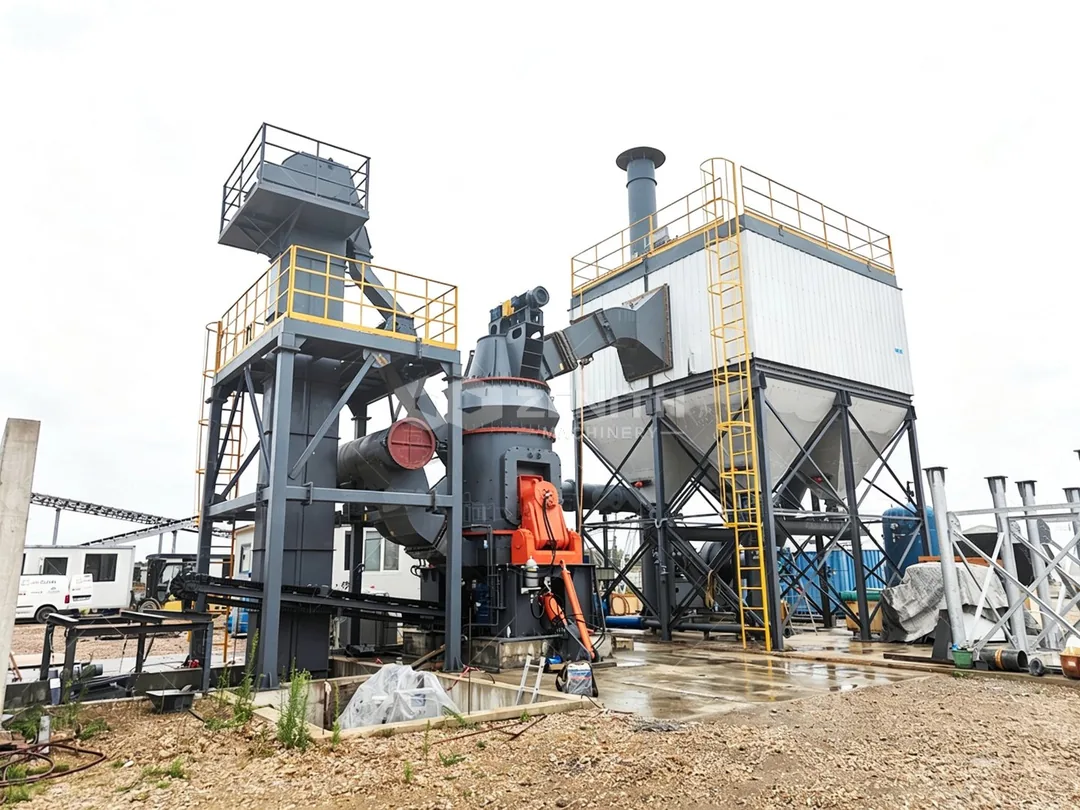
Australia is endowed with abundant limestone deposits, especially in the eastern and southern states. These deposits are vital to industries ranging from agriculture, where lime is used to condition acidic soils, to construction, where limestone powder serves as a key ingredient in cement and plaster. The growing demand for fine limestone powder, typically 325 mesh, has led many plant operators to invest in advanced grinding equipment that can deliver high output with consistent quality. One system that has proven exceptionally effective in this context is the Zenith Raymond 5R mill, which is currently producing 8 tons per hour of 325-mesh limestone powder at an Australian processing plant.
Shanghai Zenith Machinery Co., Ltd. is a hi-tech engineering group specialized in the research, development, and production of industrial powder grinding equipment. We focus on the evolving needs of customers in different fields, with product processing ranges covering 1-3 mm coarse powder, 20-400 mesh fine powder, 400-1250 mesh ultrafine powder, and 1250-3250 mesh micro powder. Our machines have earned ISO international quality system certification, European Union CE certification, and Customs Union CU-TR certification. Today, Zenith's marketing network spans more than 180 countries and regions across Asia, Africa, Europe, America, and Oceania, with overseas offices in over 30 countries. This global footprint guarantees that Australian customers receive local technical support, prompt spare parts delivery, and decades of engineering expertise.
Project Specifics: 8 t/h, 325 Mesh
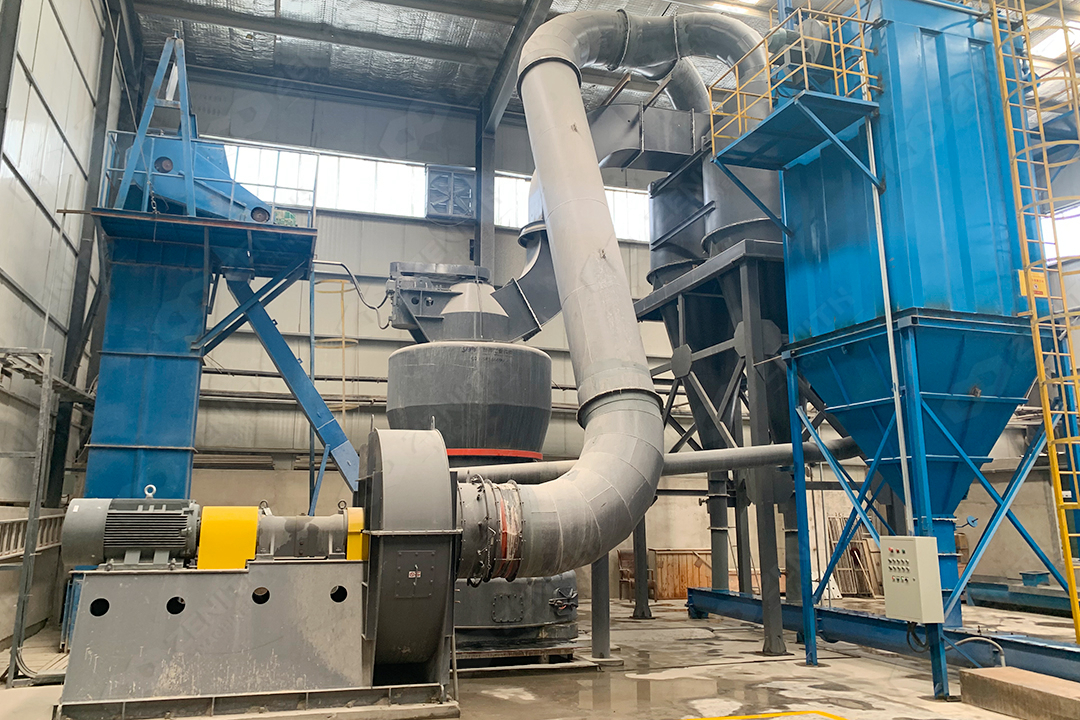
The Australian project centers on a limestone grinding line designed for a capacity of 8 tons per hour and a product fineness of 325 mesh (45 microns). The feed material, with a top size of 35 mm, enters the Zenith 5R Raymond mill through a variable frequency belt feeder. The mill, which is one of the most robust models in the Raymond family, easily maintains the desired throughput. Its rated capacity range of 3 to 22 t/h means the 8 t/h demand operates at an optimal mid-load, ensuring low specific power consumption and long service life.
Why does the Zenith 5R Raymond mill excel in such applications? The answer lies in its design and operational advantages. First, the equipment forms an independent production system from bulk material to finished powder, meaning that a complete processing circuit can be installed in a compact area. This not only saves valuable floor space but also reduces building and foundation investment. Second, the screening efficiency of the mill is outstanding: 99% of the final powder can pass through the required sieve. This uniformity is crucial for downstream processes such as fertilizer blending or cement manufacturing. Third, all major components are manufactured using high-quality steel, and wear parts are made of abrasion-resistant materials, ensuring prolonged intervals between maintenance sessions.
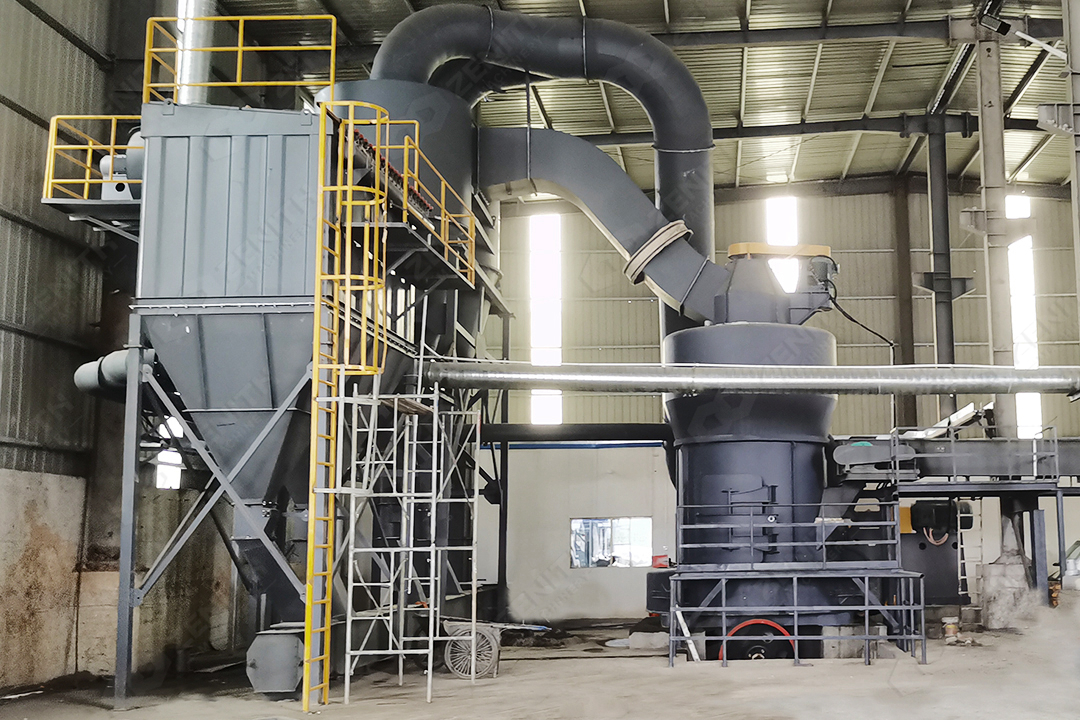
In addition to mechanical robustness, the Zenith 5R Raymond mill is equipped with an intelligent control system. Operators can adjust the rotating speed of the classifier impeller on the electric control panel, allowing them to change product fineness without stopping the process. The system supports remote monitoring and can easily be integrated into existing plant automation. This intelligent operation reduces labor requirements—a clear benefit for remote Australian sites where skilled operators are often in short supply. Furthermore, the mill's infrastructure includes a pulse dust collector and operates under positive and negative pressure, ensuring that dust emissions are kept to a minimum and aligning with Australia's strict environmental regulations.
How the Mill Works
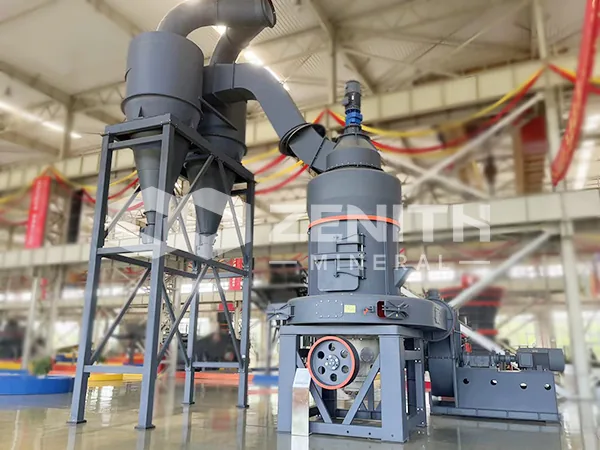
The working principle of the Zenith 5R Raymond mill is straightforward yet effective. Bulk limestone is fed from the feed hopper into the grinding chamber. Inside, a grinding roller assembly, mounted on a plum blossom frame, revolves around the vertical axis while each roller rotates on its own axis. Centrifugal force pushes the rollers outward, pressing them firmly against the grinding ring. A scraper then lifts the material and places it between the roller and the ring, where it is crushed and ground into fine particles. A fan-generated airflow carries these particles upward to the classifier. Coarse particles fall back onto the grinding table for additional reduction, while fine particles of the desired 325 mesh pass through the classifier and are collected by a cyclone collector, which separates the finished powder from the air stream. The air is then filtered and recirculated, maintaining a clean working environment.
_1787077743019.jpg)
Energy consumption is a major factor in any grinding operation. Compared to a ball mill of the same output grade, the Zenith Raymond mill consumes more than 60% less energy under ideal conditions. This dramatic reduction in power usage not only lowers operating costs but also reduces the carbon footprint of the plant. In an era where sustainable production is a priority, this efficiency makes the 5R mill an attractive choice. Additionally, the mill's impeller-type classifier is more efficient than traditional classifiers, raising induced air efficiency from 62% to 85%. This improvement enhances the overall separation performance and allows for better control of particle size distribution.
Meeting Local Demand and Future Flexibility
The 325-mesh limestone powder produced by this Australian plant is used for a variety of applications. In agriculture, it serves as a soil neutralizer, helping farmers adjust soil pH and improve crop yields. In building materials, it acts as a filler in asphalt, tile adhesive, and dry mortar. The ability to adjust output fineness by only replacing the impeller means that the same mill can be reconfigured to produce a coarser product (e.g., 100 mesh) or finer grades (up to 400 mesh) if market demand shifts. This flexibility protects the customer's investment and positions the operation for long-term profitability.
In conclusion, the Zenith 5R Raymond mill has proven to be a dependable workhorse for limestone powder production in Australia. With its compact layout, high screening efficiency, energy-saving design, and intelligent automation, it delivers excellent returns. Whether the task is feeding a growing agricultural sector or supplying high-quality industrial fillers, this equipment stands ready. For producers considering a new grinding line or upgrading an existing one, the Zenith 5R Raymond mill represents a proven solution backed by a global company with a strong service network.
_1787077743021.jpg)
Frequently Asked Questions
Q1: Can the Zenith 5R Raymond mill produce 325 mesh limestone powder at a rate of 8 t/h?
Yes. The 5R model has a capacity range of 3-22 t/h, and 8 t/h is well within its operating range. The classifier can be set to achieve 325 mesh (D97) with high efficiency, and the 99% screening pass rate ensures consistent product quality.
Q2: What is the required feed size for the 5R Raymond mill?
The maximum feed size is 35 mm. For most limestone quarries, initial crushing is needed to reduce rock to this size. The mill can then process the material continuously with minimal blockage.
Q3: How much floor area is needed for this grinding system?
Because the Raymond mill integrates feeding, grinding, classification, and collection in one system, it requires significantly less space than a traditional ball mill system. The exact footprint depends on the auxiliary equipment, but the compact design can save up to 50% of the area compared to conventional setups.
Q4: What maintenance is required for the 5R Raymond mill?
Routine maintenance includes checking the grinding roller and ring for wear, verifying the classifier impeller condition, and lubricating moving parts. Thanks to high-quality steel and wear-resistant materials, the intervals between replacements are long. The intelligent control system also alerts operators to potential issues, reducing unexpected downtime.
Q5: Is the mill environmentally friendly?
Yes. The grinding system operates under positive and negative pressure, and is equipped with a pulse dust collector. This ensures no dust spillover and low noise levels. It meets Australian environmental standards and the national environmental protection requirements of many other countries.
Q6: Can the same mill produce different fineness grades for other applications?
Absolutely. The Zenith 5R Raymond mill adopts a modular impeller adjustment device. By simply changing the impeller, the output fineness can be adjusted from 10 mesh to 325 mesh (in the standard configuration). This allows producers to quickly switch between products such as agricultural lime and industrial fillers.