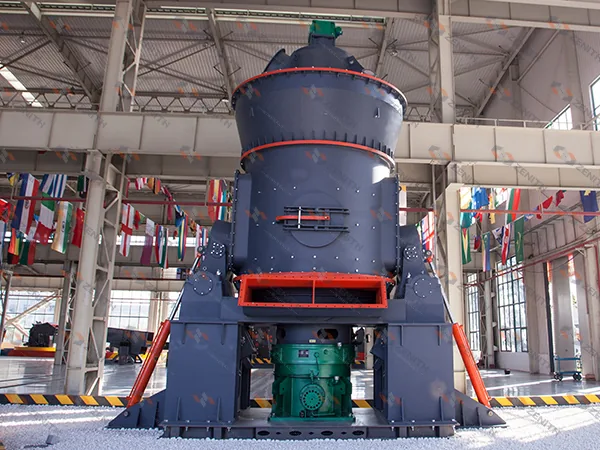
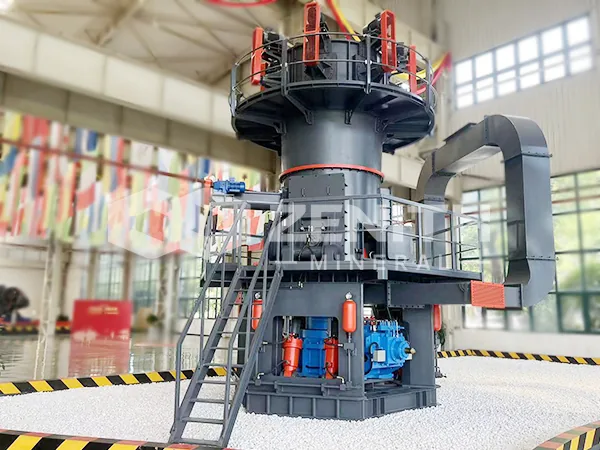
Zenith lm130 vertical mill australia limestone 50t/h 200mesh production line
2026-08-11 02:27:45
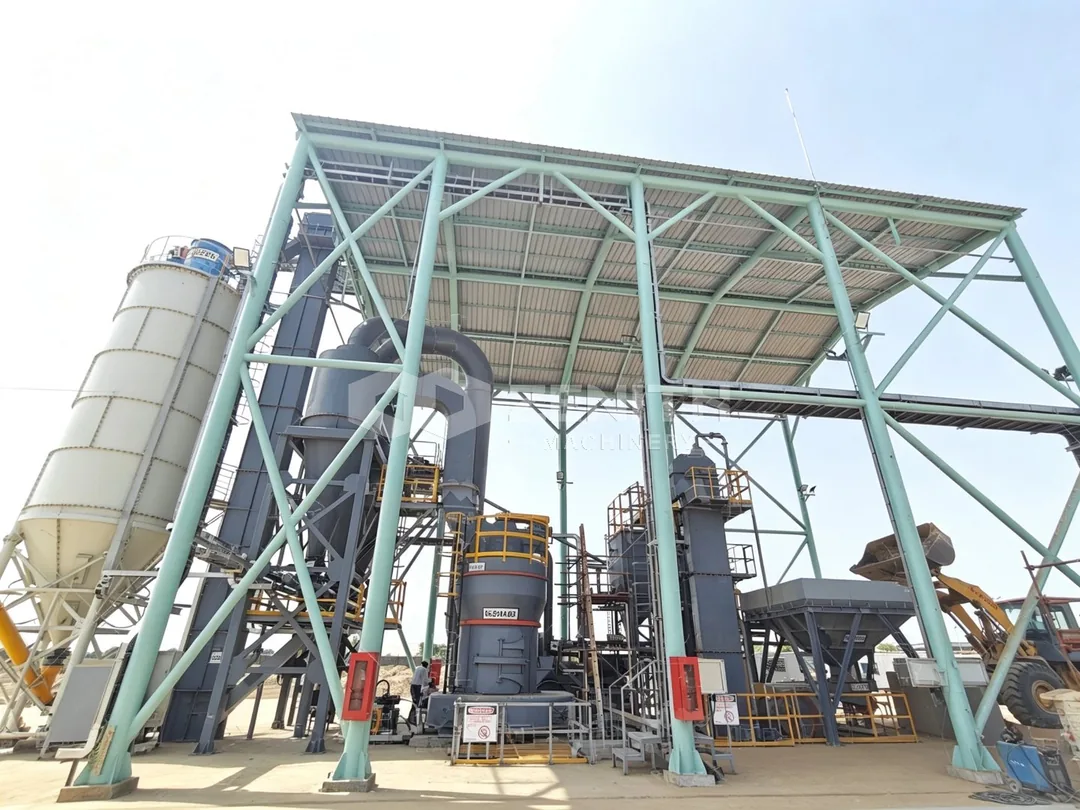
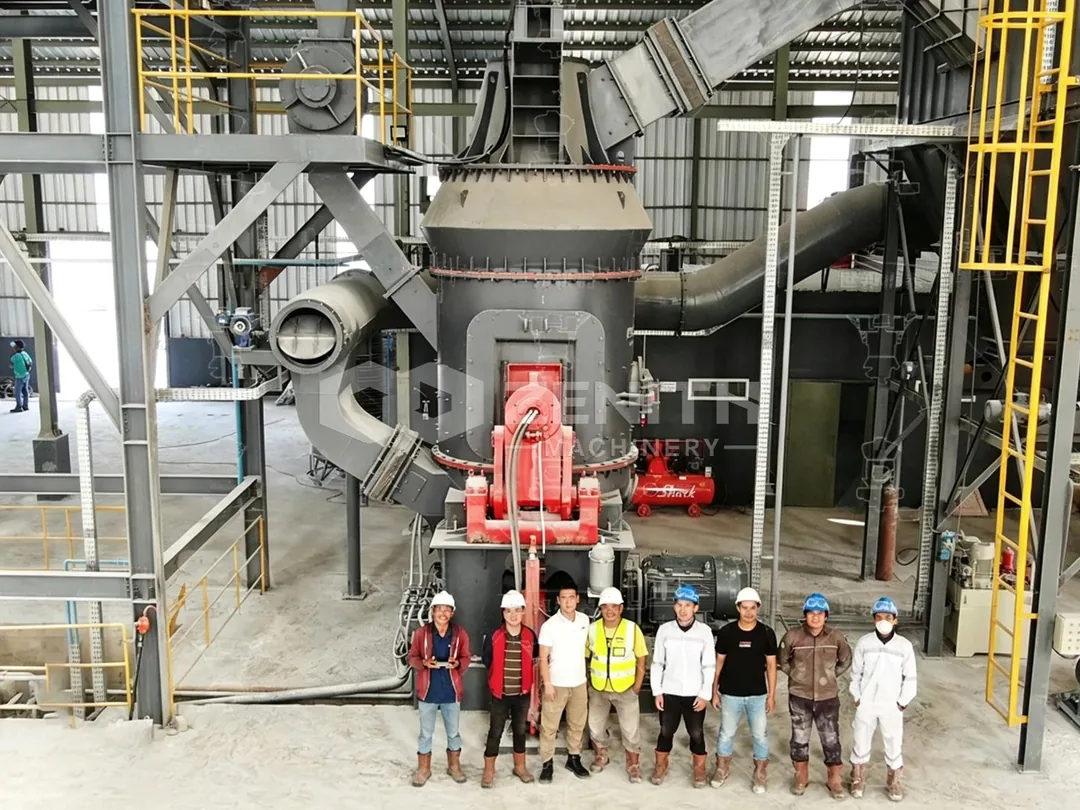
In my years around mineral processing plants, I have learned that a grinding line is rarely the most exciting piece of equipment, but it is often the one that makes or breaks the economics of the whole operation. When an Australian limestone producer needed 200-mesh powder at 50 tonnes per hour, the project team did not want a mill that needed constant supervision and high maintenance. They wanted something reliable, efficient, and easy to integrate. That is exactly why the Zenith LM130 vertical roller mill became the core of the new production line.
_1786386465281.jpg)
The Challenge of Australian Limestone Grinding
Limestone is not the hardest mineral, but it is abrasive enough to punish poorly designed mills. The 200 mesh target, about 75 microns, is a common specification for agricultural lime, power plant desulphurization, and industrial filler. To hit that fineness at 50 t/h, the grinding system must form a stable material bed, classify the powder accurately, and avoid introducing iron contamination. The LM series vertical roller mill was designed for these demands. Zenith LM vertical mills can run around the clock, which is exactly what a steady limestone customer expects from a production line.
Why the LM130 Vertical Mill Made Sense
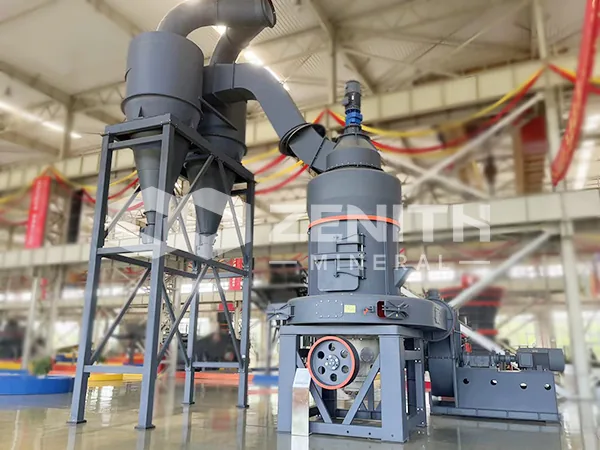
The LM130 sits in the LM vertical mill range with enough power to drive a medium-scale limestone plant. The broader LM series handles capacities from 3 to 340 t/h, feed sizes up to 70 mm, and output fineness from 80 to 400 mesh. In the Australian case, the LM130 produces 50 t/h at 200 mesh with stable product quality. The integrated classifier means operators can adjust fineness without buying additional equipment, and the mill can also be used for other minerals later if market demands change.
There are several advantages that stood out during the project evaluation:
- High Purity of Material: The LM130 can effectively control product size, chemical composition, and iron content. This matters for limestone products that need consistent whiteness and low contamination.
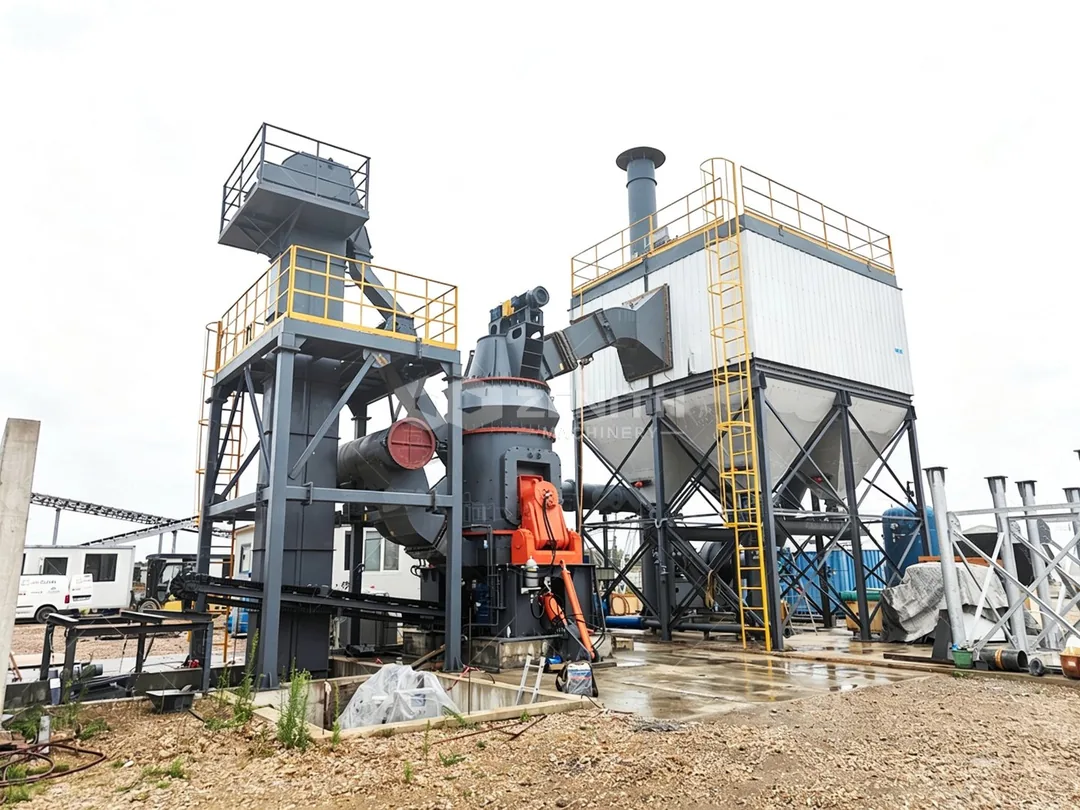
- Less Comprehensive Investment: The compact integrated design occupies about 50 percent of the area of a ball mill system and can be arranged outdoors. It has its own production system from bulk material to finished powder, which reduces civil construction and auxiliary equipment costs.
- High Degree of Automation: The automatic control system allows remote or local operation. One operator can supervise the mill and change process parameters easily, lowering labor costs.
- Environmentally Friendly: The mill is sealed and operates under negative pressure. Dust spillover is negligible, vibration is small, and noise is low, which helps the plant meet modern environmental standards.
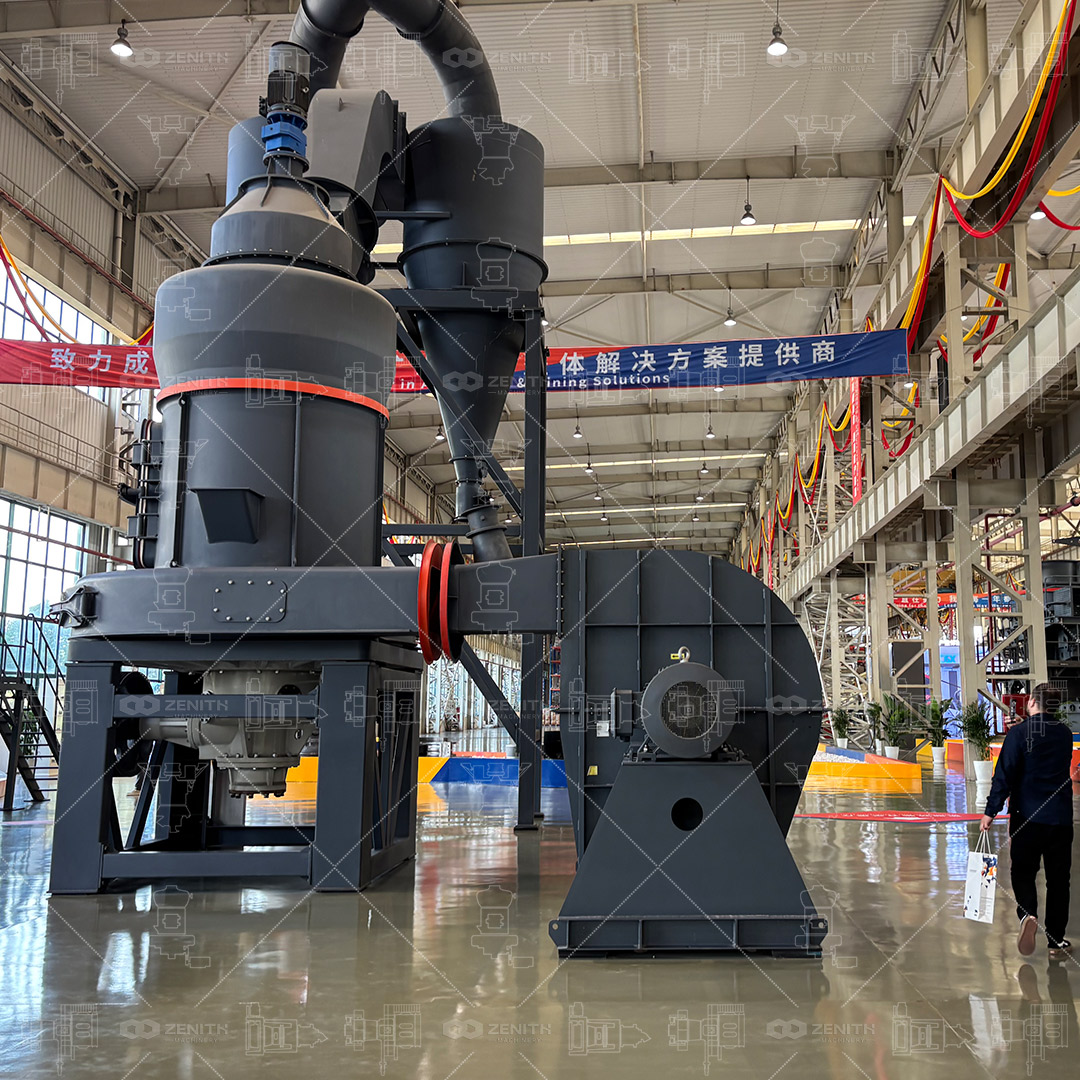
How the LM130 Works in the Production Line
Pre-crushed limestone enters the mill and falls to the center of the grinding disc. The main motor drives the disc through a reducer, and centrifugal force spreads the material toward the edge. The grinding rollers then crush the material. Large particles break down, while smaller particles form a bed that allows inter-particle grinding. This is important because inter-particle grinding reduces metal-to-metal wear and improves energy efficiency.
The crushed material moves toward the periphery of the disc, where airflow picks it up and carries it to the separator. Coarse particles are returned for another pass, while fine powder goes to the cyclone and pulse dust collector. Iron debris falls into the lower cavity and is scraped out. The whole system operates under positive and negative pressures and is equipped with dust collection, so the area around the mill remains clean.
Plant Layout and Operator Experience
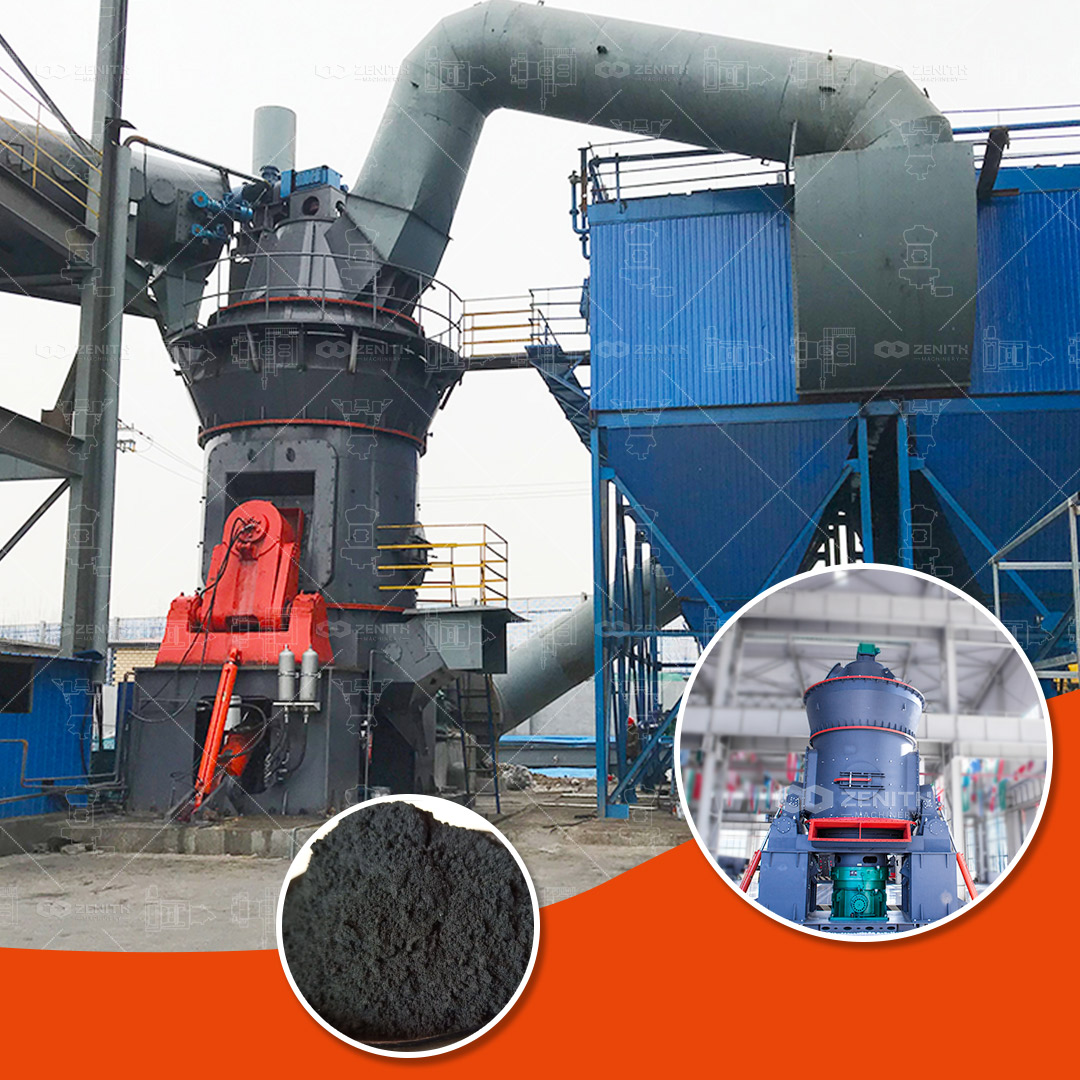
A complete line for 50 t/h of limestone powder usually starts with a jaw crusher to reduce run-of-mine limestone to a size the LM130 can handle. From the crusher, material is stored in a buffer silo and fed into the mill at a controlled rate. Because the LM vertical mill combines grinding, classifying, and powder collection in one compact unit, the overall plant has a much smaller footprint than a traditional ball mill system. In Australia, where site construction costs are high, this is not a small advantage.
I have visited plants where the operator simply switches the mill to remote control and uses the screen to monitor product fineness. That level of automation means fewer people on site and less fatigue from repetitive manual checks. Maintenance is also manageable. The vertical mill design uses a hydraulic system to adjust the grinding roller, and wear parts are made from high-quality abrasion-resistant material. In limestone grinding, wear rates are generally moderate, and the automatic control system helps maintain a stable bed, which reduces vibration and uneven loading.
Certifications and Global Support
Shanghai Zenith Machinery Co., Ltd. is a hi-tech engineering group focused on industrial powder grinding equipment. The LM series has received ISO international quality system certification, European Union CE certification, and Customs Union CU-TR certification. Zenith marketing network covers more than 180 countries and regions across Asia, Africa, Europe, America, and Oceania, with overseas offices in more than 30 countries. For an Australian operation, that means spare parts, service, and application knowledge are easier to reach than one might expect.
_1786386465287.jpg)
Final Thoughts
Would I recommend the LM130 for a 50 t/h limestone to 200 mesh production line in Australia? Yes. It gives the capacity, stability, and automation needed to run a modern plant. It also leaves room to adjust product fineness if market demand changes. The line is simpler, cleaner, and less expensive to build than a ball mill system of the same capacity. If you are planning a limestone powder plant, the LM130 vertical mill is a serious option.
Frequently Asked Questions
- What is the capacity of the LM130 for limestone?
In the Australian 200 mesh limestone application, the LM130 is sized to produce about 50 tonnes per hour. The broader LM series can produce from 3 to 340 t/h depending on model and material. - What feed size does the LM130 accept?
The LM series can accept feed materials up to 70 mm. For larger limestone blocks, a primary crusher is installed before the mill to reduce the feed to a suitable size. - Can the LM130 produce finer or coarser than 200 mesh?
Yes. The LM series provides output fineness from 80 to 400 mesh. By adjusting the separator speed and other parameters, you can change the final product fineness. - Does the LM130 need a separate classifier?
No. The LM130 has an integral separator. The mill classifies particles internally, so no separate classifier is required. - Is the system environmentally friendly?
Yes. The LM vertical mill operates under negative pressure with a pulse dust collector. It has no dust spillover, low vibration, and low noise. - Can the LM130 grind limestone with moderate moisture?
Yes. The mill can introduce hot air into the grinding chamber, which allows simultaneous drying and grinding, making it suitable for limestone with moderate moisture.