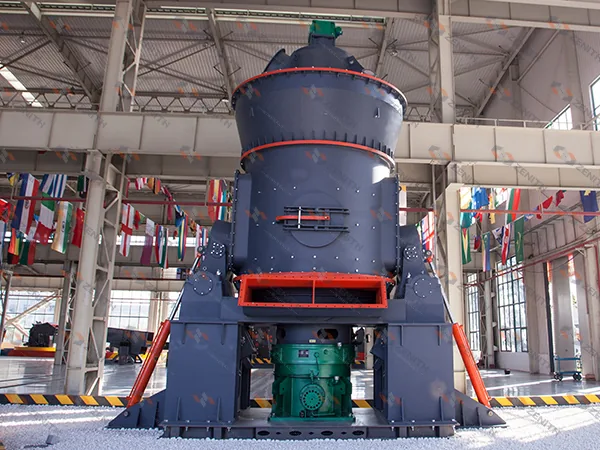
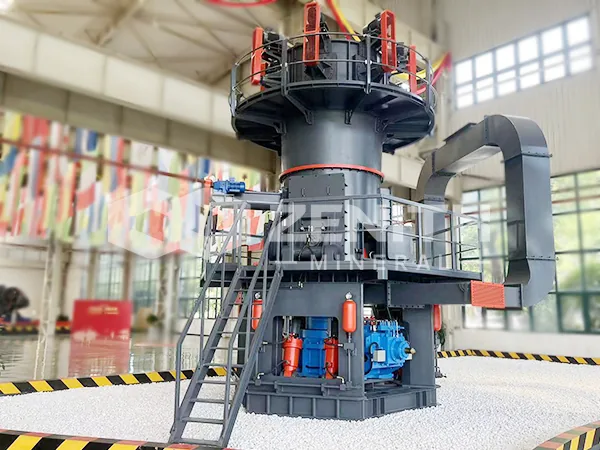
Lm220k vertical roller mill for chromite ore 200 mesh 71 tph antique tile coloring powder in zimbabwe
2026-07-25 02:26:42
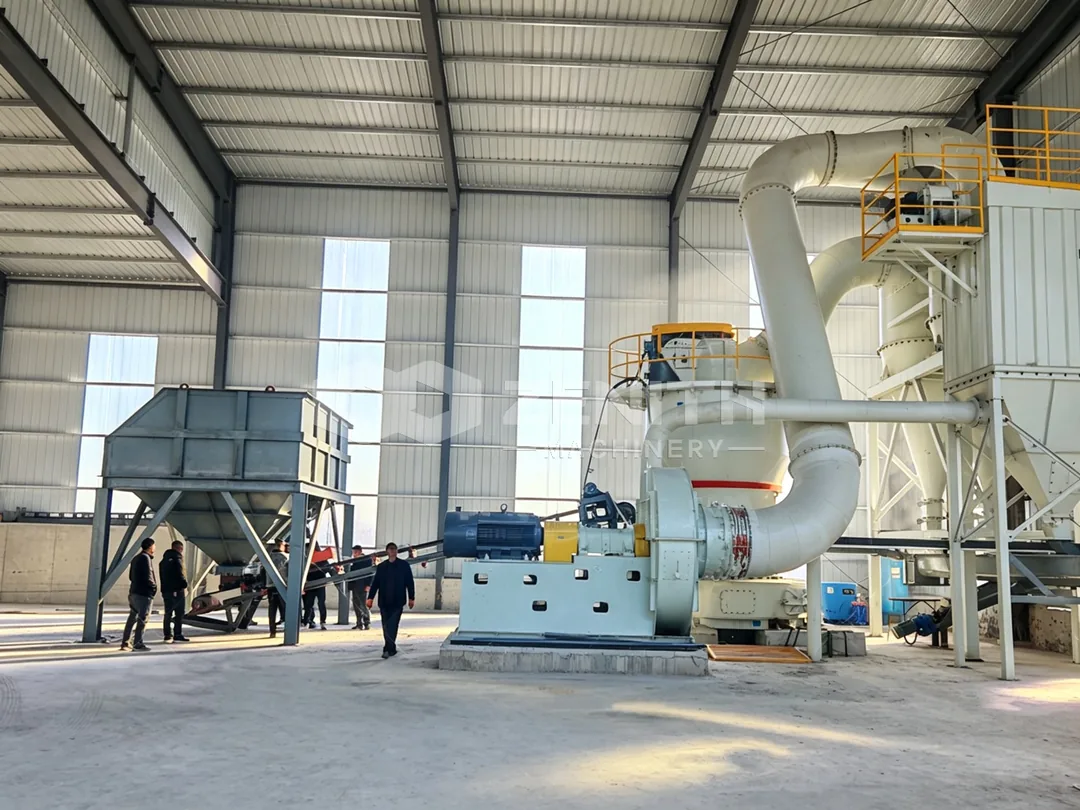
Zimbabwe holds some of the world's richest chromite deposits, particularly in the Great Dyke region. For decades, local processors have sought efficient ways to transform this mineral into high-value products. One emerging application is the production of antique tile coloring powder – a fine, consistent pigment used in ceramic tile manufacturing to achieve distressed, vintage finishes. Achieving the required 200 mesh fineness at a capacity of 71 tons per hour demands robust, energy-efficient equipment. The LM220K vertical roller mill from Shanghai Zenith Machinery Co., Ltd. is engineered precisely for this challenge.
_1784917602029.jpg)
Why LM220K for Chromite Ore Grinding?
Chromite (FeCr₂O₄) is a hard, abrasive mineral with a Mohs hardness of around 5.5–6.5. Traditional ball mills often struggle with high wear rates and excessive energy consumption when grinding such materials. The LM220K vertical roller mill addresses these issues through its patented design. Based on decades of experience, Zenith's LM series mills integrate grinding, drying, and classification in a single compact unit. For chromite ore, the mill achieves a product fineness of 200 mesh (74 microns) with a stable throughput of 71 TPH, making it ideal for large-scale production of antique tile coloring powder.
Key Technical Advantages
- High Purity of Material: The LM220K effectively controls product size, chemical composition, and iron content, ensuring the chromite powder meets strict whiteness and purity standards required for colored ceramic pigments.
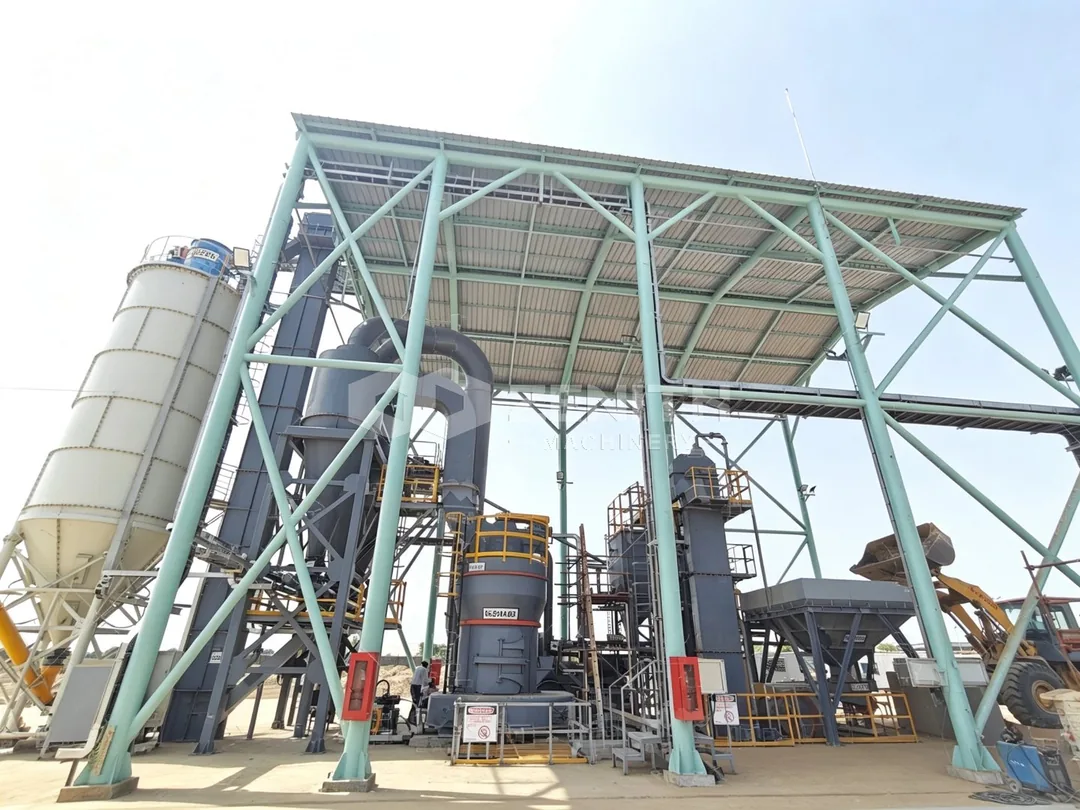
- Less Comprehensive Investment: Its compact integrated design occupies about 50% less floor space than a ball mill system. The complete plant – from raw material storage to finished powder packaging – can be arranged outdoors, significantly reducing civil engineering costs.
- High Degree of Automation: Equipped with an intelligent control system, the LM220K supports remote and local operation. One operator can monitor the entire grinding process, adjusting parameters like grinding pressure and classifier speed from a central panel. This reduces labor costs and human error.
- Environmentally Friendly: The mill operates under negative pressure with a sealed system. No dust escapes, vibration is minimal, and noise levels are low – meeting Zimbabwe's environmental regulations for mining and processing facilities.
- Energy Efficiency: Compared to a ball mill of the same capacity, the LM220K consumes up to 60% less energy under ideal conditions. For a 71 TPH chromite grinding plant, this translates into substantial annual savings in electricity costs.
_1784917602032.jpg)
Working Principle – Optimized for Chromite
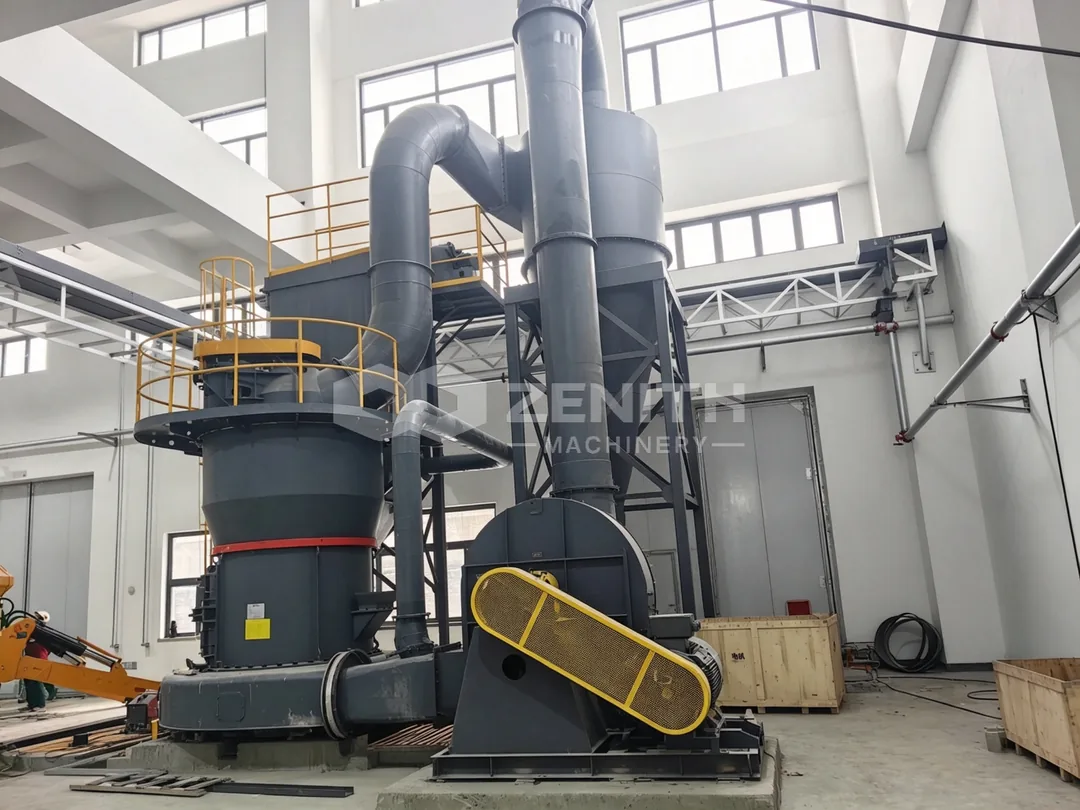
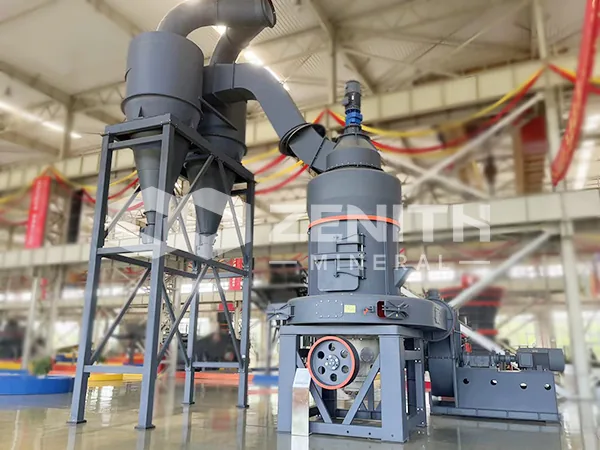
The main motor drives the grinding disc via a planetary reducer. Chromite ore (crushed to below 70 mm) enters through the feed port and falls onto the center of the disc. Centrifugal force spreads the material evenly toward the edge, where it is crushed between the rotating rollers and the disc. A material bed forms, enabling inter-particle crushing that reduces wear on the grinding elements. Hot air (if required for drying) enters the chamber, carrying the ground particles upward to the dynamic separator. Coarse particles are rejected and fall back to the disc for further grinding, while fine particles of 200 mesh pass through the separator and are collected in a baghouse or cyclone as final product. Iron impurities, being heavier, drop into the lower cavity and are discharged via scrapers, ensuring high purity of the antique tile coloring powder.
Case in Point: Antique Tile Coloring Powder Production
Antique tile manufacturers require a consistent color tone across batches. Chromite powder at 200 mesh provides the deep, earthy brown-black pigment that mimics aged tiles. The LM220K's ability to hold fineness within ±5 microns of the target size guarantees uniform coloration. Furthermore, the mill's automatic control ensures that even when feed moisture varies (common in Zimbabwe's seasonal rains), the product quality remains stable. A plant in Zimbabwe using the LM220K has reported a 30% increase in throughput compared to their previous ball mill setup, while reducing specific energy consumption by 55%.
Certifications and Global Reach
Zenith's LM220K vertical roller mill holds ISO 9001, CE, and CU-TR certifications, guaranteeing quality and safety. Our network spans over 180 countries, with local support offices in more than 30 nations. In Africa, we have a dedicated service team that assists with installation, commissioning, and after-sales maintenance. For Zimbabwean chromite processors, this means minimal downtime and fast access to spare parts.
Conclusion
The LM220K vertical roller mill offers the perfect balance of capacity, fineness, and reliability for producing 200 mesh chromite powder at 71 TPH. Whether you are entering the antique tile coloring powder market or expanding existing operations, this mill provides a future-proof solution with lower energy costs and higher product purity. Contact Zenith today to discuss your specific chromite grinding requirements.
Frequently Asked Questions (FAQ)
- Q: Can the LM220K handle chromite ore with high moisture content?
A: Yes. The mill can be equipped with a hot air generator for simultaneous drying and grinding. Moisture up to 15% in the feed can be handled without affecting throughput or fineness. - Q: What is the typical wear life of grinding rollers and disc liner for chromite?
A: Depending on the ore's abrasiveness, rollers typically last 6,000–8,000 operating hours, and the disc liner about 4,000–6,000 hours. Zenith supplies wear parts from high-chrome alloys to maximize service life. - Q: How do I adjust the fineness from 200 mesh to other sizes?
A: The LM220K uses a modular impeller-type classifier. By changing the impeller (or adjusting the rotation speed via VFD), you can produce products from 80 to 400 mesh. Changeover takes less than 2 hours. - Q: What is the total power consumption for 71 TPH at 200 mesh?
A: Under normal conditions, the specific power consumption is around 22–26 kWh per ton. This includes the main mill, classifier, fan, and auxiliary systems. Actual figures depend on the feed size and moisture. - Q: Does Zenith provide installation supervision and training in Zimbabwe?
A: Absolutely. Our team offers on-site supervision for foundation, erection, and commissioning. We also provide comprehensive operator training, both on-site and through remote assistance. - Q: Can the LM220K be used for other minerals besides chromite?
A: Yes. The mill is versatile and can grind limestone, marble, barite, kaolin, gypsum, feldspar, and many non-metallic minerals. Changing the grinding pressure and classifier settings accommodates different materials. - Q: What environmental permits are needed for installing this mill in Zimbabwe?
A: The LM220K meets international emission standards. In Zimbabwe, you need an EIA (Environmental Impact Assessment) for any mineral processing plant. Our mill's low dust and noise levels simplify compliance.
_1784917602044.jpg)