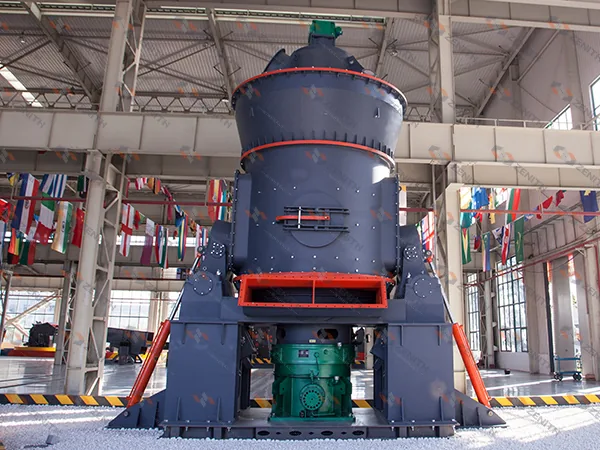
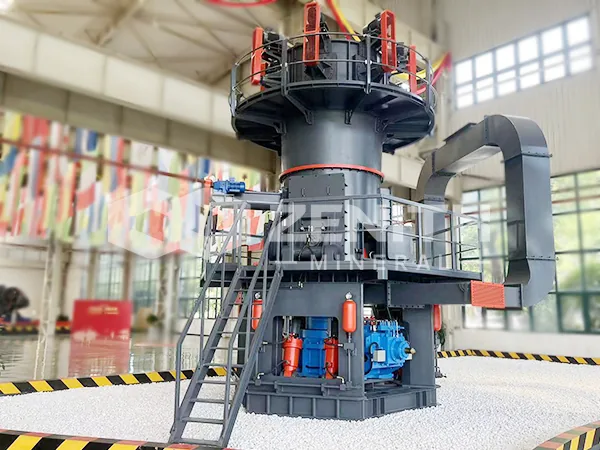
Lm190m vertical coal mill for lignite 100 mesh d80 33 tph in australia
2026-07-24 02:25:52
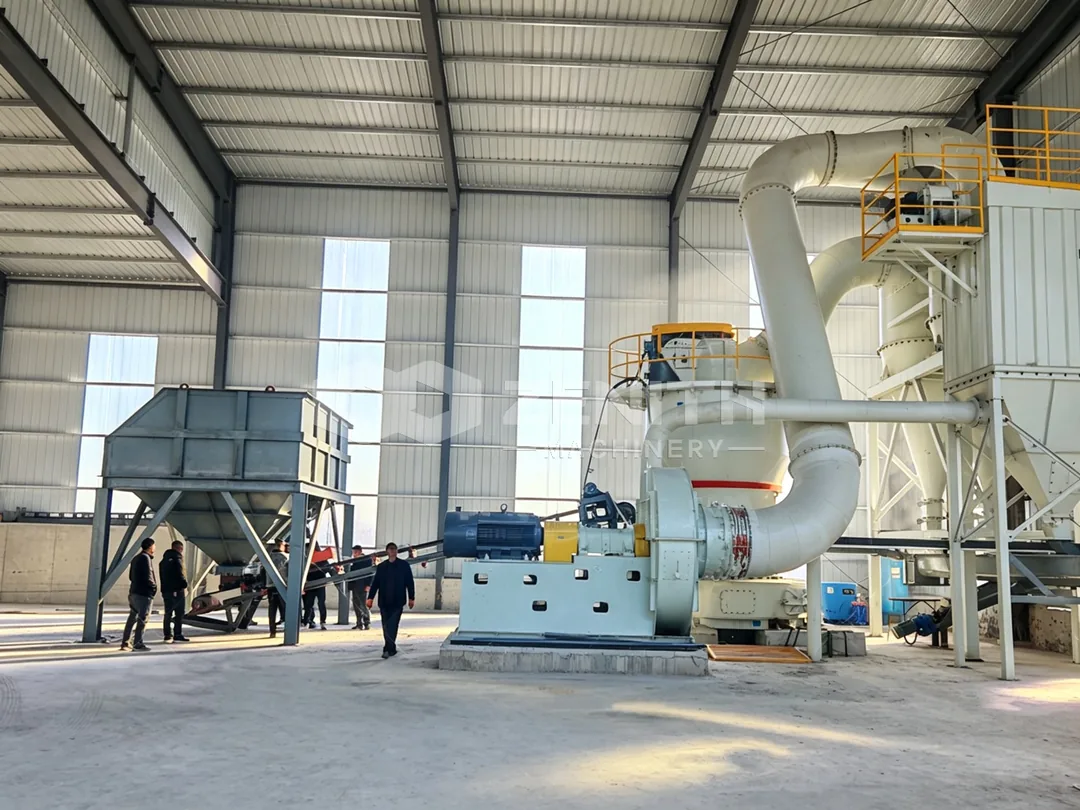
When it comes to grinding lignite in Australia, the LM190M Vertical Coal Mill offered by Shanghai Zenith Machinery has emerged as a reliable workhorse for power plants and industrial processing facilities. Lignite, often called brown coal, is abundant in regions like Victoria's Latrobe Valley. Its high moisture content and relatively low calorific value demand a grinding system that can handle difficult materials while maintaining consistent output. The LM190M, with its proven vertical roller mill design, delivers precisely that — 33 tons per hour of lignite ground to 100 mesh (D80) with exceptional energy efficiency and operational stability.
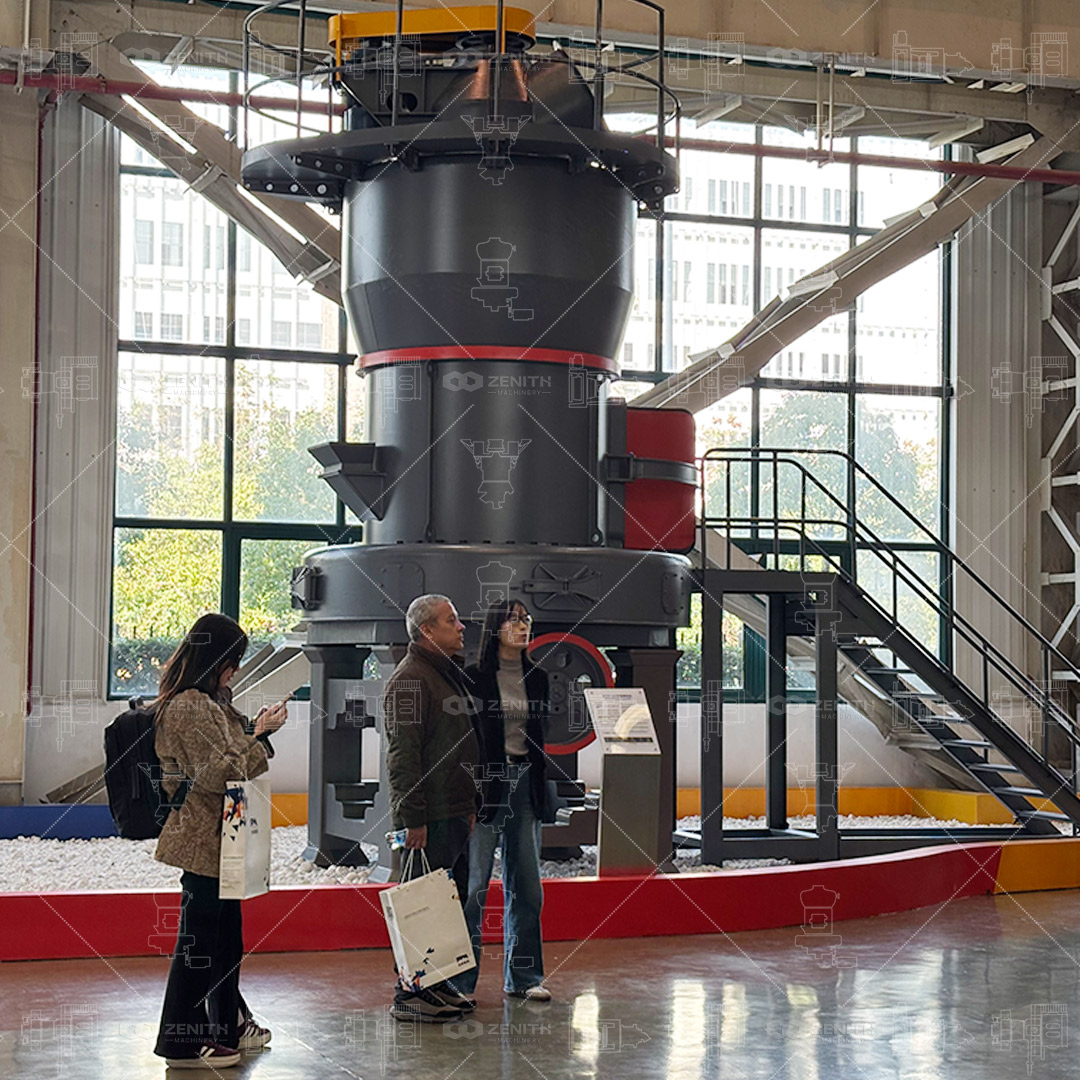
Why the LM190M Stands Out for Lignite Grinding
Lignite is notoriously challenging: it is fibrous, sticky when moist, and prone to spontaneous combustion. Traditional ball mills struggle with high energy consumption and frequent maintenance. The LM190M solves these issues through its advanced vertical grinding principle. The grinding disc is driven by a main motor via a planetary reducer, while hot air enters the mill to simultaneously dry and convey the material. This integrated drying and grinding process is critical for lignite, as moisture levels can exceed 60%.
The mill's capacity of 33 tph at 100 mesh (D80) is achieved with a classifier speed adjustment that ensures precise particle size distribution. For lignite, achieving a D80 of 100 mesh means 80% of the product passes through a 100-mesh sieve (149 microns) — ideal for pulverized coal injection in boilers or gasification processes. The LM190M's dynamic separator can be tuned to maintain this fineness without sacrificing throughput.
Key Features Benefiting Australian Operations
- High Purity of Material: The vertical design minimizes iron contamination because the grinding rollers and table are made of wear-resistant alloys. This is vital for lignite used in direct combustion where metal content can affect slagging.
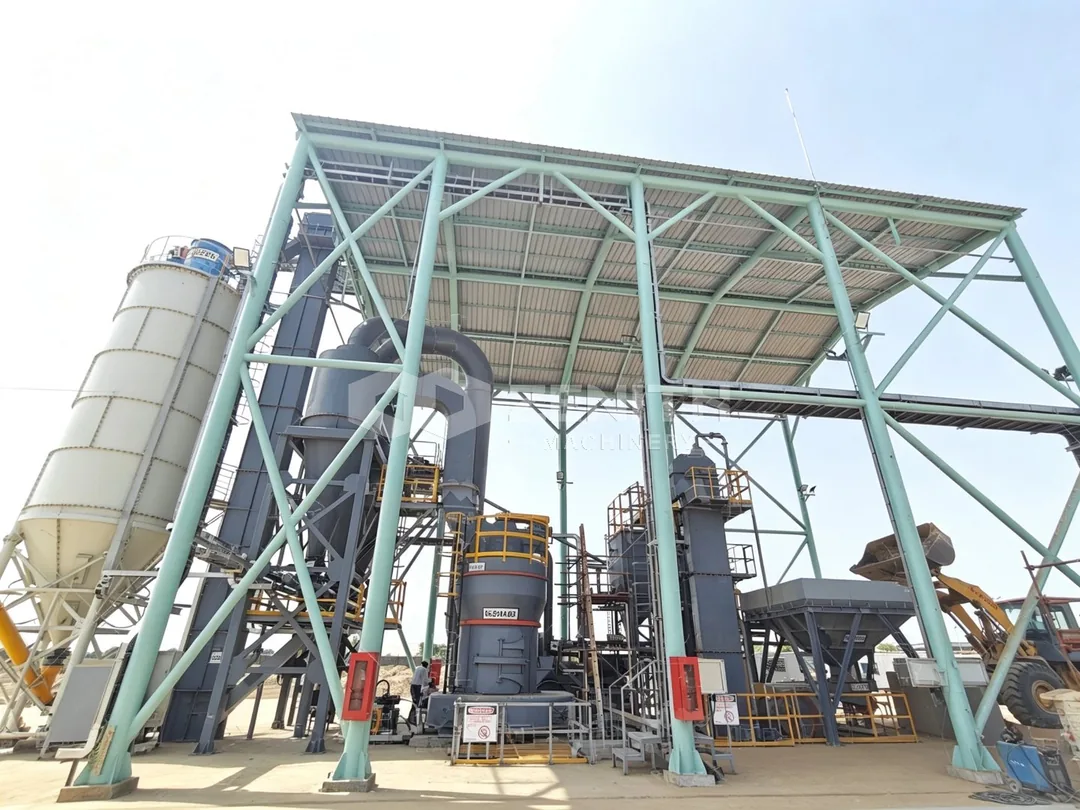
- Less Comprehensive Investment: The LM190M occupies only about 50% of the floor area of an equivalent ball mill system. For Australian sites where space may be limited or foundation costs high, this is a major advantage. The mill can be arranged outdoors with a simple weatherproof enclosure.
- High Degree of Automation: Zenith equips the LM190M with an automatic control system that allows remote monitoring and operation. In remote Australian mining or power plant sites, this reduces the need for on-site operators and cuts labor costs.
- Environmentally Friendly: The mill operates under negative pressure with a sealed system. A pulse dust collector ensures zero dust spillage, meeting strict Australian environmental regulations (e.g., EPA Victoria guidelines). Noise levels are significantly lower than ball mills, making it suitable for near-residential areas.
_1784831152363.jpg)
Case in Point: 33 tph Lignite Grinding in Victoria
Consider a hypothetical lignite processing plant in the Latrobe Valley. The existing ball mill consumes 1200 kW to produce 30 tph at 100 mesh. An LM190M, with a motor power of around 900 kW, achieves 33 tph at the same fineness. That’s a 25% increase in capacity with a 25% reduction in specific energy consumption (kWh/t). Over a year of continuous operation (8,000 hours), the energy savings alone can exceed 2.4 million kWh, translating to significant cost reductions and lower carbon footprint.
Furthermore, the LM190M's ability to handle feed sizes up to 70 mm reduces the need for primary crushing. The mill's built-in drying capability allows it to process lignite with moisture up to 30% directly, eliminating the need for separate dryers — a common bottleneck in older plants.
Working Principle Adapted for Lignite
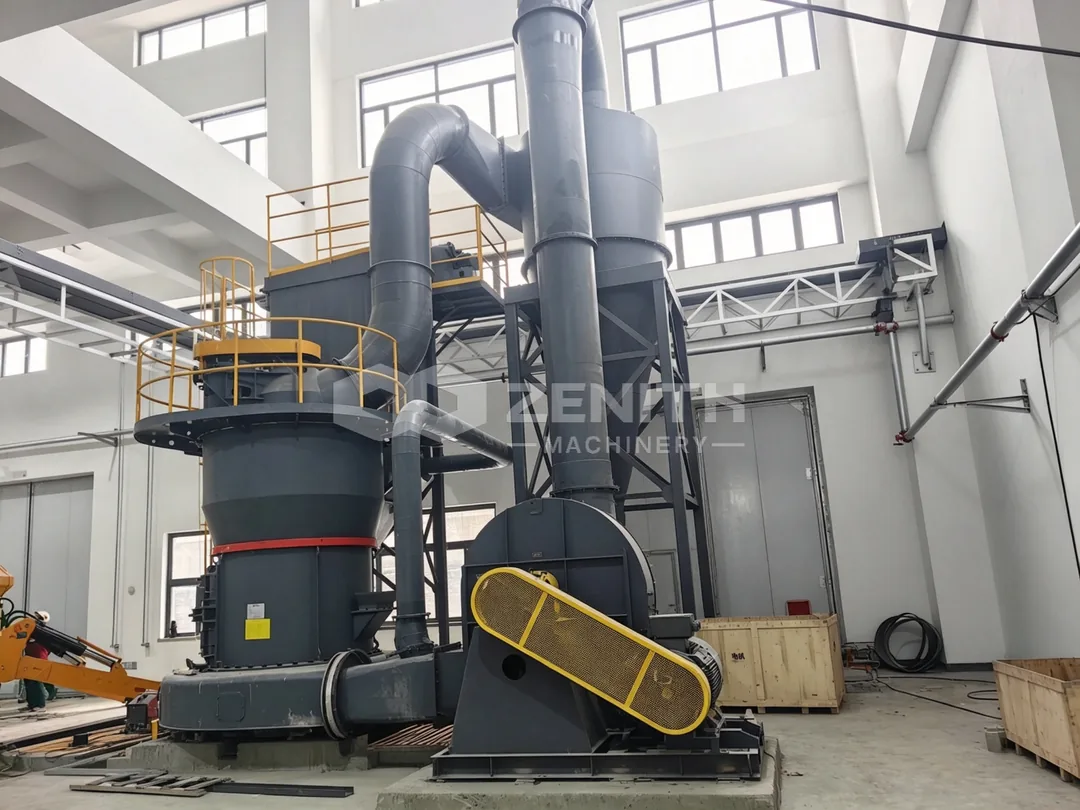
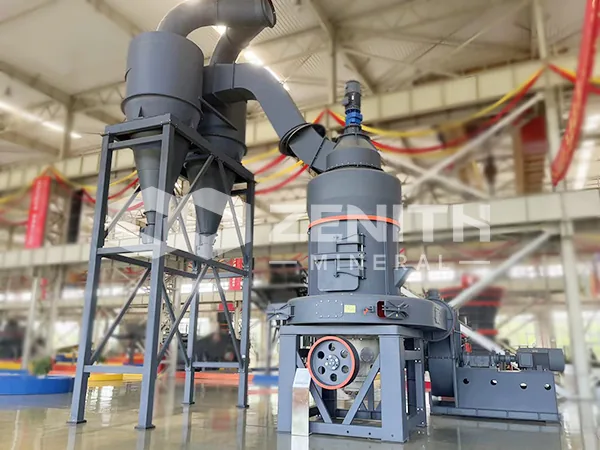
The LM190M operates on a simple yet robust principle: the main motor drives the grinding disc via the reducer. Hot air (typically 200-350°C) enters the mill from the bottom. Lignite falls onto the center of the disc and is spread outward by centrifugal force. The grinding rollers (typically two or three) press on the material, crushing it by compression and shear. The ground lignite is then carried upward by the hot air stream to the classifier. Coarse particles fall back onto the disc for further grinding, while fine powder (meeting the 100 mesh D80 target) passes through and is collected in a baghouse or cyclone. Heavy iron debris, if any, falls into the lower cavity and is automatically discharged via a scraper system.
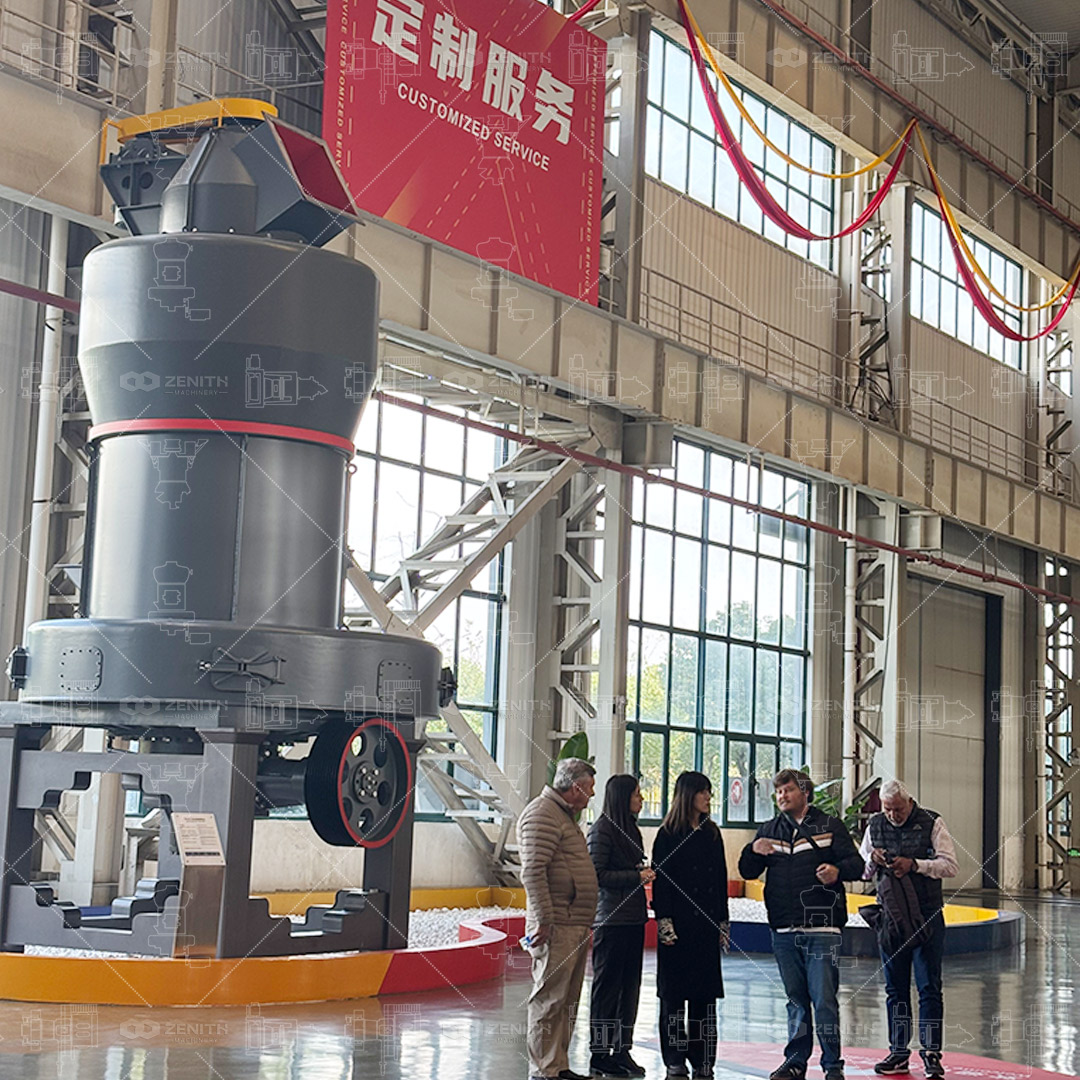
Why Australian Customers Choose Zenith
Zenith Machinery has a proven track record in Australia, with numerous installations across the continent. Our equipment holds ISO 9001 quality certification, EU CE certification, and CU-TR certification. We have an overseas office in Australia, ensuring prompt local support, spare parts availability, and on-site commissioning. The LM190M's modular design simplifies maintenance: roller sleeves and liners can be replaced quickly using hydraulic systems, minimizing downtime. For lignite grinding, where abrasive wear is moderate, the expected service life of wear parts exceeds 6,000 hours.
Conclusion
The LM190M vertical coal mill from Shanghai Zenith is an ideal solution for Australian lignite grinding requirements at 33 tph and 100 mesh D80. Its combination of high capacity, energy efficiency, low maintenance, and environmental compliance makes it a smart investment for any coal processing operation. Whether you are upgrading an existing plant or building a new one, the LM190M delivers reliable, cost-effective performance.
Frequently Asked Questions (FAQ)
- Can the LM190M handle lignite with moisture content above 60%?
Yes, the LM190M can process lignite with high moisture when supplied with sufficient hot air. The integrated drying and grinding system can reduce moisture from over 60% to below 2% in a single pass. However, the hot gas temperature and flow rate must be carefully adjusted based on the actual moisture level. Our engineers can design a customized hot air system to match your specific lignite properties. - What is the expected power consumption for grinding 33 tph of lignite to 100 mesh?
Depending on the lignite's grindability (HGI) and moisture content, the specific energy consumption typically ranges from 25 to 35 kWh per ton. For a typical hard lignite with HGI 40–50, expect around 28–30 kWh/t. This is substantially lower than a ball mill, which can consume 45–55 kWh/t for the same duty. - How often do wear parts need replacement in the LM190M when grinding lignite?
Lignite is less abrasive than hard coals. Under normal conditions, the grinding roller tires and table liners last between 6,000 and 8,000 operating hours. The classifier blades may need inspection every 4,000 hours. Zenith provides a complete wear kit and on-site replacement service through our Australian support network. - Can the LM190M produce different finenesses for different applications?
Absolutely. The mill is equipped with a variable-speed dynamic classifier. By adjusting the rotor speed, you can change the product fineness from 80 mesh up to 400 mesh without stopping the mill. For example, if you need D80 at 200 mesh for a different burner, simply change the classifier speed setting on the control panel. - What auxiliary equipment is required for a complete lignite grinding plant?
Typical system components include: a raw material bin with belt feeder, a hot air generator (or waste heat source), the LM190M mill, a baghouse pulse dust collector, a conveying system (screw conveyor or pneumatic), and a control panel. A metal detector and magnetic separator are recommended to remove tramp iron. Zenith can supply all these items as a turnkey solution. - Does the LM190M comply with Australian safety and emission standards?
Yes. The mill is designed to meet strict standards. It operates under negative pressure to prevent dust leakage. The pulse dust collector ensures particulate emissions below 20 mg/Nm³. Safety interlocks include CO and O₂ monitoring for fire prevention, especially important when grinding lignite. Our equipment can be certified to comply with AS/NZS standards upon request. - What is the typical delivery lead time for an LM190M to Australia?
From order to delivery, standard lead time is approximately 8–12 weeks, depending on customization. Zenith maintains a stock of key components in our Shanghai factory, and our Australian office coordinates logistics to ensure fast shipping to ports like Melbourne or Sydney. On-site installation and commissioning can be completed within 3–4 weeks.
_1784831152366.jpg)