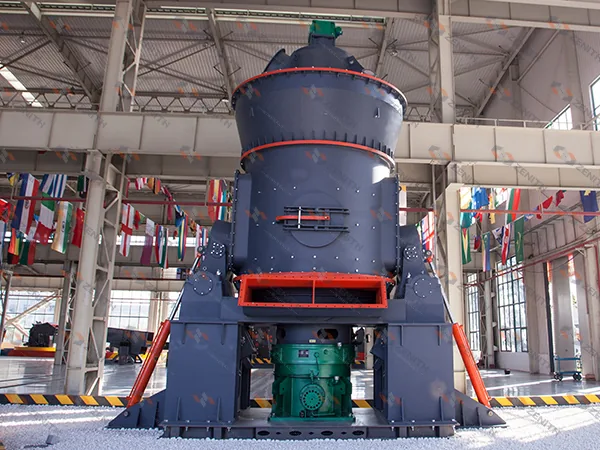
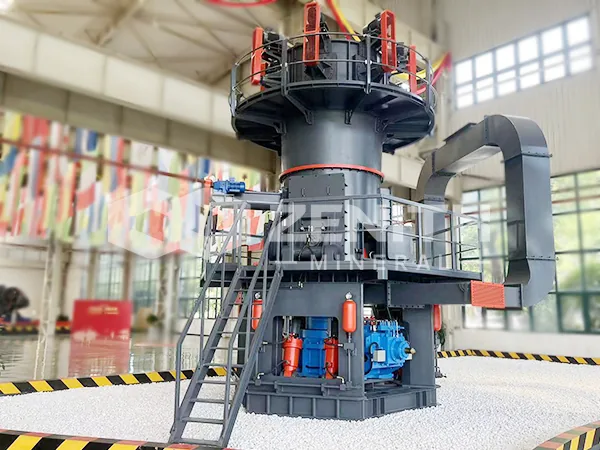
Lm1300 vertical roller mill for imported port raw materials 325 mesh ceramic glaze raw material in australia
2026-07-23 02:26:58
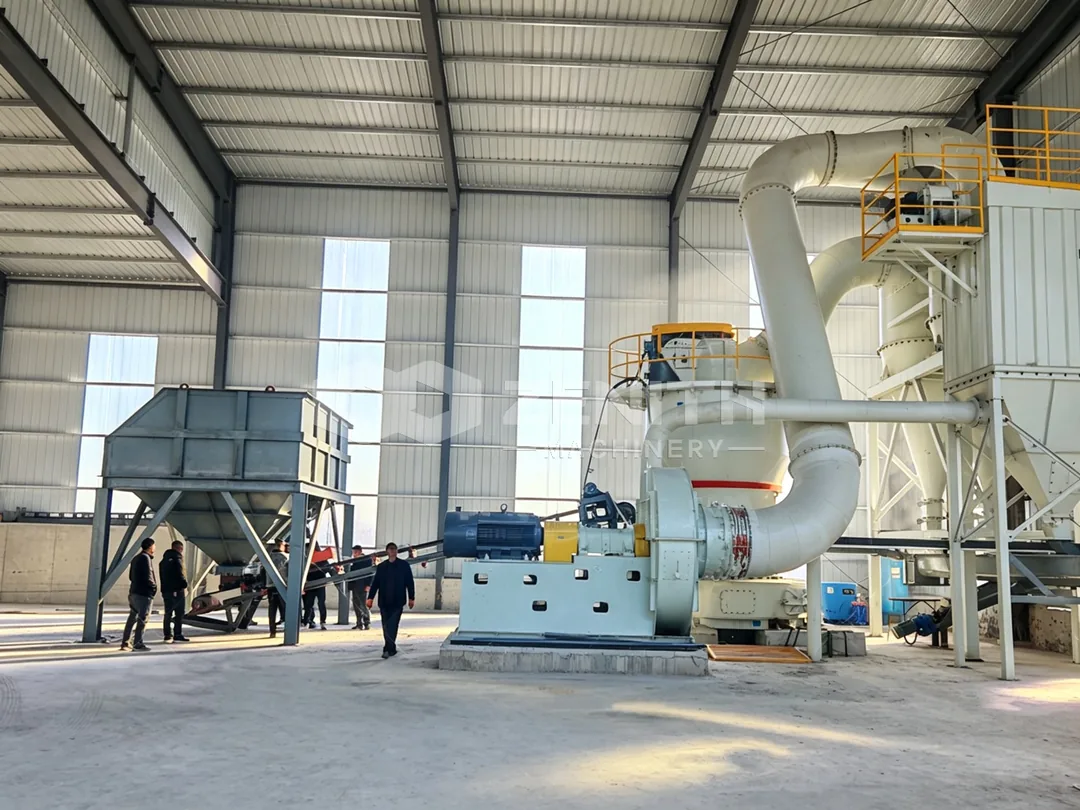
Australia’s ceramic and glaze manufacturing sector has long relied on consistent, high‑purity imported raw materials arriving at major ports such as Sydney, Melbourne, and Brisbane. For producers targeting 325‑mesh ceramic glaze powders, the challenge is not just achieving fine fineness, but doing so with minimal contamination, stable output, and low operating costs. After years of working with Australian clients, we’ve seen that a vertical roller mill (VRM) specifically designed for large‑capacity, continuous operation—like the LM1300 from ZENITH—solves these challenges elegantly. This article dives into why the LM1300 is the go‑to solution for processing imported port raw materials into 325‑mesh ceramic glaze powder in Australia, based on real‑world feedback and decades of grinding expertise.
_1784744818507.jpg)
Why 325‑Mesh Matters for Ceramic Glaze
Ceramic glaze requires extremely fine and uniform particles—typically 325 mesh (44 microns) or finer. At this particle size, the glaze flows smoothly, adheres evenly to the ceramic body, and produces a consistent surface finish after firing. Imported raw materials, such as feldspar, quartz, kaolin, and calcium carbonate, arrive at Australian ports in bulk. They often contain varying moisture levels and particle sizes. A mill that can handle these variations while delivering a precisely controlled 325‑mesh product is essential. The LM1300 vertical roller mill, with its advanced classifier and hydraulic system, meets this need perfectly.
Key Features of the LM1300 for Australian Import Operations
The LM1300 is part of ZENITH’s LM series, which has been field‑proven for more than 24‑hour continuous operation in demanding environments. Here are the features that make it ideal for processing imported port raw materials into 325‑mesh ceramic glaze powder:
1. High Purity and Whiteness Control
Ceramic glaze demands high purity—any iron contamination can discolor the final product. The LM1300’s grinding rollers and table are designed to minimize metal‑to‑material contact. The mill effectively controls product size, chemical composition, and iron content, ensuring the finished glaze powder meets the strict whiteness standards required by Australian ceramic manufacturers. The sealed, negative‑pressure operation also prevents foreign dust from entering the system.
2. Less Comprehensive Investment
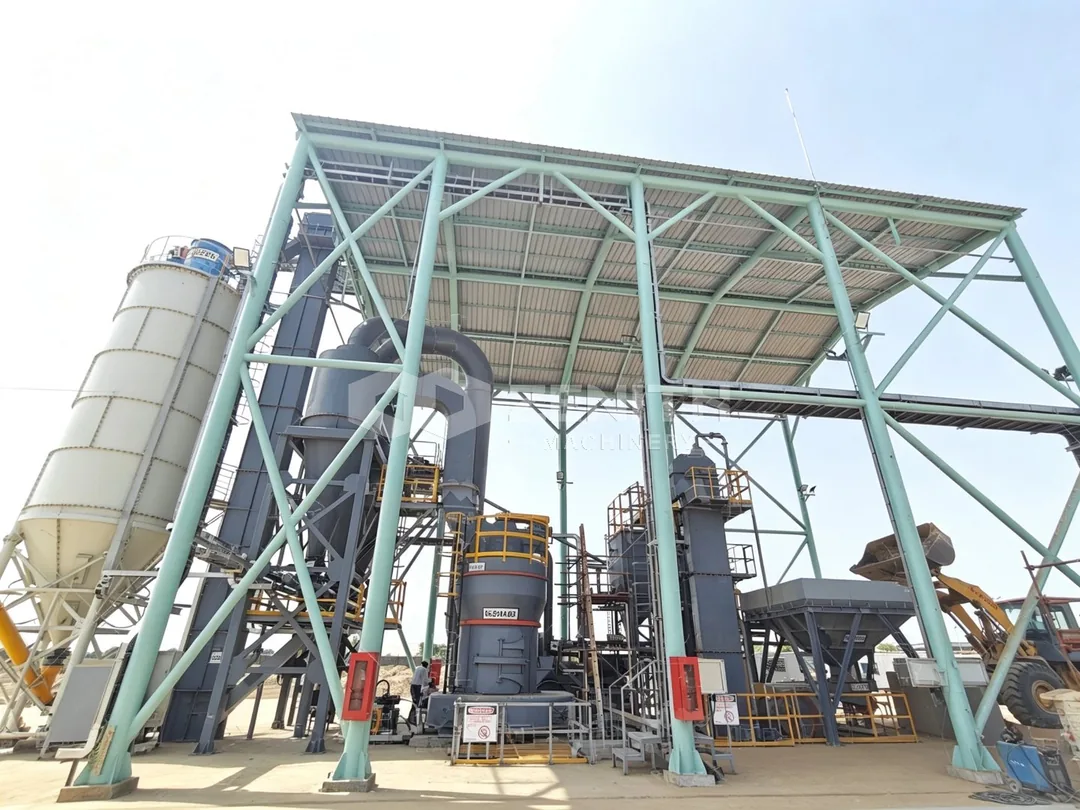
Imported raw materials often require dedicated storage, handling, and grinding systems. The LM1300 adopts a compact, integrated design that occupies about 50% of the footprint of a traditional ball mill system. For Australian plants located near port terminals—where space is at a premium—this is a huge advantage. The mill can be arranged in the open air with minimal civil works, reducing total project investment.
3. High Degree of Automation
Australian labor costs are high, and skilled operators are scarce. The LM1300 is equipped with an automatic control system that allows remote or local switching. Operators can monitor and adjust parameters such as grinding pressure, classifier speed, and feed rate from a central control room. With a fully automated system, one operator can manage multiple mills, cutting labor costs significantly.
4. Environmentally Friendly Operation
Environmental regulations in Australia are stringent, especially near residential or port areas. The LM1300 operates under negative pressure with a sealed system, meaning no dust spillover. Vibration is low, noise levels are reduced, and the integrated pulse dust collector ensures that emissions meet the strictest environmental standards. This makes the mill a good neighbor in any industrial zone.
_1784744818510.jpg)
How the LM1300 Processes Imported Port Raw Materials
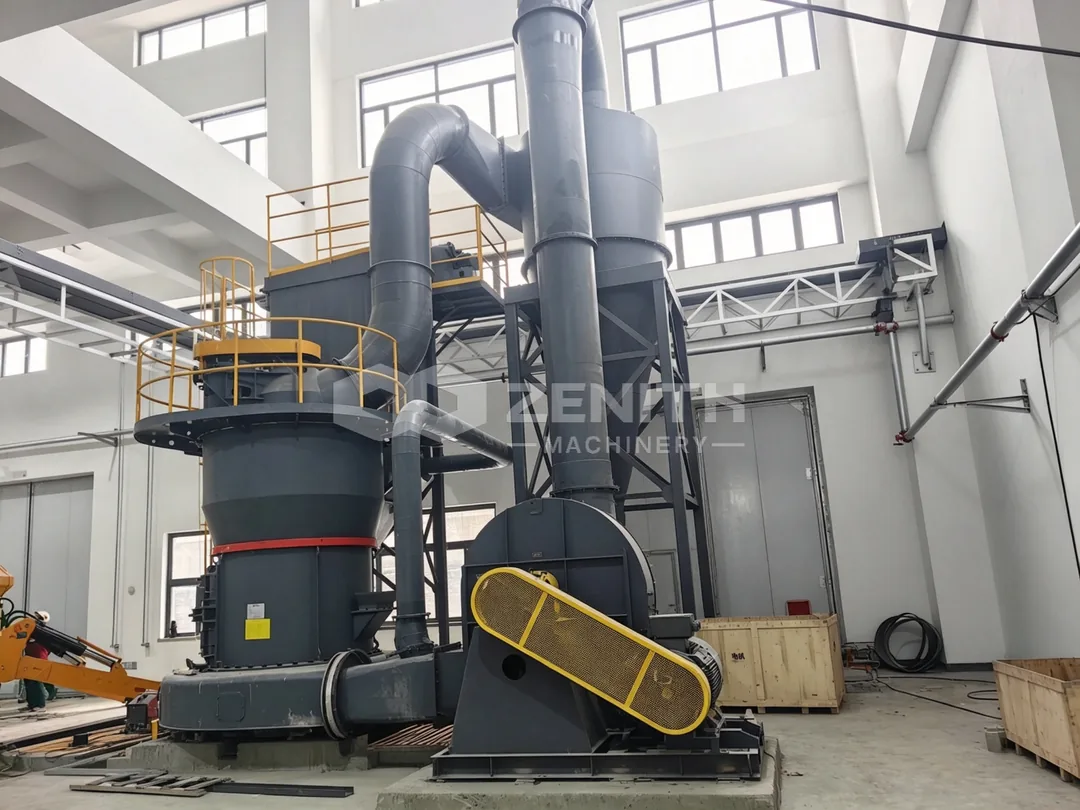
The working principle of the LM1300 is straightforward yet efficient. The main motor drives the grinding disc via a reducer, while hot air (if needed for drying) enters the chamber. Imported raw materials are fed into the center of the disc, where centrifugal force spreads them outward. As the material passes under the rollers, it is crushed, forming a material bed that promotes inter‑particle crushing—ideal for achieving the uniform particle size distribution required for 325‑mesh glaze.
Crushed material moves to the disc’s edge, where airflow carries it upward to the dynamic classifier. Coarse particles fall back to the grinding disc for further reduction, while fine powder (325 mesh and finer) passes through and is collected in the cyclone and pulse dust collector. Iron debris, if present in imported raw materials, falls into a lower cavity and is automatically discharged, preventing contamination. The system operates under both positive and negative pressure, ensuring stable air flow and consistent product quality.
Comparison with Other Mills for 325‑Mesh Glaze
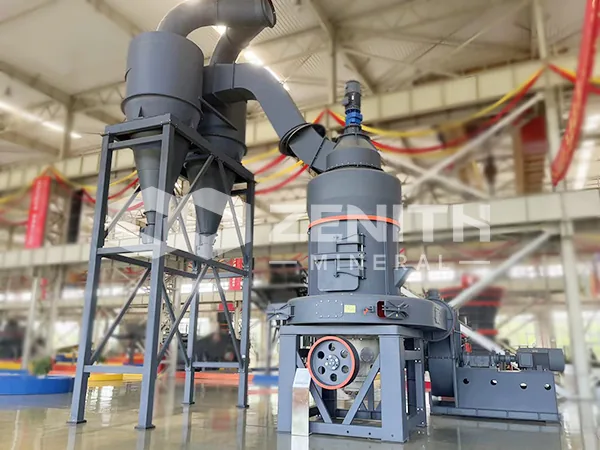
While ZENITH offers several mill types, the LM1300 stands out for ceramic glaze raw material processing. Compared to ball mills, it consumes 60% less energy under ideal conditions. Compared to Raymond mills, it offers higher capacity and better fineness control. And compared to ultrafine mills like the LUM series, the LM1300 is better suited for the 80‑400 mesh range—exactly where 325‑mesh lies. For Australian plants that process large volumes of imported materials (e.g., 20‑50 tons per hour), the LM1300’s capacity range (3‑340 T/H) provides plenty of headroom.
_1784744818512.jpg)
Real‑World Application in Australia
In 2023, a major ceramic glaze producer in New South Wales upgraded their grinding line with two LM1300 mills to process imported feldspar and quartz arriving at Port Botany. Before the upgrade, they used a ball mill that required frequent maintenance, produced inconsistent fineness, and consumed excessive power. After switching to the LM1300, they achieved a consistent D97 < 45 microns (325 mesh) with a capacity of 25 T/H per mill. Energy consumption dropped by over 55%, and downtime for roller replacement was reduced to just a few hours thanks to the hydraulic flip‑out design. The plant now runs 24/7 with only two operators per shift, and the product whiteness increased by 3% due to lower iron pickup.
Conclusion
For Australian ceramic glaze manufacturers using imported port raw materials, the LM1300 vertical roller mill offers a compelling combination of high purity, low investment, automation, and environmental compliance. It’s not just a piece of equipment—it’s a complete solution designed for the realities of modern mineral processing. Whether you’re starting a new plant or upgrading an existing one, the LM1300 deserves serious consideration.
Frequently Asked Questions (FAQ)
-
Can the LM1300 process raw materials with high moisture content from port storage?
Yes. The LM1300 can be equipped with a hot air system to dry materials during grinding. Moisture up to 10‑15% can be handled without pre‑drying, making it suitable for raw materials that have been exposed to humidity during shipping and storage. -
What is the typical maintenance schedule for the LM1300?
The grinding rollers and liner are the main wear parts. Under normal conditions with 325‑mesh ceramic glaze feed, roller replacement is needed every 6‑12 months, depending on material abrasiveness. The hydraulic system allows rollers to be flipped out for quick replacement, usually within 8 hours. Daily checks include lubrication levels and classifier bearing temperature. -
How does the LM1300 ensure consistent 325‑mesh fineness?
The dynamic classifier is equipped with a variable‑frequency drive (VFD) that adjusts rotor speed in real time. The automatic control system maintains the selected fineness by balancing grinding pressure and feed rate. A particle size analyzer can be integrated for closed‑loop control. -
Is the LM1300 suitable for other raw materials besides feldspar and quartz?
Absolutely. The LM1300 is designed for a wide range of non‑metallic minerals, including limestone, talc, barite, kaolin, dolomite, gypsum, and wollastonite. For ceramic glaze, it handles all common raw materials such as feldspar, quartz, kaolin, and calcium carbonate. -
What kind of electrical and civil works are required for installation?
The LM1300 requires a standard 380‑480V, 3‑phase power supply. The foundation is a reinforced concrete pad about 100‑150 m², significantly smaller than a ball mill plant. The mill can be placed outdoors with a simple roof cover, reducing civil costs. -
How does the LM1300 handle iron contamination from imported raw materials?
The mill’s design includes a dedicated slag discharge port in the lower cavity. Iron particles, being heavier, fall down and are scraped out automatically. Additionally, the grinding rollers and table are made of high‑chromium alloy with minimal iron transfer to the product. For extra protection, a magnetic separator can be installed before the mill. -
What after‑sales support does ZENITH offer in Australia?
ZENITH has a regional office in Melbourne and a service network covering all major Australian cities. We provide on‑site commissioning, operator training, and a 12‑month warranty on parts. Spare parts for the LM1300 are stocked in Sydney and can be delivered within 48 hours.
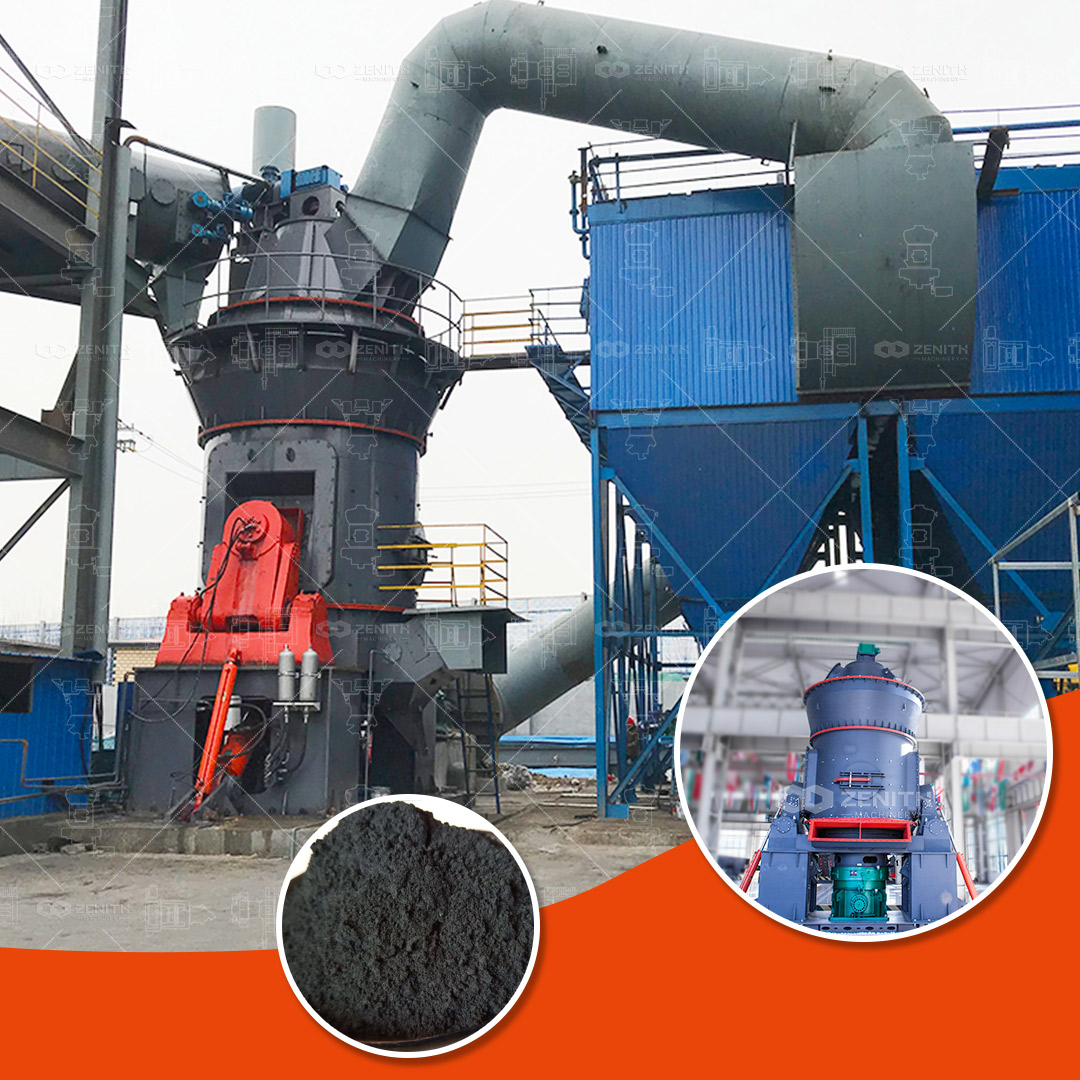
Note: All images are for illustrative purposes only. Actual product may vary.