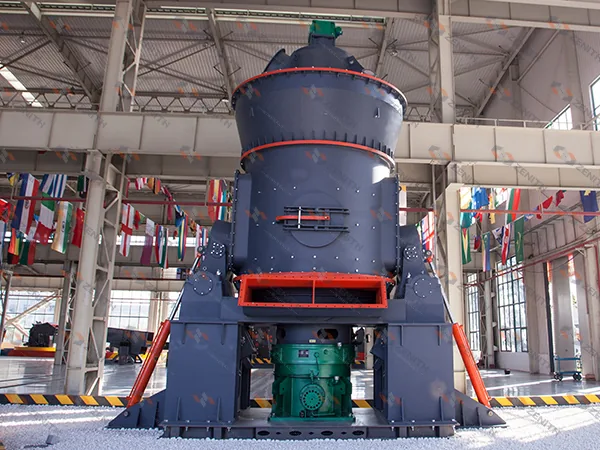
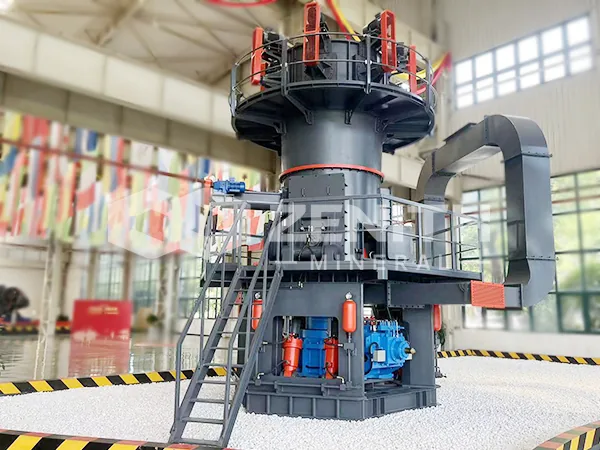
Mtw205 european grinding mill for blast furnace dust 385 mesh flue gas denitrification in montevideo, uruguay
2026-07-26 02:23:56
In the industrial heart of Montevideo, Uruguay, steel producers face two converging challenges: managing the massive volumes of blast furnace dust generated daily, and meeting increasingly stringent flue gas denitrification (DeNOx) regulations. Blast furnace dust, rich in iron oxides, carbon, and trace heavy metals, has traditionally been landfilled or recycled into sinter plants—but its potential as a cost-effective DeNOx catalyst or adsorbent is now being unlocked through advanced fine grinding. Enter the MTW205 European Trapezium Mill from Shanghai Zenith Machinery Co., Ltd., a machine engineered to transform this industrial byproduct into a 385-mesh ultrafine powder that serves as a high-performance reagent for selective catalytic reduction (SCR) systems. This article explores how this grinding solution is reshaping emission control in South America's steel sector.
Why Blast Furnace Dust for Denitrification?
Blast furnace dust contains 20–40% Fe₂O₃ (hematite) and 10–20% Fe₃O₄ (magnetite), both known for catalytic activity in DeNOx reactions. When ground to below 385 mesh (approximately 38 μm), the specific surface area increases dramatically, enhancing the contact between dust particles and NOₓ molecules. Studies have shown that such fine powders can achieve NOₓ reduction efficiencies of 70–85% when injected into flue gas streams at 300–400°C. In Montevideo, where older steel plants operate with limited space and budget, repurposing onsite waste as a denitrification agent eliminates raw material procurement costs and reduces landfill liabilities.
MTW205: Engineered for Tough Industrial Byproducts
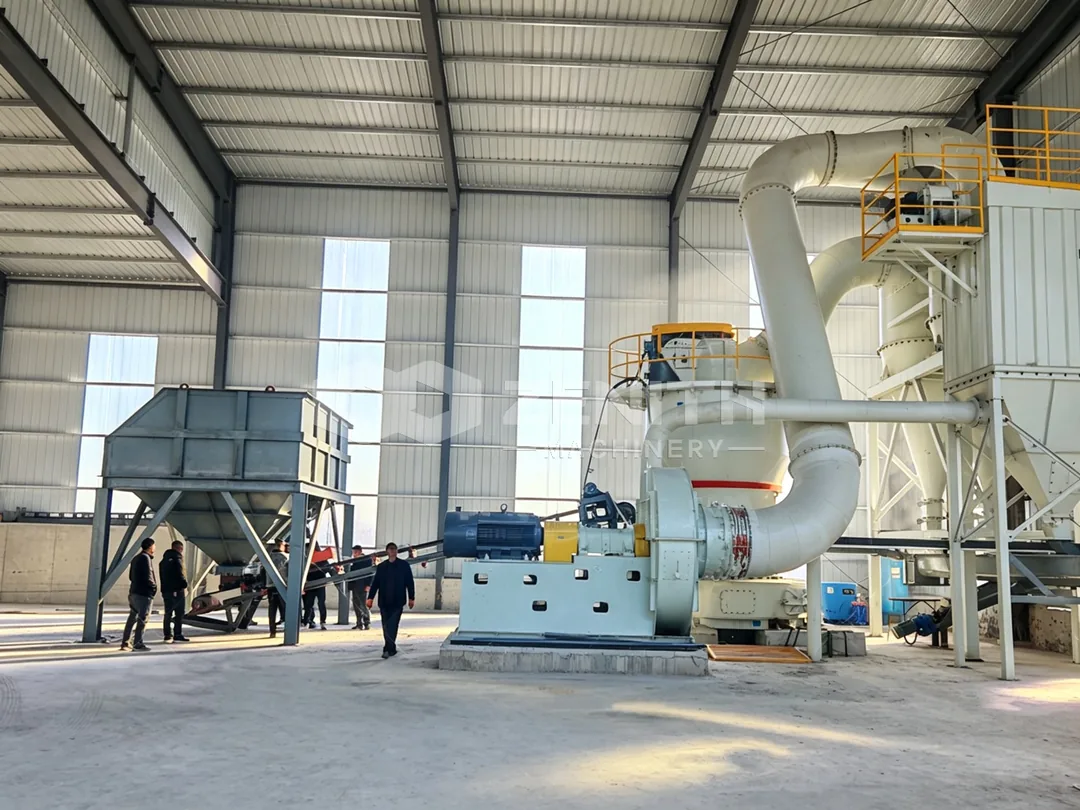
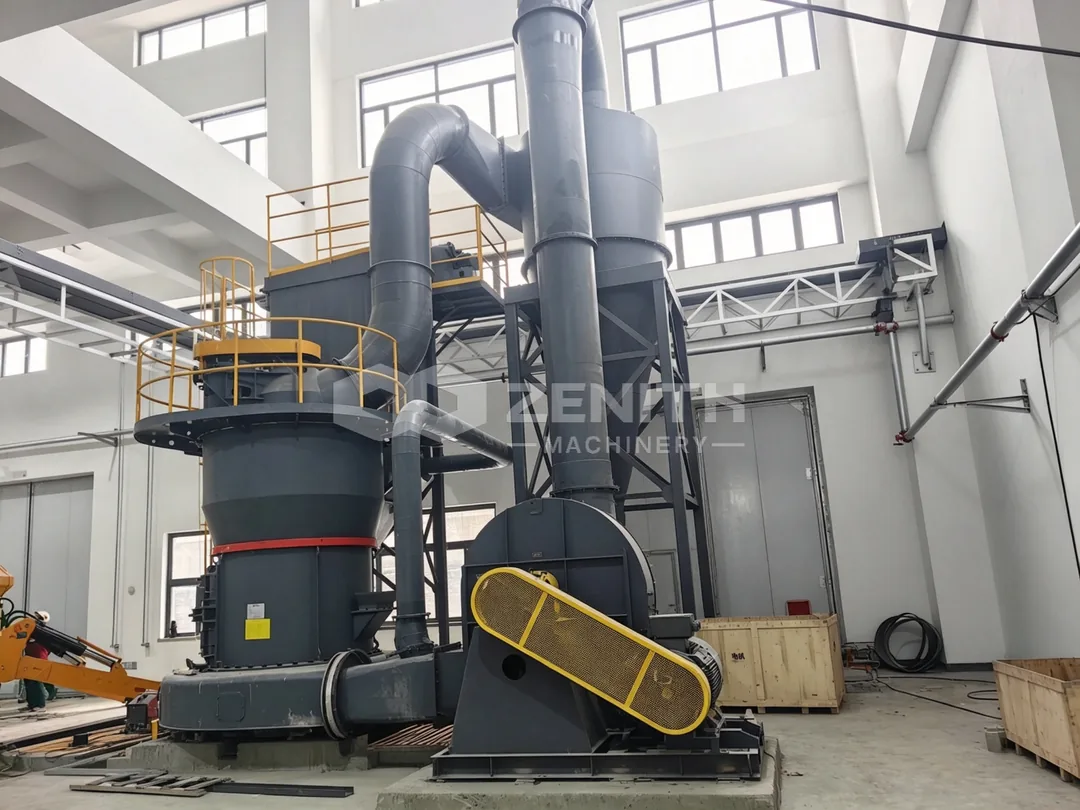
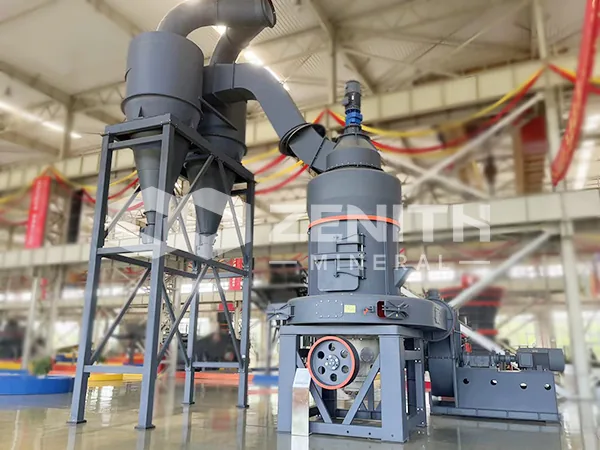
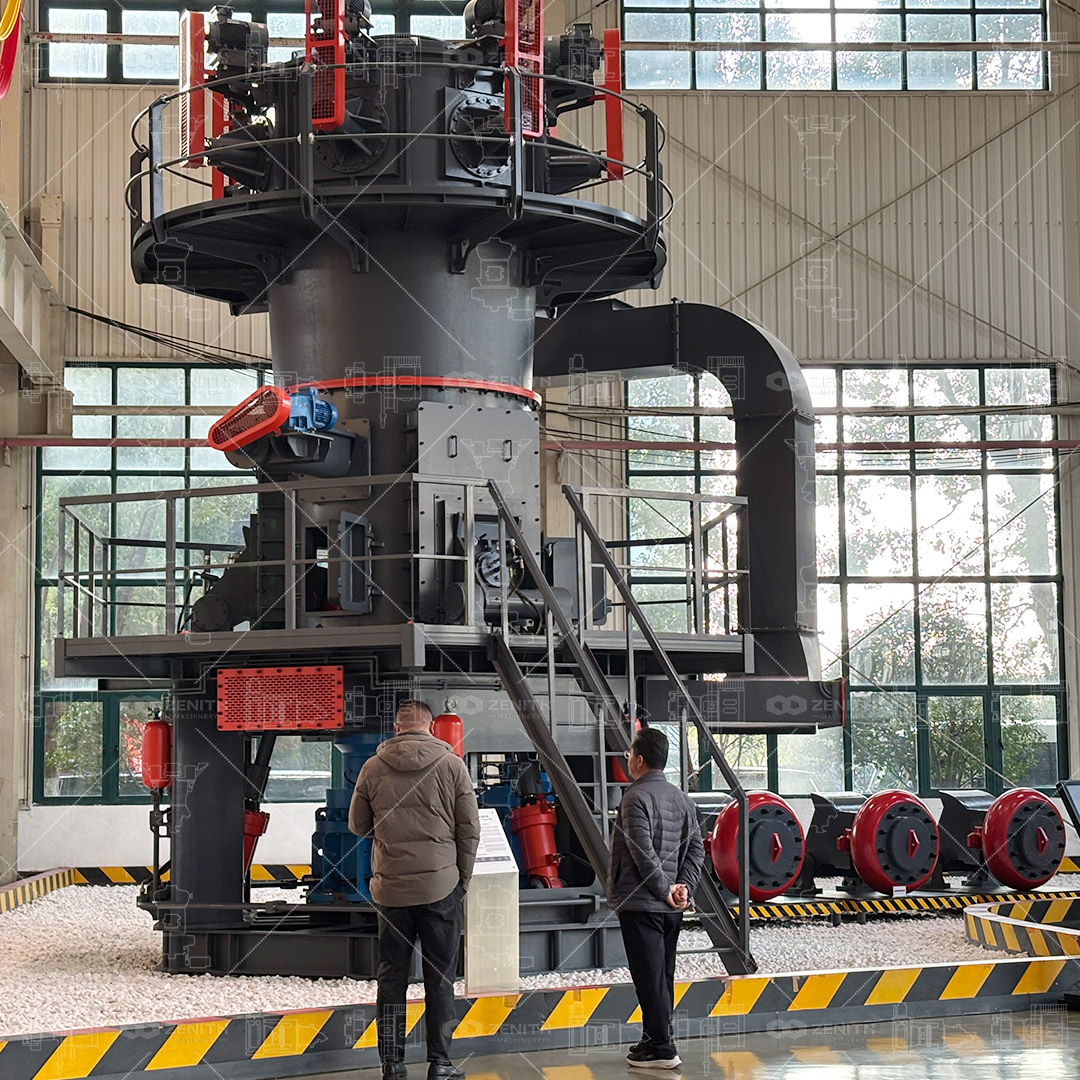
The MTW205 is the flagship model of Zenith's European Trapezium Mill series, designed to handle feed sizes up to 35 mm and produce a consistent 80–400 mesh product—with the 385 mesh target falling squarely in its sweet spot. Rated at a capacity of 3–22 T/H (the 205 model typically operates at 10–15 T/H for blast furnace dust), this mill delivers the throughput needed for continuous industrial DeNOx operations. Its trapezoidal grinding rollers and ring, crafted from high-chrome alloy, withstand the abrasive nature of dust containing silica and unburned carbon, ensuring long service intervals even under 24/7 operation.
Key Performance Advantages
- 60% Lower Energy Consumption vs. Ball Mills: The MTW205's innovative grinding principle reduces power draw to just 40% of a comparable ball mill system. For a Montevideo plant running 8,000 hours/year, this translates to annual savings of over 200,000 USD in electricity costs.
- Modular Impeller for Fineness Adjustment: Operators can switch between 200 mesh (for coarser DeNOx applications) and 400 mesh (for high-surface-area catalysis) simply by changing the classifier impeller—no mechanical modifications required. This flexibility is critical when seasonal emission limits tighten.
- High Induced Air Efficiency (85%): A redesigned impeller fan boosts air induction from 62% to 85%, ensuring adequate negative pressure inside the grinding chamber to evacuate fine particles rapidly. This minimizes recirculation load and prevents over-grinding, which would degrade catalytic activity.
System Integration and Environmental Compliance
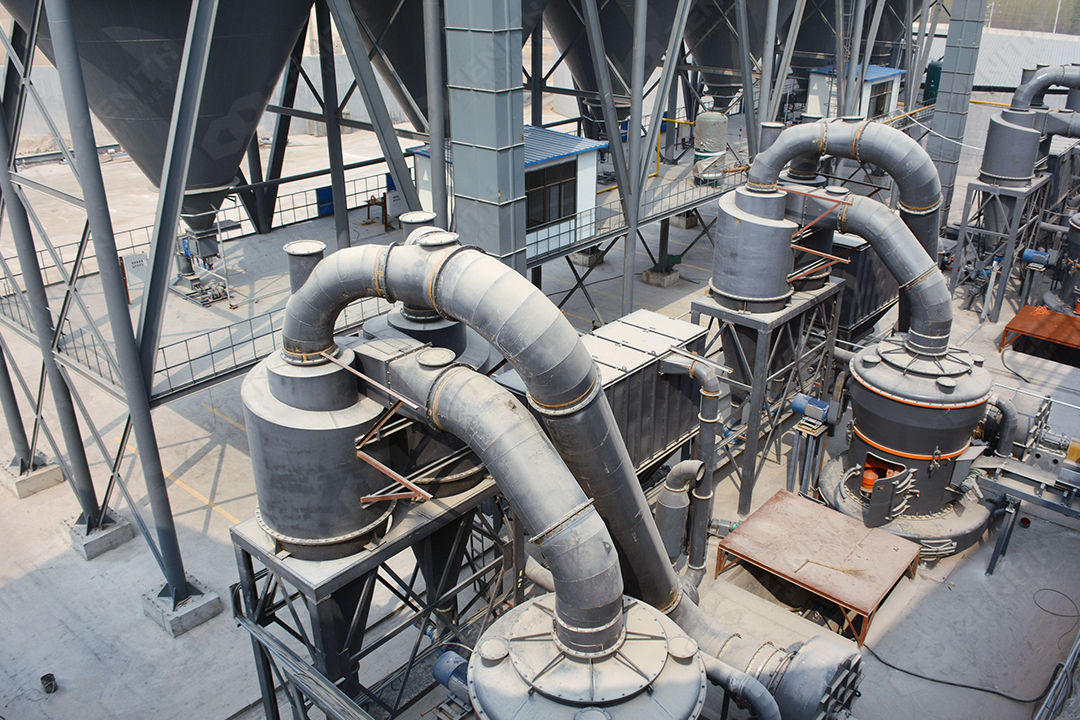
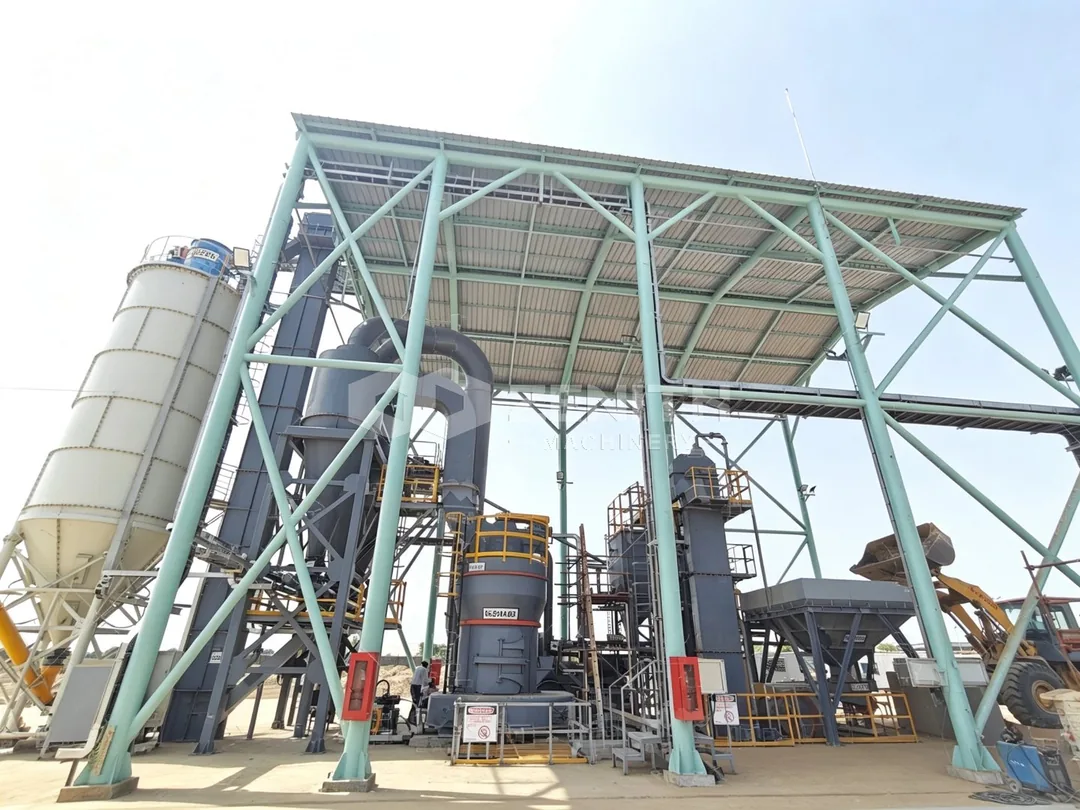
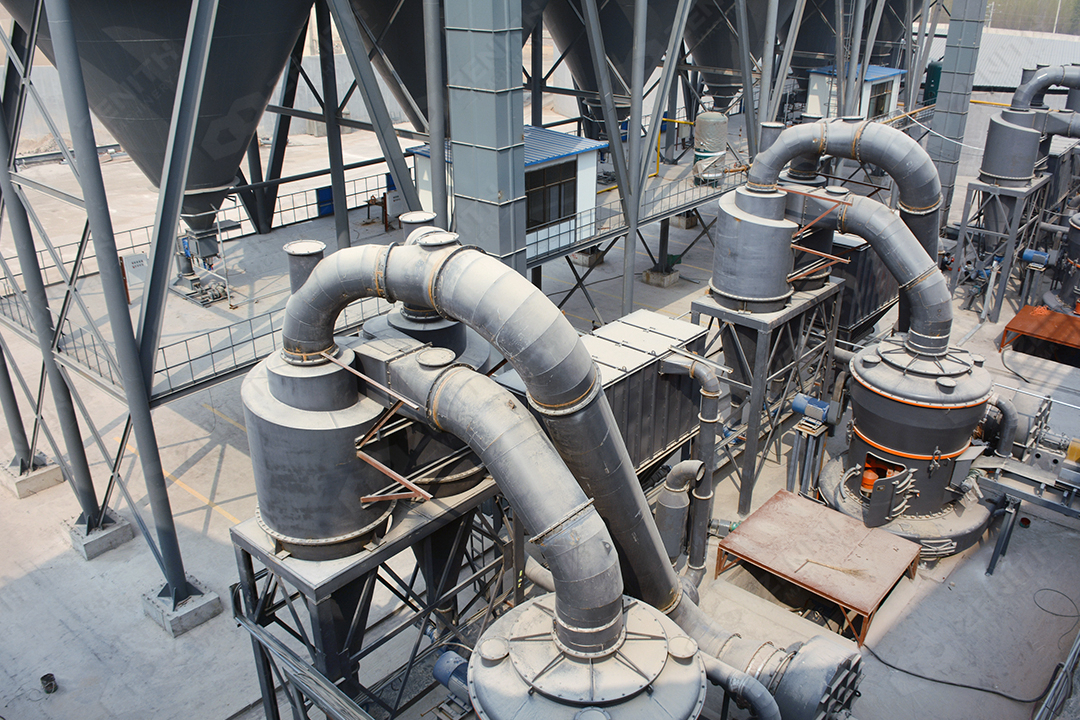
The MTW205 operates as a closed-loop system under positive and negative pressure. Blast furnace dust is first crushed in a hammer mill (to <35 mm) and fed via a variable-frequency belt feeder into the main grinding chamber. Ground material is swept by the fan into a high-efficiency cyclone separator and a pulse-jet baghouse dust collector, achieving >99.9% collection efficiency. Clean air is recirculated or vented, meeting Uruguay's environmental standards (Decree 135/2018). The collected 385 mesh powder is then pneumatically conveyed to a storage silo and injected into the flue gas duct using an eductor system.
Importantly, the entire line—from raw dust receiving to finished powder storage—occupies only 50% of the footprint of a traditional ball mill plant. For Montevideo's cramped industrial sites, this compact design allows retrofitting into existing buildings without new construction permits.
Case in Point: A Montevideo Steel Mill
_1785003835994.jpg)
Consider a typical 500,000 TPY steel mill in the Cerro district of Montevideo. Previously, the plant generated 12,000 tons of blast furnace dust annually, spending $180,000 on landfill disposal and $250,000 on commercial vanadium-based DeNOx catalysts. After installing an MTW205 (with a dedicated 600 kW motor), the mill processes 8 tons of dust per hour for 16 hours/day, producing 128 tons/day of 385 mesh powder. This powder replaces 60% of the commercial catalyst, reducing yearly catalyst costs by $150,000. The elimination of landfill fees saves another $180,000. Net annual savings: approximately $330,000—and the mill pays for itself in under 18 months.
Beyond Blast Furnace Dust: Versatility of the MTW Series
While this article focuses on DeNOx applications, the MTW205's modular design makes it equally suited for grinding limestone (for desulfurization), coal (for power generation), and various industrial minerals. In Montevideo, several plants are exploring co-grinding blast furnace dust with a small percentage of hydrated lime to enhance the alkaline buffer capacity of the DeNOx agent. The MTW's adjustable fineness allows this blend to be optimized without additional equipment.
Global Experience, Local Support
Zenith has installed over 2,000 MTW series mills across 180+ countries, with dedicated service centers in Brazil and Argentina providing rapid spare parts dispatch to Uruguay. The mill's robust construction—featuring a cast steel gearbox, SKF bearings, and a Siemens PLC control panel—minimizes unplanned downtime. Remote monitoring capabilities allow Zenith engineers in Shanghai to diagnose performance issues in real time, a critical advantage for Montevideo plants that cannot afford production halts.
_1785003835999.jpg)
Conclusion
For steel producers in Montevideo seeking to transform an environmental liability into a competitive advantage, the MTW205 European Trapezium Mill offers a proven path. By grinding blast furnace dust to 385 mesh with 60% less energy than traditional mills, while occupying minimal floor space and meeting rigorous emission standards, this Zenith solution aligns economic and ecological imperatives. As flue gas denitrification regulations in Uruguay tighten, the ability to produce high-surface-area DeNOx agents onsite will become not just an option but a necessity. The MTW205 delivers that capability today.
Frequently Asked Questions (FAQ)
1. Can the MTW205 handle blast furnace dust with high moisture content?
Yes. The MTW system includes an optional hot air duct (up to 350°C) that can dry materials with moisture up to 15% during grinding. For blast furnace dust (typically 2–5% moisture), no additional drying is needed under normal conditions.
2. What is the expected wear life of grinding rollers when processing blast furnace dust?
With high-chrome alloy rollers and rings, typical service life is 4,000–6,000 operating hours for blast furnace dust (Mohs hardness ~5–6). Regular inspection and timely rotation of roller segments can extend this by 20%.
3. Does the 385 mesh product require further classification before injection into the flue gas?
No. The MTW205's built-in impeller classifier ensures that >95% of the finished powder passes 385 mesh. A downstream pneumatic conveying system with a rotary valve and eductor can directly inject the powder into the flue gas duct without additional sieving.
4. How does the MTW205 compare to a vertical roller mill (VRM) for this application?
While VRMs excel at large-scale grinding (e.g., >50 TPH), the MTW205's trapezium design offers better energy efficiency at smaller capacities (3–22 TPH). For a Montevideo steel mill's typical 10–15 TPH requirement, the MTW205 saves 15–20% in power compared to a comparable VRM and has a 30% lower initial investment cost.
5. Can the same mill grind other materials for DeNOx, such as activated carbon or iron oxide?
Absolutely. The MTW205's modular impeller allows quick changeover between materials. However, when switching from abrasive blast furnace dust to softer activated carbon, we recommend cleaning the chamber and replacing the grinding rollers if significant wear has occurred to maintain particle size distribution.
6. What after-sales support does Zenith offer in Uruguay?
Zenith maintains a regional stock of spare parts in Buenos Aires, Argentina (just 200 km from Montevideo). A certified service technician can be on-site within 48 hours. All mills come with a 12-month warranty covering defects in materials and workmanship, and extended service contracts are available.
7. Is it possible to retrofit an MTW205 into an existing plant without stopping production?
Yes. The mill is delivered as modular skids that can be assembled adjacent to the existing dust collection system. Typical installation takes 10–14 days with a 4-person crew from Zenith. Interconnections to the pneumatic conveying line can be made during a scheduled 24-hour shutdown, minimizing production loss.