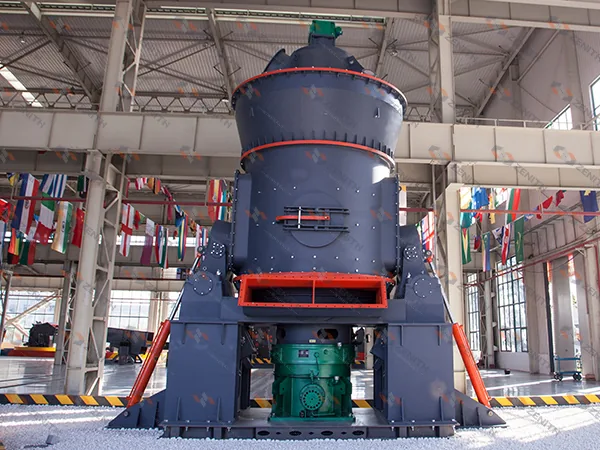
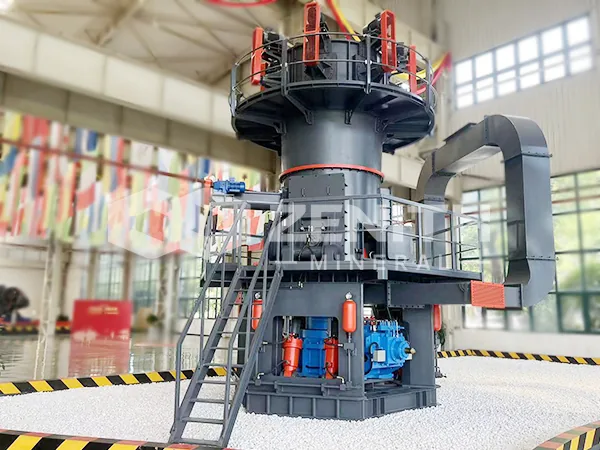
Lm1700 vertical roller mill for calcite 1000 mesh 25 tph silicone foam filler in ankara, turkey
2026-07-10 02:25:22
In the heart of Ankara, Turkey, a new industrial benchmark is being set for the production of high-performance silicone foam fillers. At the center of this operation is the LM1700 vertical roller mill, a state-of-the-art grinding solution from Shanghai Zenith Machinery Co., Ltd., designed to process calcite to an ultra-fine 1000 mesh at a capacity of 25 tons per hour. This article explores the technical intricacies, operational advantages, and real-world applications of this powerful machine, offering insights for plant managers, engineers, and procurement specialists seeking to optimize their mineral processing lines.
_1783621522060.jpg)
Why Calcite for Silicone Foam Fillers?
Calcite, a naturally occurring form of calcium carbonate, is a preferred filler material in silicone foam production due to its low abrasiveness, high brightness, and ability to enhance thermal stability. When ground to 1000 mesh (approximately 13 microns), calcite particles integrate seamlessly into the silicone matrix, improving foam cell structure and mechanical strength. The demand for such specialized fillers is growing rapidly in Turkey's automotive, construction, and packaging sectors, making the LM1700 an ideal investment for companies looking to capture market share.
The LM1700: A Technical Overview
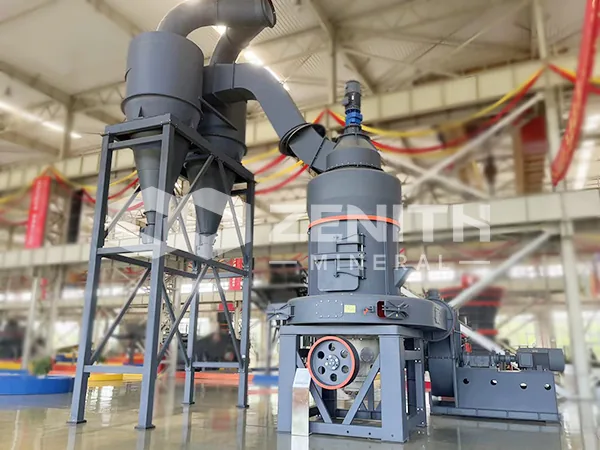
The LM1700 vertical roller mill (VRM) belongs to Zenith's acclaimed LM series, known for 24-hour continuous operation, high automation, and exceptional product purity. Key specifications for this application include:
- Capacity: 25 TPH (achieved with calcite of 0-70mm feed size)
- Output fineness: 1000 mesh (D97 < 13 microns)
- Motor power: 1,700 kW (main motor)
- System type: Closed-circuit with dynamic classifier
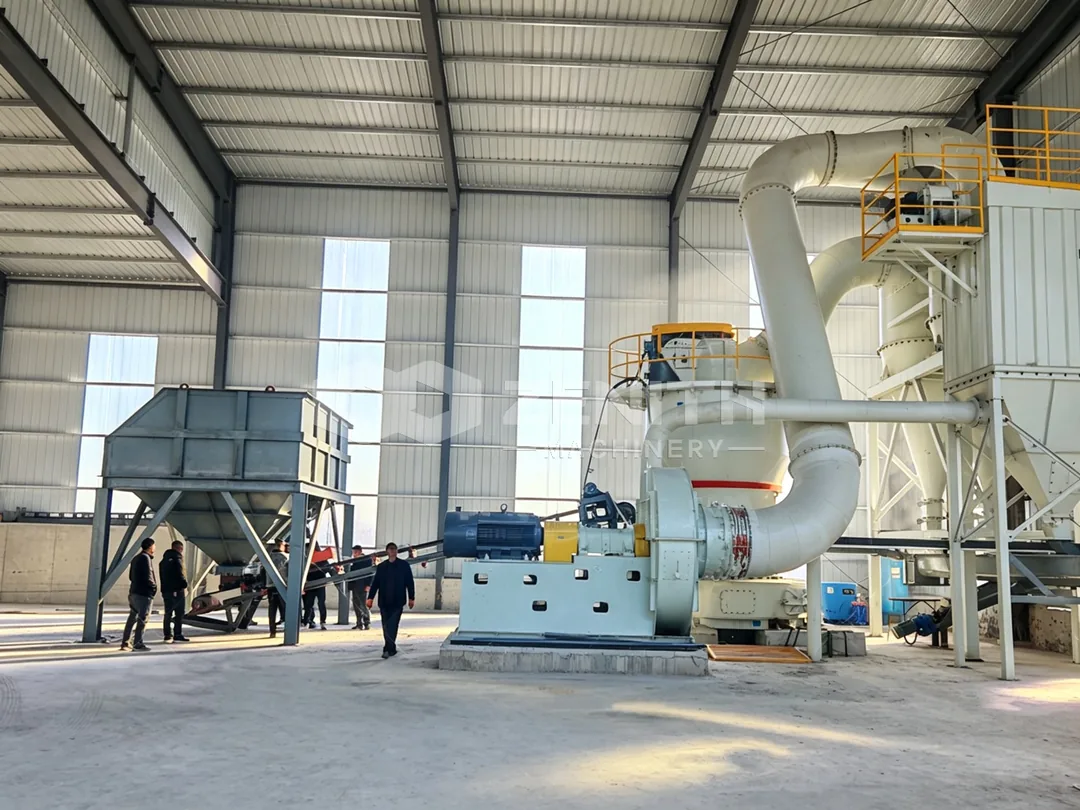
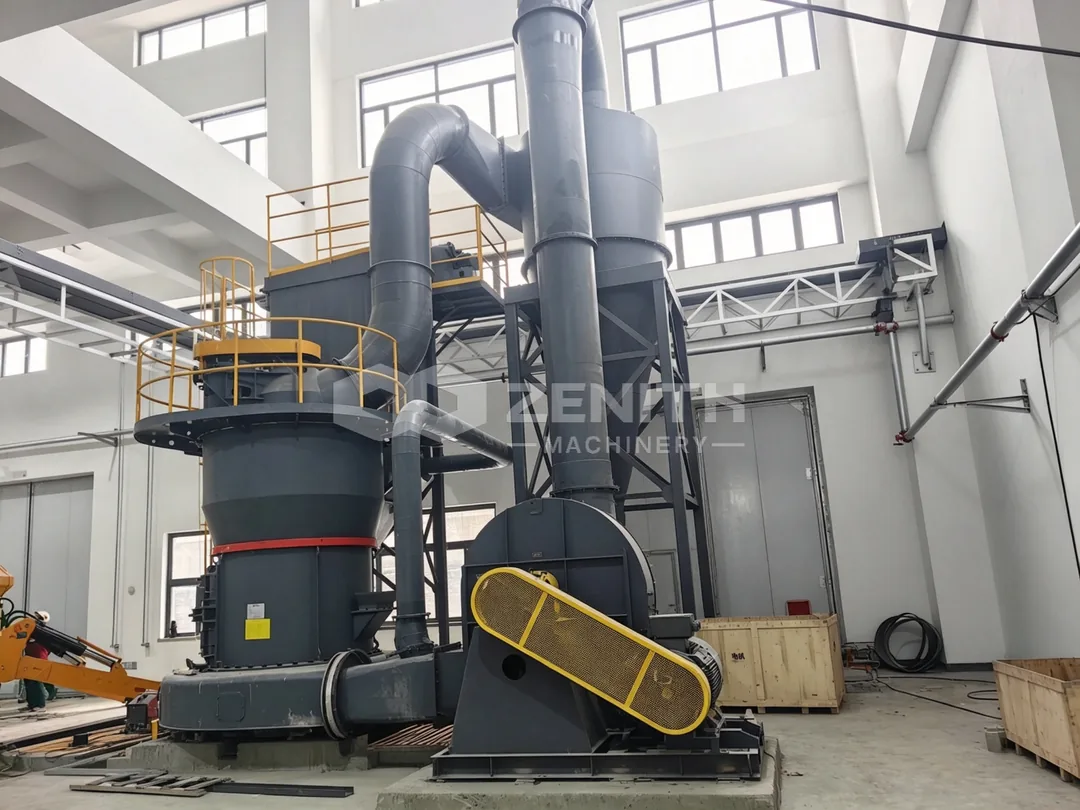
The mill operates on the principle of material bed grinding. Calcite is fed onto the rotating grinding disc, where centrifugal force moves it outward beneath the grinding rollers. The rollers, equipped with wear-resistant carbide coatings, crush the material against the disc via hydraulic pressure. Hot air from the system dries and conveys the pulverized material upward to an integrated dynamic classifier, which ensures only particles finer than 1000 mesh pass through to the cyclone collector. Coarse particles are returned to the disc for further reduction.
_1783621522088.jpg)
Advantages for Silicone Foam Filler Production
1. High Purity and Controlled Iron Content
Silicone foam applications demand minimal metallic contamination to avoid catalyzing unwanted reactions. The LM1700's design minimizes metal-to-material contact; grinding rollers and disc liners are made from high-chrome alloy or ceramic materials, reducing iron pickup to less than 10 ppm. This purity is critical for maintaining the dielectric and thermal properties of the final foam product.
2. Energy Efficiency Compared to Ball Mills
While ball mills are traditional for calcite grinding, their energy consumption is notoriously high. The LM1700 consumes up to 60% less energy than a ball mill of equivalent capacity, thanks to the VRM's efficient material bed grinding mechanism. For a 25 TPH operation, this translates to savings of approximately 4,500 MWh annually, significantly lowering operational costs and carbon footprint.
3. Compact Footprint and Reduced Civil Works
The LM1700 integrates grinding, classification, and material handling into a single vertical structure. Compared to a ball mill system, the floor area required is about 50% smaller. In Ankara, where industrial land prices are rising, this compactness allows plant designers to maximize space utilization. Additionally, the mill can be placed outdoors with minimal enclosure, further reducing building costs.
4. Fully Automatic Operation
Zenith equips the LM1700 with a PLC-based control system that manages feed rate, roller pressure, classifier speed, and air temperature. Operators can switch between remote and local control, reducing the need for on-site personnel. In Ankara's competitive labor market, this automation lowers staffing costs by up to 40% compared to manual grinding plants.
Case Study: Implementation in Ankara
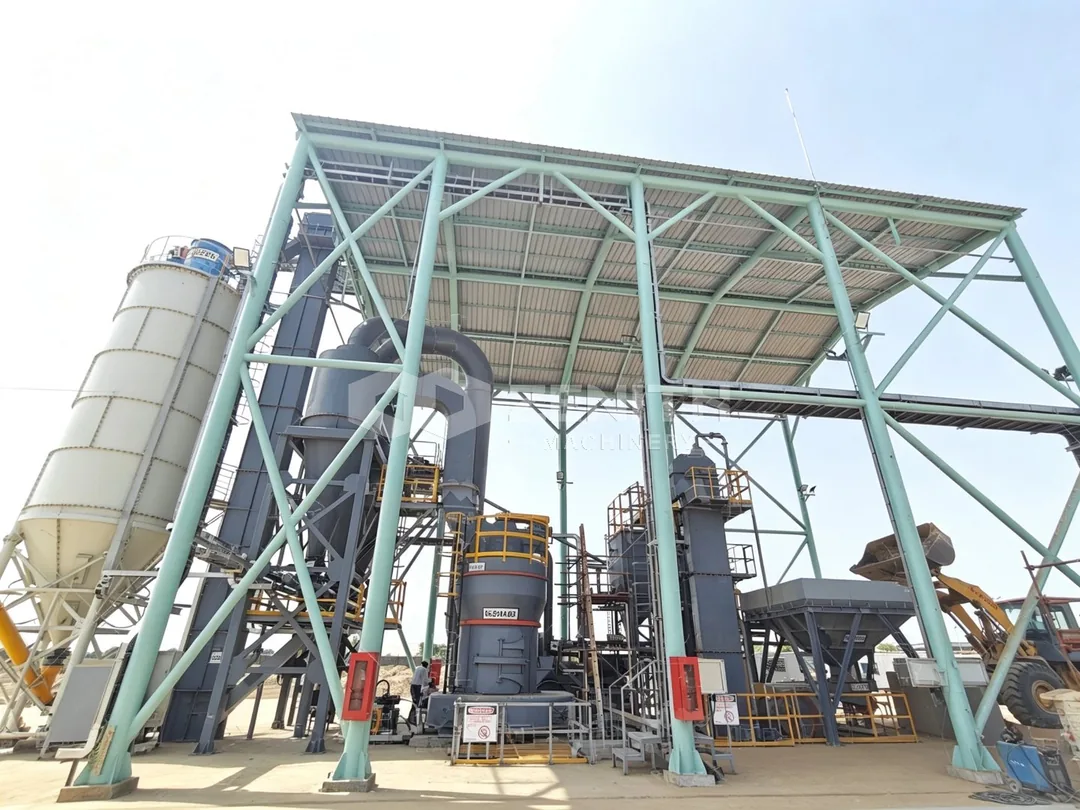
A leading Turkish filler producer recently installed two LM1700 mills at their Ankara facility. The plant processes local Beypazarı calcite ore, which has an average hardness of 3 on Mohs scale and a calcium carbonate content of 98.5%. After installation, the mill achieved 25 TPH output at 1000 mesh within the first week of commissioning. The produced powder is directly blended with silicone base polymers and foaming agents, yielding a uniform foam filler that meets ISO 9001 quality standards. Annual production capacity increased by 300%, while energy cost per ton dropped by 55%.
Maintenance and Service Support
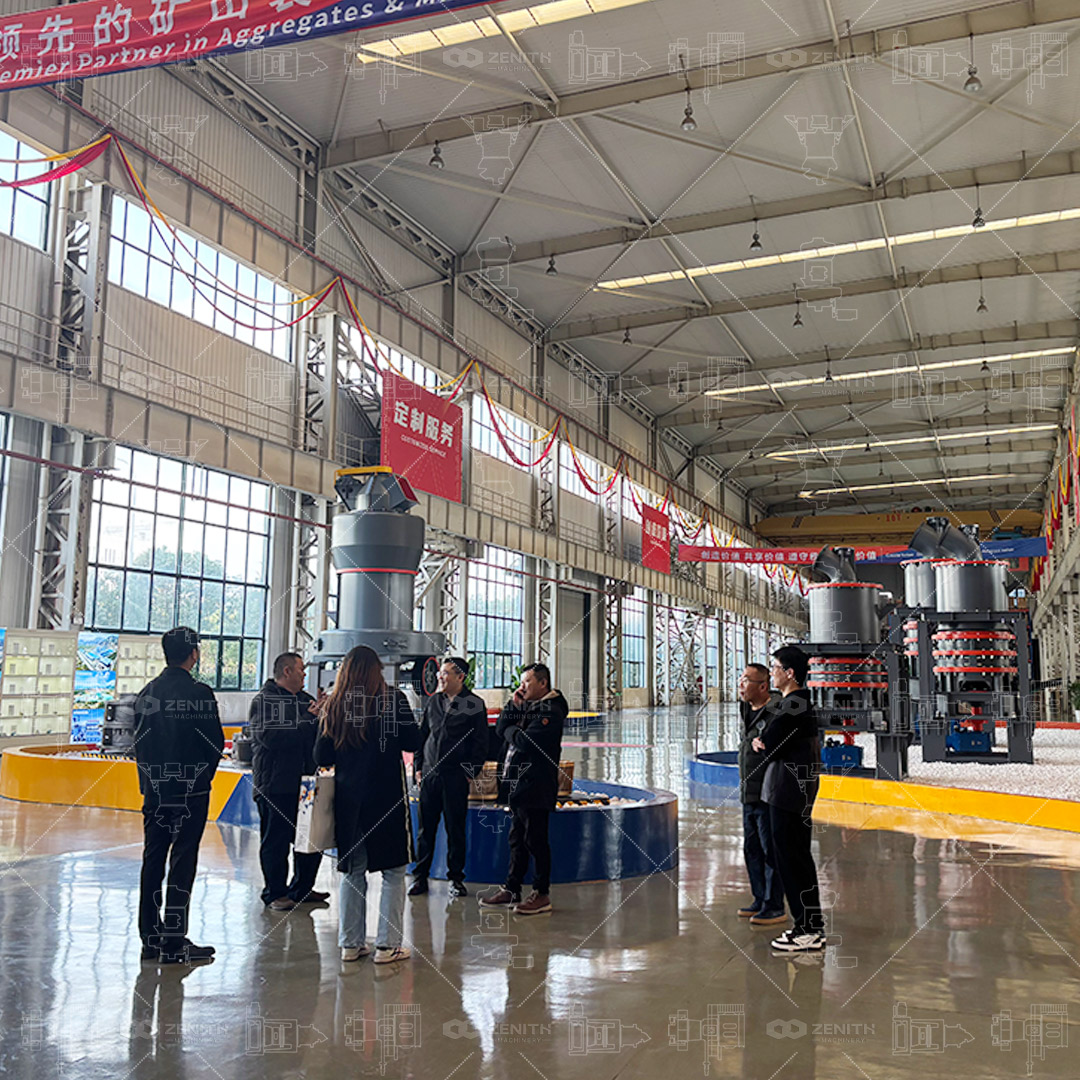
Zenith provides comprehensive after-sales support for Turkish customers through its regional office in Istanbul. Key maintenance features of the LM1700 include:
- Hydraulic roller flipping system: Allows roller sleeves to be replaced without crane assistance, reducing downtime by 70%.
- Predictive bearing temperature monitoring: Sensors alert operators before failures occur.
- Quarterly inspections: Zenith engineers visit the Ankara site to optimize classifier settings for consistent 1000 mesh output.
Environmental Performance
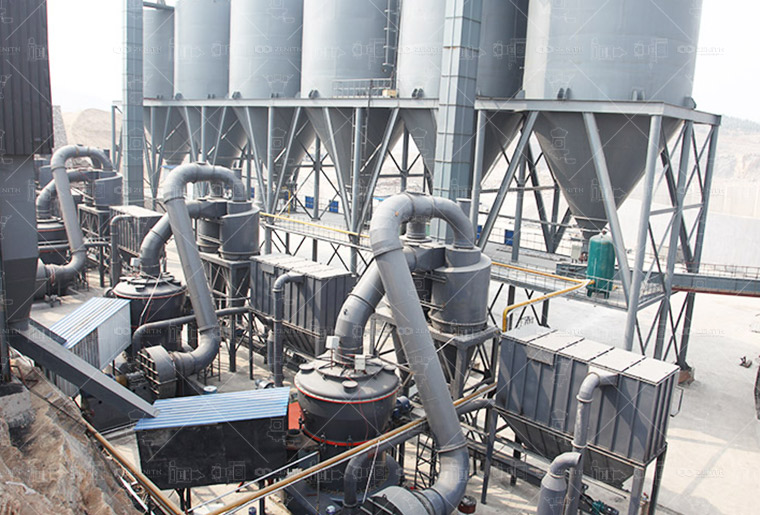
The LM1700 operates under negative pressure with a sealed housing, virtually eliminating dust emissions. A pulse-jet bag filter collects 99.9% of particulate from the exhaust air, meeting Turkey's stringent environmental regulations for industrial plants. Additionally, the low noise level (below 85 dBA at 1 meter) makes it suitable for urban or semi-urban locations like Ankara's industrial zones.
Conclusion
The LM1700 vertical roller mill represents a paradigm shift in calcite grinding for silicone foam fillers. Its combination of high capacity (25 TPH), ultra-fine output (1000 mesh), energy efficiency, and automated operation make it the optimal choice for forward-looking manufacturers in Ankara. By choosing Zenith's proven technology, Turkish processors can achieve superior product quality, lower costs, and a sustainable production model that aligns with global industry trends.
_1783621522104.jpg)
Frequently Asked Questions (FAQ)
Q1: Can the LM1700 produce fineness other than 1000 mesh?
A: Yes. The LM1700's dynamic classifier can be adjusted to produce fineness ranging from 80 to 400 mesh (standard) or, with optional high-speed classifier, up to 1000 mesh. For 1000 mesh, the classification rotor must operate at higher peripheral speed (around 80 m/s).
Q2: What is the moisture content limit for calcite fed into the mill?
A: The LM1700 can handle feed materials with up to 6% surface moisture. For Ankara's calcite, which typically has 2-3% moisture, no pre-drying is needed. Higher moisture requires a hot gas generator to maintain outlet temperature above 90°C.
Q3: How often do grinding rollers need replacement?
A: With proper operation, the roller sleeves and disc liners last approximately 6,000 to 8,000 operating hours when grinding calcite. This equates to roughly 18 months of two-shift operation. Zenith offers quick-change kits that reduce replacement time to one 8-hour shift.
Q4: Is the LM1700 suitable for other fillers like talc or dolomite?
A: Absolutely. The LM1700 is widely used for talc, dolomite, marble, and limestone. For harder materials like dolomite (Mohs 3.5-4), the grinding pressure and classifier speed are adjusted accordingly. The mill's hydraulic system allows on-the-fly parameter changes.
Q5: What are the electrical requirements for installation in Ankara?
A: The LM1700 requires a 6.3 kV, 50 Hz, three-phase power supply with a dedicated transformer of at least 2,500 kVA. Zenith provides full electrical schematics and can recommend local Turkish contractors for grid connection.
Q6: Does Zenith provide training for local operators?
A: Yes. A two-week on-site training program is included with each mill purchase. Topics include start-up procedures, parameter optimization for 1000 mesh, maintenance scheduling, and troubleshooting. Advanced training can be conducted at Zenith's Shanghai headquarters.
Q7: What is the delivery time for an LM1700 mill to Ankara?
A: Standard delivery is 120 days from order confirmation, including sea freight to Istanbul and overland transport to Ankara. Rush orders can be expedited to 90 days with a 10% premium. All equipment complies with CU-TR customs union certification for easy clearance.