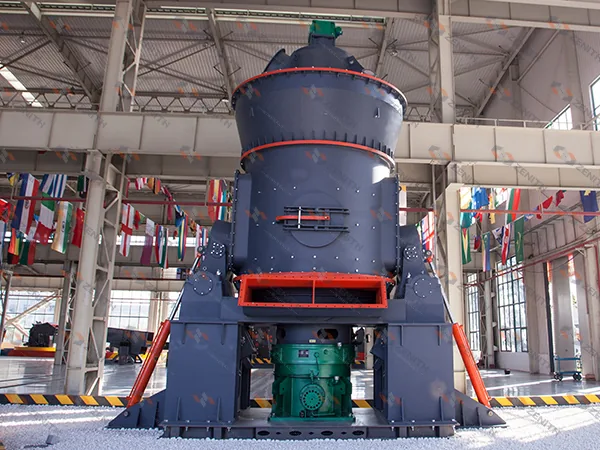
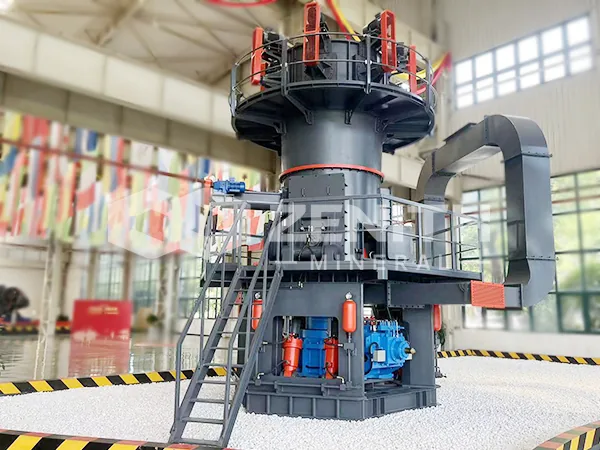
Lm1500 vertical roller mill for lateritic bauxite 400 mesh aluminum chemical raw material in australia
2026-07-09 02:25:35
Australia's vast lateritic bauxite reserves represent a cornerstone of the global aluminum supply chain. As the industry pivots toward higher-value, downstream processing, the demand for finely ground bauxite as a chemical raw material has intensified. Specifically, 400 mesh (37 micron) bauxite powder is increasingly sought after for applications in refractories, ceramics, high-alumina cements, water treatment chemicals, and as a precursor for aluminum sulfate production. To meet this demand efficiently, selecting the right grinding technology is paramount. The LM1500 Vertical Roller Mill (VRM) from Shanghai Zenith Machinery Co., Ltd. has emerged as a game-changing solution for Australian mining and mineral processing operations targeting this exact specification.
Why Lateritic Bauxite Requires Specialized Grinding
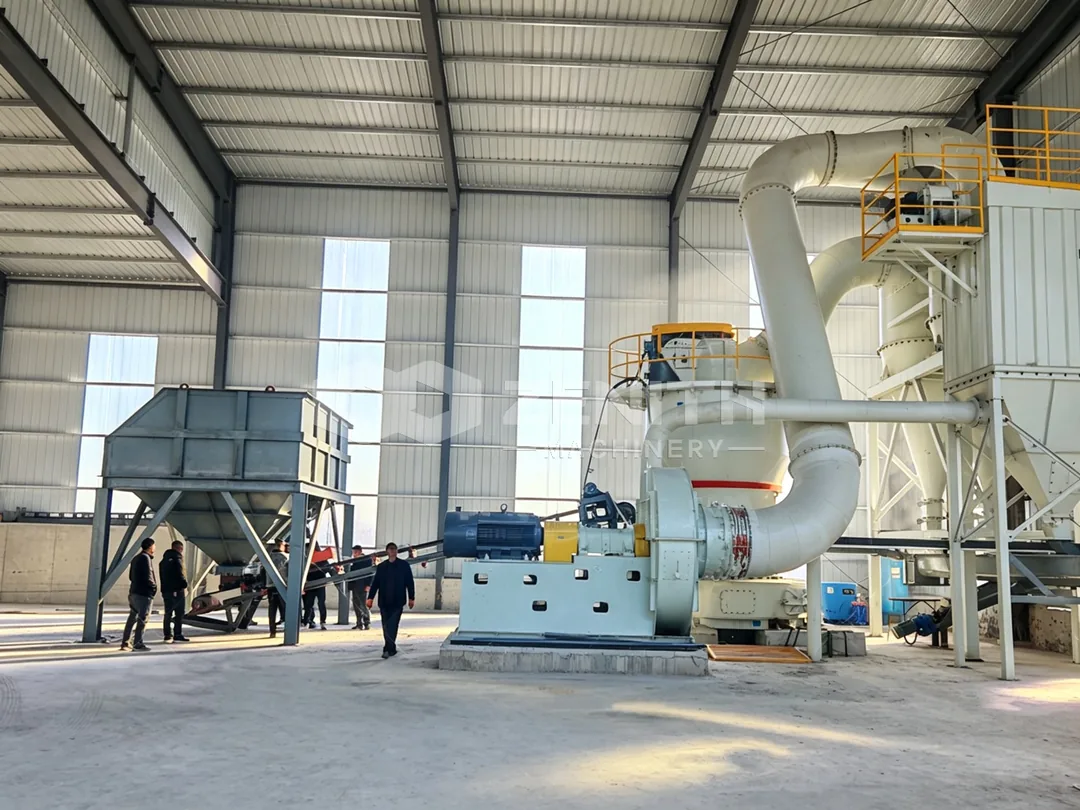
Lateritic bauxite, predominantly found in Western Australia and Queensland, presents unique challenges for conventional grinding equipment. Its high moisture content (often 8-15% as-mined), variable clay content, and relative softness can lead to clogging, high wear rates, and inefficient energy use in ball mills or Raymond mills. The LM1500 vertical roller mill is engineered to overcome these obstacles. By employing a dynamic, multi-stage grinding principle where material is crushed between a rotating grinding table and hydraulically pressurized rollers, the LM series ensures consistent product fineness without the drawbacks of impact-based milling. For lateritic bauxite, this translates to superior control over the final 400 mesh particle size distribution, which is critical for consistent chemical reactivity in downstream processes.
_1783535135872.jpg)
Why the LM1500 is the Optimal Choice for Australian Bauxite
Zenith's LM series vertical roller mills are renowned for their robust design and high throughput capabilities. The LM1500 model is particularly well-suited for medium to large-scale bauxite grinding operations. Here’s a breakdown of the critical advantages that make it the preferred solution for producing 400 mesh aluminum chemical raw material:
1. Superior Purity and Chemical Consistency
One of the primary concerns when grinding bauxite for chemical applications is iron contamination. The LM1500's design minimizes metal-to-metal contact. The grinding roller and table are lined with high-wear resistant materials. This structural integrity ensures that the final 400 mesh powder maintains the inherent chemical composition of the feed bauxite, specifically controlling the iron oxide (Fe2O3) content. This purity is non-negotiable for high-grade refractory and chemical-grade alumina production.
2. Exceptional Energy Efficiency
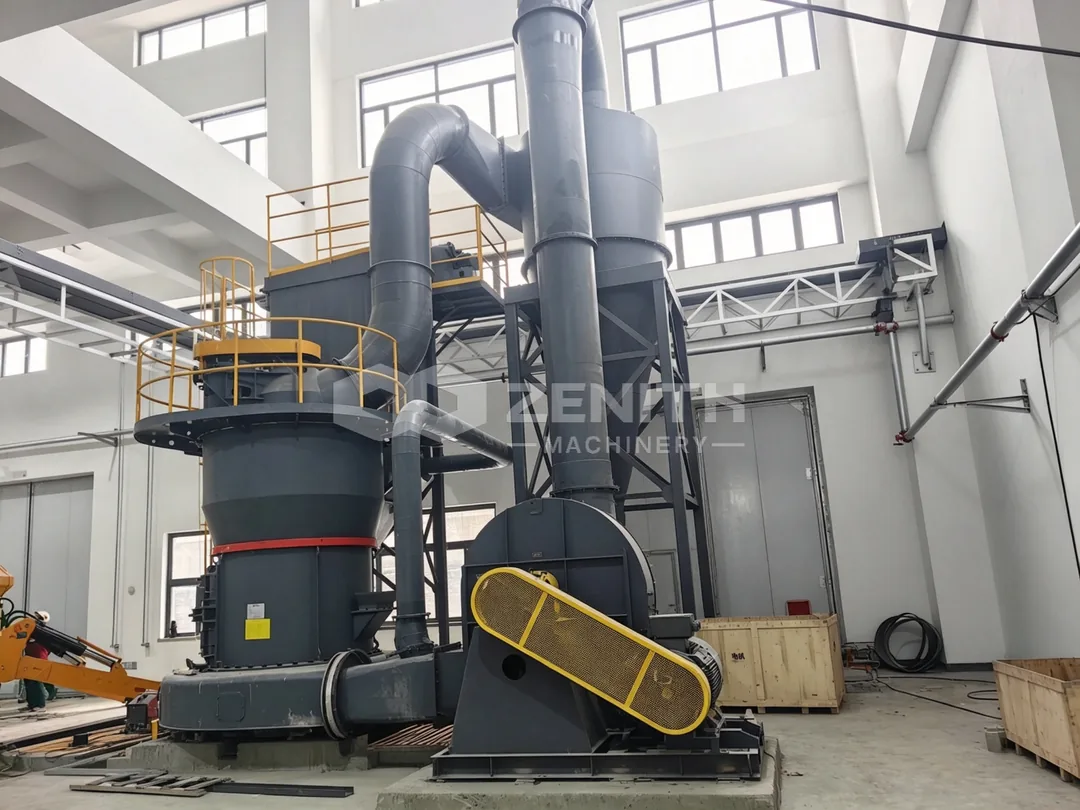
Energy consumption is a dominant operational cost in Australian mining. The LM vertical roller mill operates with a specific power consumption that is approximately 30-50% lower than a traditional ball mill system of comparable capacity. By integrating grinding, drying (using hot air from the kiln or a furnace), and classification into a single unit, the LM1500 eliminates the need for separate drying drums and elevators. For a plant producing 20-30 tons per hour of 400 mesh bauxite, this energy saving translates directly into a significantly lower cost per ton, improving the project's return on investment.
_1783535135874.jpg)
3. High Throughput and Fineness Control
The LM1500 is capable of producing 400 mesh (D97 < 37 micron) material with a throughput that can reach up to 30-40 TPH, depending on the feed moisture and grindability of the specific Australian bauxite. The built-in, high-efficiency dynamic classifier allows for precise adjustment of the final product fineness. By simply adjusting the rotor speed and vane angle, operators can switch between 325 mesh and 400 mesh without mechanical modifications. This flexibility is invaluable for producers who need to serve multiple market segments with varying particle size requirements.
Technical Specifications and Integration for Australian Operations
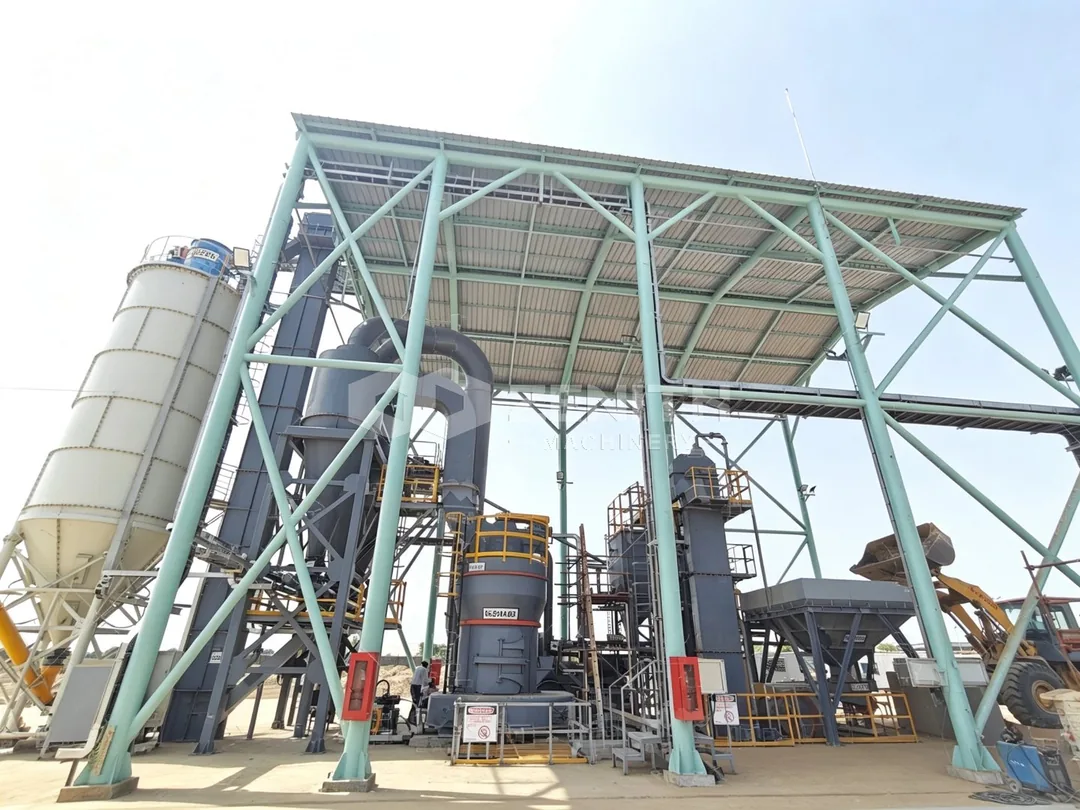
The LM1500 operates with a main motor power typically in the range of 250-320 kW. Its integrated design means it occupies roughly 50% of the floor space of an equivalent ball mill system. This compact footprint is a major advantage for brownfield upgrades in existing Australian mine sites or plant expansions where space is at a premium. The system operates under negative pressure with a pulse dust collector, meeting stringent Australian environmental standards for airborne particulate emissions. The automatic control system allows for remote monitoring and one-button start-up, reducing the need for on-site manpower.
Workflow for Bauxite Processing with LM1500
To achieve the final 400 mesh aluminum chemical raw material, the process is streamlined:
- Crushing: Run-of-mine lateritic bauxite is first crushed to a size of <70mm.
- Feeding: The crushed material is fed into the LM1500 via a variable frequency belt feeder.
- Grinding & Drying: Inside the mill, the material is ground and simultaneously dried by hot air, reducing moisture from 10-15% to <1%.
- Classification: The airflow carries the ground material to the classifier. Coarse particles are returned to the grinding table, while the fine 400 mesh powder passes through.
- Collection: The final product is collected by a cyclone and pulse filter baghouse, ready for storage or loading.
_1783535135875.jpg)
In conclusion, for Australian companies looking to upgrade their lateritic bauxite processing capabilities to produce high-value 400 mesh chemical raw materials, the LM1500 vertical roller mill offers a perfect balance of high purity, energy efficiency, and operational reliability. Its proven track record in mineral processing, combined with Zenith's global support network (with offices in Oceania), makes it a low-risk, high-return investment for the downstream aluminum chemical sector.
Frequently Asked Questions (FAQ)
1. Can the LM1500 handle high-moisture lateritic bauxite (e.g., >12% moisture) without pre-drying?
Yes. The LM1500 is designed as a combined grinding and drying system. It uses a hot air generator or waste heat from a kiln to dry the material during the grinding process. As long as the hot gas volume and temperature are correctly calculated for the specific moisture level (up to 15-20% for the LM series), it can handle high-moisture bauxite efficiently without an external pre-dryer.
2. What is the typical power consumption for grinding Australian lateritic bauxite to 400 mesh in the LM1500?
The specific power consumption depends on the grindability (Bond Work Index) of the specific bauxite deposit. However, for soft to medium-hard lateritic bauxite, the system power consumption is typically between 20-35 kWh per ton of final 400 mesh product. This is significantly lower than a ball mill (which can be 40-60 kWh/t).
3. How long do the grinding rollers and table liners last when grinding bauxite?
Wear life is dependent on the silica and alumina content of the bauxite. For typical Australian lateritic bauxite (with moderate abrasiveness), the grinding roller and table liners made from high-chrome steel can last between 6,000 to 12,000 operating hours before requiring replacement or re-surfacing. Zenith provides hard-facing and replacement services to minimize downtime.
4. Can the LM1500 produce a stable 400 mesh (D97 < 37 micron) product consistently?
Absolutely. The LM series uses a high-efficiency dynamic classifier with adjustable rotor speed. This allows for very precise control over the cut point. For bauxite, the mill can consistently achieve a D97 of 37 microns (400 mesh) with a very narrow particle size distribution (e.g., 90% passing 45 microns), which is crucial for chemical applications.
5. Does Zenith provide on-site installation and commissioning support in Australia?
Yes. Zenith has a strong presence in Oceania. We provide full technical support including plant layout design, foundation engineering, on-site installation supervision, and commissioning. Our local service teams and remote monitoring systems ensure that Australian customers receive prompt support. We also provide training for local operators and maintenance crews.
6. What is the maximum feed size for the LM1500 when processing bauxite?
The maximum feed size for the LM1500 is 50-70mm. This means that secondary crushing (e.g., using a cone crusher or hammer crusher) is required to reduce the run-of-mine bauxite to this size. A properly sized primary and secondary crusher circuit is essential for optimal mill performance.