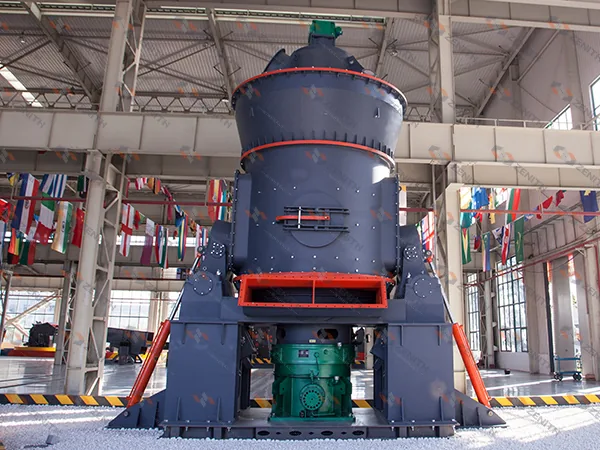
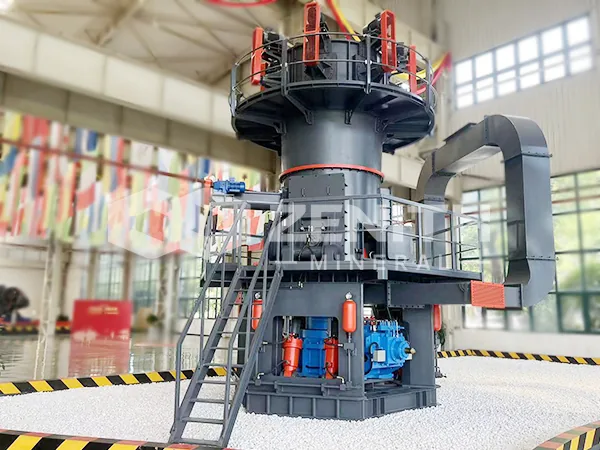
4r3216 raymond mill for ground calcium carbonate 325 mesh coating filler in lang son, vietnam
2026-07-05 02:27:06
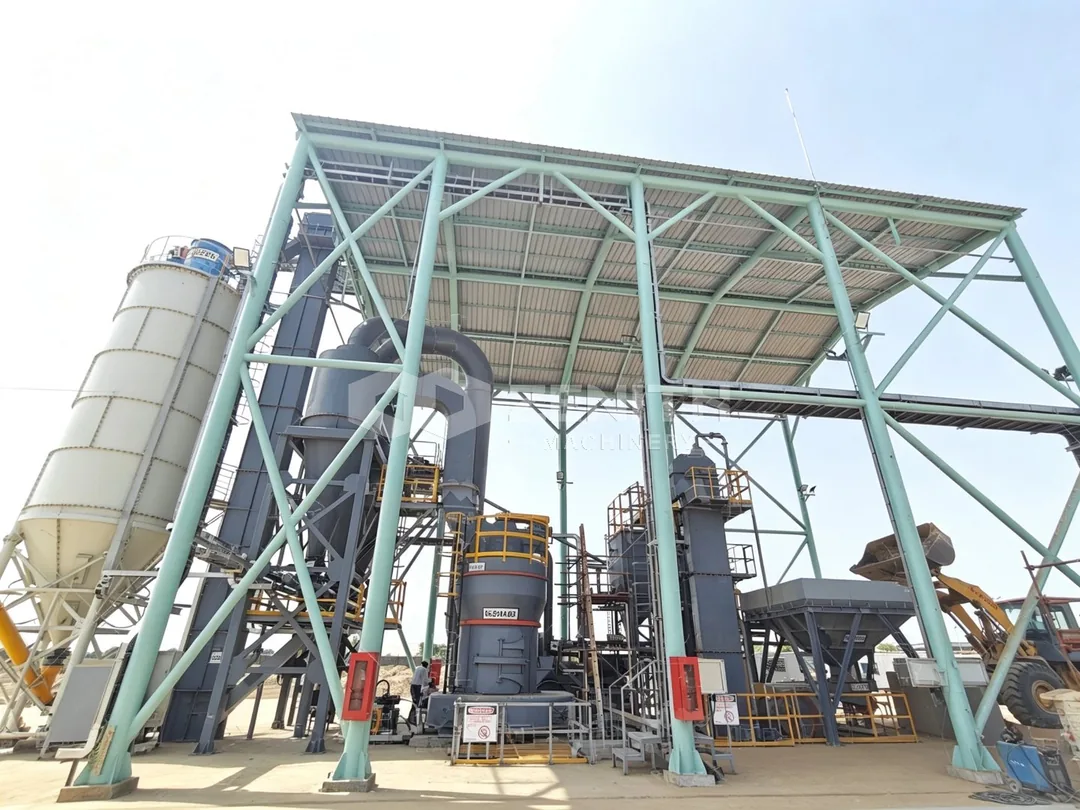
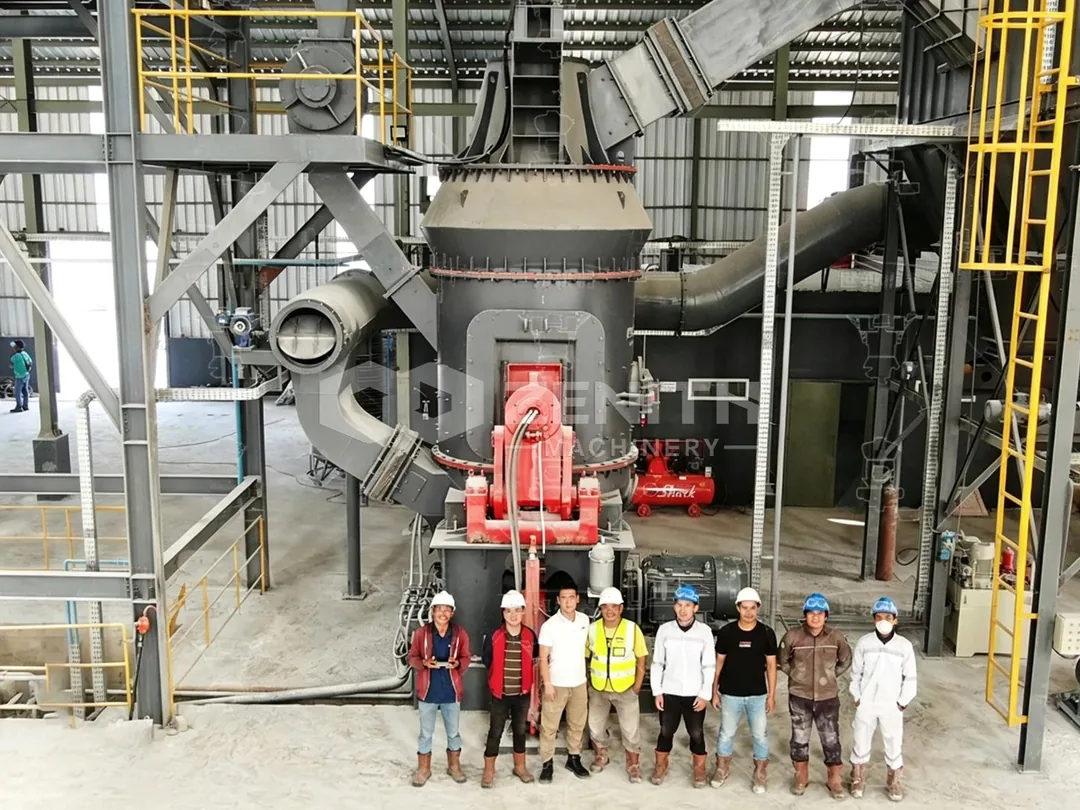
When it comes to producing high-quality ground calcium carbonate (GCC) as a 325 mesh coating filler in the rugged terrain of Lang Son, Vietnam, industrial operators face a unique set of challenges. The raw material, often sourced from local quarries, demands a grinding solution that balances throughput, energy efficiency, and final product consistency. After evaluating multiple configurations, the 4r3216 Raymond mill from Zenith has emerged as a practical workhorse for this specific application, blending time-tested mechanics with modern engineering refinements.
Lang Son province, located in northeastern Vietnam, is known for its rich limestone and marble deposits. These carbonate ores typically exhibit moderate hardness and low abrasion, making them ideal candidates for roller mill grinding. However, the humid climate and variable moisture content of the feedstock can complicate processing. The 4r3216 Raymond mill, part of Zenith's upgraded Raymond series, addresses these issues through its robust drying-grinding system and intelligent control features.
_1783189626205.jpg)
Why 325 Mesh for Coating Fillers? The 325 mesh (44 micron) specification is a standard requirement in the paint and coatings industry. At this fineness, calcium carbonate provides optimal opacity, brightness, and particle packing density without compromising the rheology of the liquid coating. Over-grinding to finer sizes (e.g., 800 mesh) can increase binder demand and viscosity, while under-grinding leaves visible grit. Zenith's Raymond mill, with its 10-325 mesh adjustable output, offers precise control at this critical threshold.
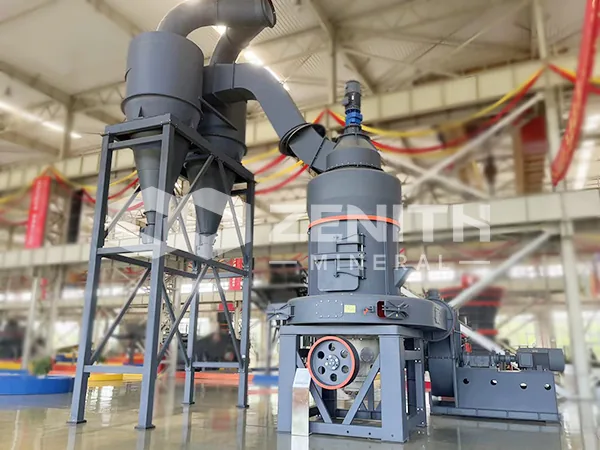
The machine's core structure—a grinding roller suspended on a plum blossom frame that revolves around a vertical axis while rotating on its own—creates a powerful centrifugal force. This force presses the roller against the grinding ring, crushing the material between them. For calcium carbonate, this action produces a high percentage of 325 mesh fines with a well-distributed particle size curve. In fact, the screening efficiency of this mill reaches 99%, meaning nearly all finished powder passes through the required mesh. This is a marked improvement over traditional pendulum mills, which often struggle with screen blinding on humid days.
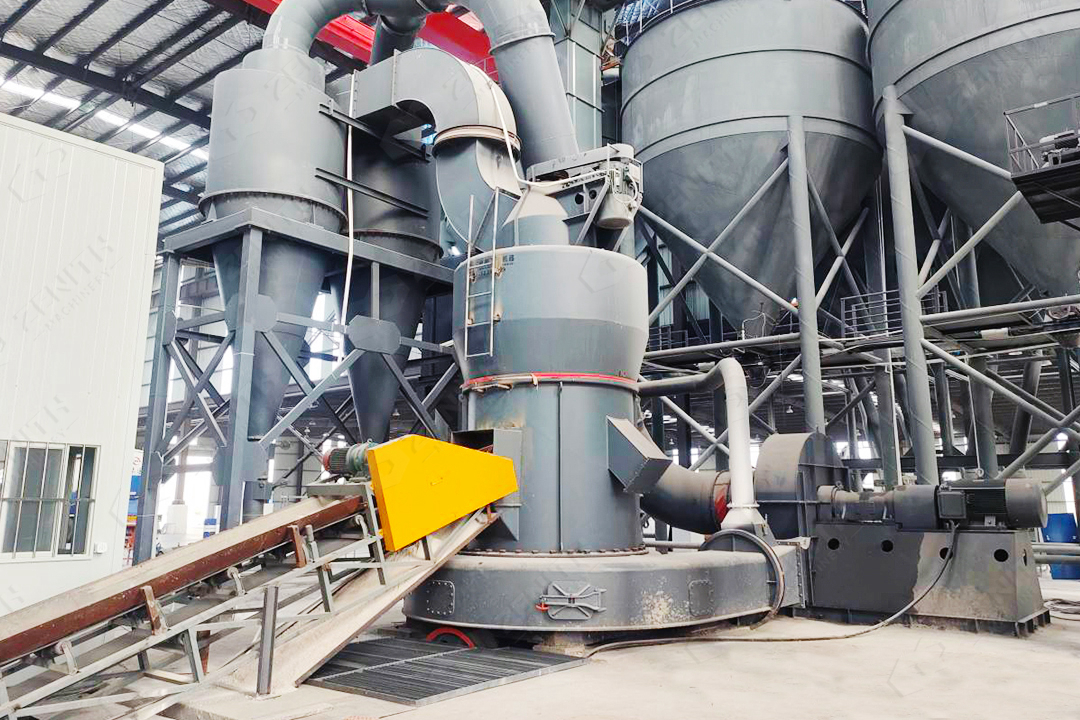
Zenith's 4r3216 model specifically refers to the roller diameter (320mm) and the number of rollers (4). This configuration yields a capacity range of 3 to 22 tons per hour, depending on the hardness of the feed. For typical Lang Son limestone (Mohs hardness 3-4), operators can expect sustained outputs around 8-12 tons per hour of 325 mesh product—sufficient for a mid-size coating filler plant. The input size handles up to 35mm, which simplifies the upstream crushing stage; only a jaw crusher is needed, not a secondary cone crusher.
Energy and Environmental Considerations In Vietnam, electricity costs and environmental compliance are top concerns. The Raymond mill operates with an energy consumption roughly 60% lower than a ball mill of equivalent capacity. This is achieved through the direct grinding action of rollers on a stationary ring, eliminating the need to rotate a heavy drum filled with steel balls. Additionally, the mill's pulse dust collector system ensures that emissions stay within Vietnamese national standards (QCVN 05:2013/BTNMT). The entire system operates under negative pressure, preventing dust leakage across the plant floor—a critical factor for worker safety and product purity.
_1783189626211.jpg)
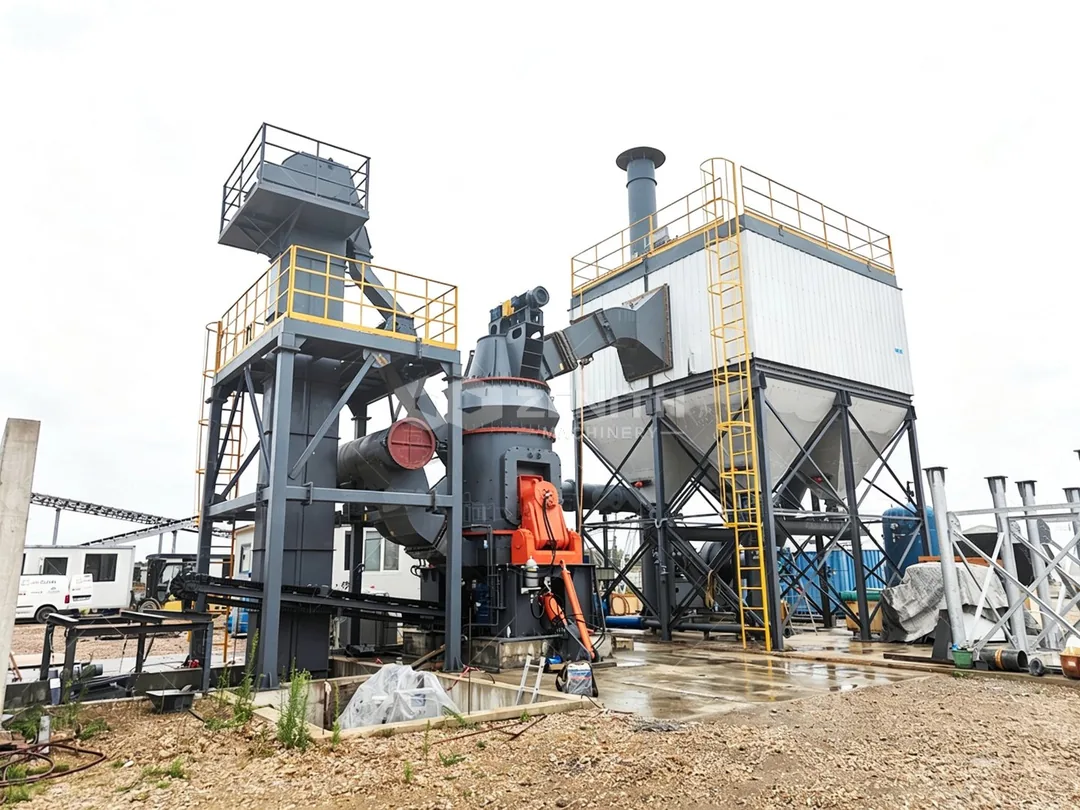
Installation and Adaptation in Lang Son One practical advantage of the 4r3216 Raymond mill is its compact footprint. Unlike vertical roller mills which require tall structures, the Raymond mill can be installed on a relatively flat foundation. For a typical plant near Lang Son's industrial zones, the entire mill system—including the feeder, main machine, classifier, fan, and cyclone—fits within a 500 square meter area. This minimizes civil works costs and shortens the commissioning timeline, which can be a decisive factor for Vietnamese investors who prioritize rapid return on investment.
The mill's intelligent electric control system also enables labor-free operation. In a province where skilled maintenance technicians may be scarce, remote monitoring capabilities allow centralized control teams to manage grinding parameters from Ho Chi Minh City or Hanoi. Adjusting the output fineness is as simple as changing the impeller setting in the modular classifier—no mechanical modifications needed.
A Note on Material Purity For coating filler applications, iron contamination is a silent killer: even 0.1% iron oxide can cause yellowing in white paints. The 4r3216 Raymond mill minimizes iron pick-up because the grinding rollers and ring are made from high-manganese steel with a hard surface layer. Unlike ball mills, where steel-to-steel contact between grinding balls and liners generates iron fines, the Raymond mill's roller-on-ring contact creates less metallic wear. The materials flow path also avoids contact with ferrous structural components until the final discharge point, preserving the chemical purity of the calcium carbonate.
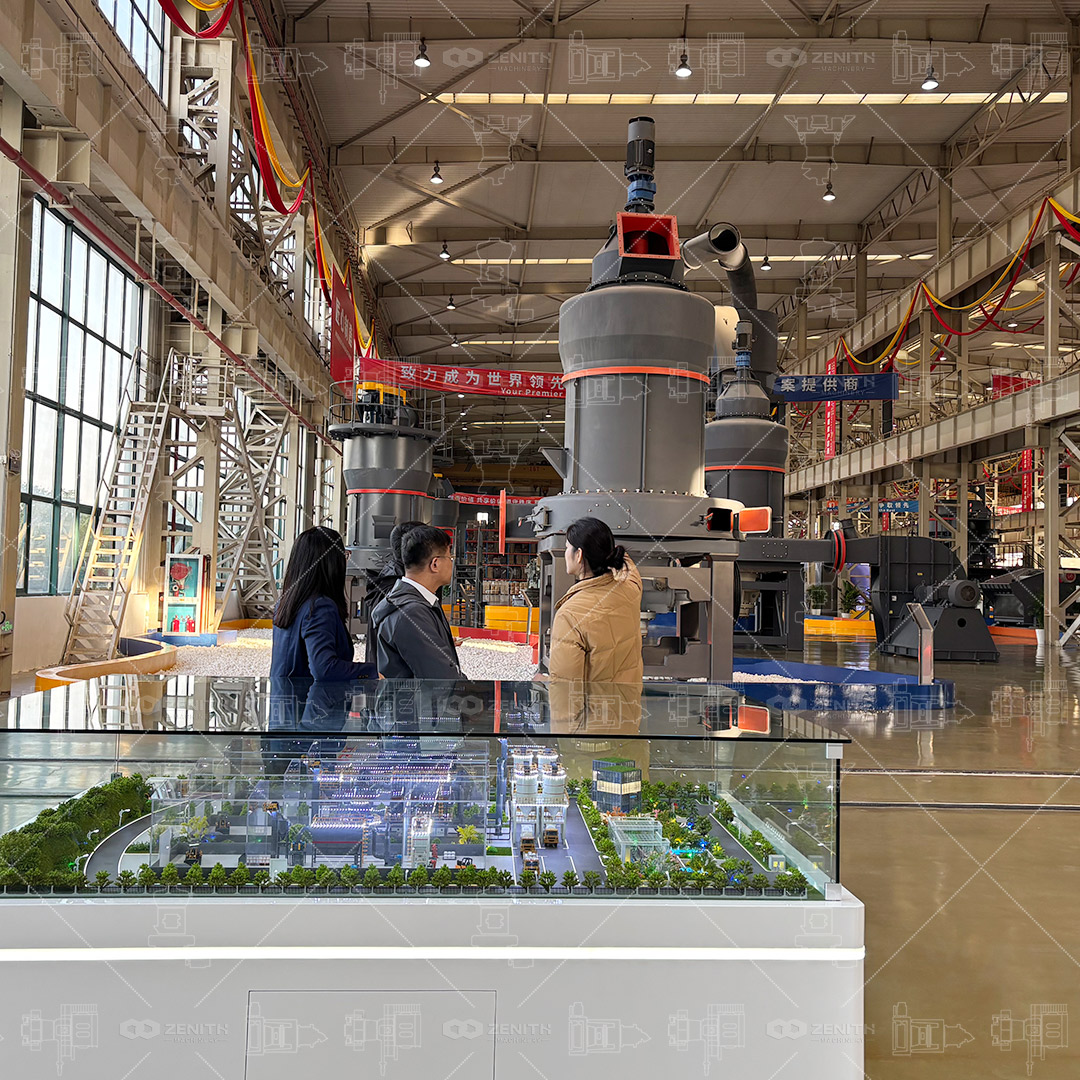
Operational Flexibility in Vietnam's Climate Lang Son experiences distinct wet and dry seasons. During the monsoon months (May to October), raw material moisture can spike to 8-10%. The Raymond mill's variable-frequency belt feeder allows operators to reduce the feed rate when moisture is high, preventing material buildup in the grinding chamber. The mill's internal airflow can be supplemented with a hot air source (e.g., a simple coal-fired or biomass hot air stove) to dry the material in-process, dropping moisture to below 1% in the finished product. This dual-function grinding-drying capability is critical for coating fillers, where residual moisture above 0.5% can cause paint can corrosion and microbial growth.
Beyond the basic Raymond mill, Zenith also offers the MTW European Trapezium Mill for customers who need even higher capacity (up to 50 tph) or who plan to expand into 400 mesh products later. However, for a dedicated 325 mesh coating filler line in Lang Son, the 4r3216 Raymond mill represents the optimal balance of capital cost, operating expense, and product quality. The machine's simplicity means that local Vietnamese technicians can be trained to perform routine maintenance—replacing roller shells, lubricating bearings—within two weeks of hands-on training.
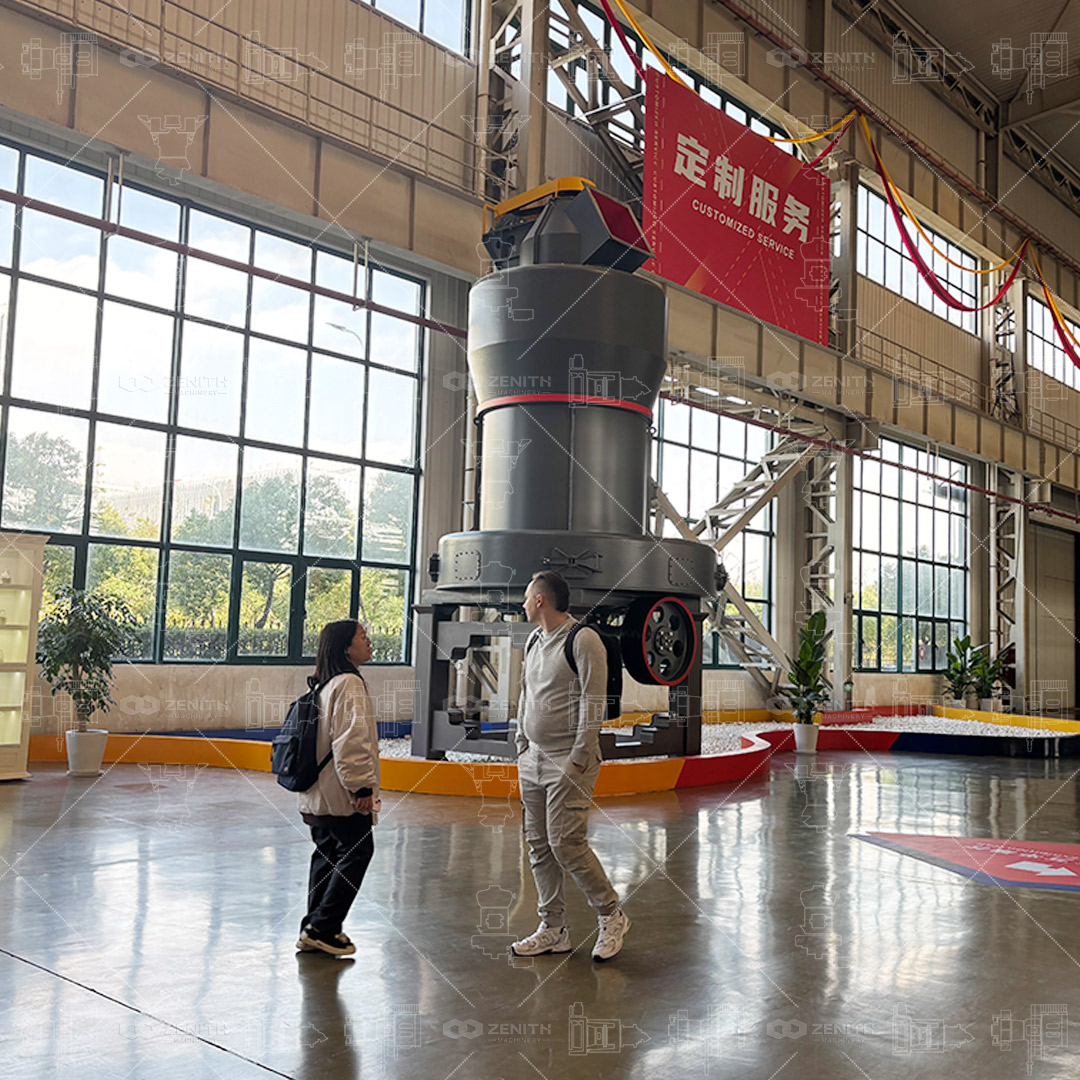
In summary, the 4r3216 Raymond mill from Zenith is not merely a piece of equipment; it is a tailored solution for the specific geology and business realities of Lang Son, Vietnam. It delivers the required particle size with energy efficiency, environmental compliance, and operational simplicity. For investors aiming to produce coating-grade calcium carbonate filler, this mill represents a proven path from quarry to finished product.
Frequently Asked Questions
- What is the exact power consumption of the 4r3216 Raymond mill when grinding limestone to 325 mesh?
Under typical conditions processing limestone (Mohs 3-4), the main motor draws approximately 75-90 kW, while the entire system including fan and classifier consumes around 110-130 kW. This translates to roughly 12-15 kWh per ton of finished 325 mesh product. - Can this mill process calcium carbonate with initial moisture content above 10%?
Yes, but the feed rate must be reduced to prevent clogging. For moisture levels above 10%, it is recommended to install a hot air generator (e.g., 50,000-100,000 kcal/h) to dry the material during grinding. Otherwise, external pre-drying in a rotary dryer is advisable. - What is the expected roller and ring service life for calcium carbonate grinding?
With proper maintenance and for calcium carbonate (Mohs 3), the grinding roller and ring typically last between 800 to 1,200 operating hours before requiring resurfacing or replacement. This varies with feed particle size distribution and hardness. - How does the 4r3216 compare to the MTW138 mill for this application?
The 4r3216 Raymond mill is more cost-effective for capacities under 15 tph. The MTW138 mill, while more efficient (60% energy savings vs. ball mill) and capable of higher throughput (3-22 tph), has a higher initial purchase price and requires more sophisticated maintenance. For a medium-scale Lang Son plant, the 4r3216 offers better payback period. - What after-sales support does Zenith provide in Vietnam?
Zenith has an authorized service center in Hanoi and a spare parts warehouse in Hai Phong. We offer on-site commissioning, operator training, and remote diagnostic support. Standard warranty covers 12 months from commissioning or 18 months from shipment, whichever comes first. - Is it possible to upgrade this mill to produce 400 mesh or 600 mesh later?
Yes. The modular classifier can be swapped with a high-speed impeller unit to achieve finer cuts. However, capacity will drop as fineness increases. At 400 mesh, expect a 20-30% reduction in throughput compared to 325 mesh operation. - What are the local regulatory requirements for installing this mill in Lang Son?
You will need an Environmental Impact Assessment (EIA) permit from the Lang Son Department of Natural Resources and Environment, plus a fire safety certificate. Zenith's equipment already meets Vietnamese emission standards, which simplifies the approval process.