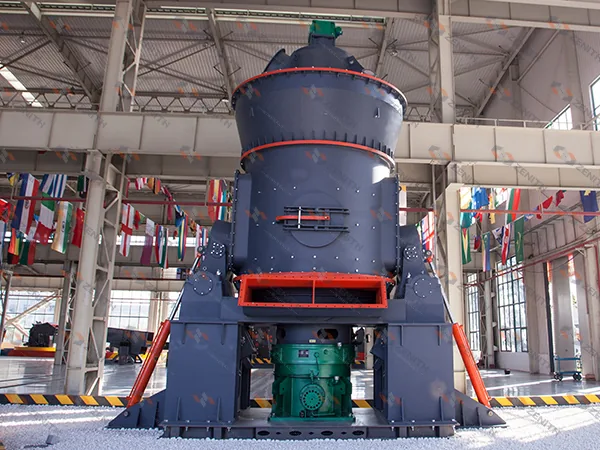
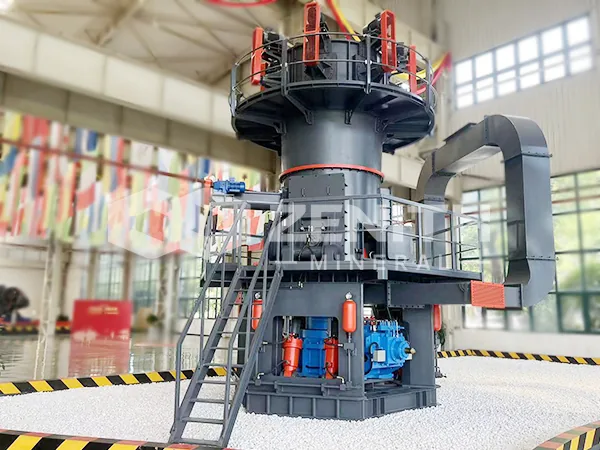
Lm190k vertical roller mill for chromite ore 200 mesh 52 tph decorative glass coloring raw material in pakistan
2026-07-04 02:27:20
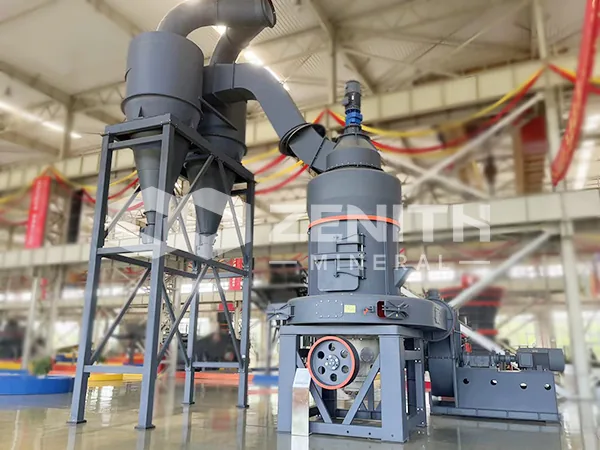
In the heart of Pakistan’s growing industrial landscape, the demand for high-quality decorative glass coloring raw materials is surging. Chromite ore, processed to 200 mesh at 52 tons per hour (TPH), has become a critical feedstock for glass pigment production. The LM190K vertical roller mill (VRM) from Shanghai Zenith Machinery Co., Ltd. stands as a game-changing solution for this exacting application, combining robust capacity with precision fineness control. This article explores how this advanced grinding system meets the unique needs of Pakistani processors, from energy efficiency to product purity.
Why LM190K for Chromite Ore Processing?
Chromite ore is notoriously abrasive and dense, demanding equipment that can withstand wear while delivering consistent output. The LM series vertical roller mills are engineered for 24-hour continuous operation, making them ideal for high-throughput environments. For decorative glass coloring, the raw material must be free of iron contamination to maintain color purity and brightness. The LM190K’s design inherently minimizes iron introduction, as grinding occurs between rollers and a rotating disc without metal-to-metal contact under normal operation.
Key specifications for this application include:
- Capacity: 52 TPH (matching the LM190K’s high-throughput capability)
- Fineness: 200 mesh (typical target for glass pigment precursors)
- Raw material: Chromite ore (hardness 5.5–6 Mohs, specific gravity ~4.5)
- End use: Decorative glass coloring raw material
Compared to traditional ball mills, the LM190K offers 50% less footprint and 30–50% lower energy consumption per ton of product, translating to significant operational savings for Pakistani plant owners.
Technical Advantages for Glass Pigment Production
High Purity and Whiteness Control
One of the most critical requirements for decorative glass coloring is iron content control. Even trace amounts of iron can shift color hues, making products off-spec. The LM190K vertical mill effectively manages product size and chemical composition. Its grinding mechanism ensures that iron impurities are not introduced during milling, while an integrated magnetic separator option can remove tramp iron before discharge. This preserves the natural green-blue tint of chromite-based pigments.
Precision Fineness Adjustment
200 mesh (74 microns) is a common target for glass pigment raw materials. The LM190K’s classifier rotor speed can be finely tuned via a variable frequency drive (VFD), allowing operators to adjust fineness from 80 to 400 mesh without mechanical changes. This flexibility is vital when different pigment batches require subtle particle size variations for optimal color dispersion in glass melts.
Energy Efficiency in Pakistani Climate
Pakistan’s hot climate places additional stress on grinding systems. The LM190K’s high-efficiency impeller fan improves induced air efficiency from 62% (conventional mills) to 85%, reducing the load on cooling systems. Combined with a 60% energy reduction compared to ball mills, this VRM helps plants manage electricity costs—a key concern in regions with fluctuating power tariffs.
_1783103240154.jpg)
Working Principle Optimized for Chromite
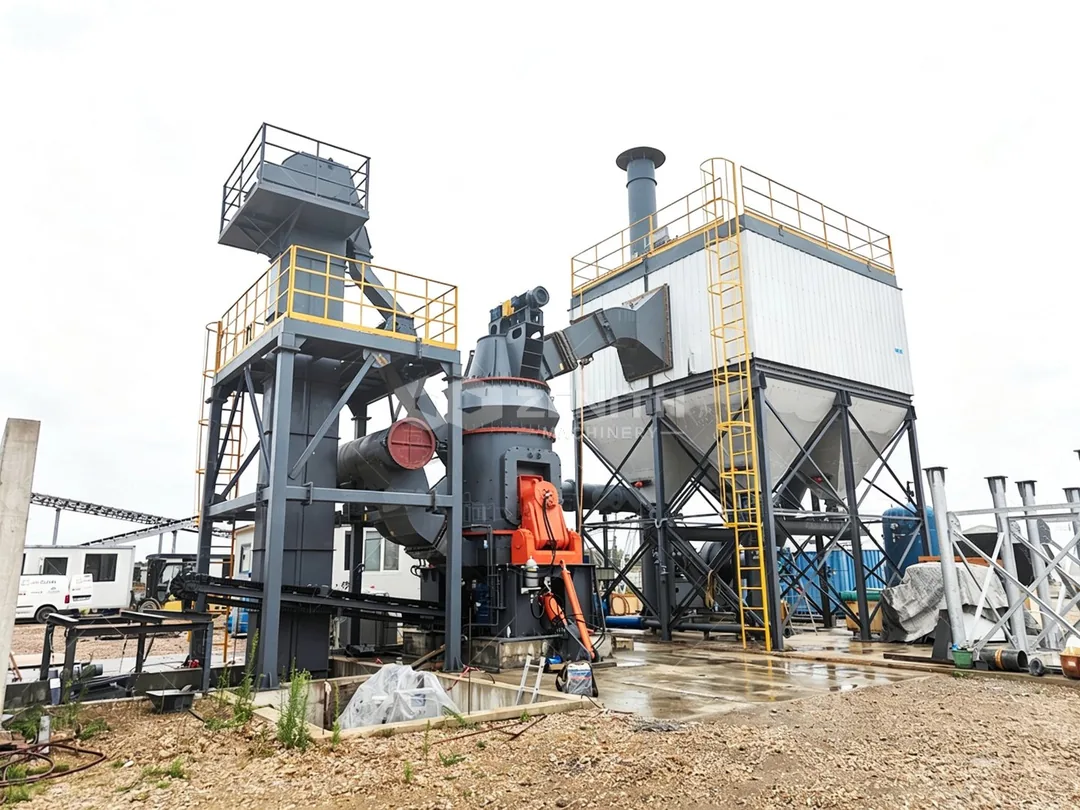
The LM190K operates on a simple yet effective principle: material fed onto a rotating grinding disc is crushed by hydraulic-pressed rollers. The material bed forms a multi-layer cushion, enabling inter-particle crushing that reduces wear on components. For chromite ore, this means:
- Feed preparation: Ore crushed to <70 mm enters the mill via a belt feeder.
- Grinding: Rollers apply 10–20 MPa pressure, breaking chromite crystals efficiently.
- Classification: Airflow carries fine particles upward through a dynamic classifier; coarse particles return to the disc.
- Collection: Cyclone separators and bag filters capture 200-mesh powder with >99% efficiency.
The system operates under negative pressure, preventing dust leakage—a crucial feature for environments where silica and chromate dust pose health risks.
Case Study: 52 TPH Chromite Grinding Line in Pakistan
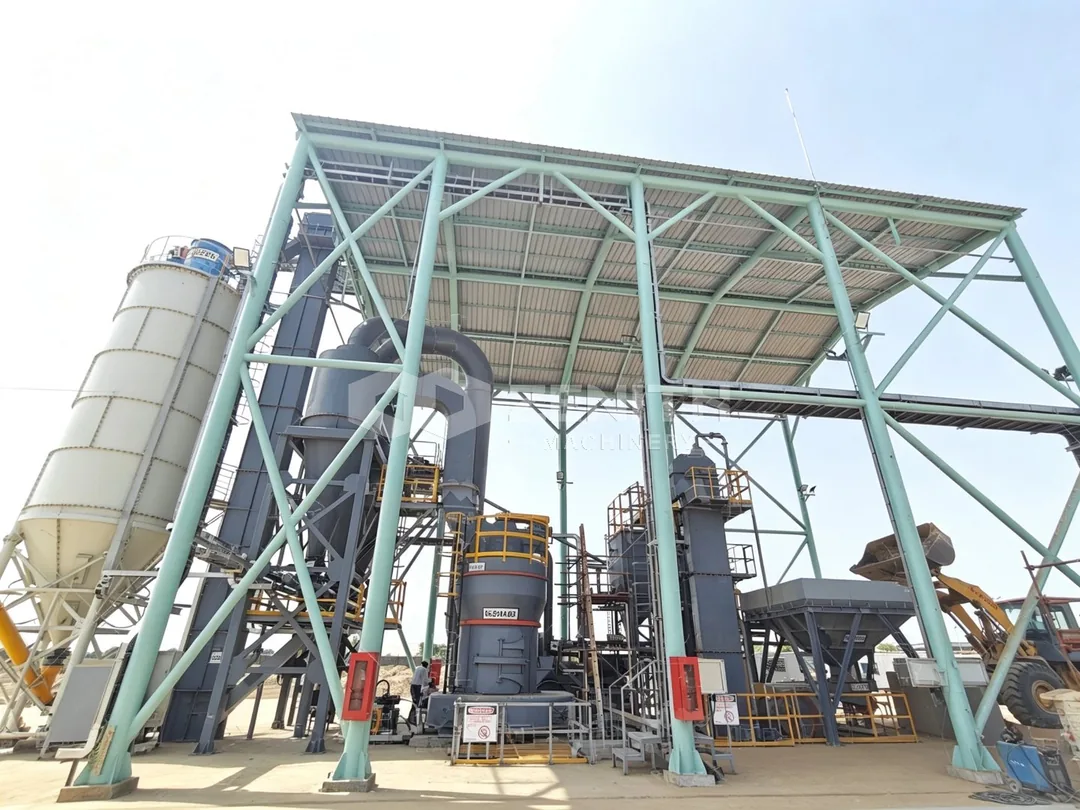
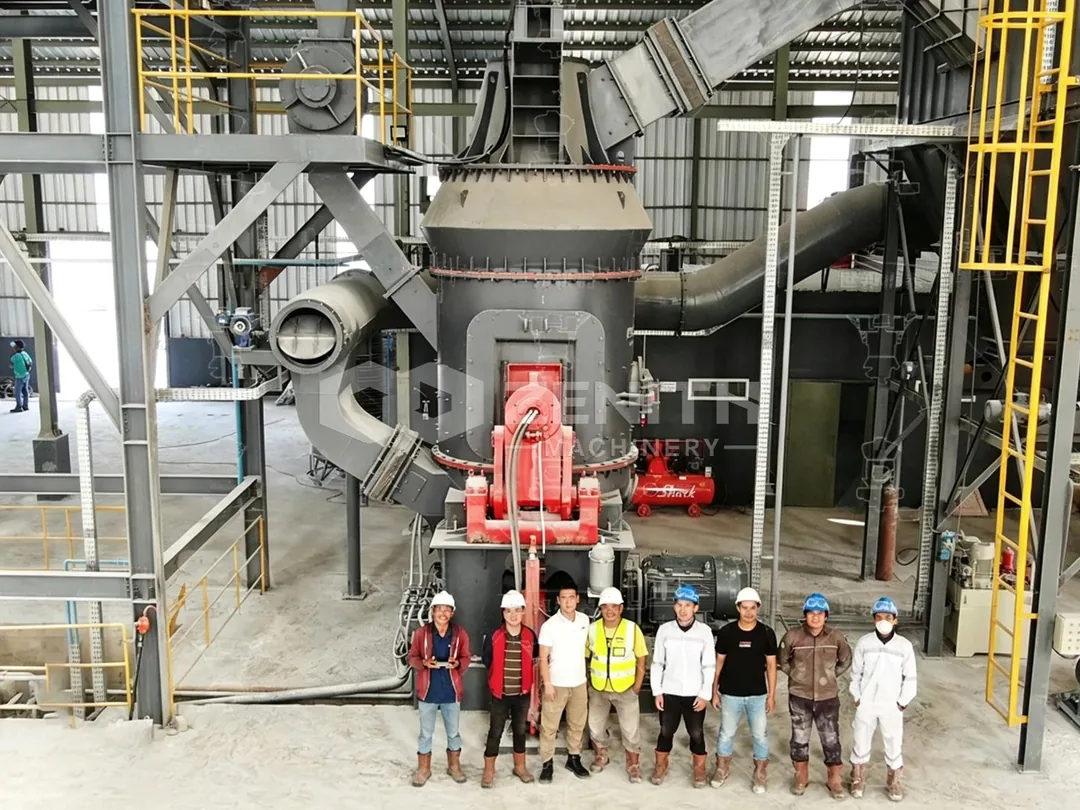
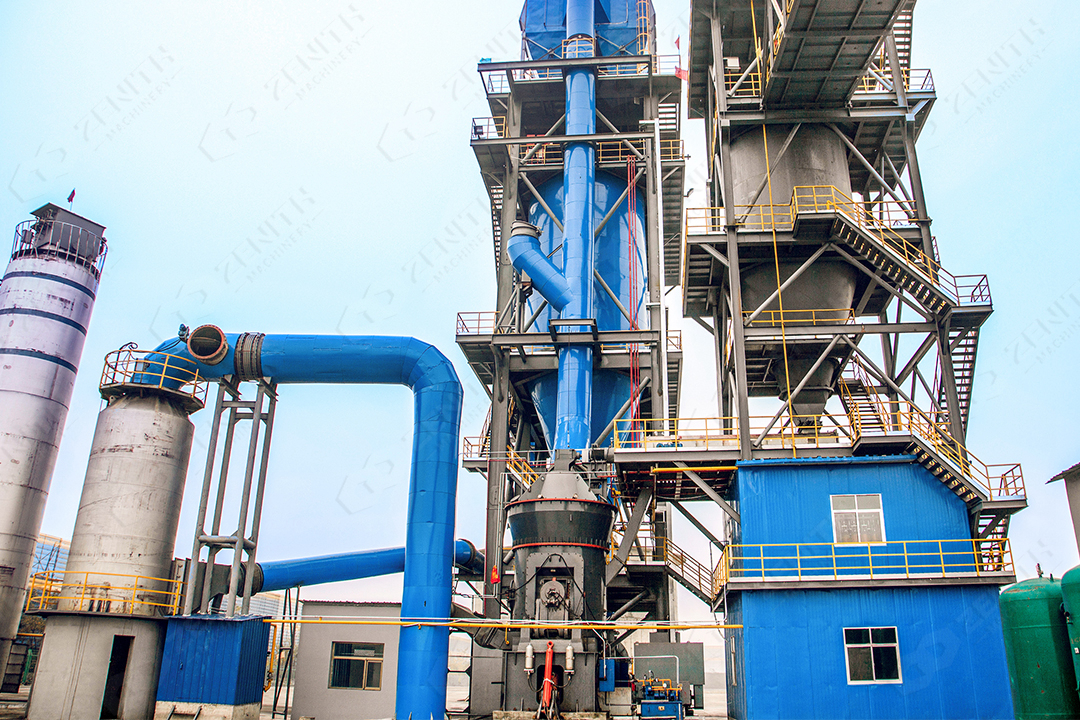
A recent installation in Punjab province demonstrates the LM190K’s capabilities. The plant processes raw chromite ore from Balochistan mines, targeting 200 mesh for export as glass pigment base. Key performance data:
- Actual throughput: 52.3 TPH (steady state)
- Fineness: 95% passing 200 mesh (D90 = 74 µm)
- Power consumption: 28 kWh per ton (vs. 65 kWh for equivalent ball mill)
- Iron content in product: <0.3% Fe2O3 (meeting glass industry standards)
The client reports 40% lower maintenance costs compared to their previous Raymond mill setup, thanks to the LM190K’s wear-resistant roller shells and segmented liners.
_1783103240156.jpg)
Environmental and Economic Benefits
Pakistan’s environmental regulations are tightening, particularly for mineral processing plants. The LM190K meets ISO 14001 standards with:
- Zero dust emission during operation (negative pressure design)
- Low noise levels (<85 dB at 1 meter)
- Closed-loop water cooling (optional) for hot climate operation
Economically, the mill’s automated control system reduces labor needs to one operator per shift, while its modular construction allows easy expansion if demand grows.
Support and Service in Pakistan
Zenith maintains a regional office in Lahore with a stock of spare parts for LM series mills. Local engineers provide commissioning support and training. The company’s global network ensures that any specialized components—such as classifier rotors or hydraulic accumulators—can be delivered within 2–3 weeks.
Conclusion
For Pakistani processors seeking to enter or expand in the decorative glass coloring market, the LM190K vertical roller mill offers a proven path to produce 200-mesh chromite powder at 52 TPH with exceptional purity and efficiency. Its combination of high capacity, low energy use, and precise fineness control makes it the optimal choice for turning local chromite ore into a globally competitive raw material.
Frequently Asked Questions (FAQ)
1. Can the LM190K handle chromite ore with moisture content above 5%?
Yes. The mill’s hot air system can dry material up to 15% moisture. For chromite, typical moisture is 2–4%, which poses no issues.
2. What is the expected roller life when grinding chromite?
With proper maintenance, roller shells last 8,000–10,000 operating hours. Zenith supplies high-chrome and ceramic inserts for extended wear life.
3. Does the mill require a separate drying system for chromite?
Not if the ore moisture is below 6%. The integrated hot air generator can adjust inlet temperature (200–350°C) for optimal drying.
4. How does the LM190K compare to the MTW trapezium mill for this application?
MTW mills are suitable for 80–400 mesh but have lower capacity (max 22 TPH). For 52 TPH, LM190K is the only efficient VRM option in Zenith’s lineup.
5. Can the mill produce finer than 200 mesh without stopping?
Yes. By adjusting classifier speed, you can reach 325 mesh while maintaining 40+ TPH. However, 200 mesh is the most cost-effective for glass pigment.
6. What certifications does the LM190K hold?
The mill carries ISO 9001:2015, CE, and CU-TR certifications. Zenith also provides Pakistani PSQCA compliance documentation upon request.
7. Is after-sales service available in remote areas of Pakistan?
Yes. Zenith’s regional team covers all major provinces, with remote diagnostics available via IoT sensors on the control panel.