Mozambique xzm1300 ultra fine grinding mill 13t/h 2300 mesh quartz powder for electronic filler application
2026-06-24 02:25:17
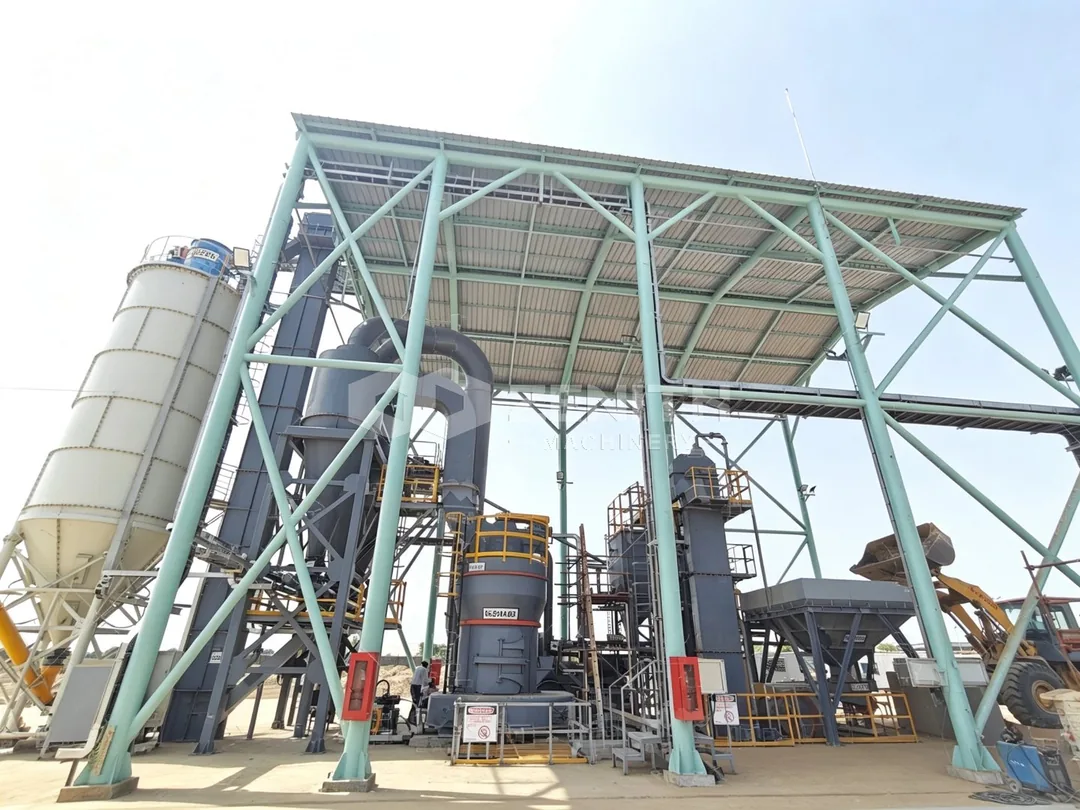
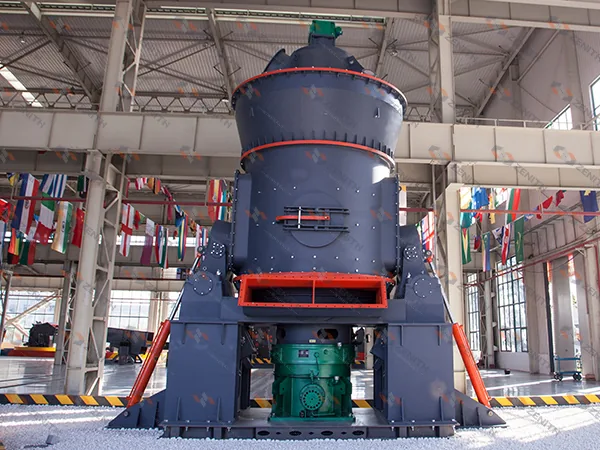
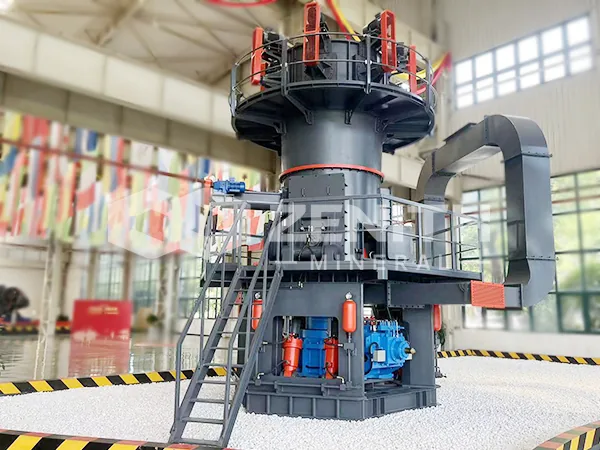
In the rapidly evolving landscape of electronic materials, the demand for ultra-fine, high-purity quartz powder has never been greater. From semiconductor encapsulation to advanced PCB laminates, the role of quartz as a functional filler is critical—not just for dielectric performance, but also for thermal management and mechanical reinforcement. For a project in Mozambique requiring a 13t/h throughput of 2300 mesh (approximately D97 < 6.5 micron) quartz powder destined for electronic filler applications, the selection of the right grinding technology is paramount. Enter the XZM1300 Ultrafine Grinding Mill from Shanghai Zenith Machinery.
_1782239117581.jpg)
Why XZM1300 for Electronic-Grade Quartz?
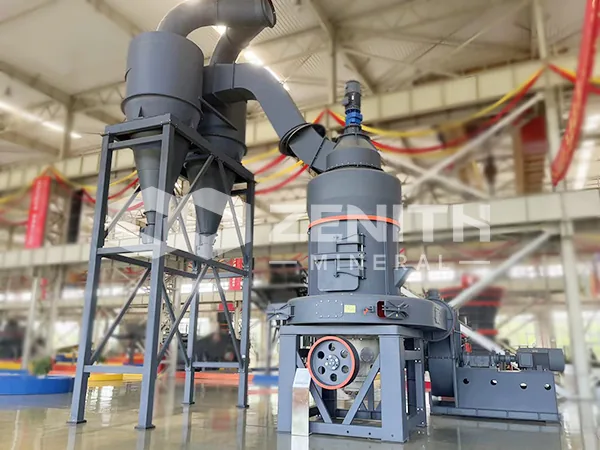
Electronic fillers demand more than just small particle size; they require narrow particle size distribution, low iron contamination, and consistent morphology. The XZM1300 is engineered to meet these stringent requirements. With an output range spanning from 325 mesh to an astonishing 3250 mesh, and the ability to achieve D97 < 5 micron in a single pass, the XZM1300 transforms raw Mozambique quartz ore into a premium-grade micro-filler.
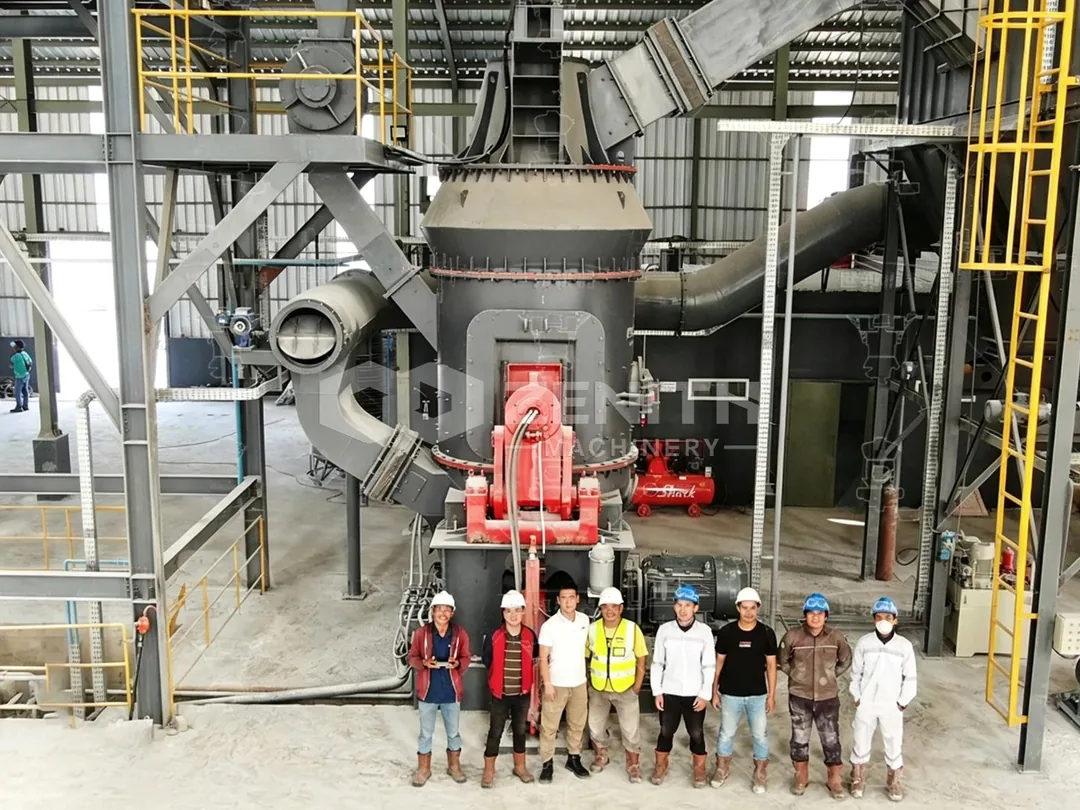
The machine's innovative design eliminates rolling bearings and screws from the grinding chamber. This structural choice eradicates two common failure points in traditional mills: bearing seal vulnerability and the risk of screw loosening. For operators in Mozambique—where service logistics can be challenging—this translates directly into higher uptime and lower maintenance costs.
Process Performance at 2300 Mesh
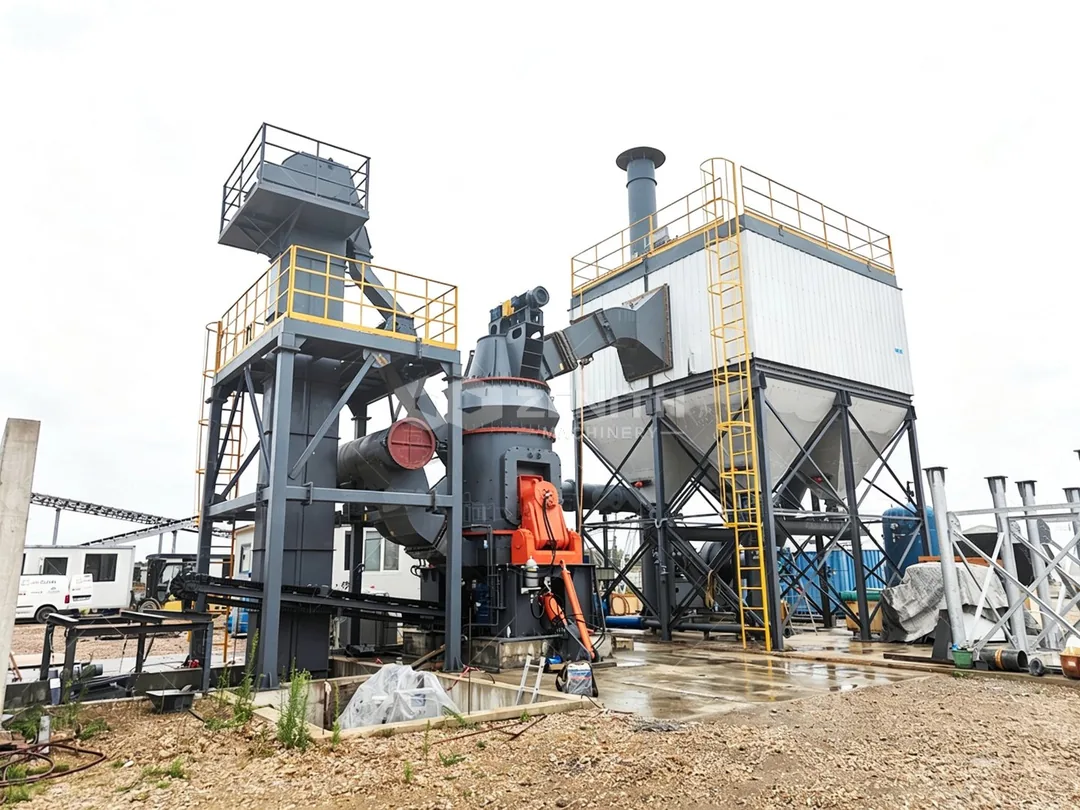
At a target fineness of 2300 mesh, the XZM1300 delivers a steady 13t/h, driven by a variable-frequency drive (VFD) that adjusts classifier rotor speed with precision. The mill operates under negative pressure, ensuring zero dust spillage—a non-negotiable requirement for clean-room compatible filler production. The integrated pulse dust collector captures 99.9% of fine particles, making the system compliant with international environmental standards.
Energy efficiency is another standout feature. Compared to air-flow mills or stirring mills, the XZM series consumes up to 70% less energy per ton of finished powder at the same fineness. In a country like Mozambique, where energy costs can fluctuate, this efficiency directly improves the project's return on investment.
_1782239117583.jpg)
Integration with Downstream Electronic Applications
Quartz powder at 2300 mesh (approximately 6–7 microns) serves as an ideal filler for epoxy molding compounds (EMCs) used in chip packaging. The high purity—achieved through the mill's design that minimizes iron introduction—ensures that the dielectric constant remains stable. Furthermore, the spherical particle shape achievable with XZM grinding enhances flowability during molding, reducing void formation in electronic encapsulants.
For PCB laminates, the ultra-fine quartz improves thermal conductivity while maintaining electrical insulation. The 13t/h capacity means that even large-scale production lines can be fed with a single mill, simplifying plant layout and reducing the number of parallel units needed.
Technical Specifications in Context
| Parameter | XZM1300 Specification | Benefit for Quartz Filler |
|---|---|---|
| Capacity | 0.5–25 T/H (13 T/H at 2300 mesh) | Matches medium-to-large electronic filler plants |
| Output Fineness | 325–3250 mesh (D97 < 5 micron max) | Meets strict electronic grade particle specs |
| Input Size | 0–20 mm | Accepts standard crushed quartz feed |
| Energy Savings | 40% higher efficiency, 70% lower consumption vs. air-flow mill | Reduces operating cost per ton |
| Classifier Drive | VFD controlled | Instant fineness adjustment from control panel |
_1782239117585.jpg)
Global Support for Local Operations
Zenith's reach extends well beyond manufacturing. With marketing networks covering over 180 countries and overseas offices in more than 30 nations, Mozambique-based operators benefit from local technical support and spare parts availability. The XZM1300, like all Zenith equipment, carries ISO 9001, CE, and CU-TR certifications, ensuring compliance with both international quality norms and regional import regulations.
The mill's modular design also simplifies installation. The entire system—from crusher feeder to finished powder collection—operates as a closed-loop, reducing the need for extensive civil works. For a greenfield electronic filler project in Mozambique, this means faster time-to-production.
Maintenance and Operational Simplicity
Given that the grinding chamber contains no rolling bearings or screws, routine maintenance is limited to lubricating external drives and inspecting the classifier blades and grinding ring. The VFD classifier allows operators to adjust fineness without changing mechanical parts—a critical feature when product specifications evolve.
Hydraulic systems facilitate easy access to the grinding roller assembly, and all wear parts are designed for quick replacement. In practice, a well-trained crew can complete a full inspection and replace worn components within a single shift.
Conclusion
For the Mozambique project targeting 13t/h of 2300 mesh quartz powder for electronic fillers, the Zenith XZM1300 Ultrafine Grinding Mill offers a compelling combination of capacity, precision, and reliability. Its energy efficiency, low maintenance design, and global support infrastructure make it an ideal workhorse for producers aiming to compete in the high-value electronic materials market.
_1782239117587.jpg)
Frequently Asked Questions (FAQ)
- Can the XZM1300 mill consistently produce 2300 mesh quartz powder without frequent classifier adjustments?
Yes. The VFD-controlled classifier rotor maintains precise cut-point stability. Once the target fineness is set via the control panel, the system holds it within ±2% of D97 specification, even under varying feed rates. - What is the typical iron contamination level in quartz powder from the XZM1300?
Due to the absence of rolling bearings and screws in the grinding chamber, and the use of wear-resistant alloy liners, iron pickup is minimal. Typical iron content increases by less than 0.02% compared to the feed material, making it suitable for electronic-grade applications. - How does the 13t/h capacity at 2300 mesh compare with ball mills or air-flow mills?
A ball mill achieving 2300 mesh would typically require multiple passes and consume 60–70% more energy. An air-flow mill at the same fineness would have roughly 40% lower throughput per unit energy. The XZM1300's combined classifier and grinding design gives it a distinct efficiency advantage. - What feed size does the XZM1300 require, and what pre-crushing equipment is recommended?
The mill accepts feed up to 20mm. For quartz (Mohs hardness 7), a jaw crusher paired with a hammer mill or cone crusher is recommended to reduce run-of-mine material to below 20mm before entering the XZM. - Does the system require a dedicated dust collection system?
The XZM1300 includes an integrated pulse dust collector as standard. The entire circuit operates under negative pressure, meaning no additional baghouse is needed unless local regulations require redundant filtration. - What is the typical lifespan of wear parts for quartz grinding at 2300 mesh?
Grinding rings and roller tires typically last 1,500–2,500 operating hours, depending on quartz hardness and feed moisture. The classifier blades may require replacement every 3,000–4,000 hours. All parts are designed for quick, tool-less changeover. - Can the XZM1300 be adapted for other electronic filler materials like alumina or silica fume?
Yes. The mill can process a wide range of non-metallic minerals (calcite, talc, barite, wollastonite, etc.) within the same fineness range. Only the grinding pressure and classifier speed need adjustment to suit material-specific properties.