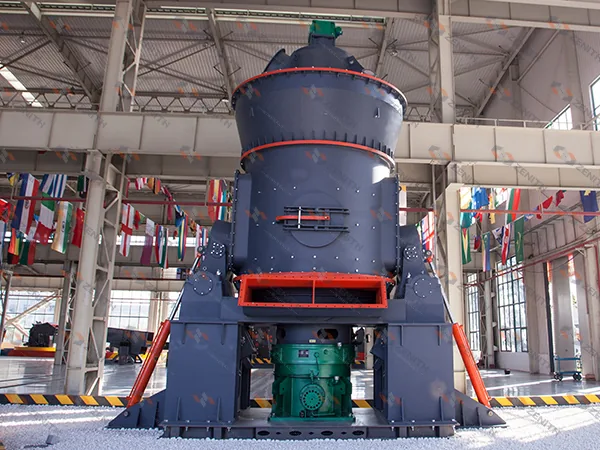
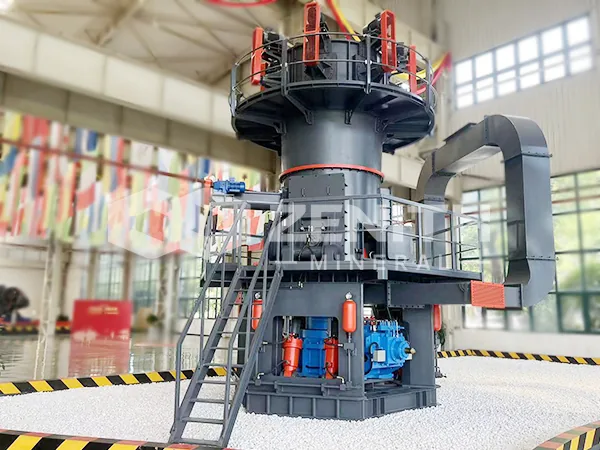
Sri lanka xzm800 ultra fine grinding mill 4t/h 1600 mesh mica powder for insulation material application
2026-06-18 02:24:33
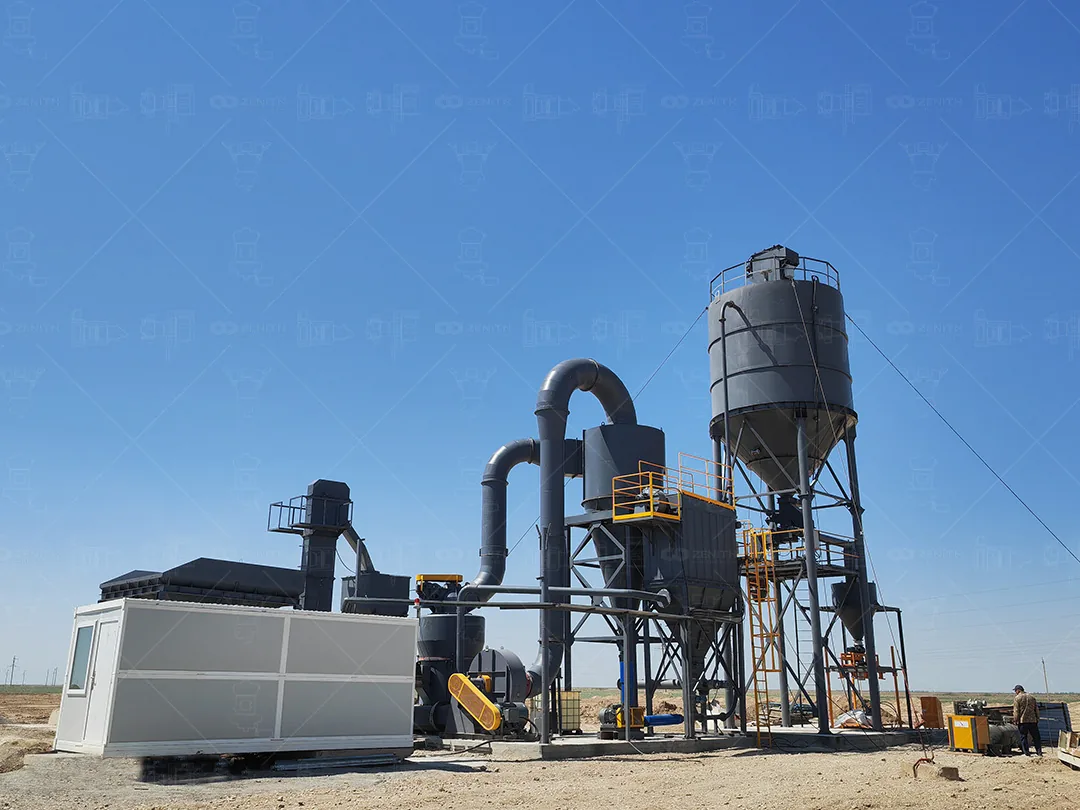
In the competitive landscape of industrial mineral processing, the demand for high-purity, ultra-fine mica powder for insulation materials has never been greater. Mica, renowned for its excellent dielectric strength, thermal resistance, and layered structure, is a cornerstone in the production of electrical insulation, fire-resistant boards, and high-performance coatings. For manufacturers in Sri Lanka seeking to upgrade their production capabilities, the XZM800 Ultrafine Grinding Mill from Shanghai Zenith Machinery Co., Ltd. stands out as a game-changing solution, delivering 4 tons per hour of 1600 mesh mica powder with unmatched efficiency and reliability.
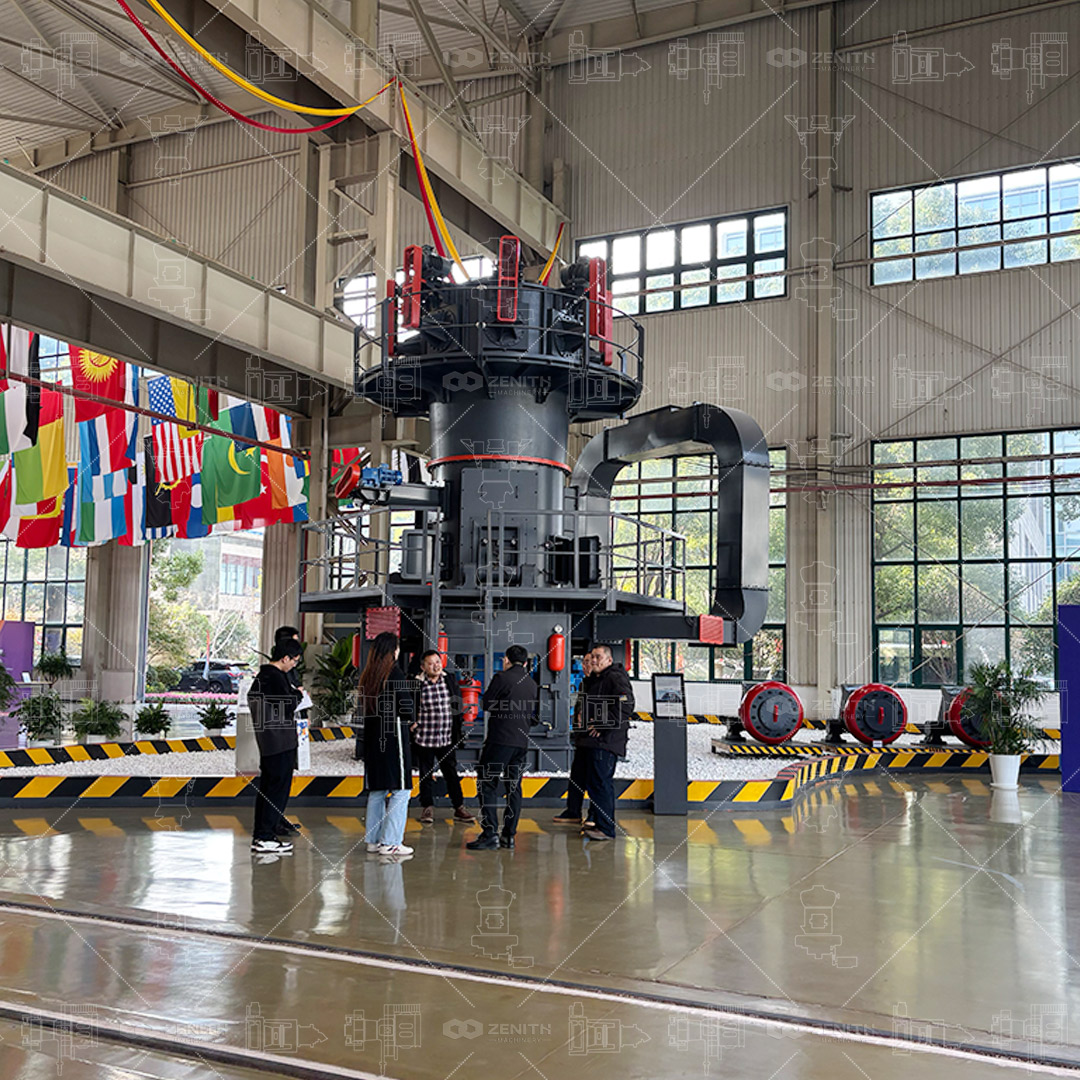
Meeting Sri Lanka’s Insulation Material Demands
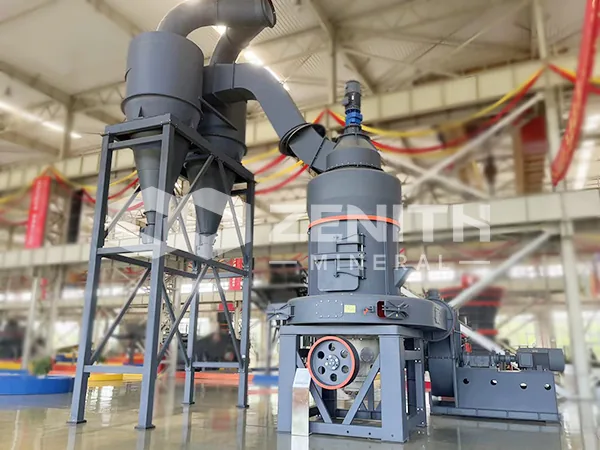
Sri Lanka’s growing industrial sector, particularly in electrical and construction materials, requires consistent supply of finely ground mica. The XZM800 is engineered to process mica from 0-20mm feed size down to an adjustable fineness of 325-3250 mesh (D97 < 5 micron achievable), making it ideal for 1600 mesh insulation-grade powder. This mill’s advanced classifier, equipped with a variable frequency drive (VFD), allows operators to precisely control rotor speed via the electric control panel, ensuring repeatable particle size distribution—critical for maintaining insulation material standards.
Key Performance Data for 1600 Mesh Mica Production
For a target output of 1600 mesh (approximately 10 microns), the XZM800 delivers a stable capacity of 4 t/h when processing mica with typical moisture content below 6%. This throughput is achieved with significantly lower energy consumption compared to traditional mills. Compared to airflow mills and stirring mills, the XZM series offers 40% higher efficiency and 70% lower energy consumption under the same power conditions—a critical advantage for Sri Lankan operators aiming to reduce production costs.
_1781720673867.jpg)
Why Choose XZM800 for Insulation-Grade Mica?
- Arbitrary Fineness Adjustment: The mill’s classifier can be tuned from 325 to 2500 mesh without mechanical modification, providing flexibility for different insulation product specifications.
- Safe Structural Design: The grinding chamber contains no rolling bearings or screws, eliminating common failure points like bearing seal wear and screw loosening—a design that reduces downtime and maintenance costs in continuous operation.
- High Purity Retention: The mill’s materials of construction and negative-pressure system minimize iron contamination, preserving mica’s natural whiteness and dielectric properties essential for high-voltage insulation.
- Environmental Compliance: The system operates under negative pressure with a pulse dust collector, meeting Sri Lanka’s environmental standards for particulate emissions.
Integration with ZENITH’s Complete Product Line
While the XZM800 is perfectly suited for 1600 mesh mica, ZENITH offers complementary equipment for upstream and downstream processes. For coarser grinding stages or larger capacities, the LM Vertical Grinding Mill (3-340 t/h, 80-400 mesh) provides automated, high-purity output, while the MTW European Trapezium Mill (3-22 t/h, 30-325 mesh) serves as an efficient pre-grinding solution. For applications requiring micro-fine powder below 1250 mesh, the LUM Ultrafine Vertical Grinding Mill (5-18 t/h, 325-2500 mesh) integrates grinding, separation, and transport in one unit, ideal for premium insulation formulations.
_1781720673869.jpg)
Technical Specifications Relevant to Insulation Mica
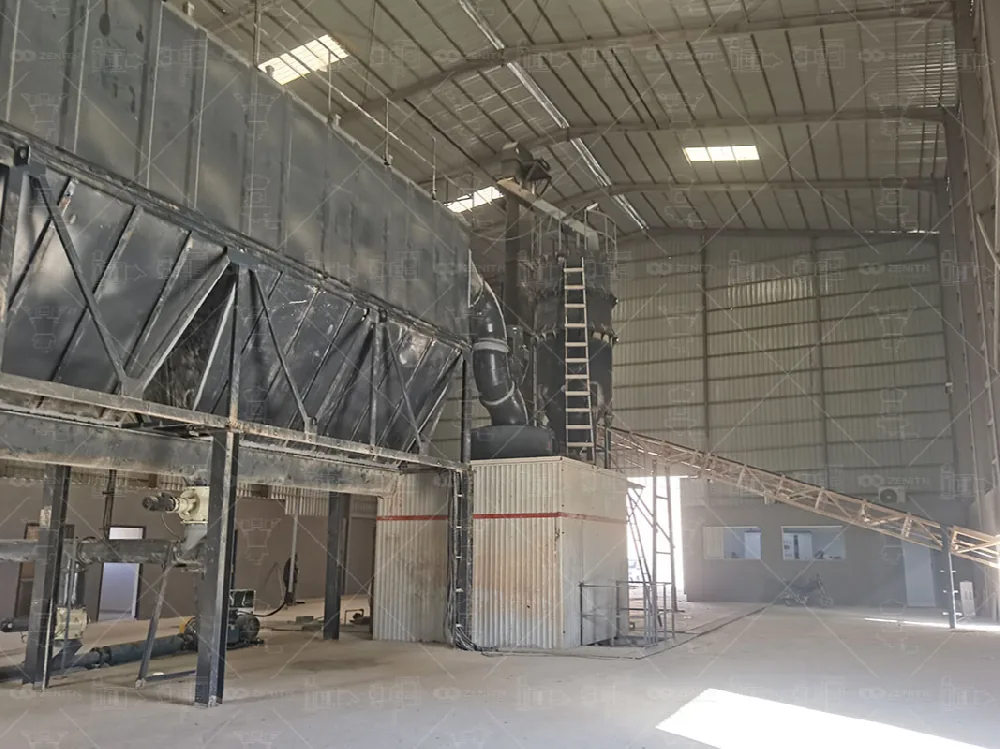
The XZM800 features a compact design that reduces occupied area by approximately 50% compared to ball mill systems, lowering civil engineering investments for new plants. The mill’s working principle ensures efficient material flow: crushed mica enters the main machine, falls onto the turntable, and is ground by rollers under centrifugal force. Airflow carries the powder to the classifier where unqualified particles return for re-grinding, while qualified 1600 mesh powder is collected in the cyclone and pulse dust collector. The system’s positive-negative pressure balance prevents dust leakage, ensuring a clean working environment.
Proven Global Expertise
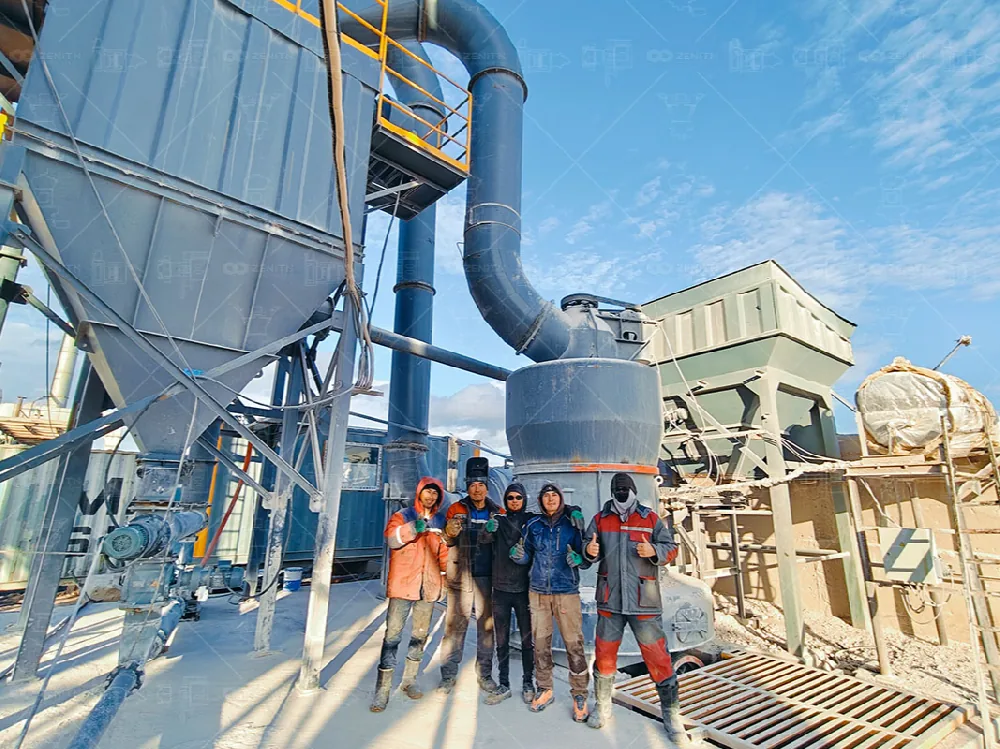
Shanghai Zenith Machinery, with ISO, CE, and CU-TR certifications, has supplied grinding solutions to over 180 countries, including numerous installations in Asia. Our overseas offices in more than 30 countries provide local technical support, ensuring Sri Lankan customers receive timely service for commissioning, training, and spare parts. The XZM800’s simple inner structure translates to less downtime and easier maintenance—a crucial factor for plants operating around the clock.
_1781720673873.jpg)
Economic and Operational Benefits for Sri Lankan Manufacturers
Adopting the XZM800 for 1600 mesh mica powder offers a rapid return on investment. The 70% energy savings compared to stirring mills directly reduces electricity costs—a significant line item in Sri Lanka’s industrial power tariffs. The ability to adjust fineness without mechanical changes allows manufacturers to serve multiple market segments (e.g., 1250 mesh for paint, 1600 mesh for insulation, 2500 mesh for cosmetics) from a single mill, increasing operational flexibility. Additionally, the mill’s VFD-controlled classifier enables precise control of production rate and particle size, minimizing waste and re-processing.
Case Study: Mica for Electrical Insulation
A leading Sri Lankan insulation board manufacturer replaced their existing ball mill system with an XZM800 to produce 1600 mesh mica powder. Results after three months of operation included: consistent D97 particle size within ±0.5 microns, a 55% reduction in energy consumption per ton, and a 30% increase in production uptime due to fewer mechanical failures. The mill’s ability to maintain product purity below 0.1% iron contamination met the stringent requirements of their export-grade electrical insulation products.
Conclusion
For Sri Lankan producers aiming to capitalize on the growing demand for high-quality insulation materials, the XZM800 Ultrafine Grinding Mill offers a proven, cost-effective solution for 1600 mesh mica powder production. With its combination of high capacity, low energy use, adjustable fineness, and robust design, the XZM800 is more than a mill—it’s a strategic asset for competitive manufacturing.
Frequently Asked Questions
Q1: What is the exact capacity of the XZM800 when grinding mica to 1600 mesh?
A: Under standard conditions with feed size ≤20mm and moisture ≤6%, the XZM800 produces approximately 4 tons per hour of 1600 mesh mica powder.
Q2: How does the XZM800 compare to a ball mill for mica grinding?
A: The XZM800 offers 40% higher grinding efficiency and 70% lower energy consumption than ball mills for the same output fineness, with a smaller footprint and easier maintenance.
Q3: Can the XZM800 produce mica powder finer than 1600 mesh?
A: Yes, the mill can be adjusted to produce fineness from 325 to 2500 mesh (D97 < 5 micron), and it is capable of achieving micro-powder grades required for specialized insulation applications.
Q4: What certifications does the XZM800 hold for international standards?
A: The XZM800 is manufactured under ZENITH’s ISO 9001 quality system and carries CE and CU-TR certifications, ensuring compliance with European and Eurasian customs union standards.
Q5: Is the XZM800 suitable for continuous 24/7 operation in Sri Lanka?
A: Absolutely. The mill’s design eliminates bearings and screws in the grinding chamber, reducing wear points, and its negative-pressure system ensures reliable long-run performance with minimal dust emissions.
Q6: What after-sales support does ZENITH provide for Sri Lankan customers?
A: ZENITH has overseas offices in over 30 countries, including regional support for Asia, offering technical documentation, remote diagnostics, spare parts supply, and on-site commissioning services.
Q7: What is the typical payback period for investing in an XZM800 for mica insulation powder?
A: Based on energy savings alone (70% reduction) and increased production efficiency, many customers achieve full payback within 12 to 18 months, depending on local electricity costs and production volumes.