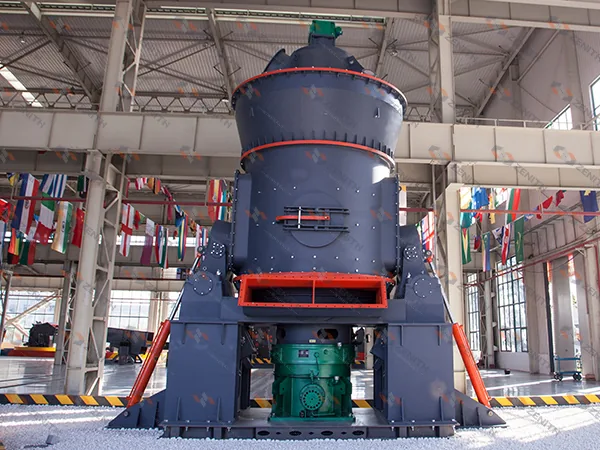
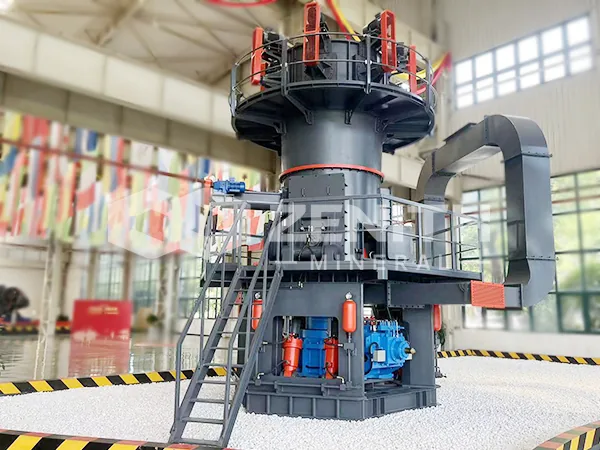
A cement plant in malawi is purchasing cement raw material (limestone, iron ore, gypsum) grinding equipment with a capacity of 5 t/h and a finished product fineness of 250-325 mesh.
2026-04-30 02:26:16
Malawi's cement industry is growing, and with it comes the need for reliable, high-performance grinding equipment. A cement plant in Malawi is currently seeking a grinding solution for its raw materials—limestone, iron ore, and gypsum—with a capacity of 5 tons per hour and a finished product fineness requirement of 250–325 mesh. This article explores the technical considerations, suitable equipment options from Shanghai Zenith Machinery Co., Ltd., and how these machines can deliver consistent, cost-effective results for this specific application.
_1777487176717.jpg)
Understanding the Raw Material Grinding Challenge
Grinding cement raw materials like limestone, iron ore, and gypsum to a fineness of 250–325 mesh requires a mill that balances capacity, energy efficiency, and product quality. For a 5 t/h output, the equipment must handle varying material hardness while maintaining consistent particle size distribution. At Shanghai Zenith, we specialize in industrial powder grinding equipment with a processing range covering 1–3 mm coarse powder, 20–400 mesh fine powder, 400–1250 mesh ultrafine powder, and 1250–3250 mesh micro powder. Our machinery has earned ISO, CE, and CU-TR certifications, and we have extensive experience in Africa—including Malawi—with marketing networks in over 180 countries.
Recommended Grinding Machines for 5 t/h and 250–325 Mesh
1. MTW European Trapezium Mill
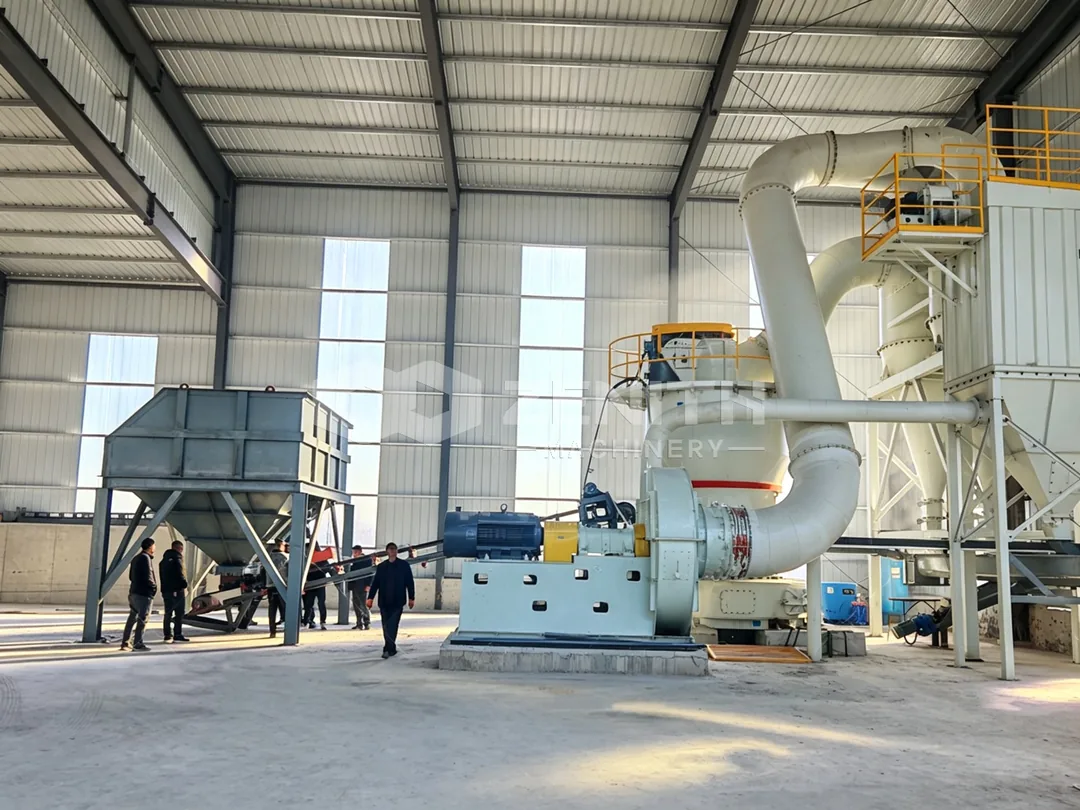
The MTW series trapezium mill is an excellent choice for this application. With a capacity range of 3–22 t/h and an output fineness of 30–325 mesh, it can comfortably deliver 5 t/h at 250–325 mesh. This mill features a modular impeller adjustment device that allows operators to change fineness simply by swapping impellers, offering great flexibility. Energy consumption is over 60% lower than a ball mill under ideal conditions, and its high-efficiency impeller fan boosts induced air efficiency from 62% to 85%. The MTW mill also operates under positive and negative pressure with a pulse dust collector, meeting environmental standards. For a cement plant in Malawi, this means lower electricity costs, less maintenance, and a smaller footprint—savings that compound over years of operation.
_1777487176719.jpg)
2. MTM European Trapezium Mill
If the plant prioritizes proven reliability and lower initial investment, the MTM series mill is a strong candidate. With over 30 years of practical use in mineral powder grinding, it offers a capacity of 3–22 t/h and output fineness of 80–400 mesh. The MTM mill shares the same energy-saving advantage—60% lower consumption than ball mills—and its own production system reduces plant construction costs. For Malawi's cement plant, the MTM can grind limestone, iron ore, and gypsum to 250–325 mesh with minimal downtime. Its simple design makes it easy to operate and maintain, which is crucial for remote locations where technical support may be limited.
3. Raymond Mill
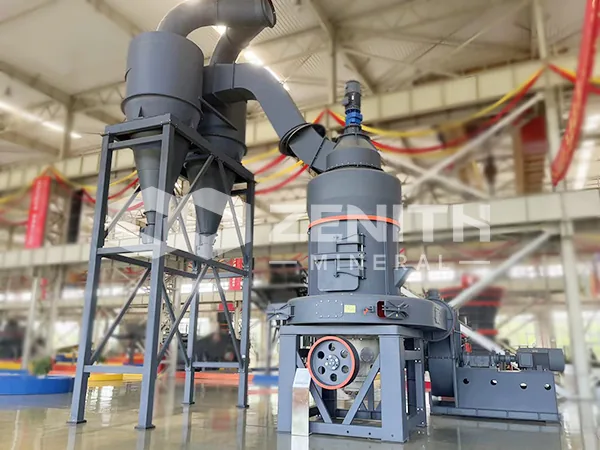
For a classic, cost-effective solution, the Raymond mill (also called a high-pressure roller mill) is widely used in cement raw material preparation. It handles 3–22 t/h and produces 10–325 mesh powder. The screening efficiency reaches 99%, ensuring uniform product fineness—critical for cement quality. The Raymond mill covers a small area and uses intelligent control, allowing for labor-free operation. In Malawi, where skilled operators may be scarce, this automation reduces training needs and operational costs. The high-quality steel construction and abrasion-resistant vulnerable parts also mean longer service life under continuous use.
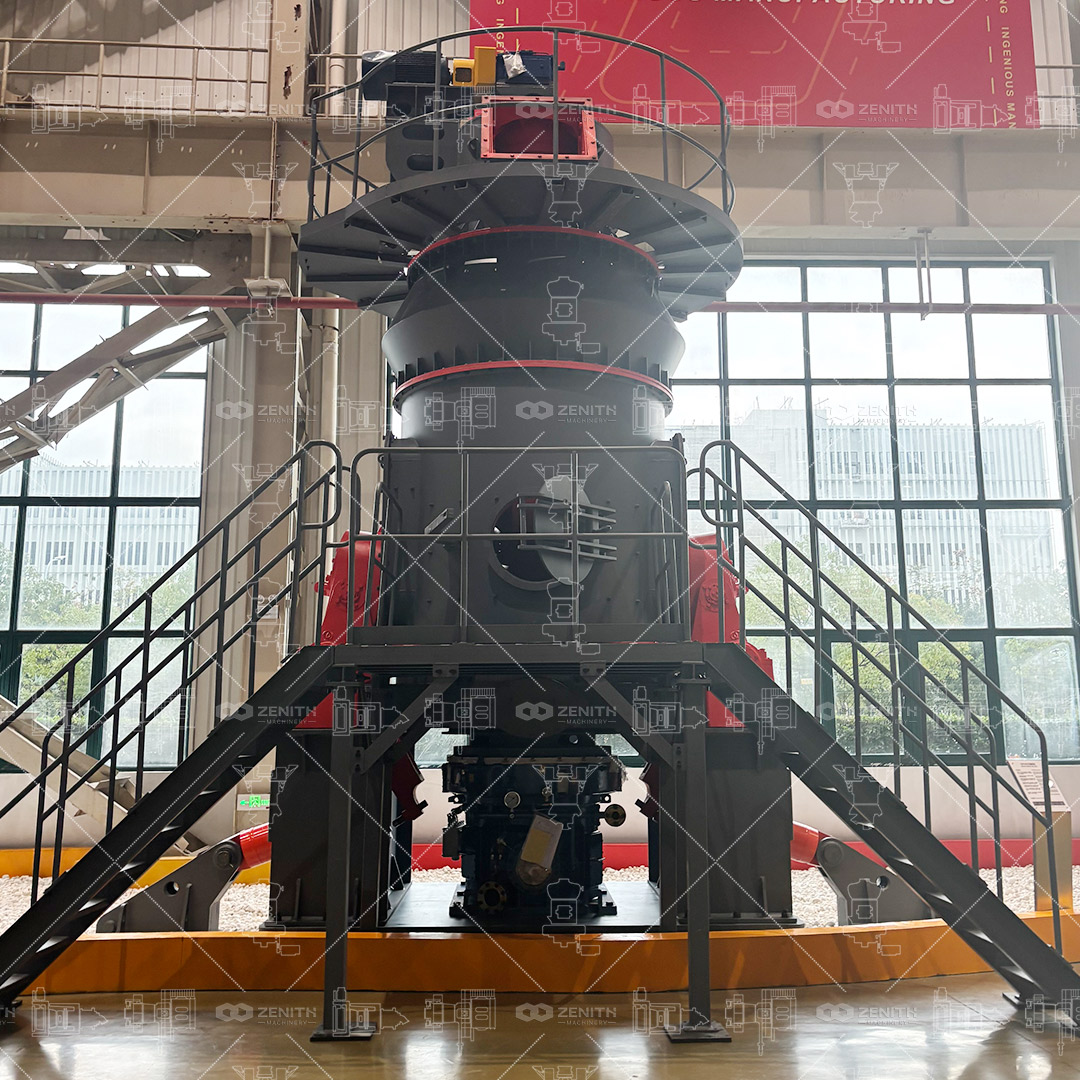
4. LM Vertical Grinding Mill
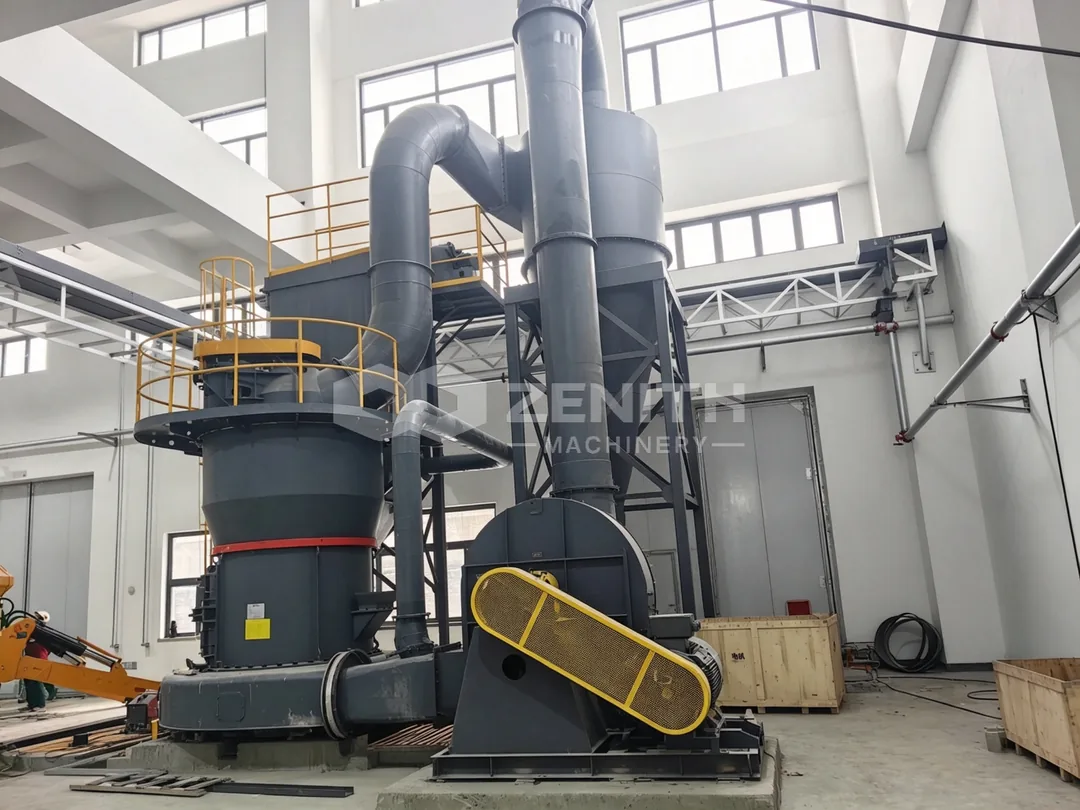
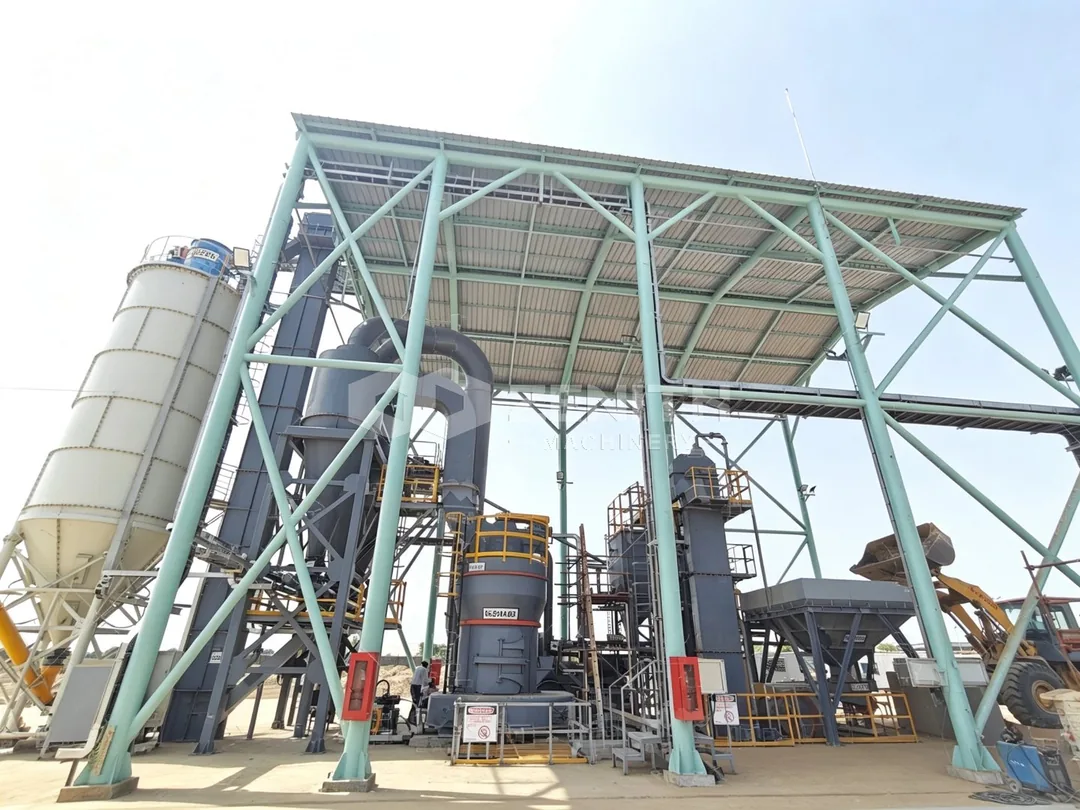
Although the LM series has a larger capacity (3–340 t/h), it is still worth considering for future expansion. For a 5 t/h requirement, a smaller model can be selected. This vertical roller mill operates 24/7 with high automation, remote control, and low labor costs. It occupies about 50% less area than a ball mill system and can be installed outdoors, saving on plant construction. The sealed, negative-pressure operation ensures no dust spillover—important for environmental compliance. For cement plants in Malawi looking to scale up, the LM mill offers a future-proof investment.
Why Choose Zenith Equipment for Malawi?
Shanghai Zenith Machinery has a strong presence in Africa, with overseas offices in over 30 countries. Our equipment is built for durability and efficiency in demanding conditions. For this cement plant, we recommend either the MTW or MTM mill as the primary candidate due to their precise fit with the 5 t/h, 250–325 mesh specifications. Both mills deliver consistent product quality, lower energy consumption, and reduced maintenance compared to traditional ball mills. Additionally, our team can provide on-site training and remote support to ensure smooth operation.
_1777487176724.jpg)
Technical Comparison at a Glance
- MTW Mill: 3–22 t/h, 30–325 mesh, 60% energy savings, modular fineness adjustment
- MTM Mill: 3–22 t/h, 80–400 mesh, stable operation, low investment
- Raymond Mill: 3–22 t/h, 10–325 mesh, 99% screening efficiency, intelligent control
- LM Mill: 3–340 t/h, 80–400 mesh, high automation, compact design
All machines meet environmental standards and can handle the mixed feed of limestone, iron ore, and gypsum common in cement raw material preparation.
_1777487176725.jpg)
Conclusion
A cement plant in Malawi requiring 5 t/h grinding capacity for cement raw materials with a fineness of 250–325 mesh has multiple reliable options from Zenith. The MTW European Trapezium Mill stands out for its energy efficiency, fineness adjustability, and compact system design. Alternatively, the MTM mill offers a time-tested solution with lower upfront costs. Both are backed by Zenith's global support network and certifications. With the right equipment, the plant can achieve high productivity, consistent product quality, and long-term cost savings, contributing to Malawi's cement industry growth.
Frequently Asked Questions (FAQs)
1. Can one mill handle both limestone and iron ore grinding?
Yes, mills like the MTW and MTM series can grind a mix of limestone, iron ore, and gypsum. Their robust design accommodates varying hardness levels. However, the feed size must be within 0–35 mm for optimal performance. We recommend testing your specific raw materials to determine the ideal roller pressure and classifier speed.
2. What is the expected energy cost savings compared to a ball mill?
Both the MTW and MTM mills consume over 60% less energy than a ball mill of the same grade under ideal conditions. For a 5 t/h operation, this translates to significant annual savings in electricity, especially in regions like Malawi where power costs can be high.
3. How often do I need to replace wear parts?
Wear part life depends on material abrasion and operating hours. Typically, grinding rollers and rings in the MTW/MTM mills last 6–12 months under continuous use. The Raymond mill's vulnerable parts are made of high-quality abrasion-resistant materials, prolonging service life. We supply spare parts globally, including to Malawi.
4. Is it difficult to adjust the fineness from 250 to 325 mesh?
Not at all. The MTW mill uses a modular impeller adjustment device—simply change the impeller to switch fineness. The MTM mill and Raymond mill have adjustable classifier speeds. This process is quick and can be done without halting production for long periods.
5. What is the after-sales support like for a plant in Malawi?
Zenith has a strong network in Africa, with overseas offices in more than 30 countries. We offer installation guidance, operator training, and remote technical support. Spare parts can be shipped promptly. Our team can also conduct on-site visits for commissioning and troubleshooting.
6. Does the equipment meet environmental standards?
Yes. All our mills are paired with pulse dust collectors and operate under negative pressure systems to prevent dust spillover. They meet national environmental protection standards and are designed for eco-friendly production with low noise and vibration.
7. Can I scale up production later with the same mill?
The MTW and MTM mills have a maximum capacity of 22 t/h, so if you plan to increase output beyond 5 t/h in the future, these mills can accommodate higher throughput with adjustments to the classifier and fan speed. For larger expansions, the LM vertical mill offers capacities up to 340 t/h.