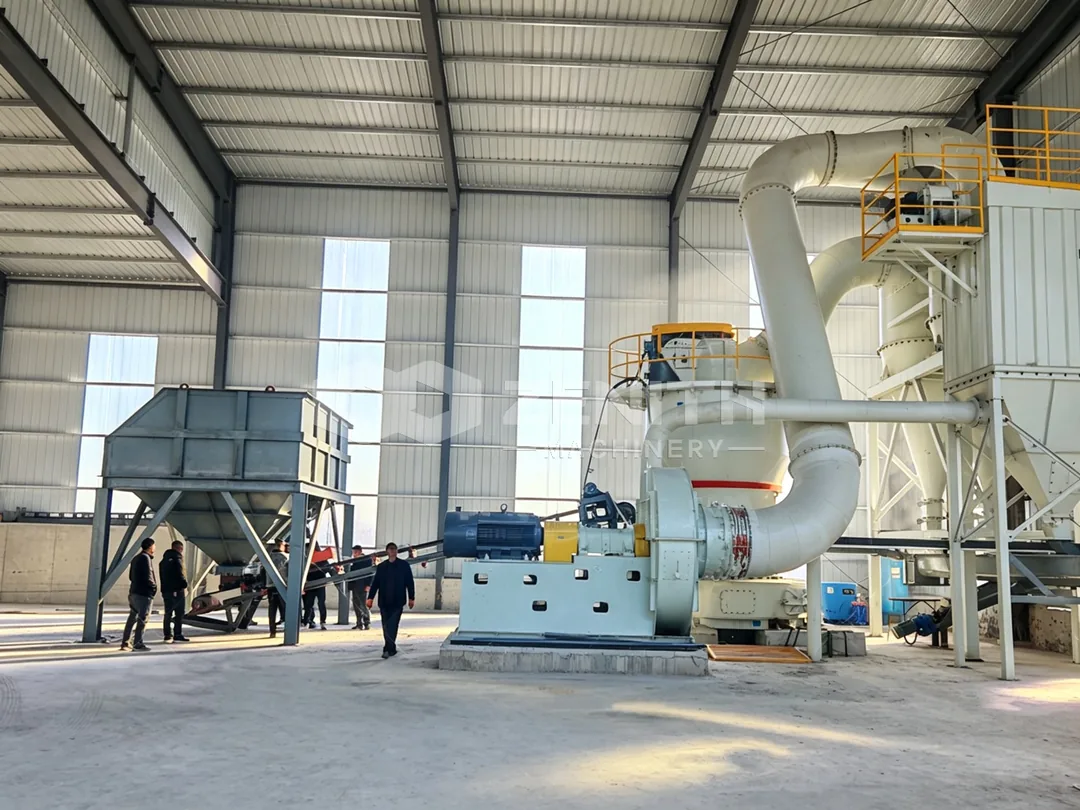
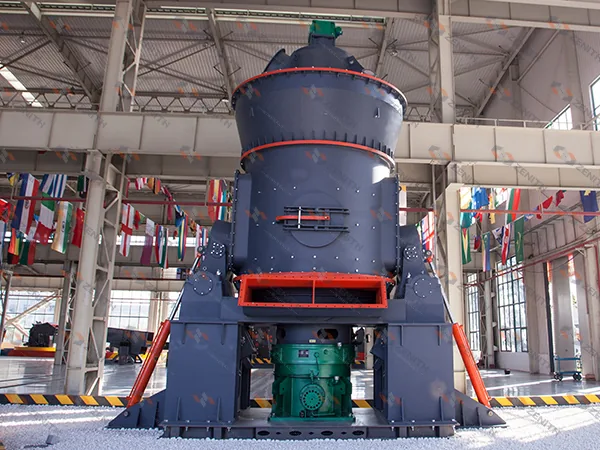
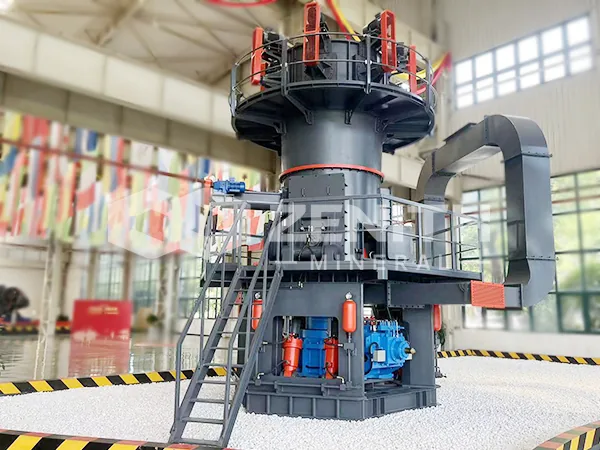
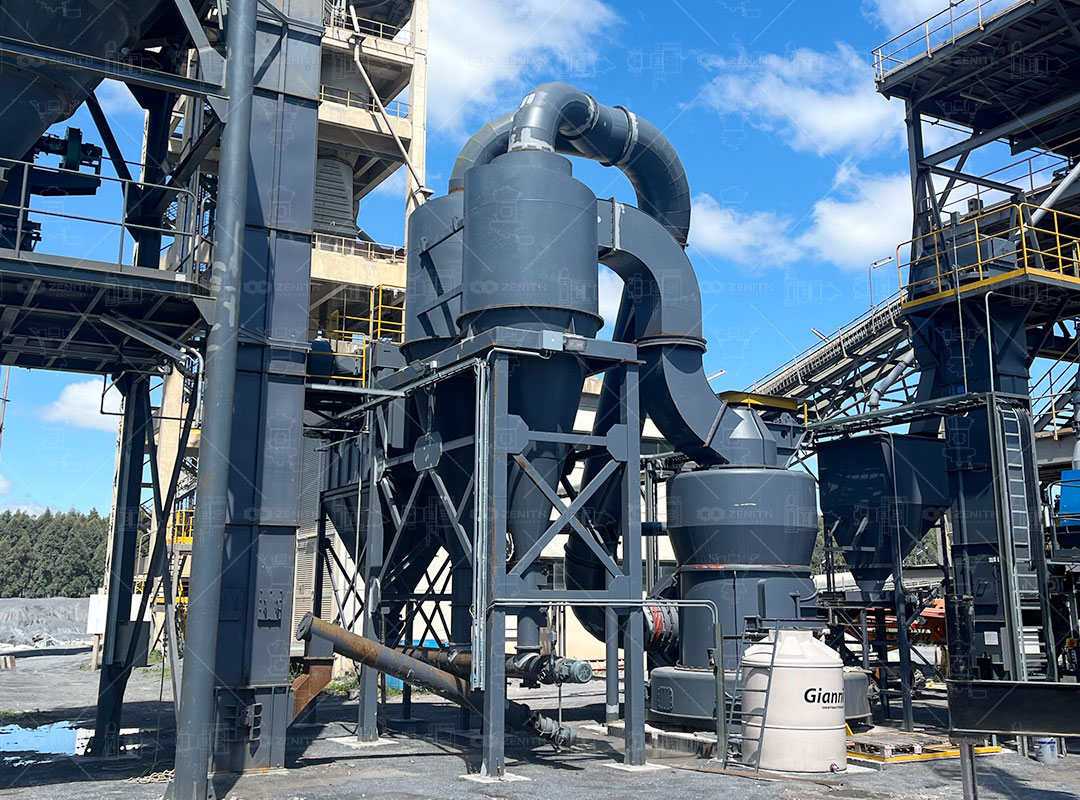
A bangladeshi agricultural and fertilizer company purchased a grinding mill to process natural gypsum ore. the finished product will be used as a mineral fertilizer and soil conditioner.
2026-04-29 02:26:51
In the fertile alluvial plains of Bangladesh, where rice paddies stretch to the horizon and jute fields sway in the monsoon winds, the health of the soil is paramount. For decades, farmers have relied on synthetic fertilizers to boost yields, but a quiet revolution is underway—a shift towards natural mineral fertilizers and soil conditioners. At the heart of this transformation is a Bangladeshi agricultural and fertilizer company that recently made a strategic investment: the purchase of a state-of-the-art grinding mill to process natural gypsum ore. This article explores their journey, the technology they chose, and why it matters for the future of sustainable agriculture in South Asia.
_1777400811205.jpg)
The Challenge: From Raw Ore to Fine Fertilizer
Gypsum (calcium sulfate dihydrate) is a naturally occurring mineral that has been used for centuries to improve soil structure, reduce compaction, and provide essential calcium and sulfur. However, the raw ore—often sourced from quarries or riverbeds—must be processed into a fine, uniform powder to be effective as a soil amendment. The Bangladeshi company needed a grinding mill that could deliver:
- High throughput to meet seasonal demand spikes
- Consistent particle size (typically 80–400 mesh for agricultural gypsum)
- Energy efficiency to keep operating costs low
- Reliability in a challenging tropical climate
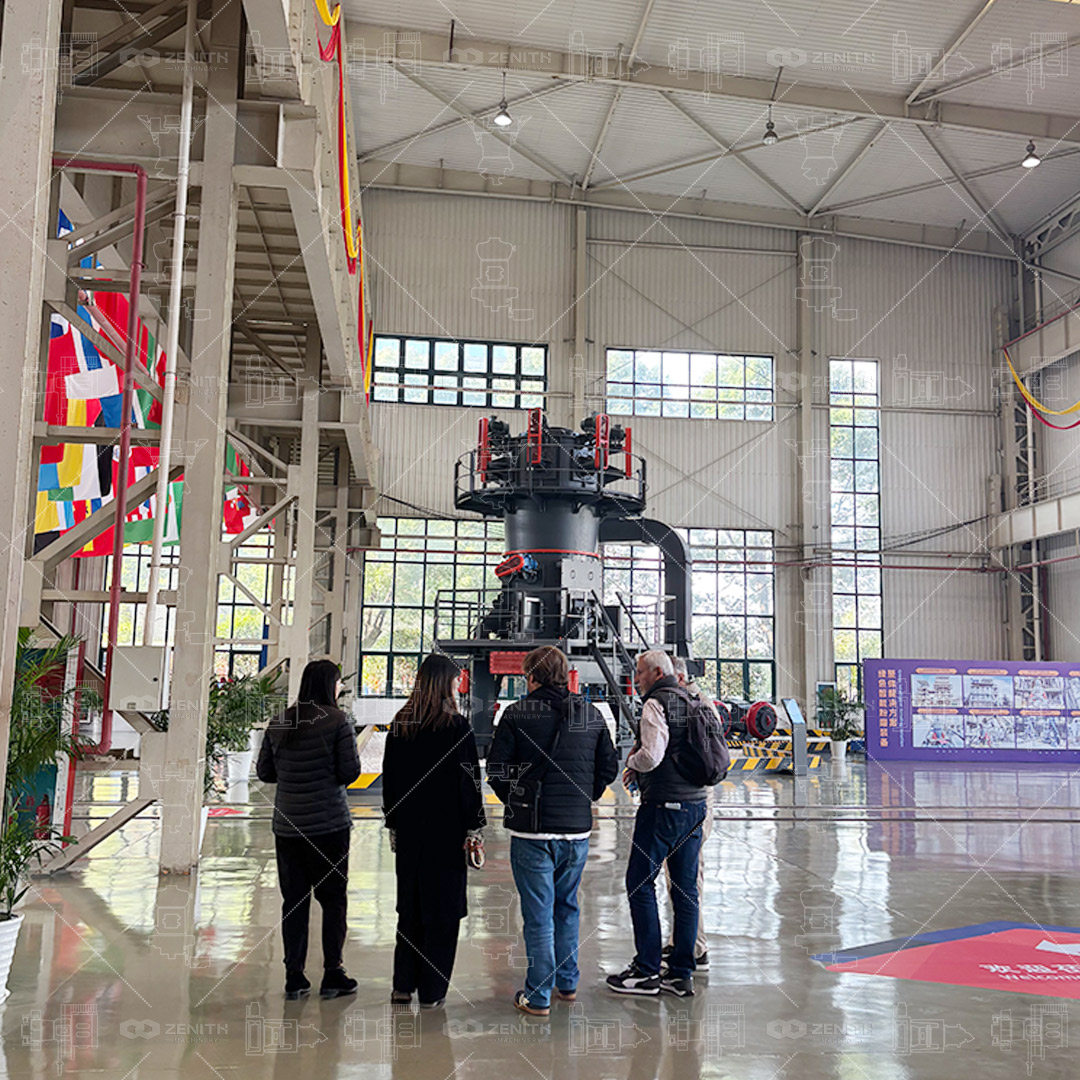
After evaluating several options—including ball mills and Raymond mills—they turned to Shanghai Zenith Mining and Construction Machinery Co., Ltd., a global leader in industrial grinding technology. With a presence in over 180 countries and certifications including ISO 9001, CE, and CU-TR, Zenith offered the expertise and product range needed.
The Selected Solution: MTW European Trapezium Mill
After detailed analysis of the client's requirements—input size up to 35mm, output fineness of 80–325 mesh, and a target capacity of 10–15 tons per hour—Zenith recommended the MTW European Trapezium Mill. Here's why it was the perfect fit:
Key Advantages for Gypsum Processing
- Energy Consumption 60% Lower than Ball Mill: For a company in Bangladesh where energy costs are volatile, this was a game-changer. The MTW mill's advanced grinding principle reduces power draw without sacrificing throughput.
- Adjustable Output Fineness: The modular impeller adjustment device allows the operator to switch between producing coarse (80 mesh) and fine (325 mesh) gypsum powder simply by changing impellers. This flexibility lets the company serve both the bulk fertilizer market and specialized soil conditioning blends.
- Higher Induced Air Efficiency: With an impeller fan efficiency improved from 62% to 85%, the mill achieves better classification, reducing recirculation and boosting overall productivity.
- Less Occupied Area & Lower Investment: The MTW mill is an integrated system from feeding to finished product collection, requiring less floor space and simpler foundation work—critical for a facility built on tight timelines.
Working Principle in Action
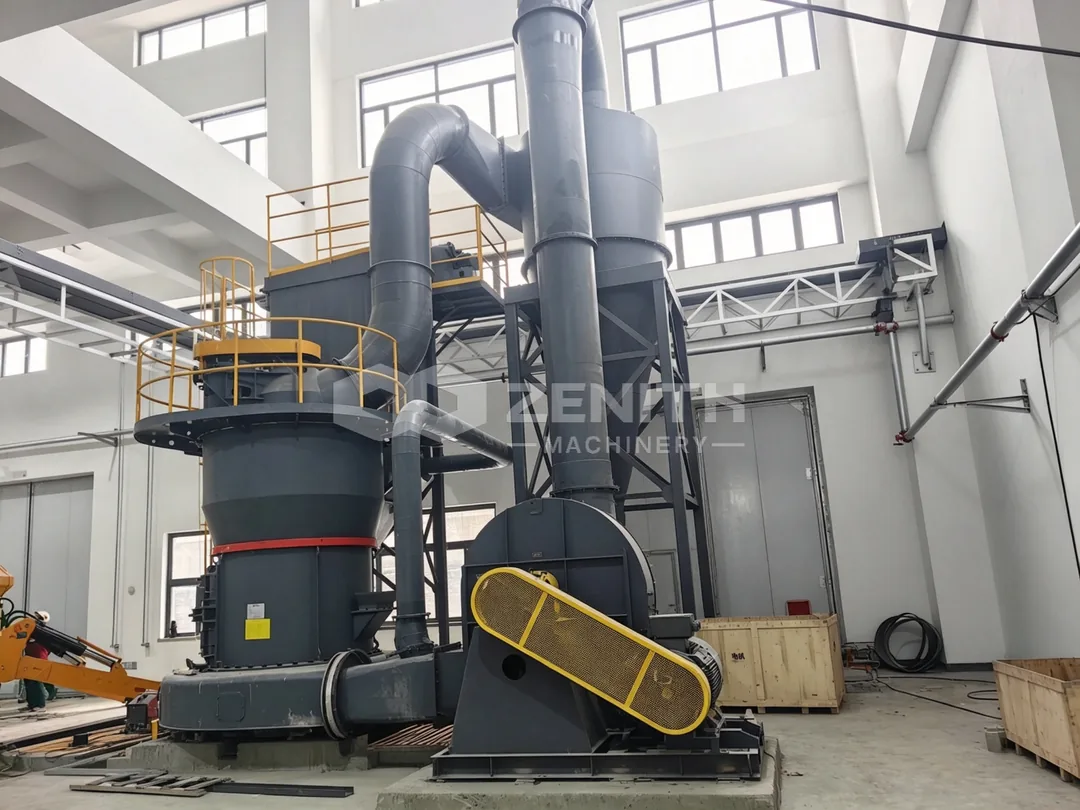
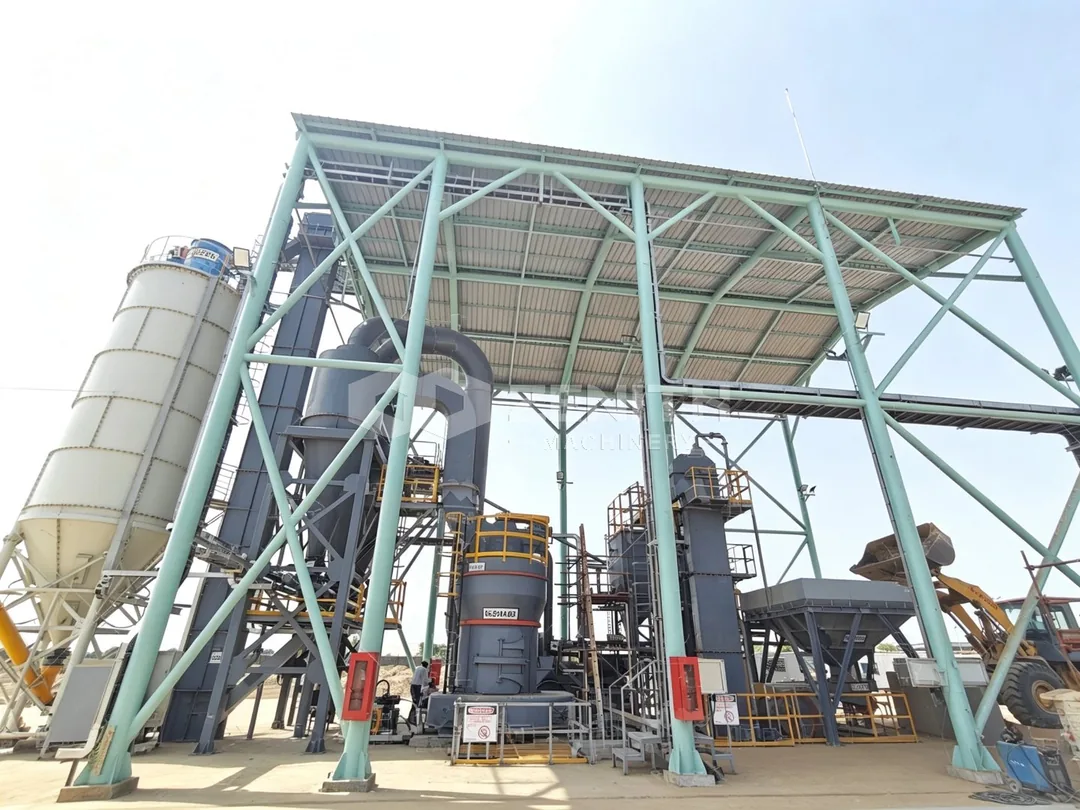
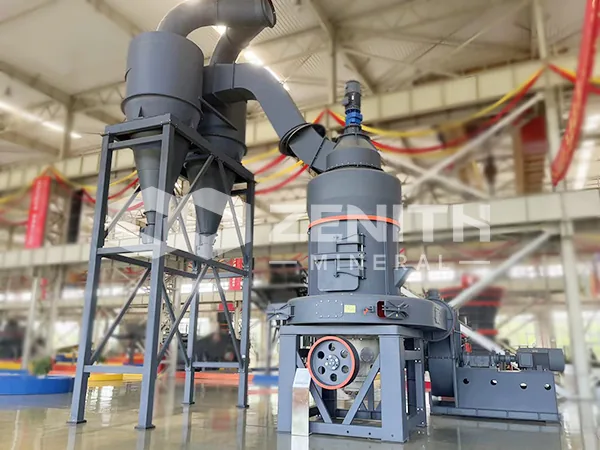
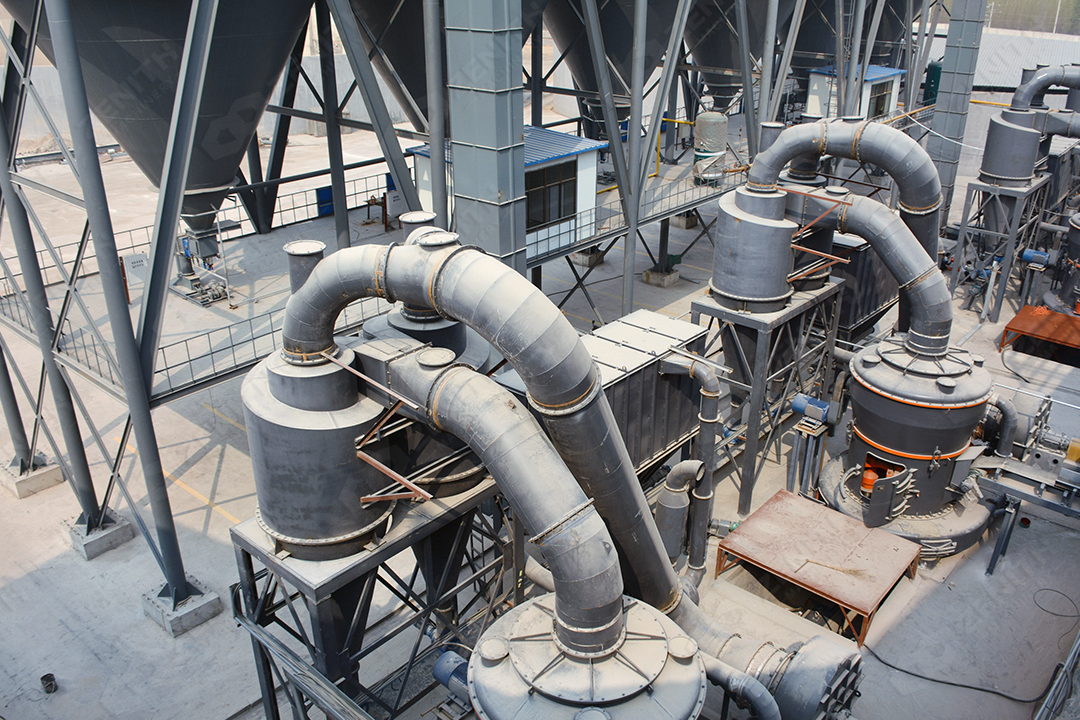
In the gypsum plant, the raw ore is first crushed to <35mm. A variable frequency belt feeder then delivers the material into the main grinding chamber. The grinding rollers and ring crush the ore into fine particles, which are swept upward by airflow into the classifier. The rotating impeller separates coarse particles (which fall back for re-grinding) from the finished fine powder. This fine powder is collected in a cyclone separator and pulse dust collector, ensuring zero dust emissions—a key requirement for meeting Bangladesh's environmental standards.
The Impact on Bangladeshi Agriculture
The processed gypsum from this mill is now being distributed to rice, wheat, and vegetable farmers across the country. The benefits are tangible:
- Improved soil structure: Gypsum flocculates clay soils, improving water infiltration and root penetration.
- Reduced salinity: In coastal areas affected by saltwater intrusion, gypsum helps leach sodium from the soil.
- Enhanced nutrient uptake: Calcium and sulfur from gypsum are essential for plant cell walls and protein synthesis.
According to the company's plant manager, "The MTW mill has exceeded our expectations. We are producing 15 tons per hour of consistent, high-quality gypsum powder with energy costs 40% lower than our old ball mill. The automatic control system means we can operate with a smaller crew, and the dust collection system keeps our facility clean and compliant."
Why This Matters for the Regional Market
Bangladesh imports a significant portion of its fertilizer raw materials. By processing local gypsum ore, this company reduces import dependency, creates rural jobs, and provides farmers with a cost-effective, locally sourced soil conditioner. As the global agricultural sector moves towards regenerative practices, the demand for natural mineral fertilizers is only expected to grow.
_1777400811211.jpg)
Choosing the Right Grinding Mill: A Technical Perspective
While the MTW mill was ideal for this application, Zenith offers a range of mills for different gypsum processing needs:
- For coarse powder (0–3mm): The Hammer Mill offers high capacity and low investment.
- For medium-fine powder (80–400 mesh): The MTM Trapezium Mill is a stable, cost-effective alternative.
- For large-scale operations (up to 340 T/H): The LM Vertical Grinding Mill provides automated, 24/7 operation.
- For ultrafine powder (325–2500 mesh): The LUM or XZM Ultrafine Mills can produce high-value, market-specific grades.
The company's success story is a testament to the importance of matching process requirements with the right technology. With Zenith's expertise, they have built a facility that is not just a grinding plant but a cornerstone of sustainable agriculture in Bangladesh.
Frequently Asked Questions (FAQ)
1. What is the ideal fineness for agricultural gypsum powder?
Agricultural gypsum is typically ground to 80–325 mesh (0.177–0.044 mm). For direct soil application, 80–100 mesh is common, while finer grades (200–325 mesh) are used for suspensions or specialized blends. Zenith's MTW mill can easily adjust to these ranges with a simple impeller change.
2. How does the MTW mill compare to a ball mill for gypsum grinding?
The MTW mill consumes 60% less energy than a ball mill of comparable capacity. It also has a smaller footprint, lower maintenance costs (no grinding media replacement), and produces a more consistent particle size distribution. For gypsum, where moisture content can vary, the MTW's hot air drying system is also an advantage.
3. Can the mill handle gypsum with high moisture content?
Yes. The MTW mill can process materials with moisture up to 6%–8% without pre-drying, thanks to the hot air introduced into the grinding chamber. For higher moisture (>10%), a pre-dryer or flash dryer can be integrated. The negative pressure system prevents clogging.
4. What kind of after-sales support does Zenith offer in Bangladesh?
Zenith has an extensive global service network, including regional offices in South Asia. For this project, they provided on-site installation supervision, commissioning, and operator training. Spare parts are stocked locally, and remote diagnostics are available via the mill's PLC system.
5. Is it possible to expand production capacity in the future?
Absolutely. The MTW mill comes in multiple models (MTW110, MTW138, MTW178, MTW215) with capacities ranging from 3 to 50 TPH. The company can start with a smaller model and upgrade later. Alternatively, Zen-ith's LM vertical mill offers even larger capacities for future expansion.
6. How does the mill meet environmental standards?
The system operates under positive and negative pressure, with a pulse dust collector capturing 99.9% of particles. The mill is fully sealed, eliminating dust leakage. The closed-loop airflow also reduces heat loss. This design helps facilities meet both local and international emission standards.
7. How long does it take to train operators for the MTW mill?
Most operators become proficient within 1–2 weeks of hands-on training. The mill's automatic control system simplifies operation; key parameters like feed rate, classifier speed, and air volume are managed via a touchscreen HMI. Manual override is available for experienced operators.