Customer in bangladesh purchased a 1t/h limestone grinding mill.
2026-04-28 02:26:41
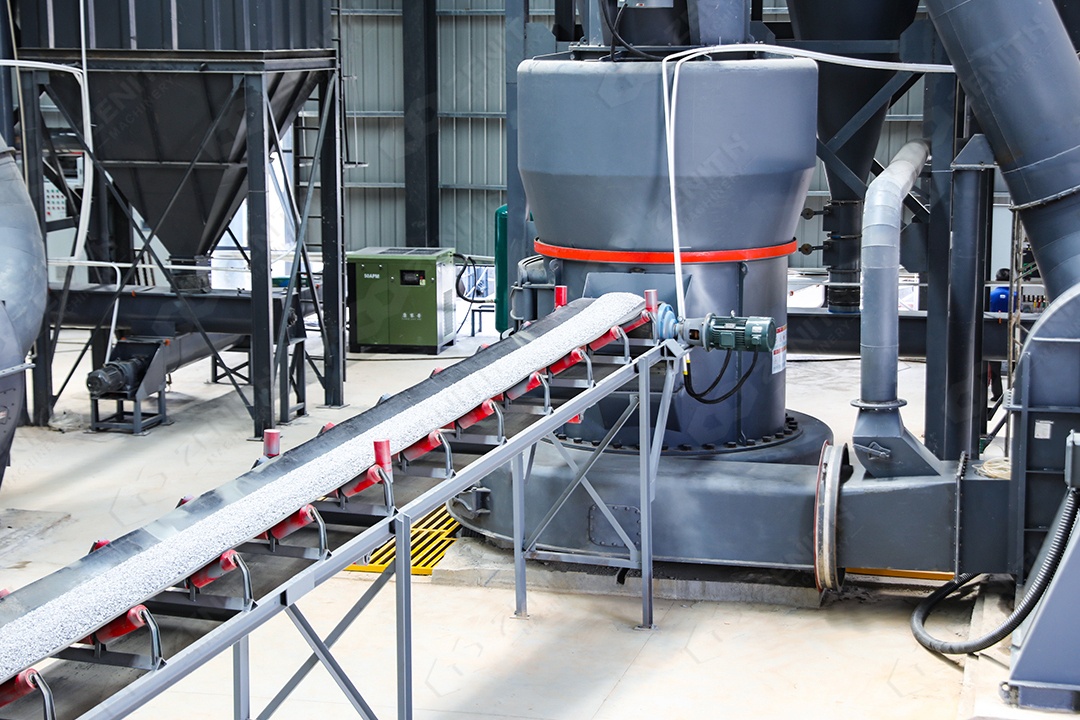
In the bustling industrial landscape of Bangladesh, where rapid infrastructure development meets the need for high-quality raw materials, a local customer recently invested in a 1 ton per hour (t/h) limestone grinding mill from Shanghai Zenith Machinery Co., Ltd. This purchase marks a significant step for the client, who sought to enhance their production of fine limestone powder for applications in construction, agriculture, and water treatment. The decision was driven by the need for reliable, energy-efficient equipment capable of delivering consistent output fineness ranging from 80 to 400 mesh. Leveraging Zenith's decades of expertise and global reach, the customer chose a customized solution that balances capacity, cost, and operational simplicity. This article delves into the project details, the mill selection process, and the technical advantages that made this investment a success.
Project Background and Customer Requirements
The customer, a medium-sized mineral processing enterprise based in Dhaka, Bangladesh, had been relying on outdated ball mills for limestone grinding. These older machines suffered from high energy consumption, frequent downtime, and inconsistent product fineness, which hurt their profitability and ability to meet market demands. After evaluating several suppliers, they approached Zenith for a solution that could produce 1 ton of limestone powder per hour with a target fineness of 200 mesh (74 microns). Key requirements included lower operating costs, minimal footprint, compliance with local environmental standards, and easy maintenance. Zenith's engineering team conducted a site survey and analyzed the raw material characteristics—limestone with a Mohs hardness of 3-4 and moisture content below 6%%—before recommending the MTW European Trapezium Mill.
Why the MTW European Trapezium Mill Was Chosen
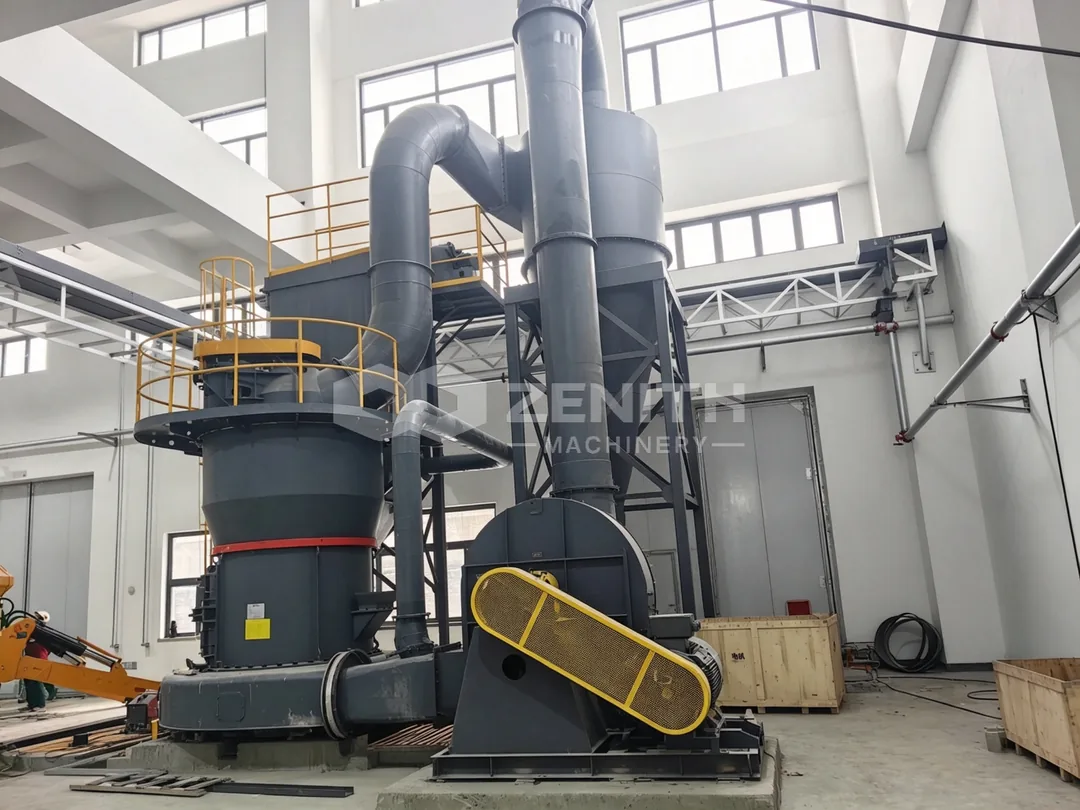
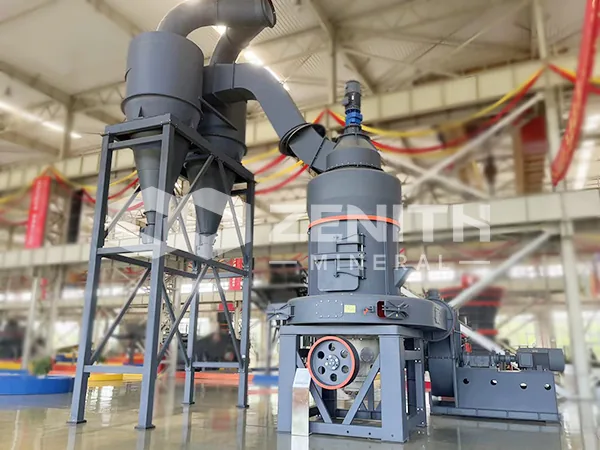
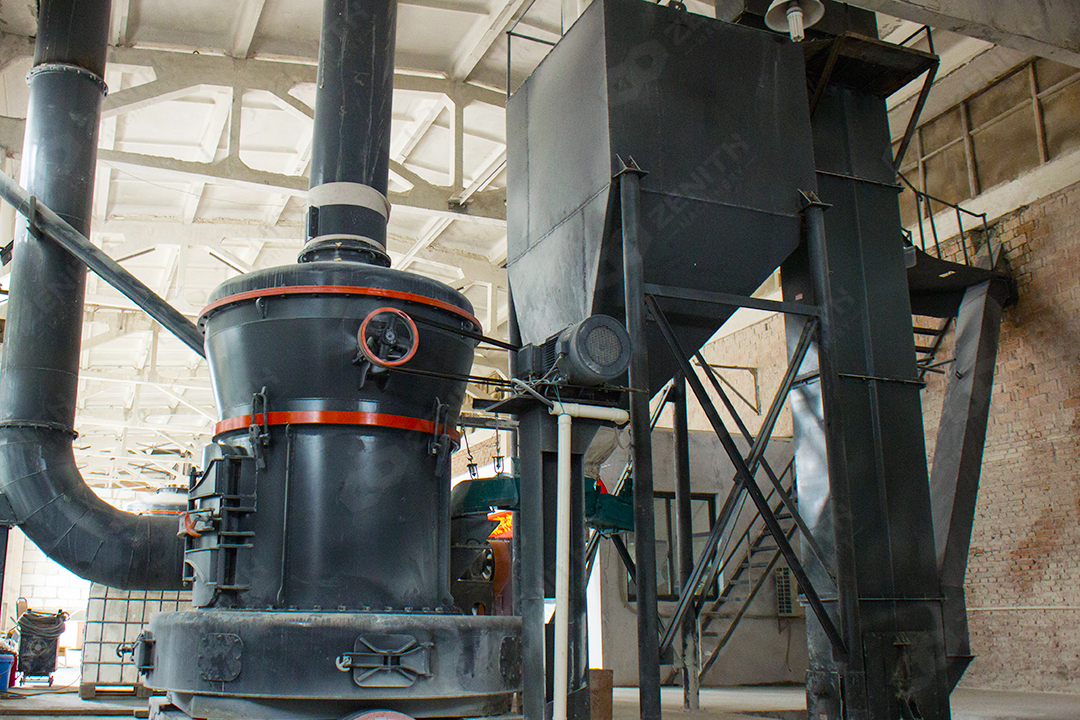
Among Zenith's extensive product portfolio, the MTW series trapezium mill emerged as the ideal match. With a capacity range of 3-22 t/h, the smallest model easily handles 1 t/h while offering room for future scale-up. The mill's trapezoidal grinding ring and roller design ensure higher grinding efficiency and longer service life compared to traditional Raymond mills. For the Bangladesh customer, three features were particularly compelling: 60%% lower energy consumption than ball mills of the same grade, adjustable output fineness via modular impeller changes, and higher induced air efficiency (improved from 62%% to 85%%) through the high-efficiency impeller fan. This translates to tangible savings on electricity bills—a critical factor in Bangladesh, where energy costs are volatile. Additionally, the mill's compact design reduces occupied area and foundation investment, which suited the customer's limited factory space.
_1777314401685.jpg)
Installation and Operational Highlights
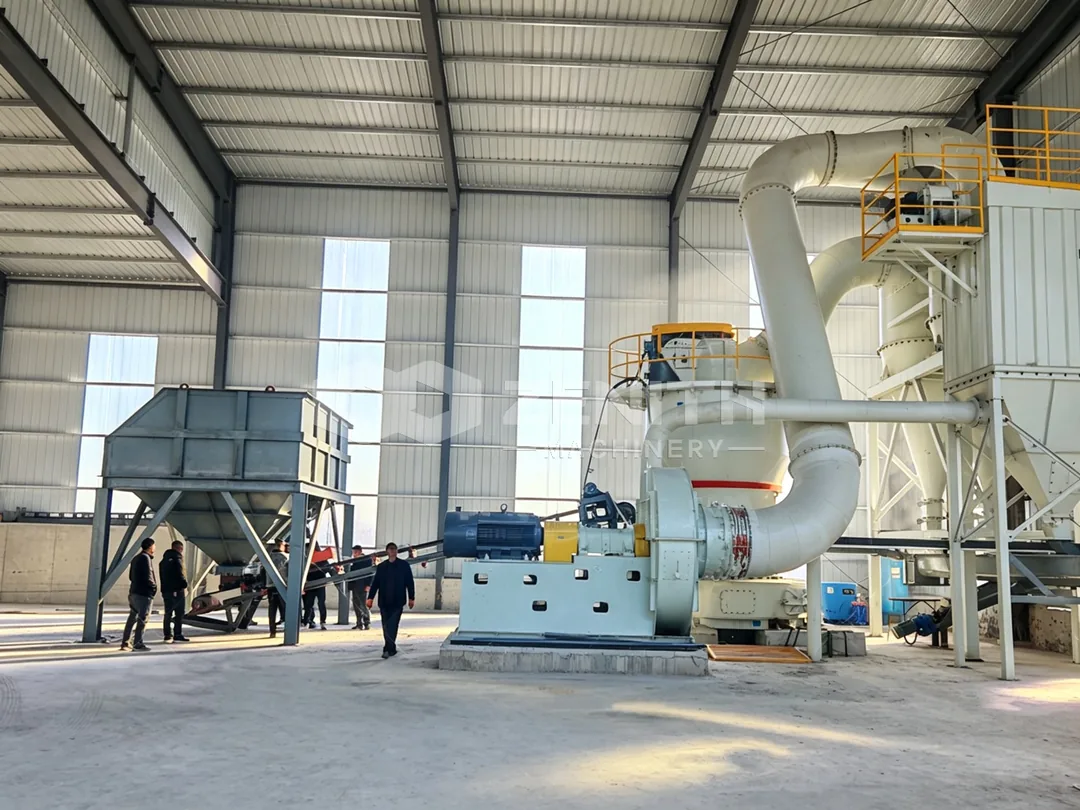
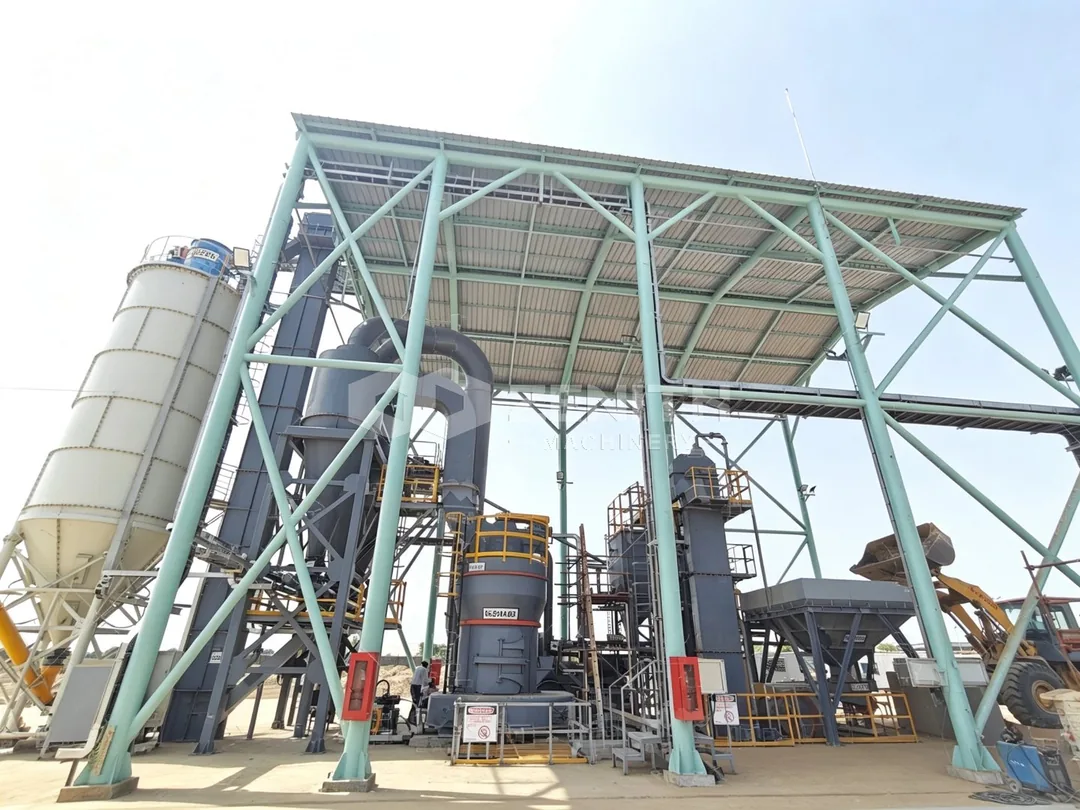
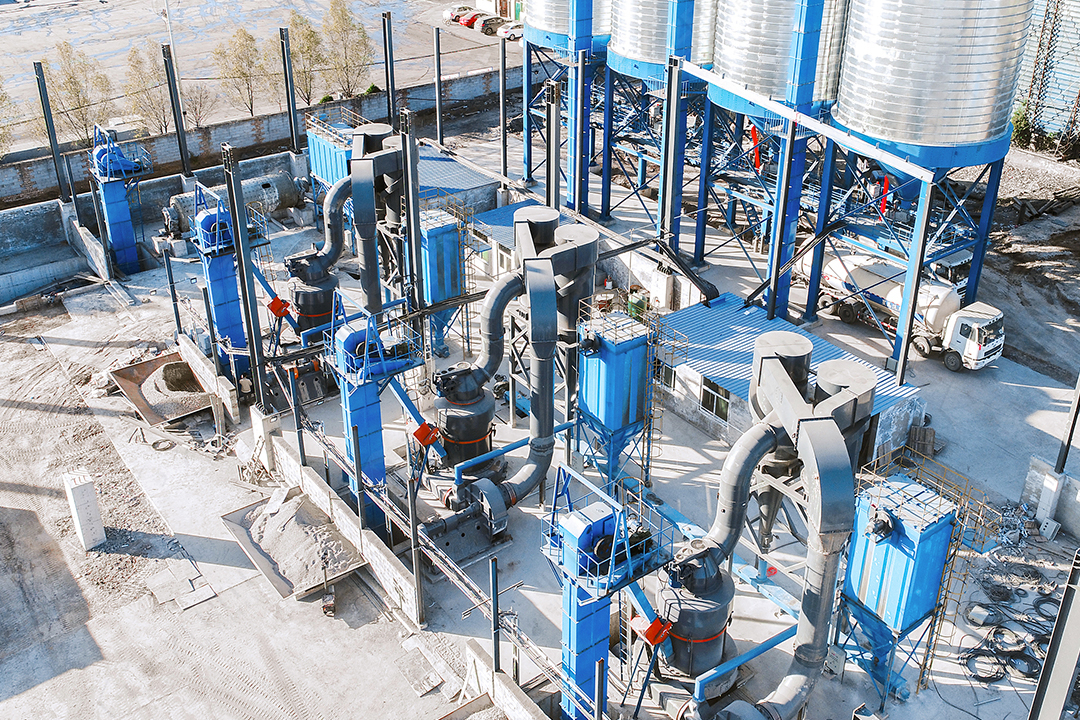
Zenith's overseas team in Southeast Asia coordinated with the local partner in Bangladesh to ensure smooth installation and commissioning. The mill was shipped from Shanghai to Chittagong port, then transported to Dhaka. Within two weeks, the equipment was operational. Key components included a variable frequency belt feeder for controlled material input, a pulse dust collector to meet environmental standards, and a cyclone powder collector for efficient separation. During the trial run, the mill produced limestone powder at 1.2 t/h—exceeding the nominal capacity—with 99%% passing through a 200-mesh screen. The customer reported a reduction in energy consumption by 65%% compared to their old ball mill, and the automated control system allowed a single operator to manage the entire process. The positive and negative pressure operation also minimized dust spillage, earning praise from local regulatory inspectors.
Broader Implications for Bangladesh's Industrial Growth
This successful installation reflects a broader trend in Bangladesh, where industries from cement to poultry feed are upgrading to modern grinding technology. Limestone, abundant in the country's northern and central regions, is a critical raw material for flue gas desulfurization in power plants, soil pH correction in agriculture, and as a filler in PVC and paint production. By choosing Zenith's MTW mill, the customer not only improved their own bottom line but also contributed to the local supply chain for high-quality mineral powder. Zenith, with its ISO, CE, and CU-TR certifications, and a presence in over 180 countries, continues to support such transformations through tailored solutions and after-sales service. For other businesses in Bangladesh considering a 1 t/h limestone grinding mill, this case study demonstrates the value of investing in reliable, energy-efficient equipment from a trusted global partner.
Technical Specifications and Comparison
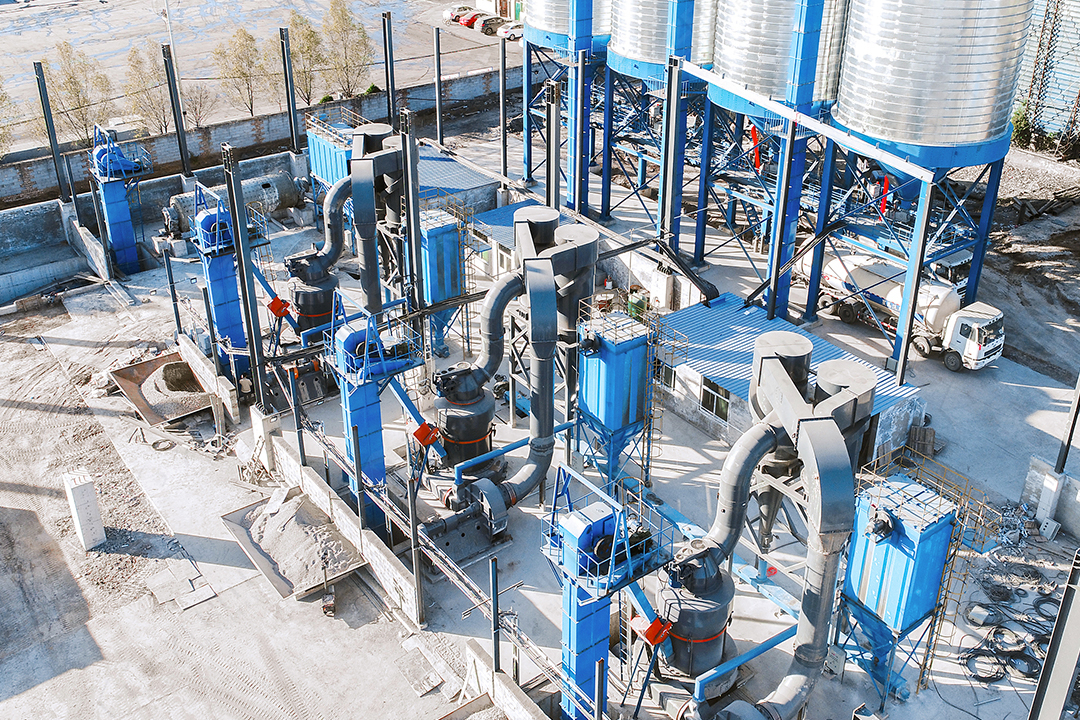
For reference, the MTW European Trapezium Mill selected features: input size up to 35mm, output size 30-325 mesh (adjustable), capacity 3-22 t/h (with the smallest model used here). The mill's working principle begins with crushed material fed by a variable frequency belt feeder into the grinding chamber, where it is crushed between the roller and ring. The fan airflow carries the ground material to a powder selector; qualified fine powder enters the cyclone collector, while coarse particles fall back for re-grinding. The entire system operates under controlled pressure to prevent dust leakage. Compared to other options like the MTM series (also trapezium, similar capacity), the LM vertical mill (higher capacity, 3-340 t/h), or the Raymond mill (10-325 mesh, 3-22 t/h), the MTW offers the best balance for a 1 t/h limestone application due to its superior energy efficiency and lower maintenance requirements. For ultrafine needs (<325 mesh), the LUM ultrafine vertical mill or XZM ultrafine mill would be more suitable, but for general fine powder production, the MTW remains the benchmark.
Customer Feedback and Future Plans
Six months after commissioning, the customer reported a 40%% increase in production efficiency and a 50%% reduction in maintenance downtime. The modular impeller adjustment allowed them to switch between 200 mesh (for wall putty) and 325 mesh (for PVC filler) within minutes, meeting diverse client requests. They have already placed a follow-up inquiry for a second MTW mill to double capacity. Zenith's commitment to quality—validated by international certifications—and responsive local support have made them a preferred partner in Bangladesh. For any business exploring similar investments, Zenith recommends conducting a raw material test grinding at their R&D center to optimize mill parameters.
Frequently Asked Questions (FAQs)
- What is the recommended mill for 1 t/h limestone grinding in Bangladesh?
The MTW European Trapezium Mill is ideal due to its energy efficiency (60%% lower than ball mills), adjustable fineness (30-325 mesh), and compact footprint. For smaller budgets, the MTM series or Raymond mill are viable alternatives. - How much does a 1 t/h limestone grinding mill cost, including shipping to Bangladesh?
Pricing varies based on configuration, accessories (e.g., dust collector, feeder), and shipping terms. Contact Zenith for a customized quote. Typically, the MTW mill for this capacity ranges from $50,000 to $80,000 USD, with shipping adding 10-15%%. - What is the power consumption of the MTW mill at 1 t/h output?
Under ideal conditions, the main motor power is about 37-55 kW, with total system power (including fan and conveyor) around 60-80 kW. This results in 60-80 kWh per ton of limestone powder, which is significantly lower than ball mills (typically 150-200 kWh/t). - Can the mill handle limestone with high moisture content?
The MTW mill can handle materials with up to 6%% moisture. For higher moisture, a hot air system or pre-drying step is recommended. Zenith offers customization options for drying integrated into the grinding circuit. - What after-sales support does Zenith provide in Bangladesh?
Zenith has an overseas office in South Asia and partners in Bangladesh offering installation, training, spare parts, and 24/7 technical support. A one-year warranty on major components is standard, with extended service contracts available. - How long does it take to install and commission a 1 t/h mill?
Typical installation takes 10-14 days, including foundation work, electrical wiring, and mechanical assembly. Commissioning and operator training require an additional 3-5 days. Total timeline from order to production is usually 6-8 weeks, depending on customs clearance. - What fineness range is achievable for limestone with the MTW mill?
The standard output is 30-325 mesh (500-45 microns). By changing the impeller and adjusting the classifier speed, finer grades up to 400 mesh (37 microns) can be achieved, though at reduced capacity. The MTW mill can consistently produce 97%% passing 200 mesh.