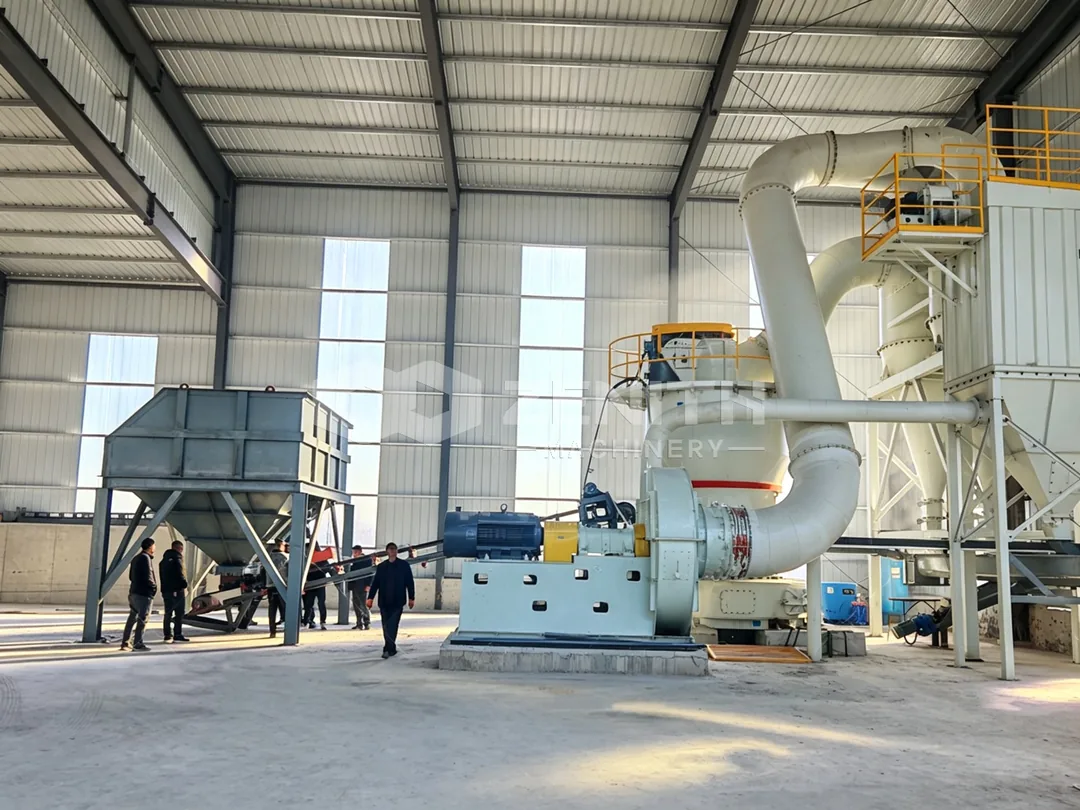
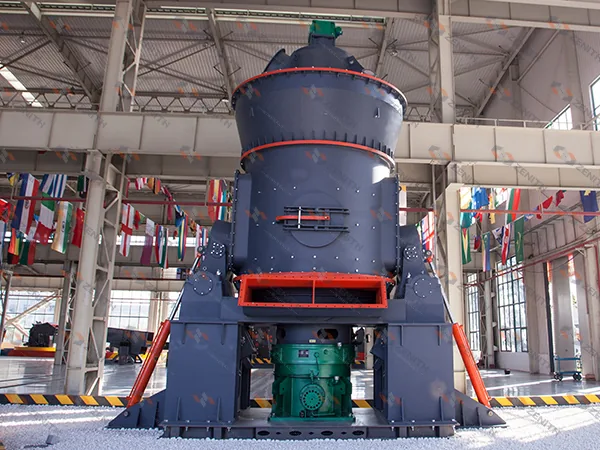
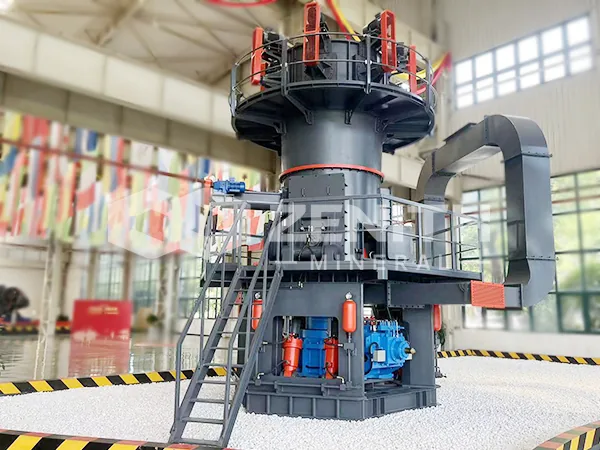
An indian company purchased an mtw european-style grinding mill to process bentonite, with a capacity of 50 t/h and a finished product fineness of 200 mesh (d95). the finished product will be used to produce iron ore pellets.
2026-04-18 02:25:14
In a strategic move to enhance raw material quality and production efficiency, a leading Indian mining and minerals processing company has recently commissioned a state-of-the-art MTW European-style trapezium grinding mill from Zenith Machinery. The primary application is the precision processing of bentonite into a fine powder, a critical binding agent in the production of iron ore pellets. The mill is specified to deliver a consistent output of 50 tons per hour, with the finished product achieving a fineness of 200 mesh (D95). This investment underscores a growing trend in the steel and mining sectors towards adopting advanced, energy-efficient grinding technologies to secure supply chains and improve final product quality.
The selection of the MTW series mill was driven by a confluence of critical operational requirements. Foremost was the need for a reliable, high-capacity system capable of handling the specific physical characteristics of bentonite while delivering a tightly controlled particle size distribution. The 200-mesh (D95) specification is not arbitrary; in iron ore pelletizing, the fineness and quality of the bentonite binder directly influence pellet strength, reducibility in the blast furnace, and overall metallurgical performance. A consistent, ultra-fine powder ensures optimal dispersion and binding efficiency, leading to stronger, more uniform green and fired pellets.
_1776450314766.jpg)
Zenith's MTW European Trapezium Mill emerged as the optimal solution after a thorough technical evaluation. Its design philosophy aligns perfectly with the demands of modern mineral processing. A key deciding factor was its remarkable energy efficiency. Operational data indicates that the MTW mill consumes over 60% less energy compared to a traditional ball mill of equivalent output grade. For an operation running at 50 t/h, this translates into substantial and sustained reductions in power costs, contributing significantly to both economic and environmental sustainability goals.
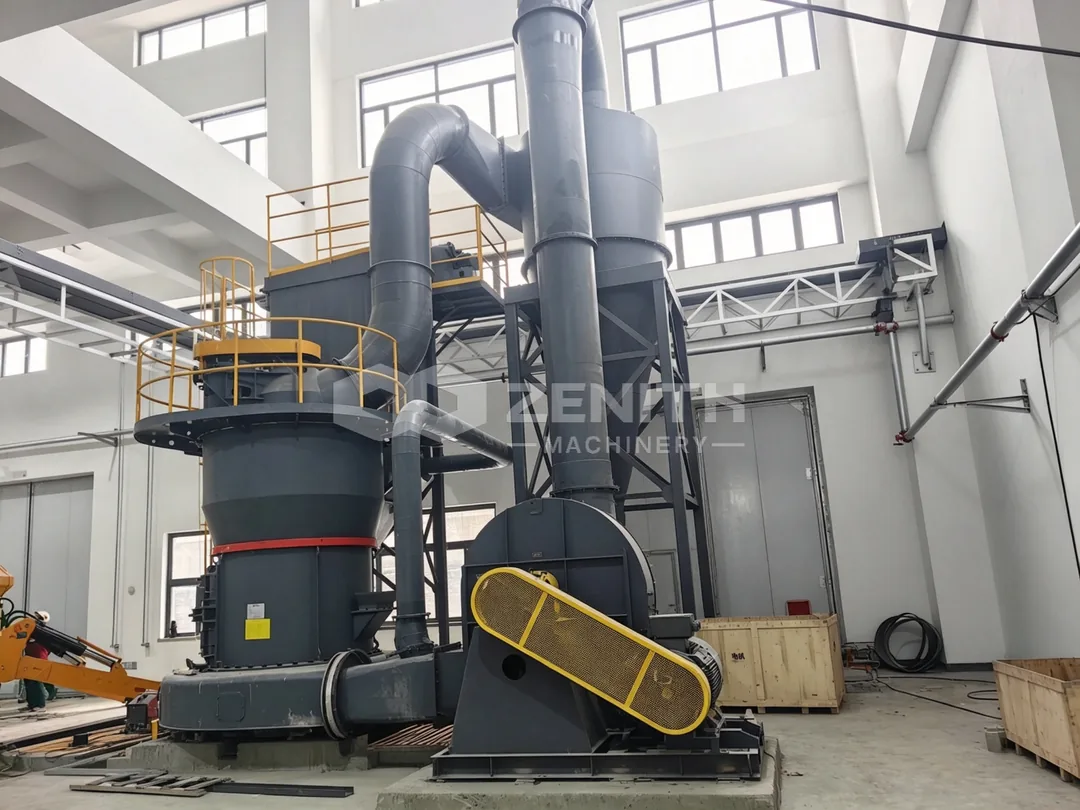
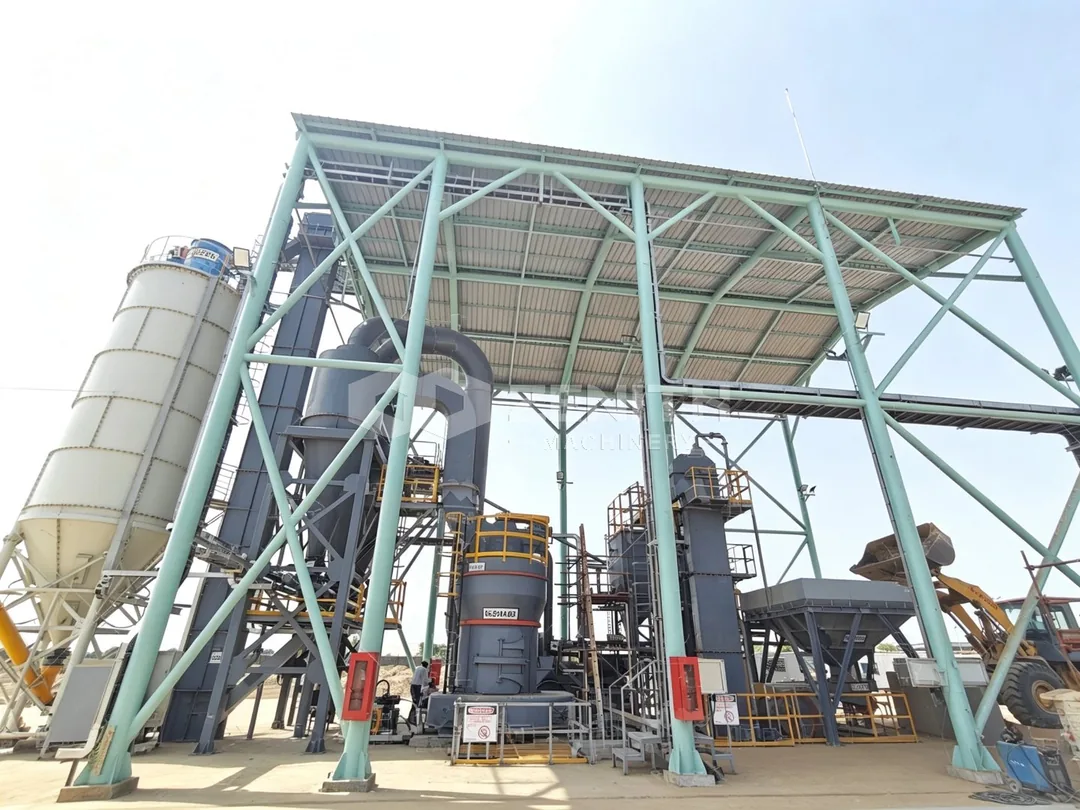
Beyond energy savings, the mill's integrated system design offers considerable advantages in footprint and capital expenditure. The MTW mill incorporates everything from bulk material handling to final powder collection within a cohesive system, minimizing the need for extensive auxiliary equipment and complex plant foundations. This Less Occupied Area & Less Investment principle allowed the Indian company to deploy the solution rapidly and with optimized use of space.
_1776450314769.jpg)
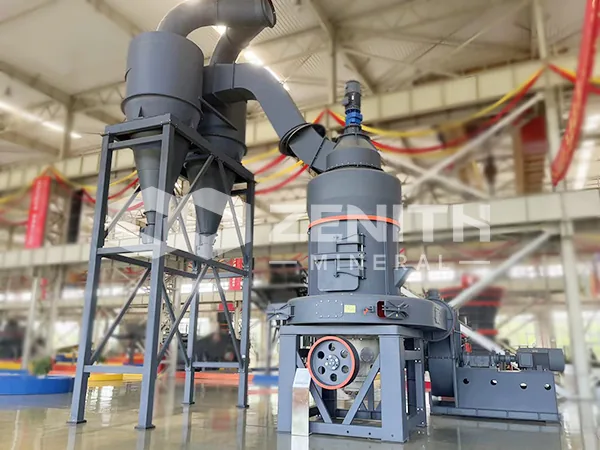
The technological heart of the MTW mill lies in its adjustable fineness control and high-efficiency airflow system. The modular impeller adjustment device allows operators to fine-tune the product fineness—crucial for maintaining the exact 200 mesh D95 specification—simply by changing impellers, without major mechanical overhauls. Furthermore, the high-efficiency induced draft fan, with an air induction efficiency boosted to 85%, ensures stable material conveying and classification within the closed-loop system. This results in consistent product quality and high collection efficiency.
The entire grinding process is engineered for stability and environmental compliance. Crushed bentonite is fed into the main grinding chamber and pulverized by the rotating grinding rollers. The fan-driven airflow carries the powder to an internal classifier, where oversized particles are separated and returned for regrinding. The on-spec fine powder is then efficiently collected in a cyclone and baghouse dust collector system. The system operates under negative pressure, ensuring no dust emission and providing a clean, worker-friendly environment that meets stringent international environmental standards.
_1776450314770.jpg)
This project also highlights Zenith's global support capabilities. With a marketing network spanning over 180 countries and regional offices in more than 30, Zenith provided comprehensive technical consultation, installation guidance, and after-sales support, ensuring a smooth integration of the MTW mill into the client's pellet plant workflow. The mill's proven performance in similar applications worldwide, backed by ISO, CE, and CU-TR certifications, provided the confidence needed for this significant capital investment.
For the Indian company, this is more than just installing a new piece of machinery; it's a strategic upgrade to their core production process. The reliable supply of high-quality, finely ground bentonite will enhance the consistency and strength of their iron ore pellets, a critical commodity for domestic steel production and export. By choosing the MTW European Trapezium Mill, they have invested in a solution that promises not only immediate gains in capacity and quality but also long-term operational reliability and cost-effectiveness, setting a new benchmark for mineral processing efficiency in the region.
Frequently Asked Questions (FAQs)
- Why is a fineness of 200 mesh (D95) specifically required for bentonite in pelletizing?
This fineness ensures maximum surface area and reactivity of the bentonite particles. It allows for optimal dispersion and binding with iron ore fines, creating stronger green pellets that withstand handling and exhibit superior performance during the induration (firing) process in the pellet plant. - How does the energy consumption of the MTW mill compare to a traditional Raymond mill for this application?
While both are efficient, the MTW series incorporates later-generation technological improvements. Its optimized grinding curve and high-efficiency fan system typically result in 10-20% lower energy consumption per ton of product compared to earlier Raymond mill designs when producing powder in the 80-400 mesh range. - Can this MTW mill handle variations in bentonite moisture content or hardness?
Yes. The MTW mill system can be equipped with ancillary hot air sources to handle materials with slightly higher moisture. Its robust construction and grinding principle provide good adaptability to normal variations in material hardness commonly found in bentonite deposits. - What is the typical maintenance schedule for the grinding rollers and liners in such a high-capacity application?
Maintenance intervals depend on abrasiveness. For bentonite, key wear parts like grinding rollers and rings can typically operate for 2,000 to 3,000 hours before requiring inspection or refurbishment. The modular design allows for quick replacement of these components to minimize downtime. - Is the 50 T/H capacity a guaranteed output for bentonite at 200 mesh?
The 50 T/H capacity is based on standard testing conditions with material of specific grindability and moisture. Zenith provides performance guarantees based on client-supplied sample testing to ensure the mill meets the required capacity and fineness for their specific bentonite feedstock. - Does the system require a separate baghouse, or is it integrated?
The MTW mill is a complete grinding system that includes a pulse jet baghouse dust collector as an integral component. This ensures full environmental compliance and product recovery without the need for the customer to source a separate filtration unit.