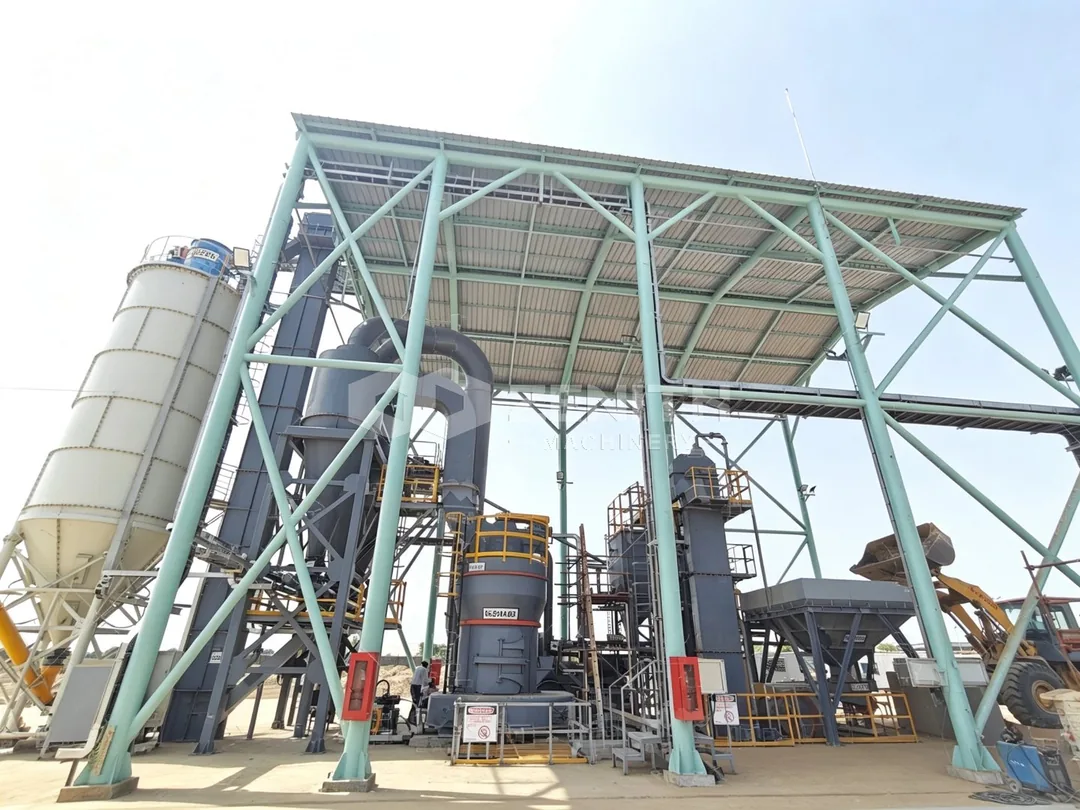
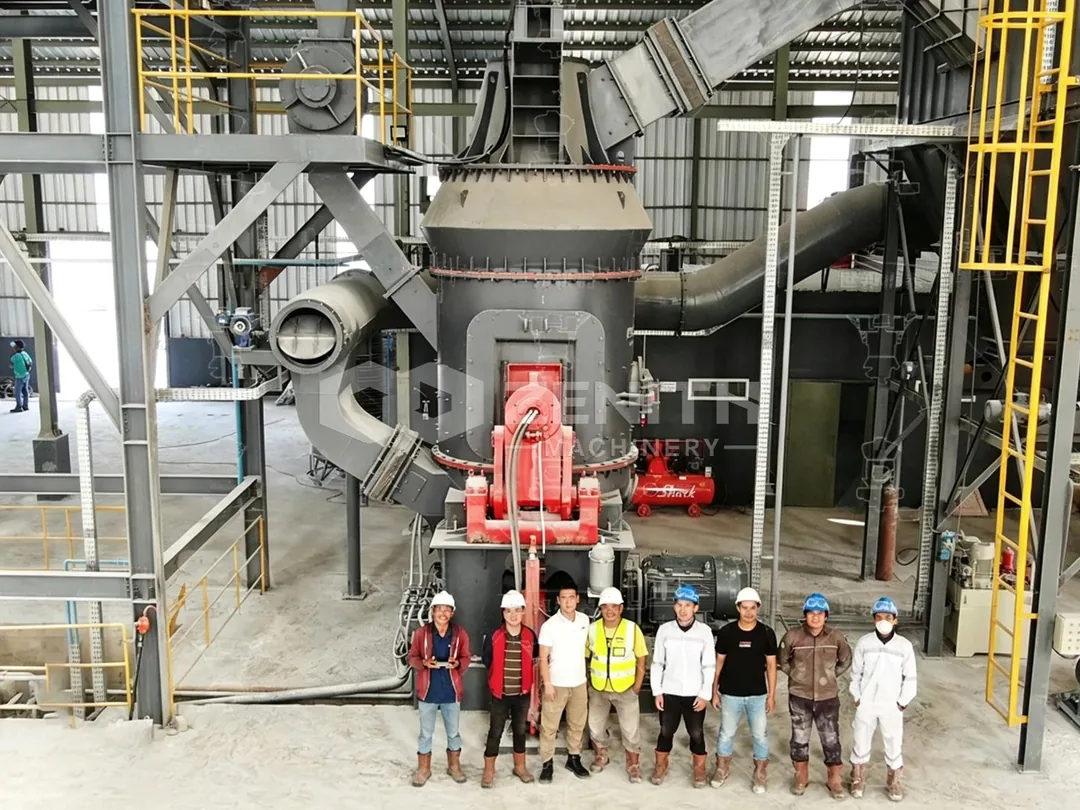
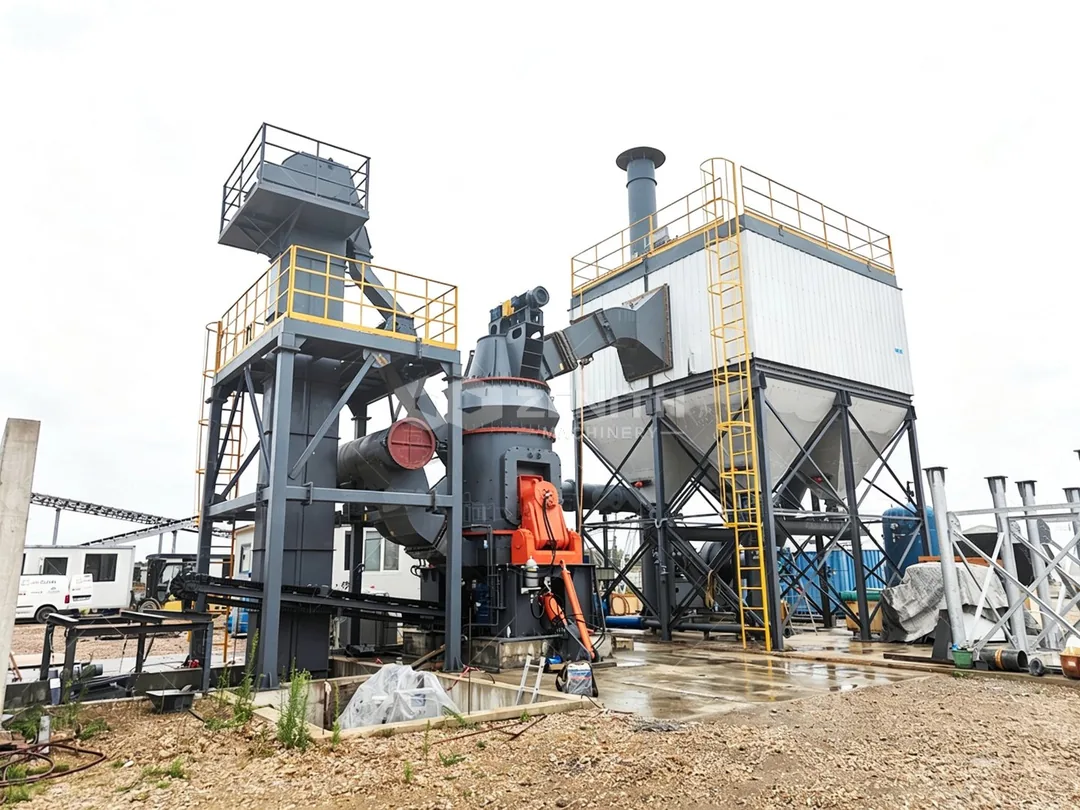
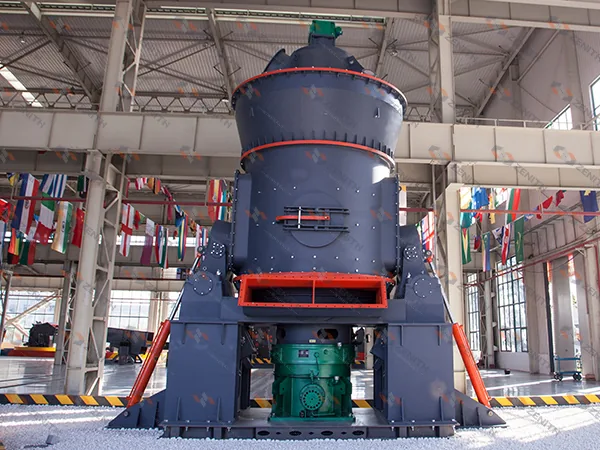
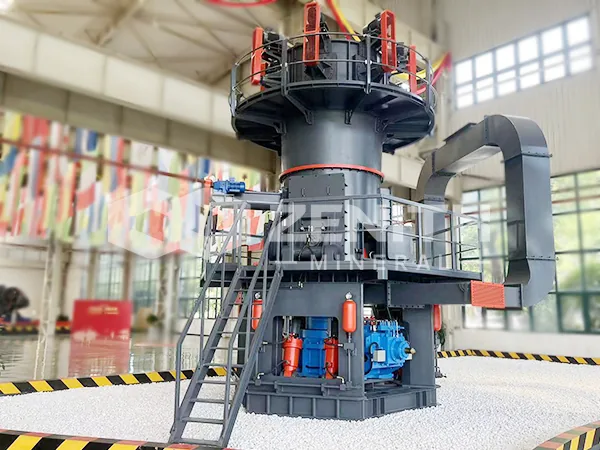
An indian dolomite powder factory purchased a 25-ton-per-day powder production line. the finished products are intended for use in laundry detergent, wall putty powder, fertilizer, etc.
2026-03-30 02:26:09
In the competitive landscape of industrial mineral processing, the choice of production technology is not merely an operational decision but a strategic one that defines product quality, market reach, and long-term profitability. A forward-thinking Indian manufacturer recently underscored this principle by investing in a 25-ton-per-day dolomite powder production line. Their goal was ambitious: to supply high-quality, versatile powder for demanding applications ranging from laundry detergents and wall putty to specialized fertilizers. For this critical project, they partnered with Shanghai Zenith Machinery Co., Ltd., selecting our advanced grinding technology to form the backbone of their operation.
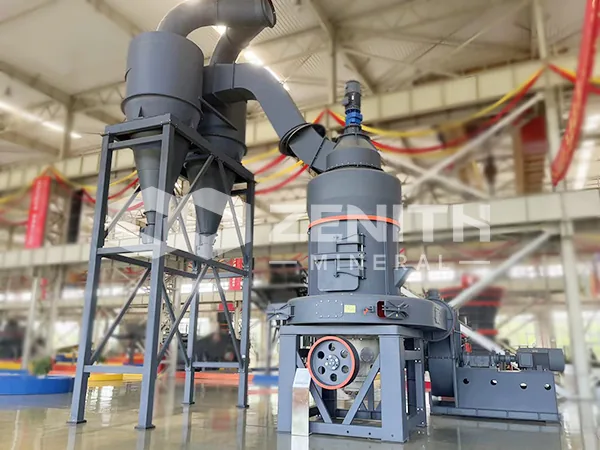
The client's requirements were specific and multifaceted. The production line needed to be capable of generating powders across a spectrum of fineness to cater to different end-uses—coarser grades for certain fillers and fertilizers, and finer, highly consistent powders for detergent compounds and premium putty. Furthermore, energy efficiency, operational stability, and minimal environmental footprint were non-negotiable criteria. After a thorough technical review, Zenith engineers recommended a tailored solution centered on our MTW European Trapezium Mill as the primary grinding unit.
_1774808769158.jpg)
The MTW series mill proved to be the ideal cornerstone. Its ability to produce fine powder in the 80-400 mesh range with a capacity perfectly aligned with the 25 TPD target was a perfect match. More importantly, its 60% lower energy consumption compared to traditional ball mills addressed the client's core concern for operational cost. The mill's integrated design, from bulk material handling to finished powder collection, minimized the plant's footprint and foundational investment—a significant advantage. The Adjustable Output Fineness feature, achieved through a modular impeller system, provides the plant with remarkable flexibility. They can swiftly switch between producing 200-mesh powder for wall putty and 325-mesh powder for detergent fillers by simply changing impellers, all on the same production line.
Beyond the primary grinder, Zenith's holistic approach ensured a complete, optimized system. For initial size reduction of the raw dolomite, a robust Hammer Mill was integrated to produce a consistent 0-3mm coarse powder feed for the MTW mill, ensuring optimal grinding efficiency. The entire system operates under a closed-circuit, negative-pressure design, with a high-efficiency cyclone powder collector and pulse dust collector. This not only guarantees a dust-free workshop, protecting worker health, but also ensures a near-zero loss of valuable product, maximizing yield.
_1774808769160.jpg)
The success of this Indian dolomite project is a testament to Zenith's philosophy of providing industry-specific solutions. For detergent manufacturers, the consistent whiteness and chemical inertness of the powder are critical; for wall putty, the fineness and binding properties are paramount. A single, well-engineered Zenith production line meets all these nuanced demands. Our equipment's certifications—ISO, CE, and CU-TR—provided the client with assurance of international quality and safety standards, facilitating both domestic market acceptance and potential future exports.
The plant's operational results have been outstanding. It achieves the targeted daily output with remarkable energy savings, and the product quality has received positive feedback from diverse industrial buyers. The client has successfully positioned themselves as a reliable supplier for multiple sectors, all powered by the reliability and versatility of Zenith grinding technology.
_1774808769162.jpg)
Frequently Asked Questions (FAQs)
- What is the main advantage of the MTW series mill over a traditional ball mill for a project like this?
The primary advantage is dramatically lower energy consumption—over 60% less under ideal conditions. It also offers a more compact system with integrated crushing, grinding, and collecting, reducing both space requirements and initial investment. - Can the same production line produce powder for both detergent and wall putty, which may have different fineness requirements?
Yes, absolutely. The MTW European Trapezium Mill features an adjustable fineness system. By changing the modular impellers in the classifier, the plant can easily switch between producing powder in different mesh ranges (e.g., 200 mesh for putty and 325 mesh for detergent) without major downtime. - How does Zenith ensure the production line meets environmental protection standards?
The system operates under negative pressure and is equipped with high-efficiency pulse jet bag dust collectors. This configuration ensures no dust spillage during operation, minimal noise, and full compliance with national and international environmental regulations. - What kind of after-sales support does Zenith provide for such an overseas installation?
Zenith provides comprehensive support, including detailed layout planning, foundation drawings, installation guidance (onsite or remote), operator training, and a readily available supply of wear parts. With over 30 overseas offices, local technical assistance is always accessible. - If we need to produce even finer powder (e.g., over 1250 mesh) in the future, can this line be upgraded?
While the MTW mill is optimal for fine powder up to 400 mesh, Zenith offers a complete range of equipment. For ultrafine applications, our LUM or XZM Ultrafine Vertical Grinding Mills can be considered for a separate or integrated circuit, ensuring your plant can evolve with market demands. - What is the typical lifespan of the key grinding components in the MTW mill?
Vulnerable wear parts like grinding rollers and rings are made from high-quality, abrasion-resistant materials. Their lifespan depends on material hardness and abrasiveness, but with dolomite, they are designed for thousands of hours of operation before requiring replacement, ensuring low long-term maintenance costs.