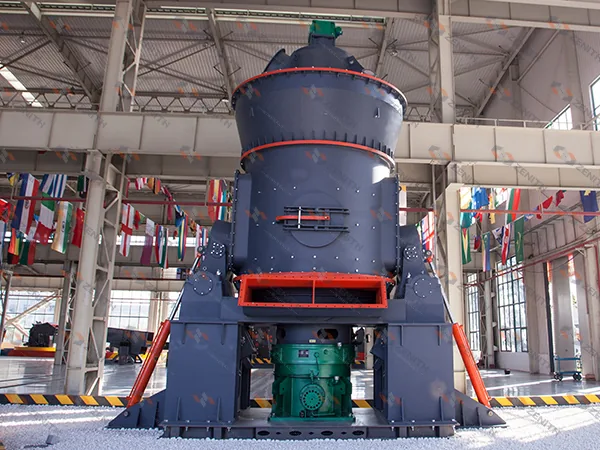
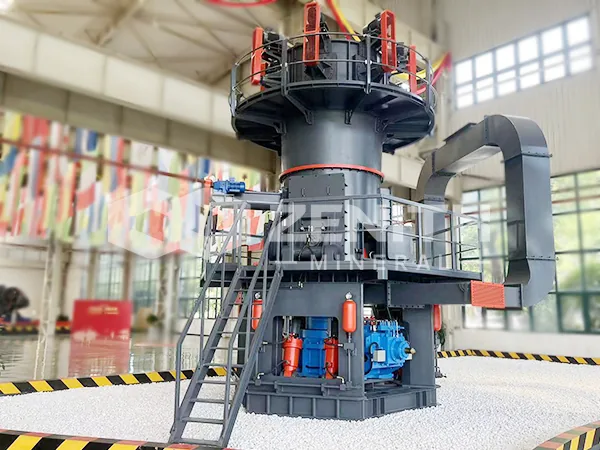
A 10t/h silica powder production project yields finished products with a fineness of 300 mesh and 600 mesh.
2026-03-23 02:25:31
In the competitive landscape of industrial mineral processing, achieving precise particle size distribution at high throughput rates is a critical benchmark for success. A recent 10-ton-per-hour silica powder production project exemplifies this challenge, with a core requirement to efficiently produce two distinct, high-demand specifications: 300 mesh (approximately 50 microns) and 600 mesh (approximately 23 microns). This case study explores the technological considerations and equipment selection pivotal to such an operation, drawing from the extensive portfolio of advanced grinding solutions.
Silica, or silicon dioxide, is a fundamental material in countless industries, from construction and ceramics to electronics and polymers. The value and application of silica powder are intrinsically linked to its fineness and purity. A 300-mesh product is often utilized in sealants, adhesives, and certain filler applications, while the finer 600-mesh powder is critical for high-performance coatings, advanced composites, and specialized rubber products. A single production line capable of flexibly switching between these specifications represents a significant strategic and economic advantage.
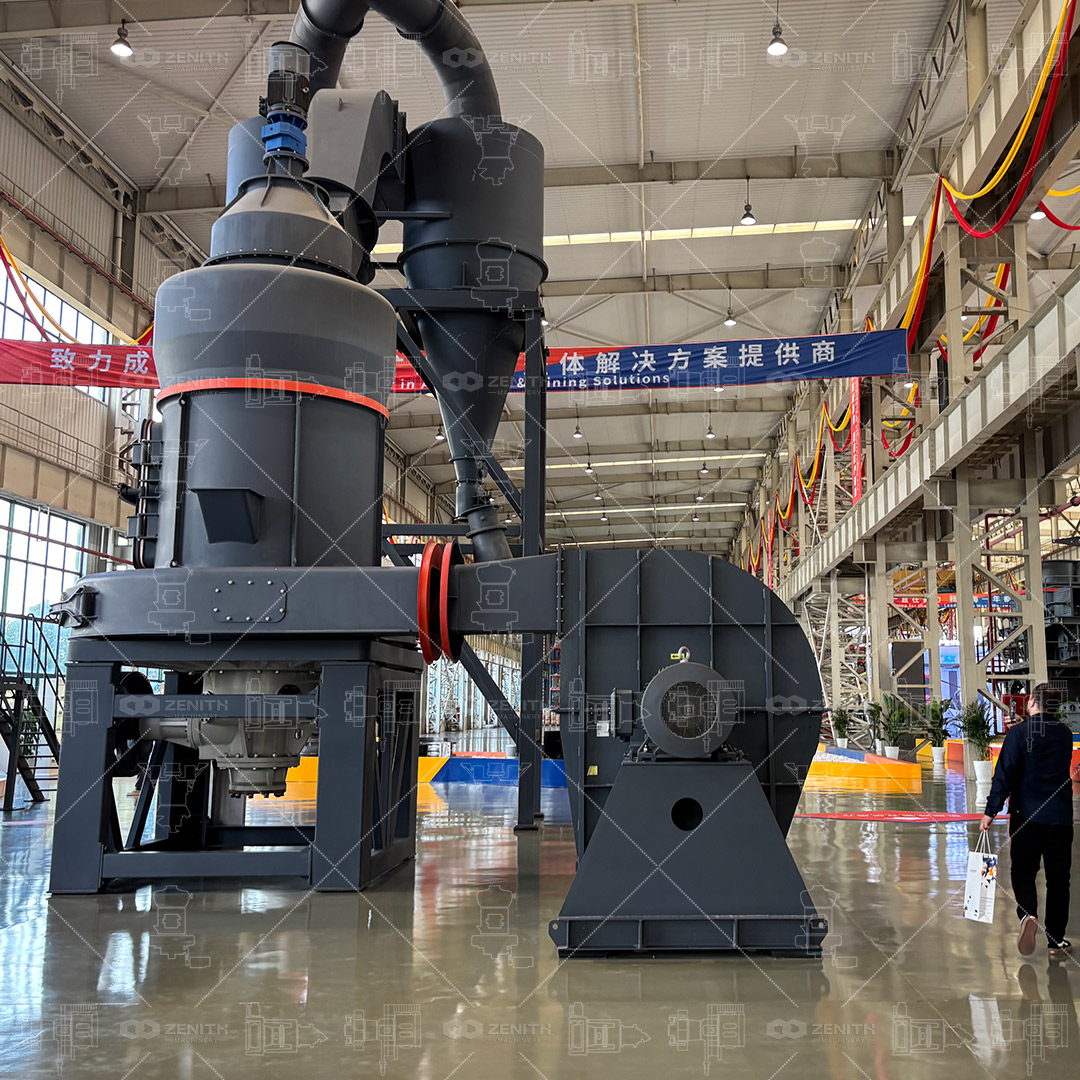
The heart of any such project is the grinding mill. For the target fineness range (300-600 mesh) and the substantial 10t/h capacity, several technologies come into consideration. Traditional ball mills, while robust, often fall short in energy efficiency for such fine grinding, with higher specific power consumption and greater floor space requirements. The modern approach leans heavily on roller-based grinding systems, which apply compression and shear forces for more efficient size reduction.
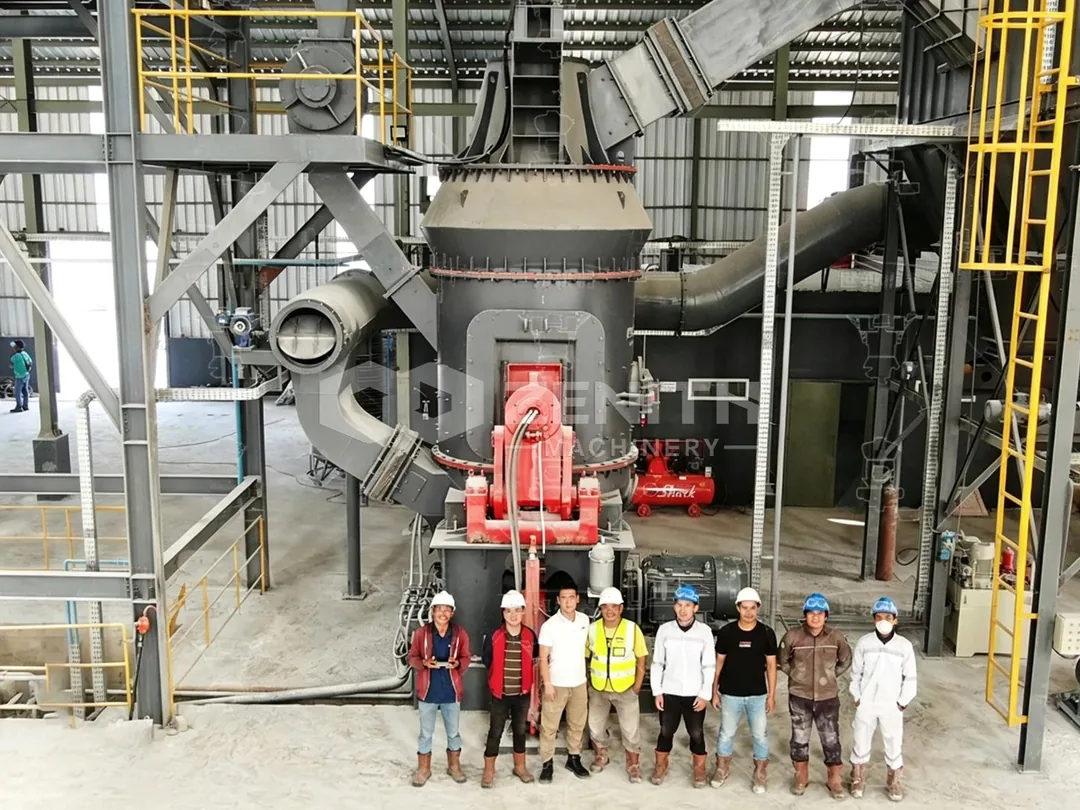
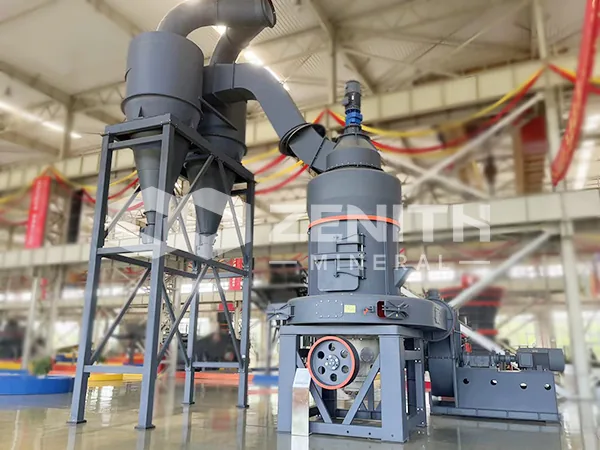
For this specific project profile, the MTW European Trapezium Mill emerges as a premier candidate. Engineered for producing fine powder in the 30-325 mesh range, its design aligns perfectly with the project's output specifications. A key feature is its modular impeller adjustment system, which allows operators to shift between producing 300 mesh and 600 mesh powder primarily by changing impellers—a process that minimizes downtime and maximizes operational flexibility. Furthermore, its integrated system from bulk material to finished powder reduces plant footprint and foundational investment.
Energy efficiency is a non-negotiable criterion in today's industrial operations. The MTW series boasts an energy consumption more than 60% lower than a ball mill of equivalent output under ideal conditions. This is achieved through an optimized grinding curve and a high-efficiency impeller fan that improves induced air efficiency from 62% to 85%, enhancing the entire classification and collection process. 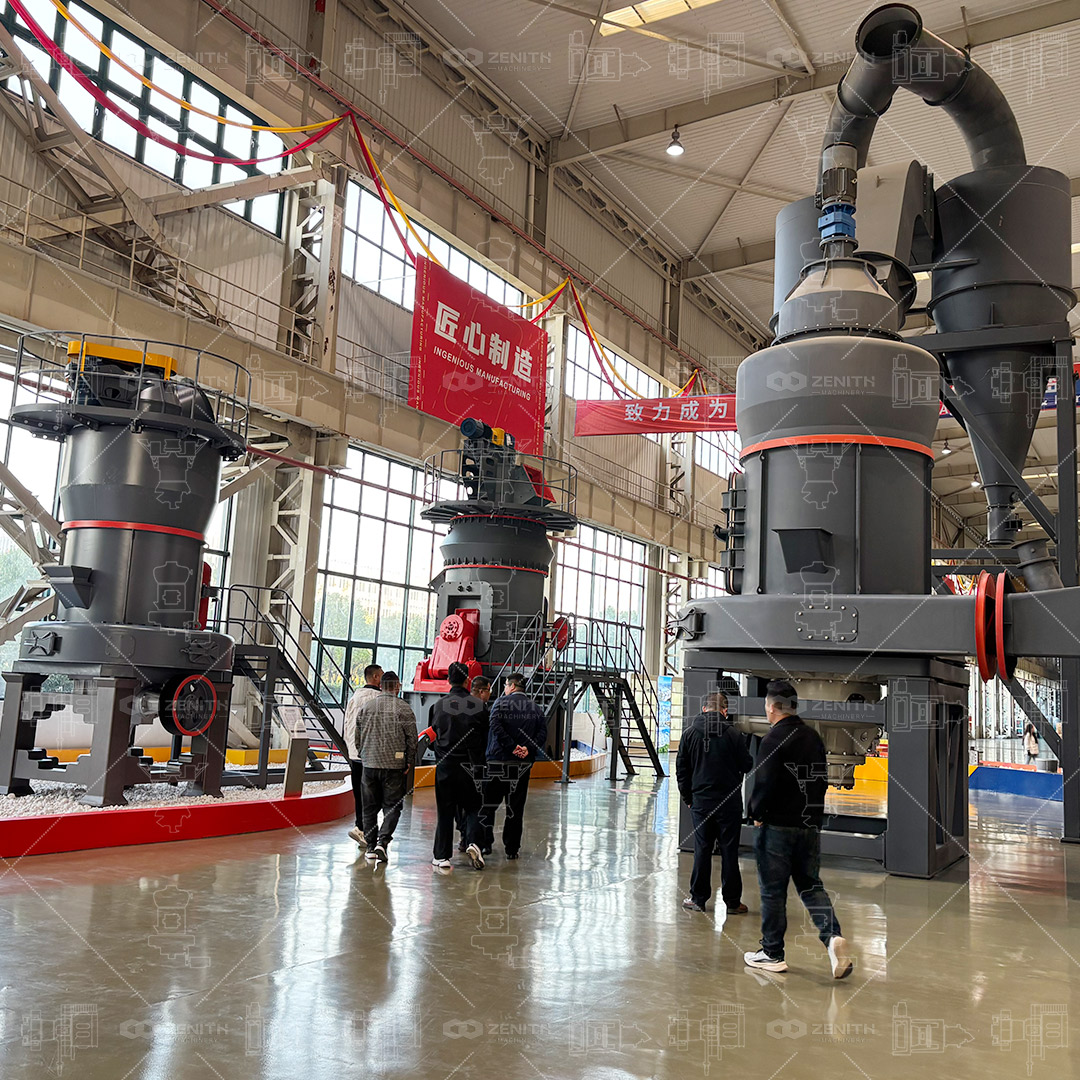
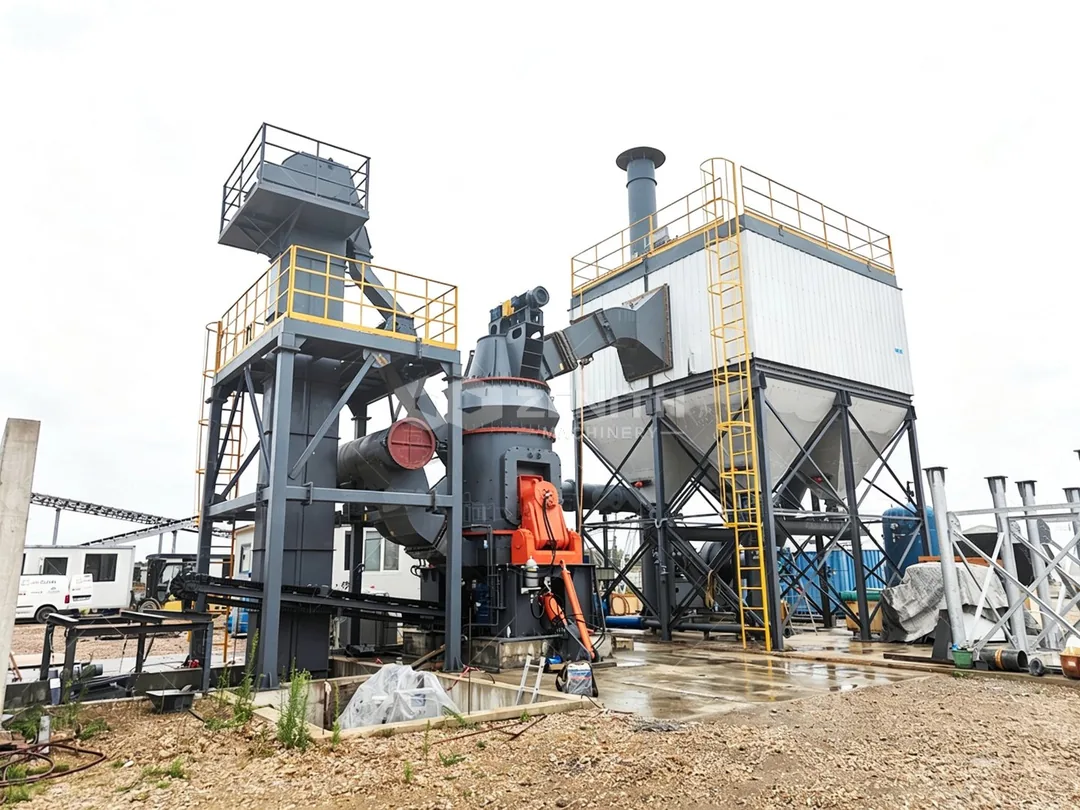
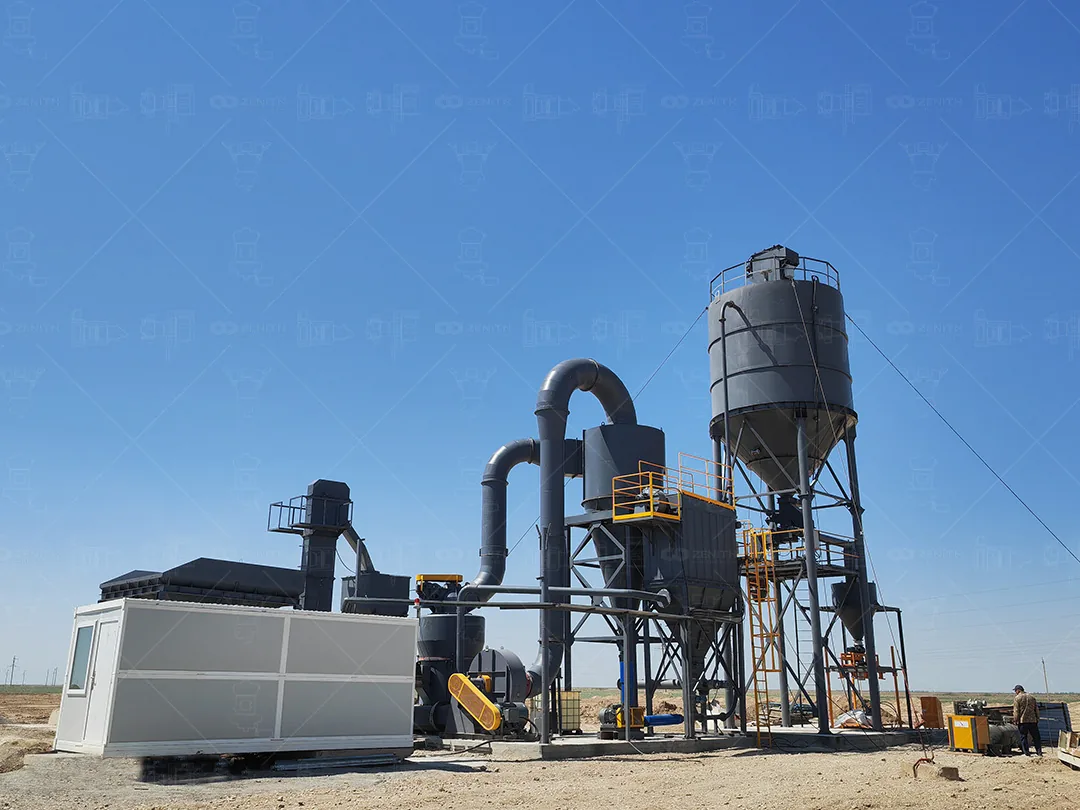
Beyond the primary grinder, the complete system demands robust ancillary support. Efficient feeding systems, precise air classifiers, and high-capacity cyclone powder collectors are essential. The working principle involves crushed silica being fed into the main grinding chamber, pulverized by rollers, and then transported by airflow to a powder selector. Here, precise classification occurs: particles meeting the target fineness (whether 300 or 600 mesh) are separated as finished product in the cyclone collector, while oversize material is returned for re-grinding. Operating under a closed, negative-pressure system with a pulse dust collector ensures the process meets stringent environmental standards, containing silica dust—a critical health and safety consideration.
For clients considering even finer grades or different material characteristics, other models in the portfolio offer tailored solutions. The LM Vertical Grinding Mill provides exceptional stability and automation for 24/7 operations, ideal for massive-scale production. The XZM Ultrafine Grinding Mill, capable of reaching 2500 mesh, represents the cutting edge for superfine processing, though at a potentially lower throughput for the finest sizes. The selection ultimately hinges on a detailed analysis of the raw material properties, desired product spectrum, and long-term production goals.
_1774203931802.jpg)
In conclusion, executing a 10t/h silica powder project for 300 and 600 mesh products is a complex engineering feat that balances capacity, fineness, efficiency, and flexibility. By leveraging advanced grinding technology like the MTW European Trapezium Mill, producers can establish a operation that is not only productive but also sustainable and adaptable to market demands. The success of such a project lies in integrating the right core technology with a holistic, automated, and environmentally sound material handling system.
Frequently Asked Questions (FAQs)
- What is the main advantage of using an MTW Mill over a traditional Ball Mill for this 300-600 mesh silica project?
The primary advantages are significantly higher energy efficiency (over 60% lower consumption), a smaller physical footprint, and easier adjustment of output fineness through modular impellers, allowing quick switches between 300 and 600 mesh production. - Can the system produce both 300 mesh and 600 mesh powder simultaneously?
Typically, a single grinding line produces one fineness at a time. However, the quick-adjustment features of mills like the MTW series allow for rapid changeover between specifications, minimizing downtime when switching production. - How does the system ensure consistent product fineness and quality?
Consistency is maintained through integrated high-efficiency powder classifiers (selectors) that continuously separate particles. Oversize material is automatically returned for re-grinding, and the closed-loop system with precise controls ensures stable particle size distribution. - What are the key environmental considerations for a silica powder plant?
The entire grinding and classification system operates under negative pressure, preventing dust escape. It is equipped with high-efficiency pulse jet bag dust collectors, ensuring emissions meet strict international environmental and workplace safety standards. - What level of automation can be expected with this grinding system?
Systems can be equipped with full PLC-based automatic control, enabling remote monitoring and operation. This includes automatic feeding, grinding pressure regulation, fineness adjustment, and system fault diagnosis, significantly reducing labor costs. - Is the equipment suitable for grinding materials other than silica?
Absolutely. The grinding technology is versatile and can process a wide range of non-metallic minerals with similar or lower hardness, such as calcite, marble, limestone, talc, and barite, for various fineness requirements. - What is the typical lead time for the delivery and installation of a complete 10t/h system?
Lead times vary based on system complexity and customization. Generally, from order confirmation to commissioning, it can take approximately 4 to 6 months, including manufacturing, shipping, and on-site installation supervision by technical engineers.