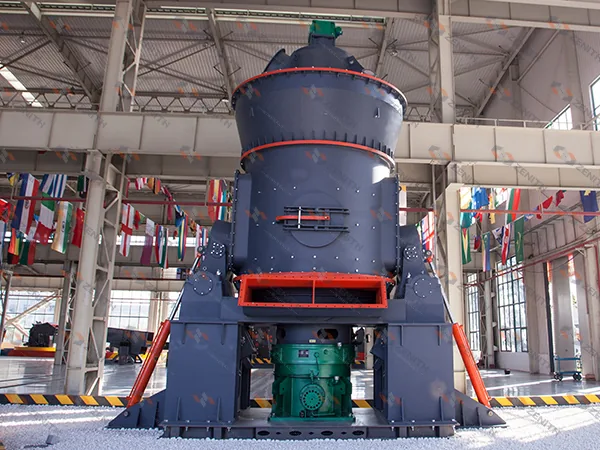
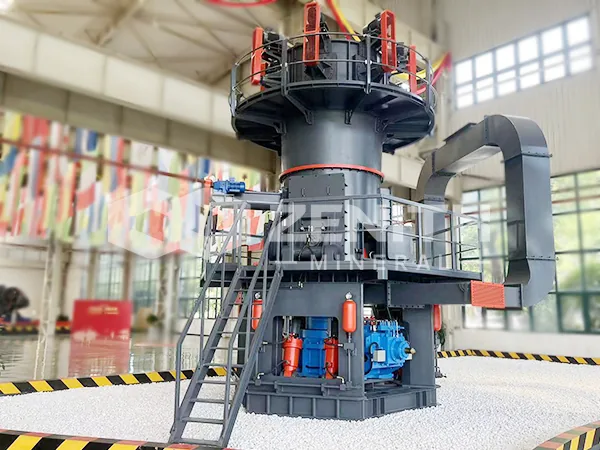
A russian company is seeking to purchase a calcium carbonate grinding mill with a capacity of 4 tons per hour and a finished product fineness of 1500 mesh for use as a pvc filler.
2026-03-04 02:28:03
In the competitive landscape of PVC manufacturing, the quality of fillers like calcium carbonate is paramount. It directly influences product strength, surface finish, and overall cost-efficiency. We understand that a Russian company is currently seeking a grinding mill capable of producing 4 tons per hour of calcium carbonate powder at an exceptional fineness of 1500 mesh for use as a PVC filler. This is a sophisticated requirement that demands not just high capacity and ultra-fine output, but also consistency, purity, and operational reliability. At Shanghai Zenith Machinery, with our global engineering expertise and a product portfolio designed for such precise industrial challenges, we have the ideal solution.
The specification of 1500 mesh places this project firmly in the realm of ultrafine and micro-powder processing. Not all grinding technologies can efficiently and economically achieve this level of fineness while maintaining a 4 TPH throughput. From our extensive range, two models stand out as particularly suitable for this application: the LUM Ultrafine Vertical Grinding Mill and the XZM Ultrafine Grinding Mill. Both are engineered to excel in the medium to high-end processing of non-metallic minerals precisely for industries like plastics, PVC, and masterbatch.
_1772562483524.jpg)
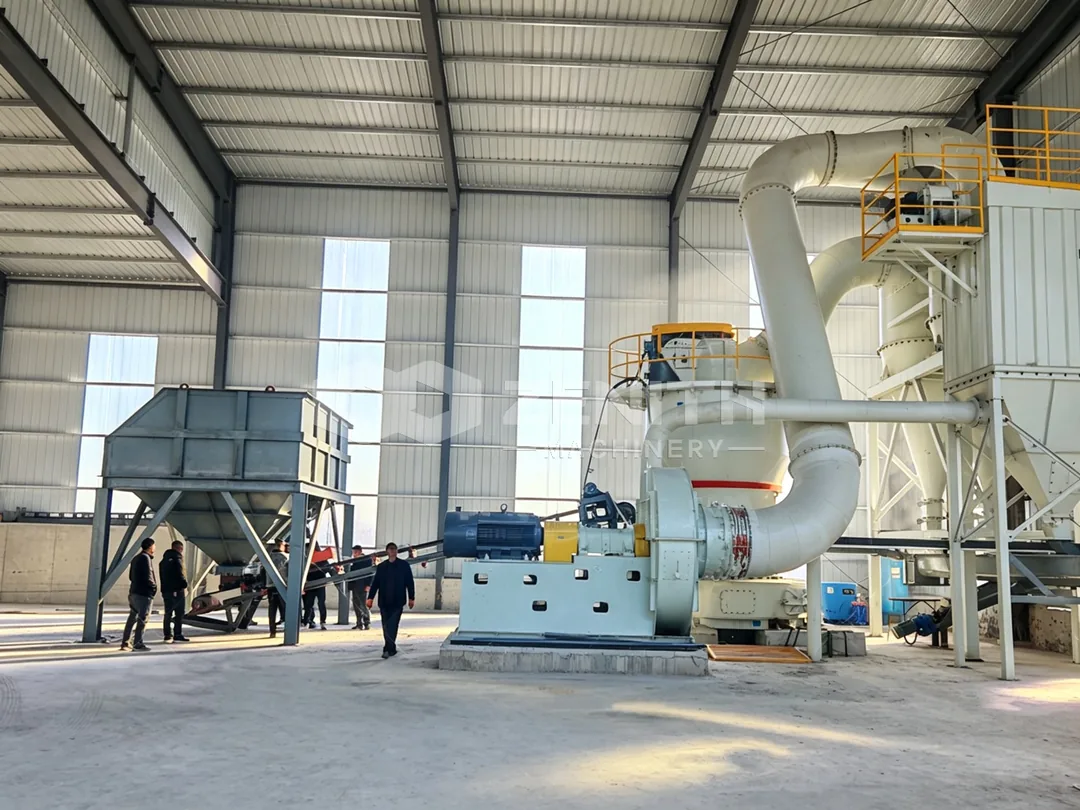
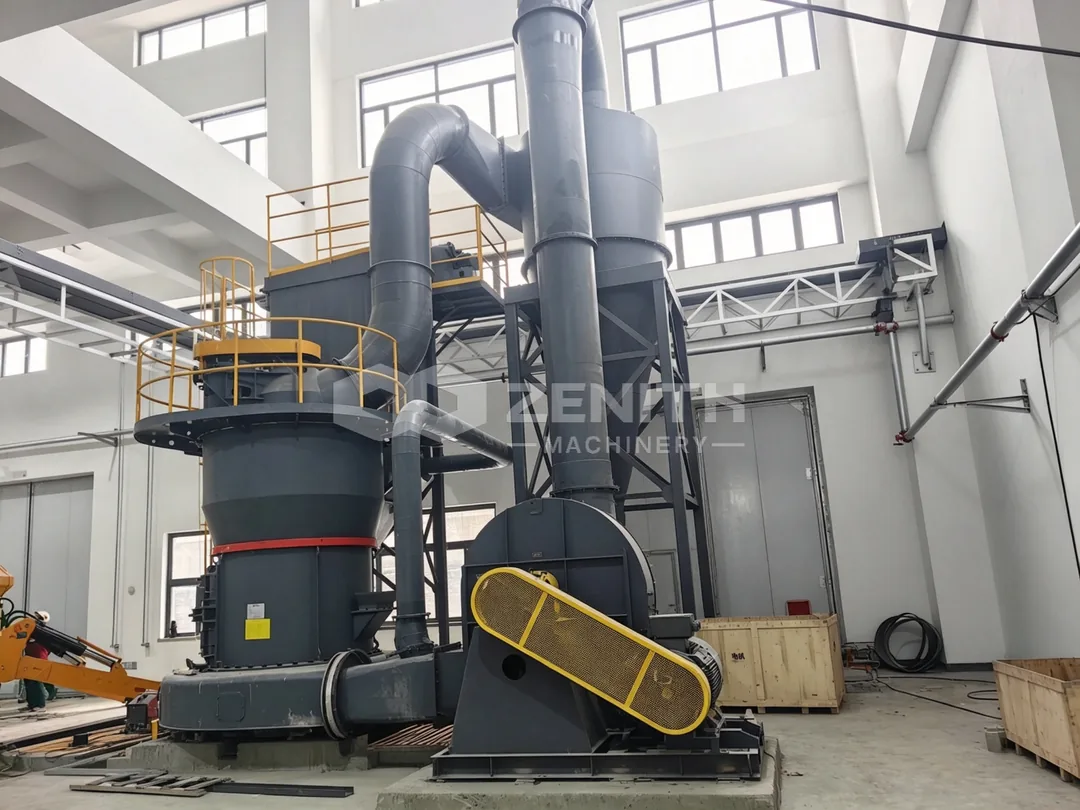
The LUM Ultrafine Vertical Grinding Mill is a technological masterpiece integrating German powder separating technology. It is specifically highlighted in our documents for professional processing in PVC and artificial stone industries. With an output range extending to 2500 mesh, achieving a consistent 1500 mesh is well within its operational sweet spot. Its capacity range of 5-18 T/H comfortably encompasses your required 4 TPH. Key advantages for your PVC filler production include its exceptional ability to ensure high material purity by controlling iron content—critical for maintaining the whiteness of calcium carbonate—and its energy-saving design, reducing consumption by 30%-50% compared to ordinary mills. The sealed, negative-pressure operation guarantees an environmentally friendly process with no dust spillage, a significant consideration for modern plants.
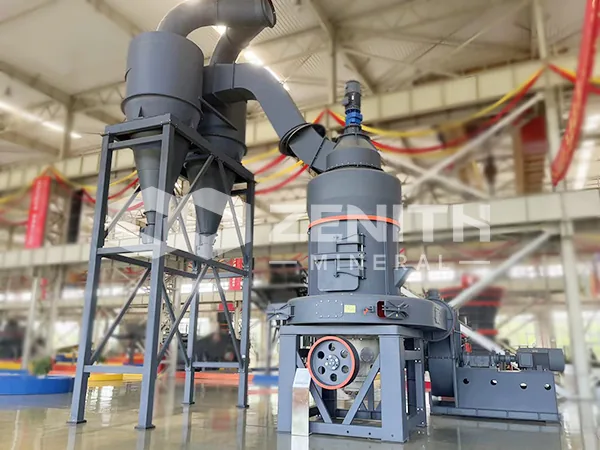
Alternatively, the XZM Ultrafine Grinding Mill is another formidable candidate. It is renowned for its ability to produce powder from 325 mesh to an impressive 3000 mesh through a single classification. Its product fineness can be arbitrarily adjusted between 325 and 2500 mesh, offering exceptional flexibility. For a 1500 mesh target, this mill operates with high efficiency and remarkably low energy consumption—reportedly 40% higher in efficiency and 70% lower in energy use than some alternative fine-grinding technologies. Its simple internal structure translates to less downtime and easier maintenance, a practical benefit for ensuring continuous production for your PVC line.
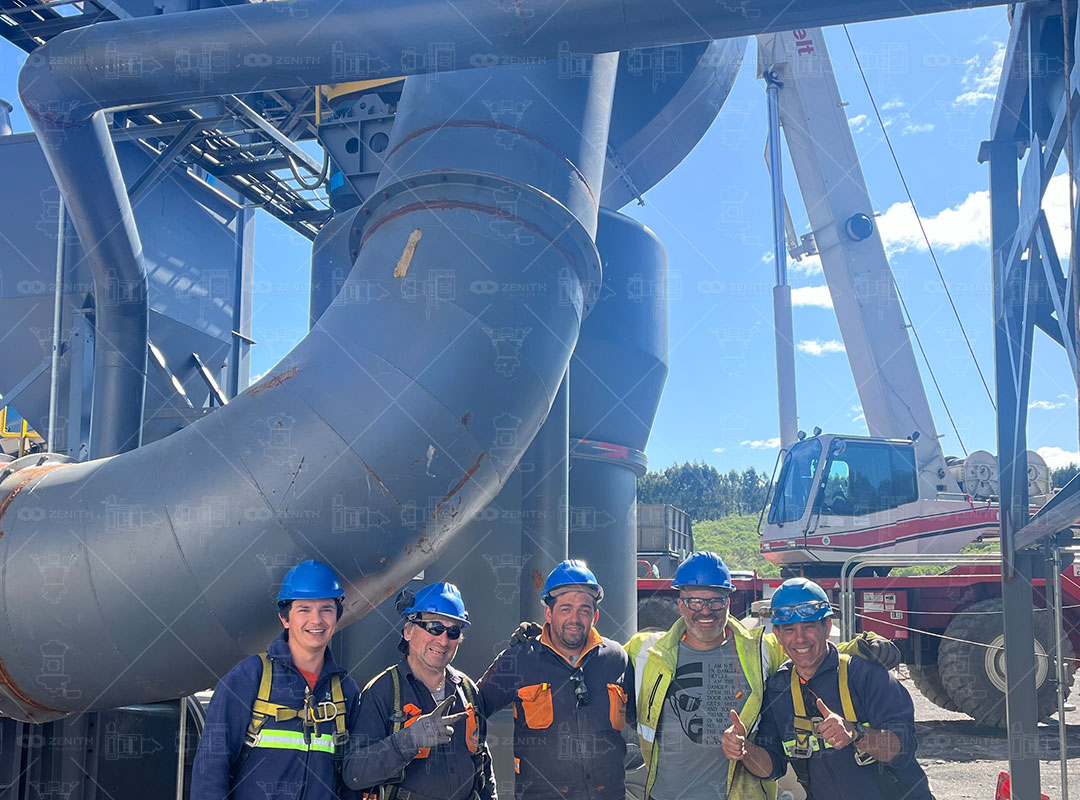
Why are these vertical and ultrafine mills superior to traditional options like ball mills for this task? The data is clear. Our MTW and MTM series trapezium mills already demonstrate over 60% lower energy consumption than ball mills of the same grade. The LUM and XZM models build on this efficiency for the ultrafine range. Furthermore, their compact, integrated designs can reduce the footprint by about 50%, leading to lower comprehensive investment in plant infrastructure. For a dedicated 4 TPH calcium carbonate filler line, this means a more streamlined, cost-effective setup.
Our commitment extends beyond supplying machinery. With a marketing network covering over 180 countries and offices in more than 30, including strategic locations, we provide localized support. Our equipment carries ISO, CE, and CU-TR certifications, ensuring compliance with international and Eurasian Customs Union standards, which is crucial for seamless import and operation in Russia. We offer comprehensive service, from layout design and installation guidance to operational training and spare parts supply.
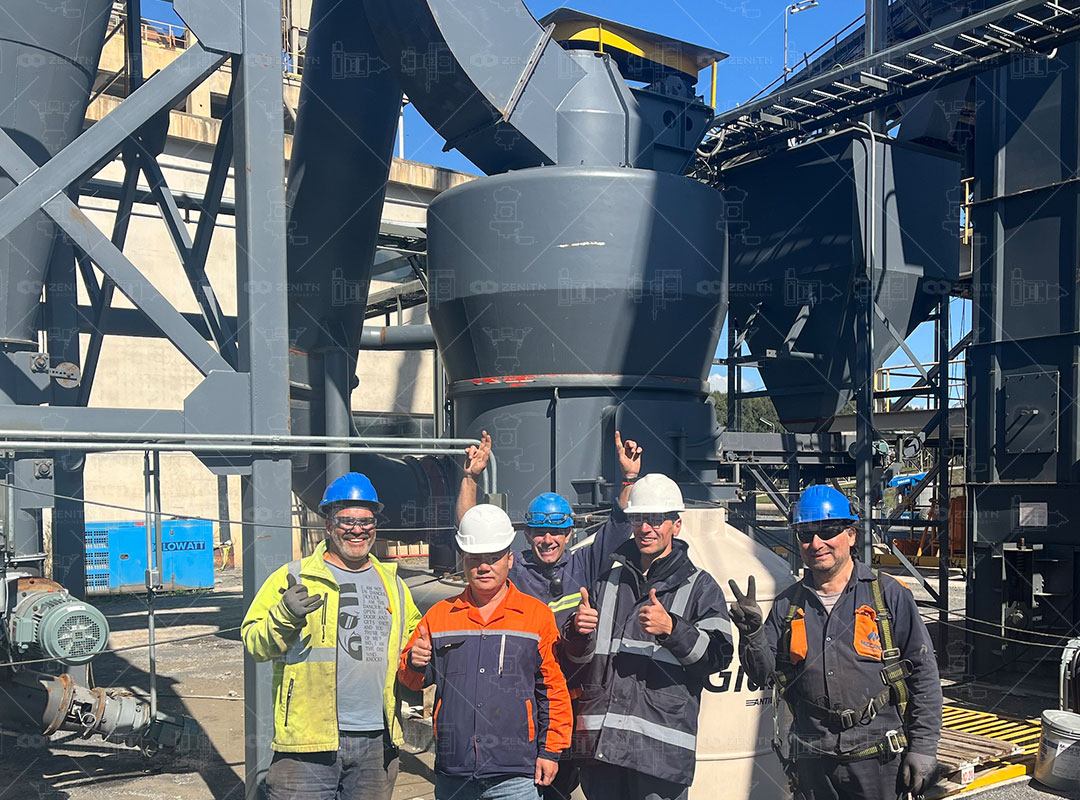
In conclusion, the quest for a 4 TPH, 1500 mesh calcium carbonate grinding mill is a precise technical challenge that matches perfectly with Zenith's advanced engineering capabilities. The LUM Ultrafine Vertical Mill and the XZM Ultrafine Grinding Mill present robust, efficient, and proven pathways to achieving your production goals for high-quality PVC filler. We invite further technical discussion to tailor the perfect solution for your specific raw material characteristics and plant layout.
Frequently Asked Questions (FAQ)
- Can your recommended mills guarantee a consistent output of exactly 1500 mesh?
Yes. Both the LUM and XZM mills feature advanced, adjustable classifier systems. The fineness can be precisely controlled via the electric control panel or system parameters to maintain a stable D97 output at 1500 mesh, ensuring uniformity for your PVC production. - What is the typical power consumption for grinding to 1500 mesh at 4 TPH?
Exact consumption depends on material hardness and moisture. However, our LUM and XZM mills are designed for high efficiency. As a benchmark, they operate at 30-70% lower energy consumption compared to traditional fine-grinding methods for the same output and fineness. - How do you ensure the purity and low iron content of the powder, which is critical for PVC?
Our vertical and ultrafine mills (especially LUM) are designed to minimize iron contamination. They use advanced grinding principles where metal-to-metal contact is minimized, and often include magnetic separators. The sealed grinding chamber further protects the material. - Do you provide installation and commissioning services in Russia?
Absolutely. We have established overseas offices and a network of technical partners. We can dispatch engineers for installation supervision, commissioning, and operator training to ensure the mill runs optimally in your facility. - What is the lead time for such a grinding mill system?
Lead time varies by model and configuration. Generally, for standard models, it ranges from 30 to 90 days after contract finalization. We provide detailed production schedules upon project confirmation. - Can the system handle other minerals besides calcium carbonate in the future?
Yes. These mills are versatile for non-metallic minerals like talc, dolomite, barite, and kaolin. The adjustable settings allow easy adaptation to different materials, offering flexibility for future production needs. - What kind of after-sales support and warranty do you offer?
We provide a standard warranty for the main machinery. Our support includes remote technical assistance, a supply of genuine spare parts, and periodic maintenance guidance. We aim for long-term partnership through reliable service.