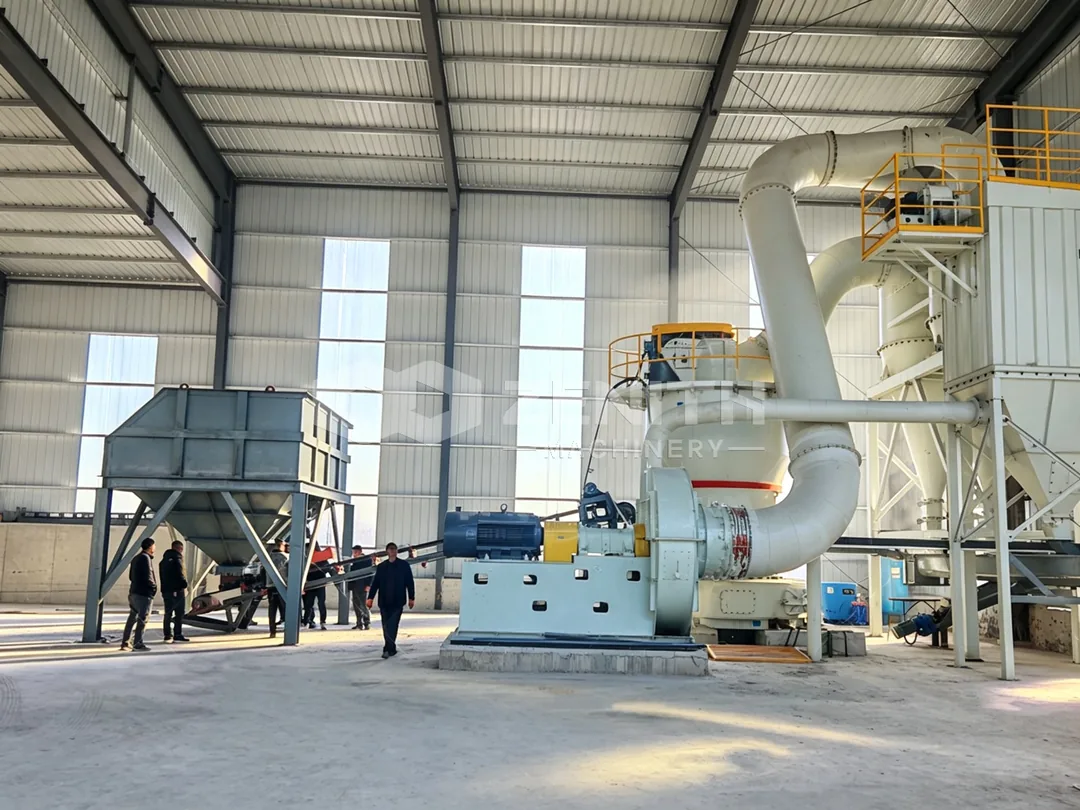
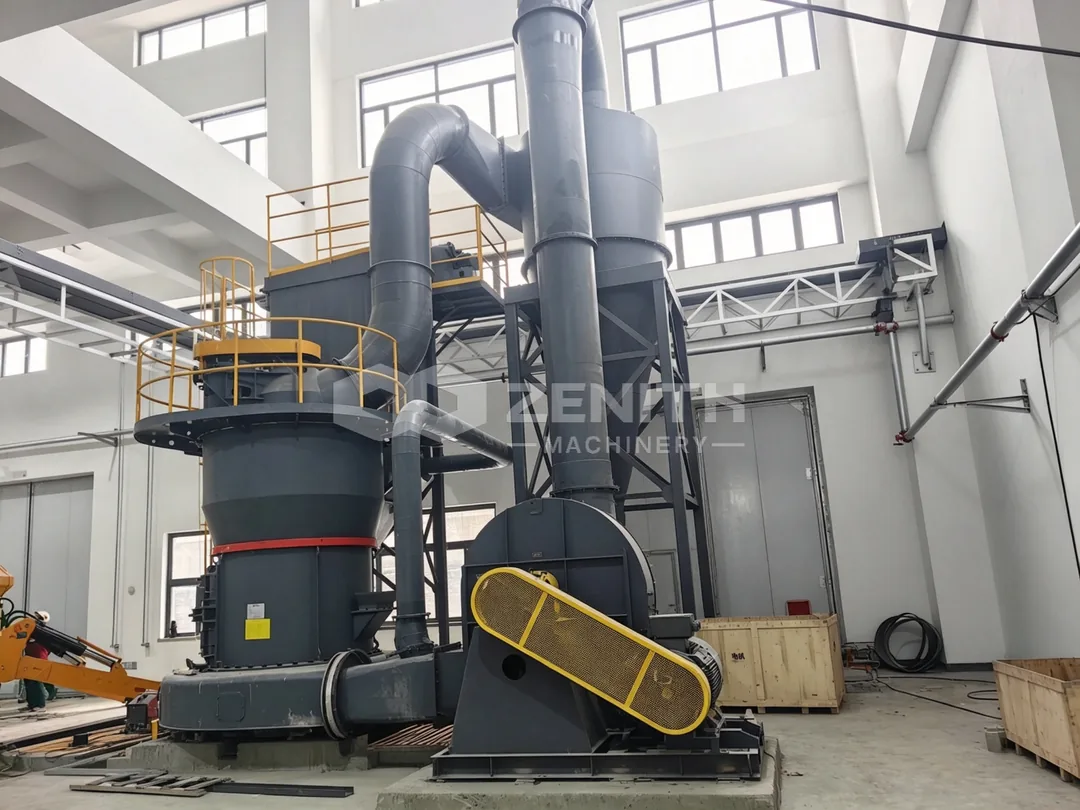
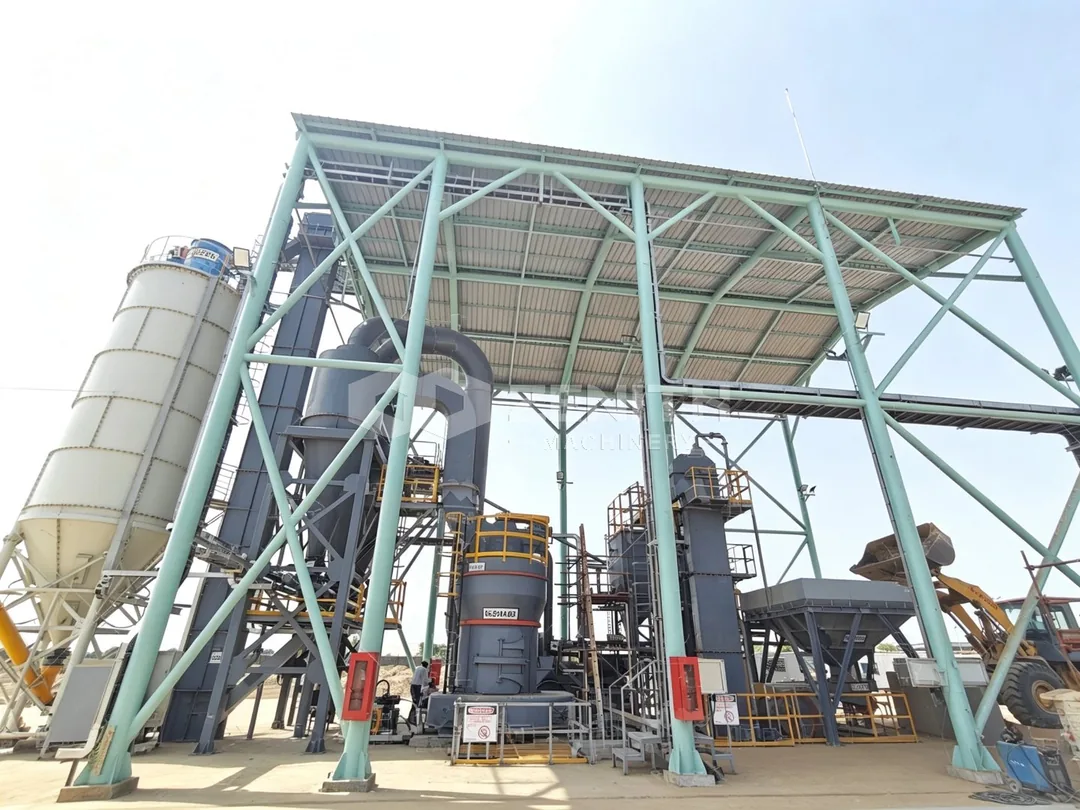
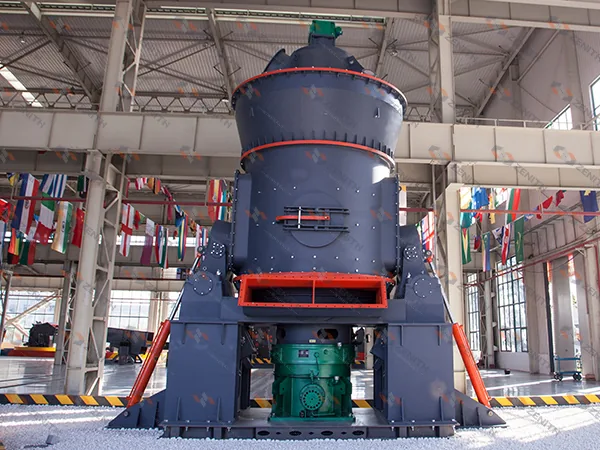
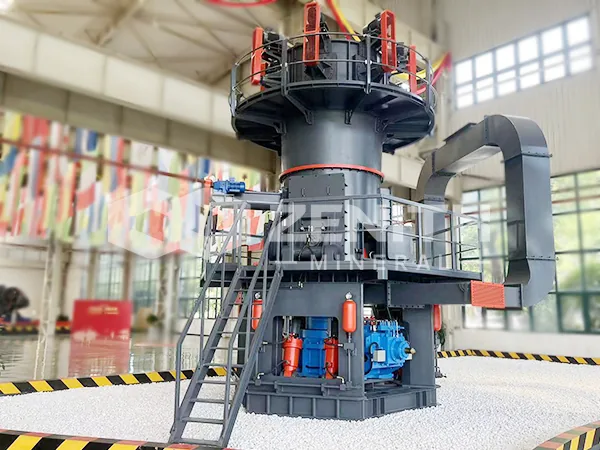
A calcium carbonate powder production line at an indian factory has a capacity of 2 tons per hour, producing a finished product with a fineness of 5-8 microns. the finished product is used in paints, pvc fillers, detergents, etc.
2026-03-03 02:28:35
In the competitive landscape of Indian manufacturing, a calcium carbonate production line with a capacity of 2 tons per hour, delivering a consistent fineness of 5-8 microns, represents a significant technological achievement. This finely tuned powder is a critical ingredient across diverse sectors—from enhancing opacity and durability in paints and coatings, to acting as a functional filler in PVC pipes and profiles, and improving the scrubbing efficacy and bulk in detergents. The success of such a line hinges not just on achieving the target output, but on doing so with operational efficiency, product purity, and long-term reliability. For this specific application, selecting the right grinding technology is paramount.
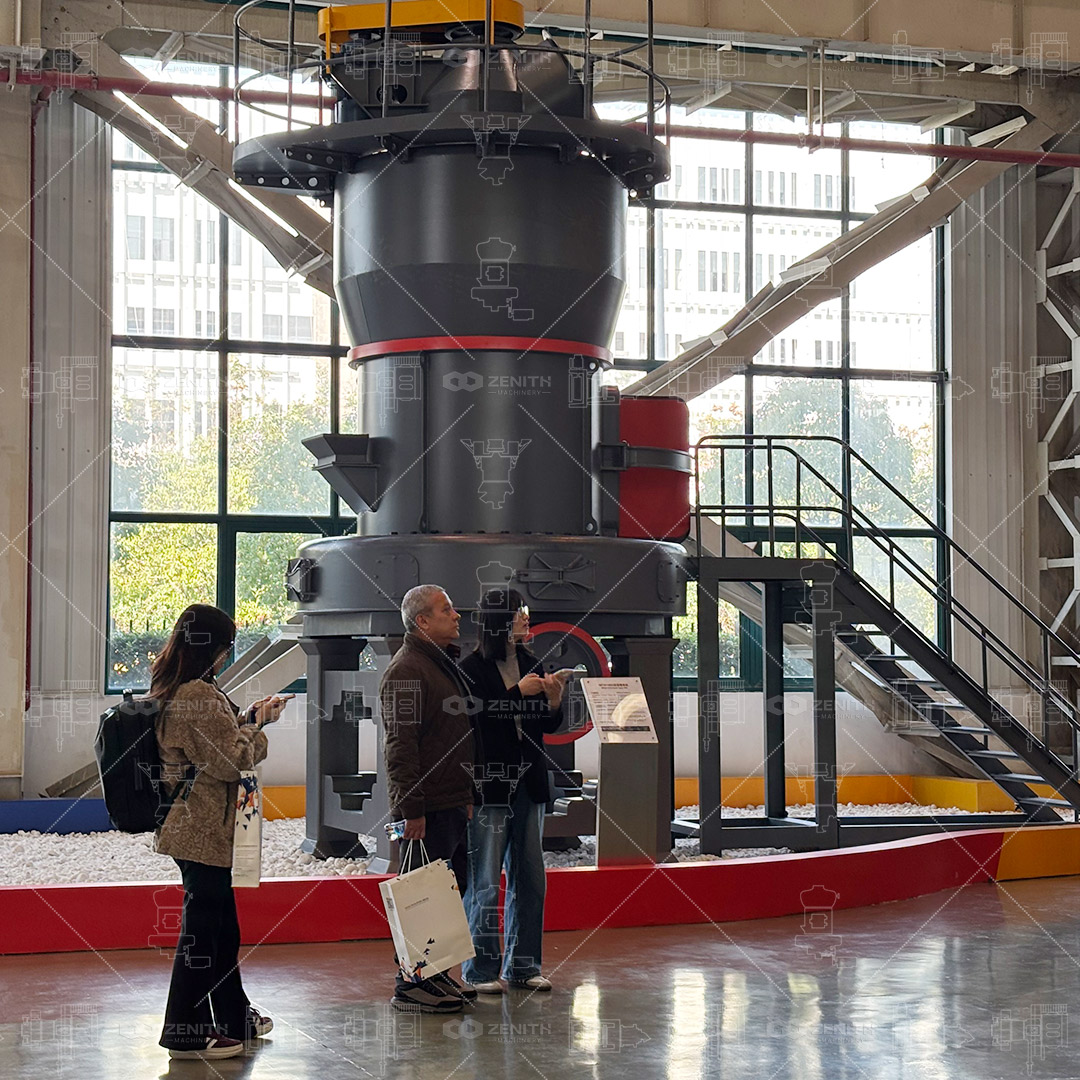
While traditional ball mills have been a historical choice for mineral processing, their application for producing ultra-fine powders in the 5-8 micron range (approximately 1250 to 2500 mesh) often comes with considerable drawbacks. High energy consumption, significant floor space requirements, and challenges in precisely controlling particle size distribution can erode profitability. Modern trapezium and vertical roller mill technologies have emerged as superior alternatives, specifically engineered to address these inefficiencies.
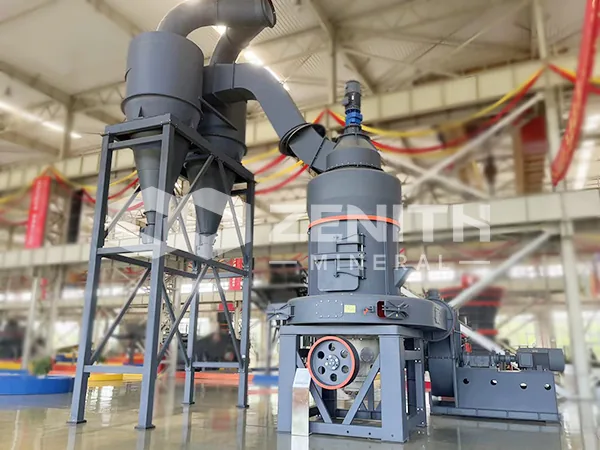
For the outlined 2 TPH requirement, Zenith's MTW European Trapezium Mill and LUM Ultrafine Vertical Grinding Mill present compelling solutions. The MTW series is renowned for its stability and efficiency in producing fine powders. Its modular impeller adjustment device allows for precise control over fineness, making it straightforward to maintain the stringent 5-8 micron specification. Crucially, its design incorporates a high-efficiency impeller fan and an optimized grinding curve, which contributes to energy savings of over 60% compared to a ball mill of equivalent output—a critical factor for cost-sensitive production.
_1772476115445.jpg)
When the focus shifts to the highest tier of ultrafine processing with exceptional purity—a key demand for PVC fillers and high-grade paints—the LUM Ultrafine Vertical Grinding Mill stands out. Integrating German powder separating technology, the LUM mill is designed for precisely the 5-8 micron (and finer) range. It excels in controlling product whiteness and iron contamination, ensuring the calcium carbonate meets the strict quality standards of premium applications. Its sealed, negative-pressure operation guarantees an environmentally friendly process with no dust spillage, aligning with increasingly stringent regulatory norms.
The operational principle of these advanced mills ensures consistent quality. Raw calcium carbonate (0-35mm) is fed and ground between rollers and a grinding table or ring. An integrated classifier immediately separates the powder; particles meeting the 5-8 micron target are carried by airflow to the cyclone collector, while coarser particles are returned for regrinding. This closed-loop system, operating under negative pressure, is key to achieving a uniform product and high collection efficiency.
_1772476115447.jpg)
Beyond the core mill, Zenith's holistic approach considers the entire production line. From initial crushing with a Hammer Mill for coarse preparation to final collection and packaging, the system is designed as a cohesive unit. This integration, backed by ISO, CE, and CU-TR certifications, minimizes footprint, reduces foundational investment, and simplifies operation. The high degree of automation allows for remote monitoring and control, ensuring the 2 TPH capacity is maintained consistently with minimal manual intervention, a vital feature for maintaining production schedules.
For an Indian factory supplying critical raw materials to paints, PVC, and detergents, investing in such tailored technology translates directly into market advantage. It means producing a superior, consistent product with lower operational costs, reduced energy consumption, and a smaller environmental footprint. The reliability and global service network supporting these mills ensure that this 2 TPH calcium carbonate line is not just a production asset, but a foundation for growth and quality leadership in a demanding industrial sector.
_1772476115456.jpg)
Frequently Asked Questions (FAQs)
- What is the main advantage of using an MTW or LUM mill over a traditional ball mill for this 5-8 micron application?
The primary advantages are significantly lower energy consumption (over 60% savings), more precise particle size control, a smaller plant footprint, and a fully enclosed, dust-free operation that better meets environmental standards. - Can the fineness of the final product be easily adjusted if we need to supply for a different application, say 10-15 microns?
Yes. Both the MTW and LUM series feature modular or adjustable classifier systems. Changing the impeller speed or configuration allows quick adjustment of the output fineness without stopping production for major mechanical changes. - How is the purity and whiteness of the calcium carbonate maintained during the grinding process?
The vertical grinding mills (LUM/LM) are specifically designed to minimize iron contamination. Their grinding principles and use of ceramic or high-chrome wear parts prevent metal abrasion, while efficient separation ensures a consistent, high-whiteness product. - What kind of after-sales support and spare parts availability can be expected in India?
With a global network covering over 180 countries and offices in more than 30, comprehensive technical support, local spare parts inventories, and engineer services are available to ensure minimal downtime and long-term operational stability. - Is the system automated, and what is required for routine operation?
The mills are equipped with intelligent control systems allowing for local and remote operation. Routine tasks primarily involve monitoring parameters on the control panel; the system is designed for labor-efficient operation with automated feeding, grinding, and classification. - What is the typical particle size distribution within the 5-8 micron range?
The advanced classifier technology ensures a very narrow and consistent particle size distribution. A high percentage of the output (e.g., D97) will fall within the specified 5-8 micron band, providing optimal performance in end-use applications like paints and PVC. - How does the system handle moisture in the raw calcium carbonate material?
The grinding process can be coupled with a hot air generator. The mill can operate in a grinding-drying simultaneous mode, effectively handling materials with a certain moisture content to ensure smooth feeding and optimal grinding efficiency.