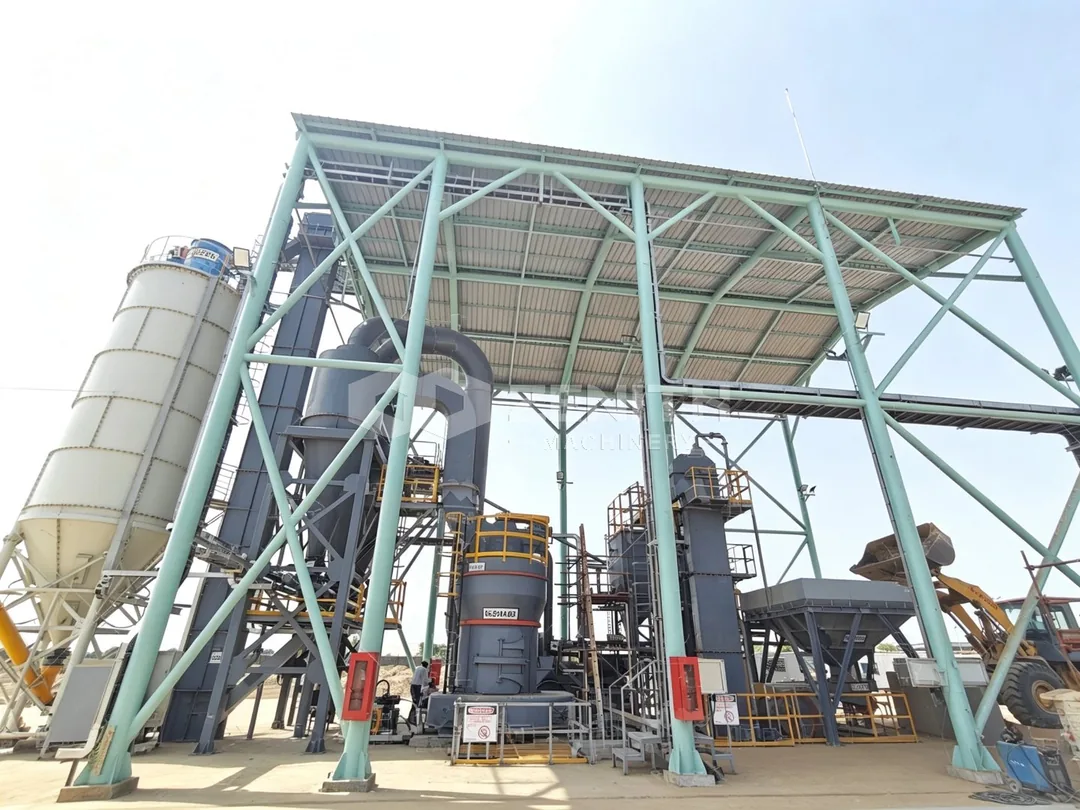
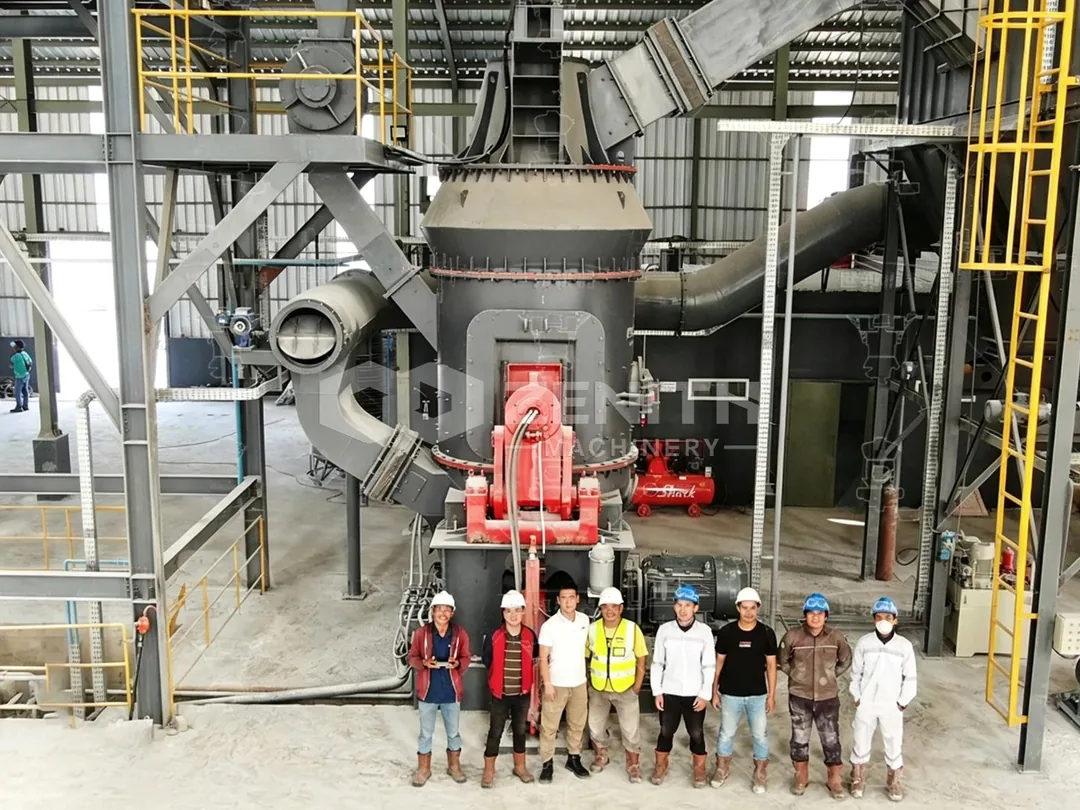
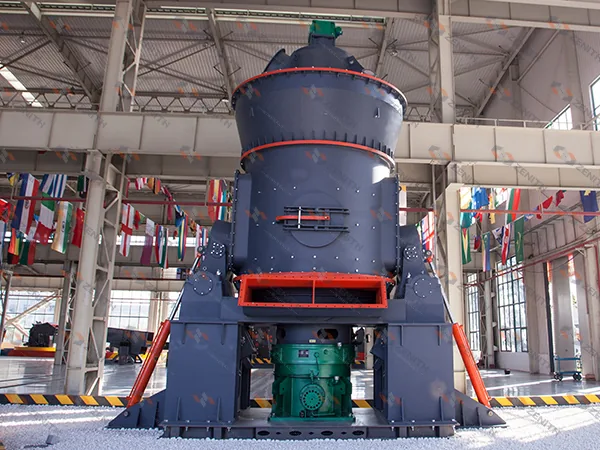
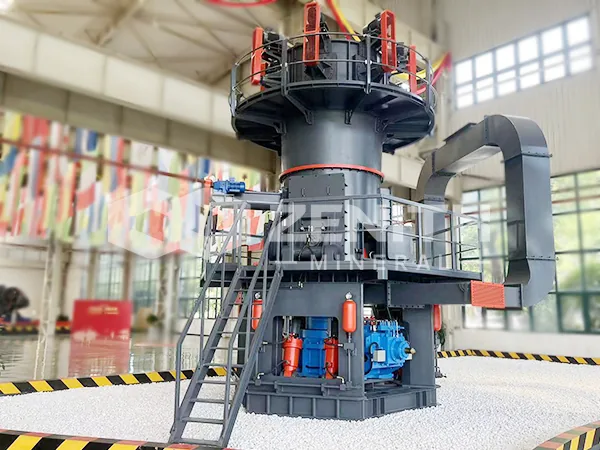
A mining company in mongolia purchased a fluorite grinding mill with a capacity of 20 t/h.
2026-02-09 17:57:22
In the vast, mineral-rich landscapes of Mongolia, operational efficiency and equipment reliability are not just advantages—they are necessities for survival and growth. A prominent mining company, focused on extracting and processing high-value fluorite, recently faced a critical challenge: upgrading their grinding circuit to achieve a consistent, high-quality output of 20 tons per hour to meet escalating global demand. After a thorough evaluation of global suppliers, they selected a grinding solution from Shanghai Zenith Machinery Co., Ltd., a decision rooted in Zenith's proven engineering expertise and deep understanding of industrial mineral processing.
Fluorite, or fluorspar, is a crucial industrial mineral used in metallurgy, ceramics, and chemical manufacturing. Its processing requires precise grinding to achieve specific mesh sizes without compromising purity. The Mongolian operation needed a mill that could handle their ore's characteristics, deliver unwavering 20 t/h capacity, and operate reliably in a demanding environment with stringent environmental considerations.
_1770631042046.jpg)
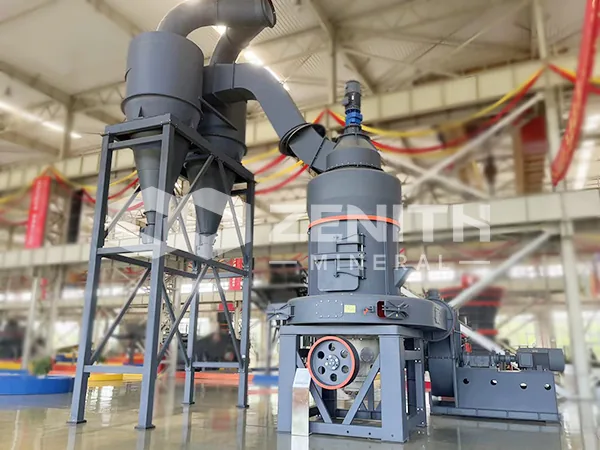
Zenith's technical team conducted a detailed site analysis. While several models in their portfolio were capable, the MTW European Trapezium Mill emerged as the optimal fit. Its robust design for producing 80-400 mesh fine powder aligned perfectly with the target fluorite product specifications. The client was particularly impressed by the promised 60% lower energy consumption compared to traditional ball mills, a critical factor given remote location energy costs. The mill's self-contained production system—from bulk material to finished powder—meant less investment in auxiliary structures and a smaller plant footprint, accelerating the project timeline.
"For us, it was about total cost of ownership and guaranteed uptime," a project engineer from the mining company noted (in a style typical of industry professionals). "Zenith didn't just sell us a machine; they provided a production system. The MTW mill's modular impeller adjustment allows us to tweak fineness between 30-325 mesh for different customer batches without major downtime. In our business, that adaptability translates directly to market responsiveness."
_1770631042049.jpg)
The installation and commissioning phase highlighted Zenith's international support network. With overseas offices in over 30 countries, their engineers provided on-ground supervision, ensuring the mill was integrated seamlessly into the existing crushing and classification circuit. The working principle, where crushed fluorite is fed into the grinding chamber and classified via a high-efficiency impeller fan (with 85% air induction efficiency), proved to be both stable and easy to monitor.
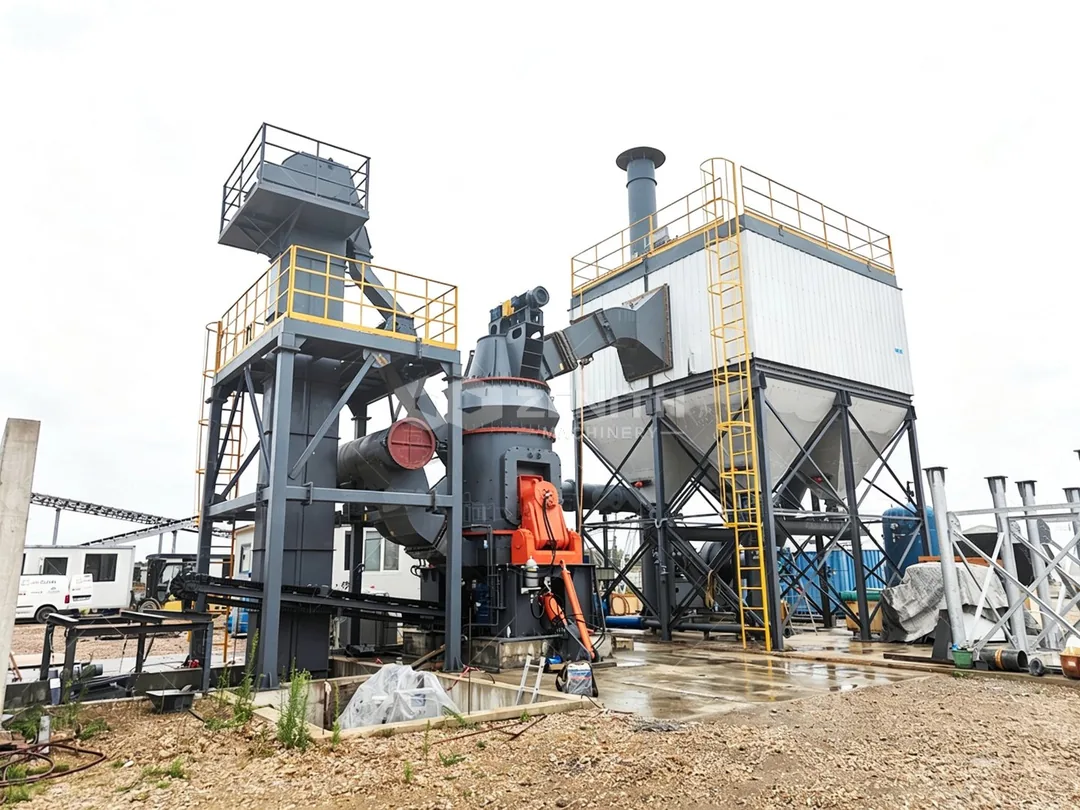
Within weeks of operation, the MTW mill consistently hit and often exceeded the 20 t/h capacity target. The integrated pulse dust collector ensured the operation met Mongolia's environmental standards, containing dust and maintaining a clean worksite—a non-negotiable aspect of modern, responsible mining.
_1770631042051.jpg)
This success story in Mongolia is a testament to Zenith's core philosophy: specializing in the research, development, and production of industrial powder grinding equipment that meets the nuanced needs of customers in diverse fields. From 1-3mm coarse powder to 3250 mesh micro powder, their ISO, CE, and CU-TR certified equipment portfolio offers solutions across the spectrum. The Mongolian fluorite project underscores how the right grinding technology can become a cornerstone of productivity, efficiency, and sustainable resource development.
Frequently Asked Questions (FAQs)
- What makes the MTW European Trapezium Mill more energy-efficient than a ball mill for fluorite grinding?
The MTW mill utilizes an advanced grinding curve and an efficient impeller fan system, which significantly reduces friction and aerodynamic losses. Under ideal conditions, it consumes over 60% less energy than a ball mill of the same output grade, leading to substantial operational cost savings. - Can the output fineness be adjusted easily after installation?
Yes. The MTW series mill features a modular impeller adjustment device. Changing the impellers allows operators to produce fluorite powder with different fineness levels (within the 30-325 mesh range) quickly, without requiring complex mechanical overhauls. - How does the mill system ensure environmental compliance in sensitive regions?
The entire grinding system operates under negative pressure, preventing dust escape. It is equipped with a high-efficiency pulse dust collector that filters the air stream before release, ensuring emissions meet strict national and international environmental protection standards. - What is the typical particle size range for fluorite powder processed by this mill?
The Zenith MTW mill is ideally suited to produce fluorite powder in the fine powder range, typically between 80 to 400 mesh (approximately 180 to 38 microns), which is the standard for most chemical and metallurgical applications. - Does Zenith provide support for installation and maintenance in remote locations like Mongolia?
Absolutely. Zenith has a global marketing network covering over 180 countries, with overseas offices in more than 30 nations. They provide comprehensive technical support, including engineer dispatch for installation supervision, operator training, and readily available spare parts services. - Is the mill suitable for other minerals besides fluorite?
Yes, the MTW European Trapezium Mill is a versatile grinding machine widely used for making fine powder from various non-metallic minerals, including calcite, limestone, talc, barite, and more, across industries like agriculture, chemicals, paints, and water treatment. - How does the system handle variations in feed material size or hardness?
The mill is designed to accept feed sizes up to 35mm. Its stable grinding mechanics and robust construction allow it to adapt to normal variations in material hardness. For significant changes, Zenith engineers can recommend adjustments to grinding pressure and classifier speed to maintain optimal performance.