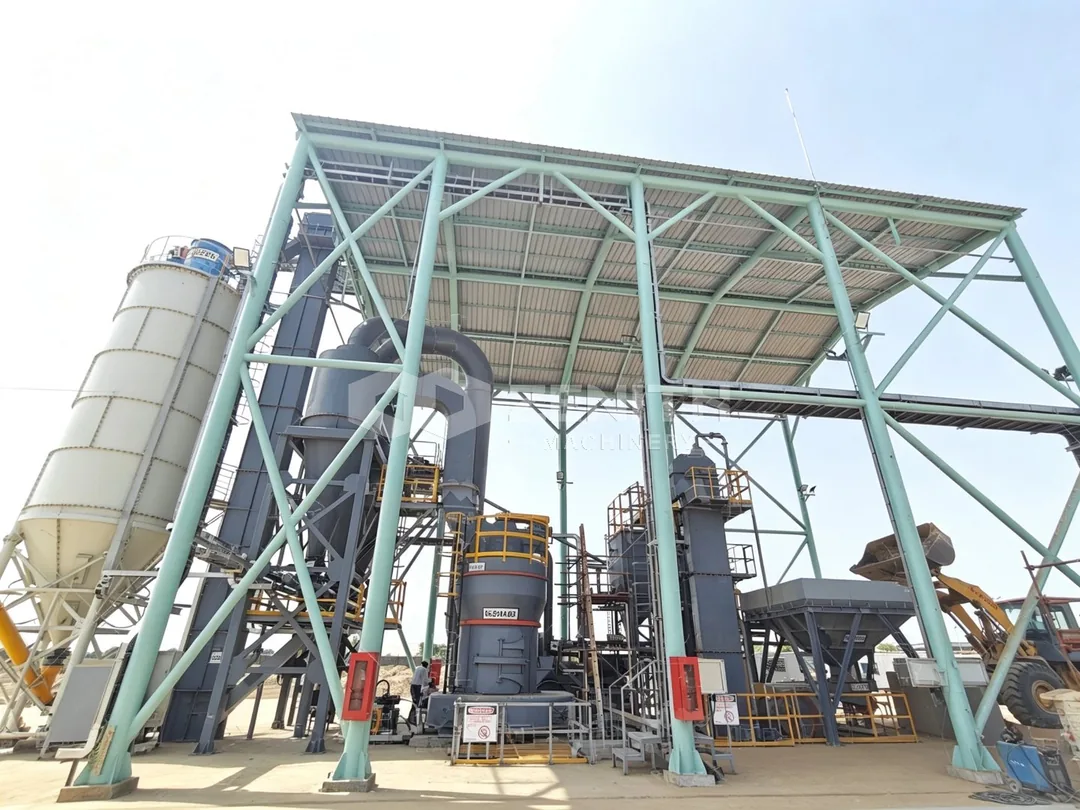
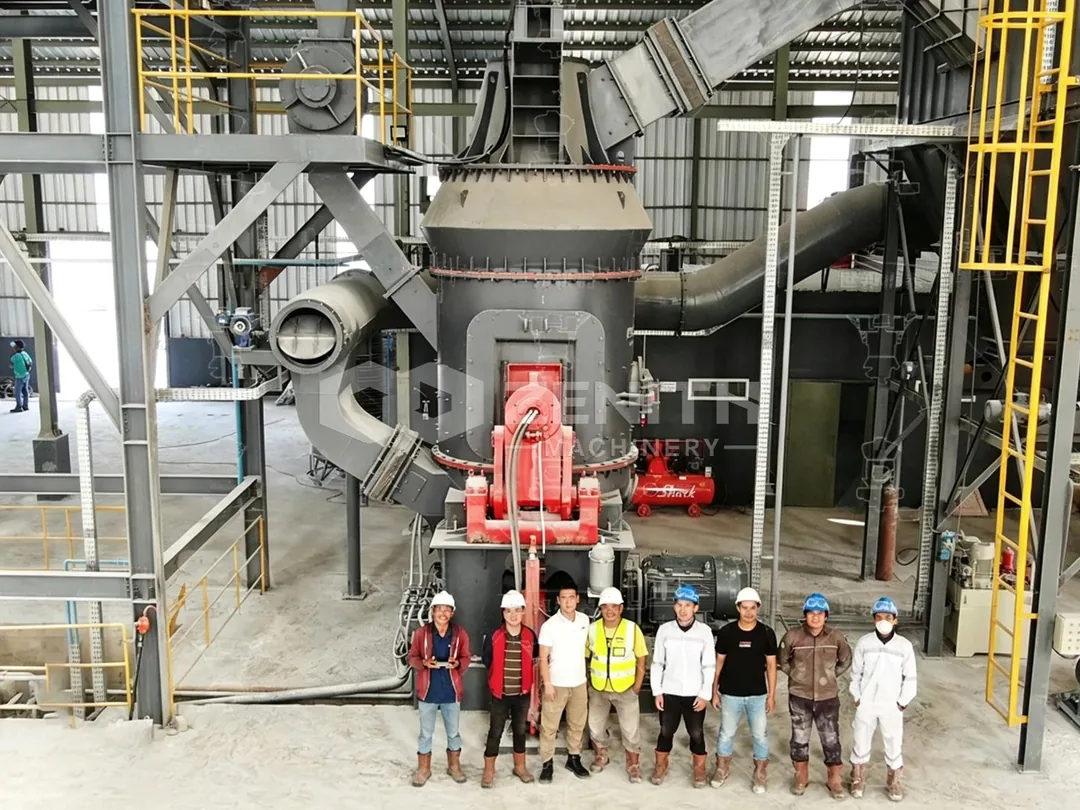
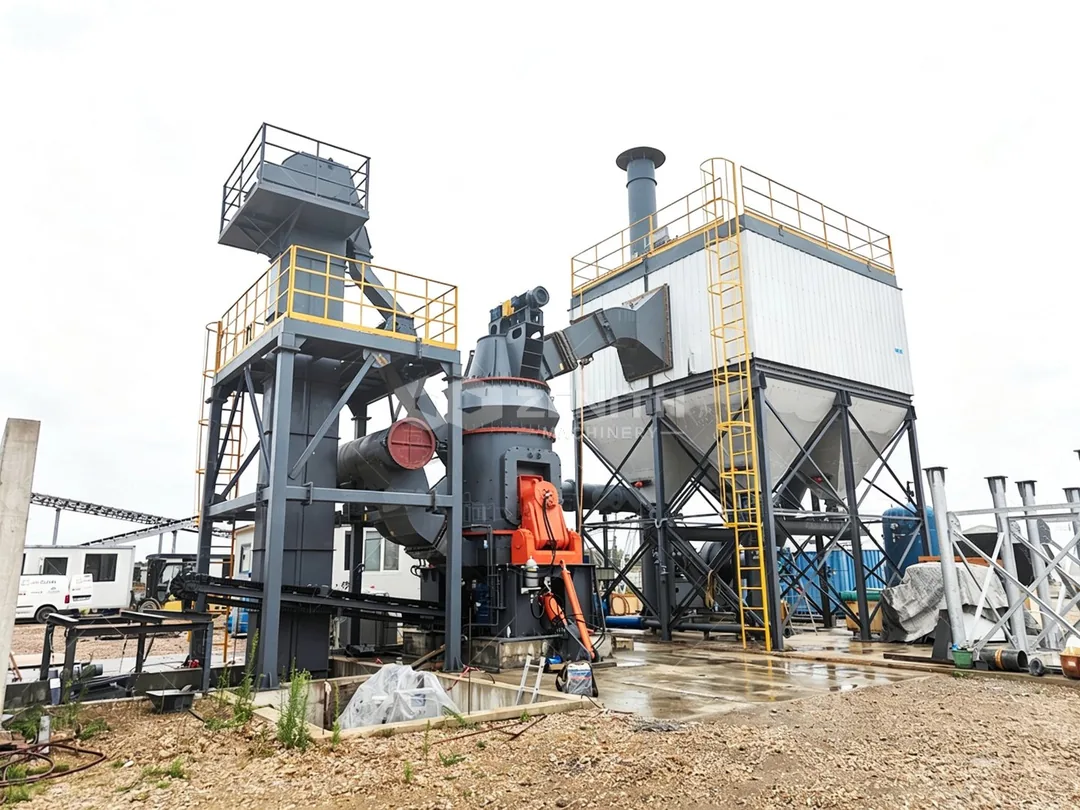
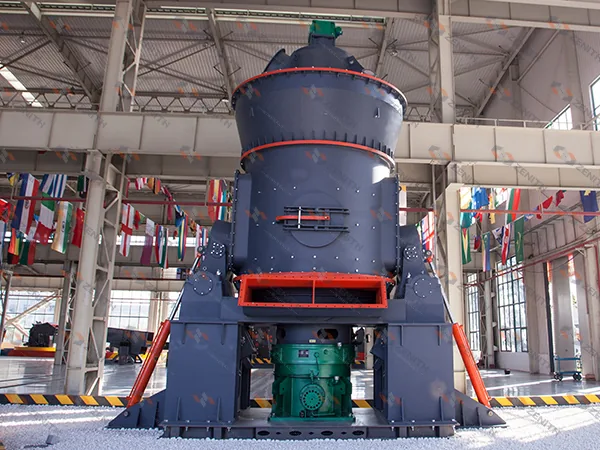
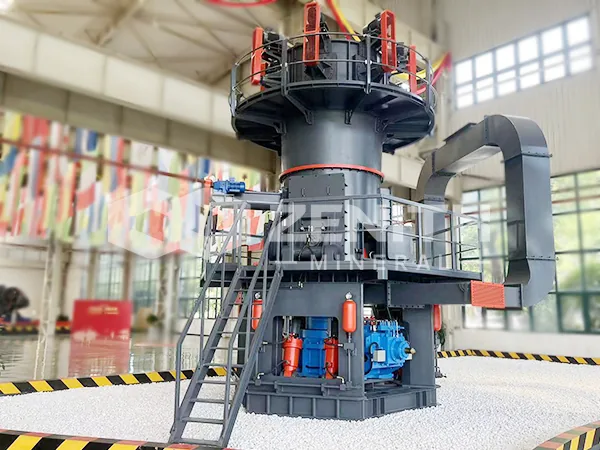
An indonesian metallurgical plant purchased a vertical coal mill to process pulverized coal with a fineness of 200 mesh (d90) and a capacity of 23 t/h for use as kiln fuel.
2026-02-06 17:54:01
In the competitive landscape of modern metallurgy, operational efficiency and fuel quality are paramount. A leading Indonesian metallurgical plant recently addressed this challenge head-on by investing in a state-of-the-art vertical coal grinding mill. The primary objective was clear: to establish a reliable, high-capacity production line for pulverized coal with a target fineness of 200 mesh (d90) and a consistent output of 23 tons per hour, destined to fuel their kiln operations. This strategic move underscores a global industry trend towards specialized, energy-efficient grinding solutions for process-critical fuels.
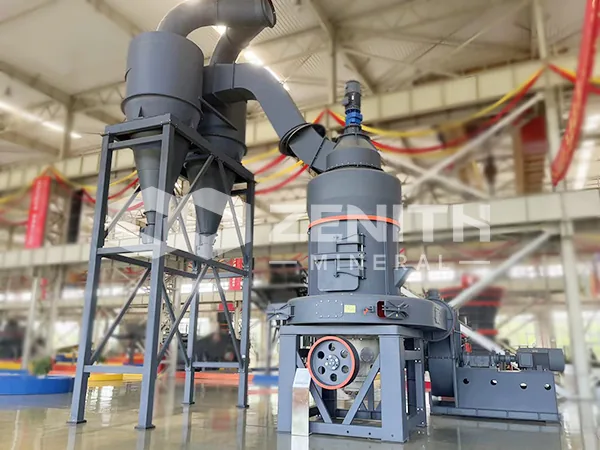
After a thorough evaluation of available technologies, the plant's engineering team selected a solution from Zenith's LM series of Vertical Grinding Mills. The decision was driven by the mill's renowned capability for 24-hour constant running and its automated operation, which aligns perfectly with the need for stable, high-volume production in a demanding industrial environment. The requirement for a specific fineness of 200 mesh falls comfortably within the LM mill's broad output range of 80-400 mesh, ensuring precision and consistency in the final product.
_1770371641670.jpg)
The core advantage of the LM Vertical Grinding Mill lies in its integrated design and operational philosophy. Unlike traditional ball mill systems, the LM mill adopts a compact layout, occupying approximately 50% less space. This translates into significant savings in plant footprint and foundation costs—a critical consideration for any facility expansion or upgrade. Furthermore, the system operates under negative pressure with a fully sealed structure, ensuring no dust spillage, minimal vibration, and low noise levels, thereby meeting stringent environmental and workplace safety standards.
From a performance perspective, the energy savings are substantial. Under ideal working conditions, the grinding principle of the LM mill consumes over 60% less energy compared to a ball mill of the same grade. This dramatic reduction in power consumption offers a rapid return on investment, a key factor for cost-conscious operations. The plant's specified capacity of 23 t/h is well-supported by the LM series, which offers models with capacities ranging from 3 to an impressive 340 t/h, providing ample headroom and operational flexibility.
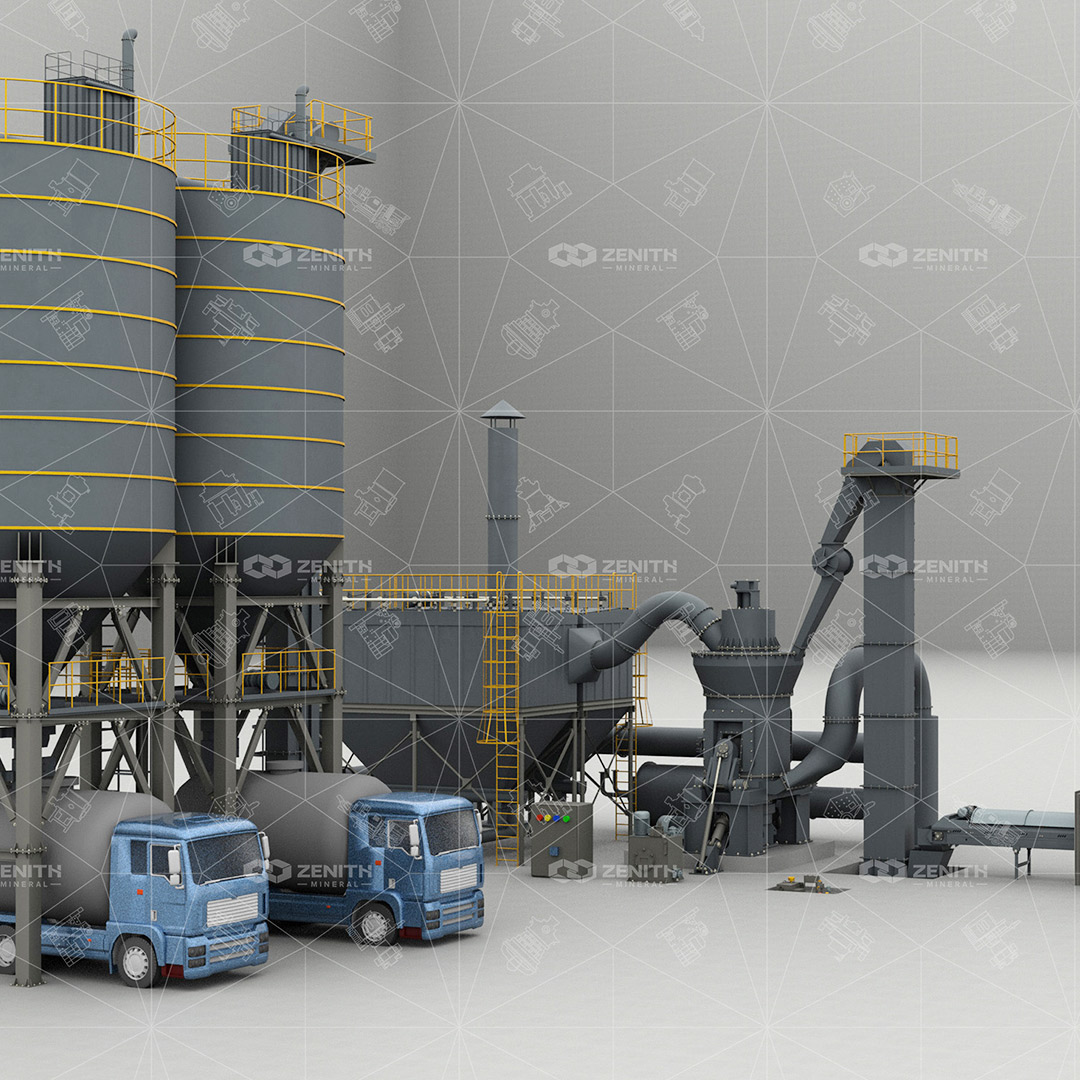
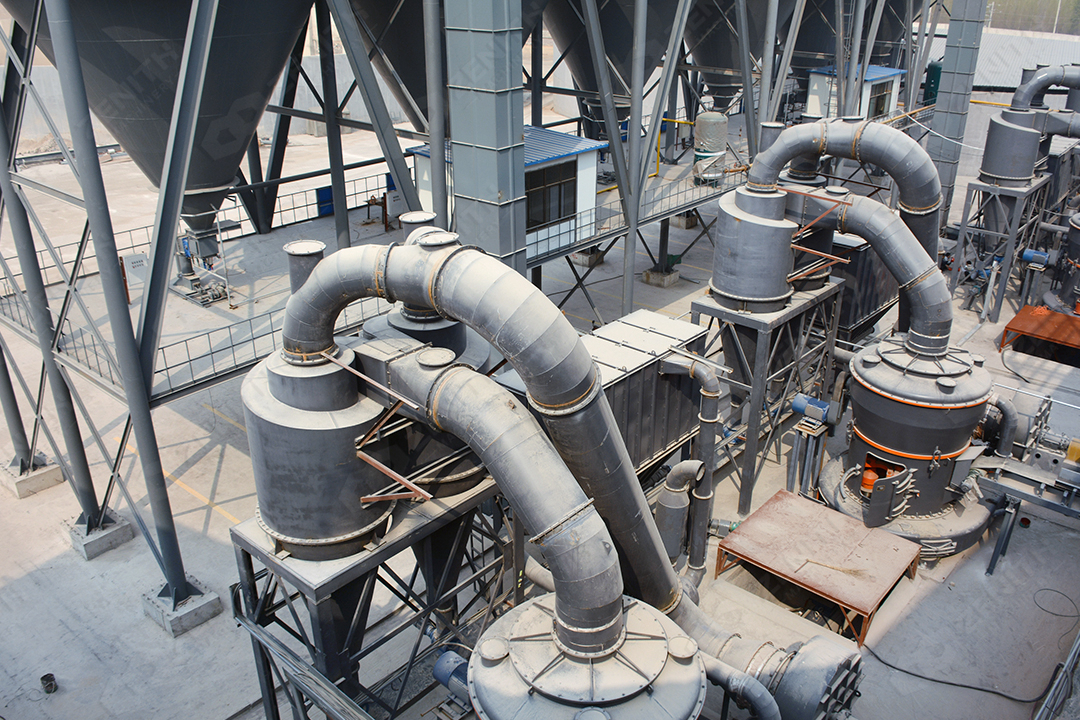
The working principle ensures high-purity output essential for kiln fuel. The main motor drives the grinding disc, and material fed to the center is crushed by rollers under centrifugal force. A critical air classification system then separates the fine powder. Particles meeting the 200-mesh (d90) specification are carried by airflow to the collection system, while coarser particles are returned for re-grinding. This closed-loop system, equipped with advanced pulse dust collectors, guarantees the precise fineness control required for optimal combustion efficiency in the kiln.
Shanghai Zenith Machinery, the provider behind this technology, brings decades of specialization in industrial powder grinding. With ISO, CE, and CU-TR certifications, their equipment is engineered for global applications. The company's extensive network, spanning over 180 countries, ensures robust technical support and service, a vital aspect for the Indonesian plant's long-term operational success. This project exemplifies Zenith's commitment to delivering tailored solutions that enhance productivity, reduce environmental impact, and bolster the bottom line for heavy industries worldwide.
Frequently Asked Questions (FAQs)
- Why is a fineness of 200 mesh (d90) specifically important for kiln fuel?
A fineness of 200 mesh (d90) ensures that 90% of the pulverized coal particles pass through a 200-mesh screen. This high surface area is crucial for rapid and complete combustion in the kiln, leading to higher thermal efficiency, stable flame temperature, and reduced unburned carbon content in the ash. - How does the energy consumption of an LM Vertical Mill compare to a traditional ball mill for this application?
The LM Vertical Grinding Mill operates with an energy consumption of more than 60% lower than a ball mill of equivalent capacity and output fineness. This is achieved through its efficient grinding mechanism, integrated classifier, and lower rotational resistance. - Can the output fineness be adjusted after installation if production needs change?
Yes, the fineness is easily adjustable. By modifying the speed of the integrated dynamic classifier or adjusting other operational parameters via the automated control system, the product size can be fine-tuned within a range of 80 to 400 mesh without major mechanical changes. - What are the key maintenance requirements for the LM Vertical Mill in a 24/7 coal grinding operation?
Key maintenance focuses on the grinding rollers and table liners, which are designed for long life and easy replacement. The automated lubrication system and the mill's design allow for scheduled maintenance with minimal downtime. The sealed, negative-pressure operation also reduces wear from external contaminants. - How does the system handle variations in the moisture content or hardness of the feed coal?
The LM mill system can be equipped with a hot air generator. This allows for simultaneous grinding and drying of the material within the mill chamber, effectively handling coal with higher moisture content. The robust design and grinding force accommodate reasonable variations in material hardness. - Is the 23 t/h capacity a maximum or a guaranteed stable output?
The specified 23 t/h is a designed stable operating capacity. The LM series mills are engineered for constant, reliable running. The selected model will have a rated capacity above this figure to ensure the target output is consistently met without operating at the absolute limit of the equipment.