The us waste tire oil refining project produces coarse carbon black powder with a finished product fineness of 325 mesh (45 microns).
2026-02-06 00:56:49
The global push for sustainable resource recovery has placed waste tire pyrolysis projects at the forefront of circular economy initiatives. A critical output of these projects is coarse carbon black powder, a valuable material with applications ranging from rubber compounding to construction. However, its market value and usability are intrinsically tied to its fineness and consistency. For a finished product specification of 325 mesh (approximately 45 microns), selecting the right grinding technology is not just an operational decision—it's a strategic one impacting profitability and product acceptance.
_1770310609939.jpg)
Producing a consistent 325-mesh carbon black powder presents distinct challenges. The material is inherently abrasive and can vary in initial moisture and composition based on the pyrolysis process. Traditional ball mills, while common, often fall short in energy efficiency and precise particle size control for this specific range. The goal is a grinding solution that delivers precise fineness, high throughput, operational stability, and, crucially, a favorable return on investment by minimizing energy and maintenance costs.
At Shanghai Zenith Machinery, we specialize in engineering industrial grinding solutions for precisely these kinds of demanding applications. Our expertise spans from coarse powder at 1-3mm to micro-powders reaching 3250 mesh. For the 325-mesh target—situated in the fine powder range—our MTW European Trapezium Mill and MTM European Trapezium Mill emerge as particularly suitable and proven technologies.
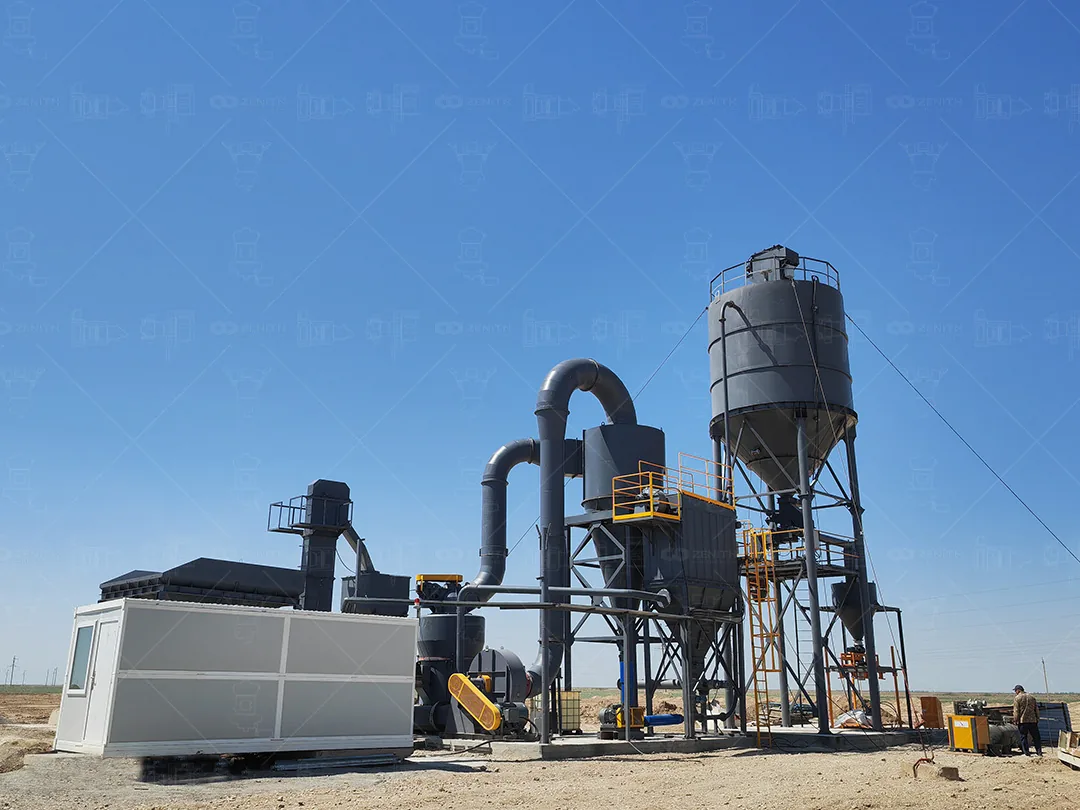
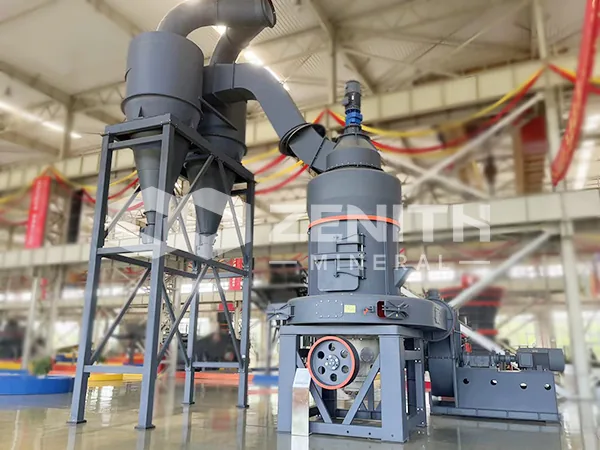
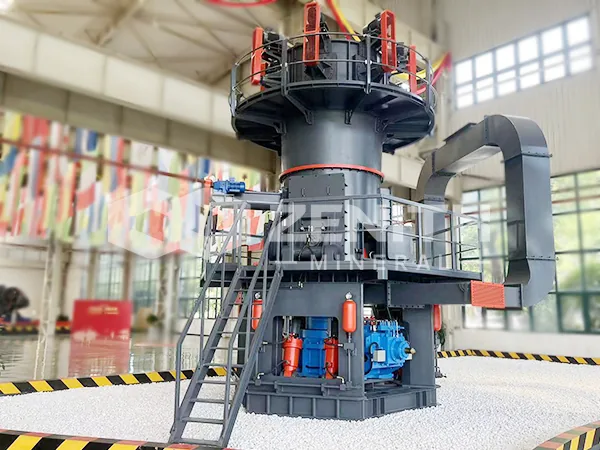
The MTW Series Mill is engineered for high-capacity fine powder production between 30 and 325 mesh, perfectly encompassing the 325-mesh target. Its modular impeller adjustment device allows operators to fine-tune the output fineness precisely by changing impellers, ensuring the product consistently meets the 45-micron specification. A standout feature for cost-sensitive operations is its energy profile: it consumes over 60% less energy than a ball mill of equivalent grade. Furthermore, its high-efficiency impeller fan (85% air induction efficiency) ensures effective material classification and system airflow, critical for handling fine carbon black powder.
_1770310609942.jpg)
Similarly, the MTM Series Mill offers robust and stable performance honed over 30 years of practical use for producing 80-400 mesh powder. It shares the significant energy-saving and adjustable fineness benefits of the MTW series. For projects where reliability and lower initial investment are paramount, the MTM provides an excellent balance of performance and economy, capable of delivering the required 325-mesh carbon black with proven durability.
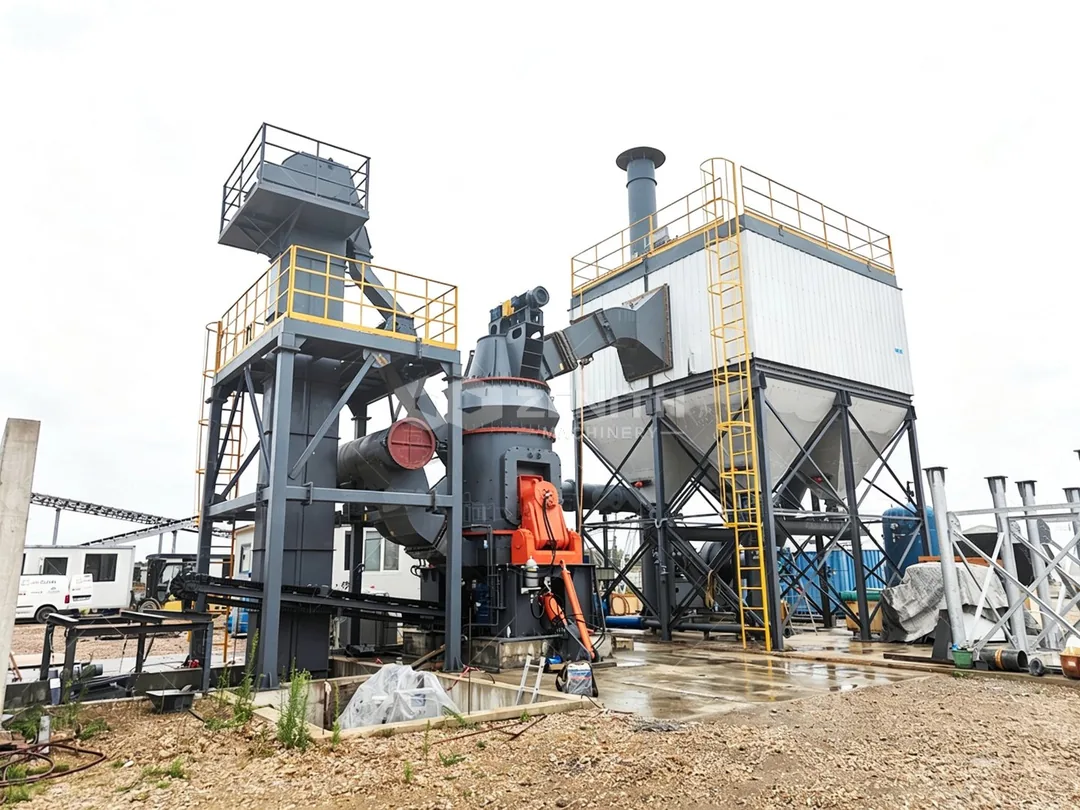
The working principle of both mills ensures a clean and efficient process. Crushed carbon black is fed into the grinding chamber. The ground material is then conveyed by fan airflow to an internal powder classifier. Here, particles meeting the 325-mesh fineness are separated and collected as finished product. Coarse particles are automatically returned for re-grinding. This closed-loop system operates under controlled pressure, and when integrated with our recommended pulse dust collectors, it meets stringent environmental standards, containing the fine carbon black dust completely.
_1770310609944.jpg)
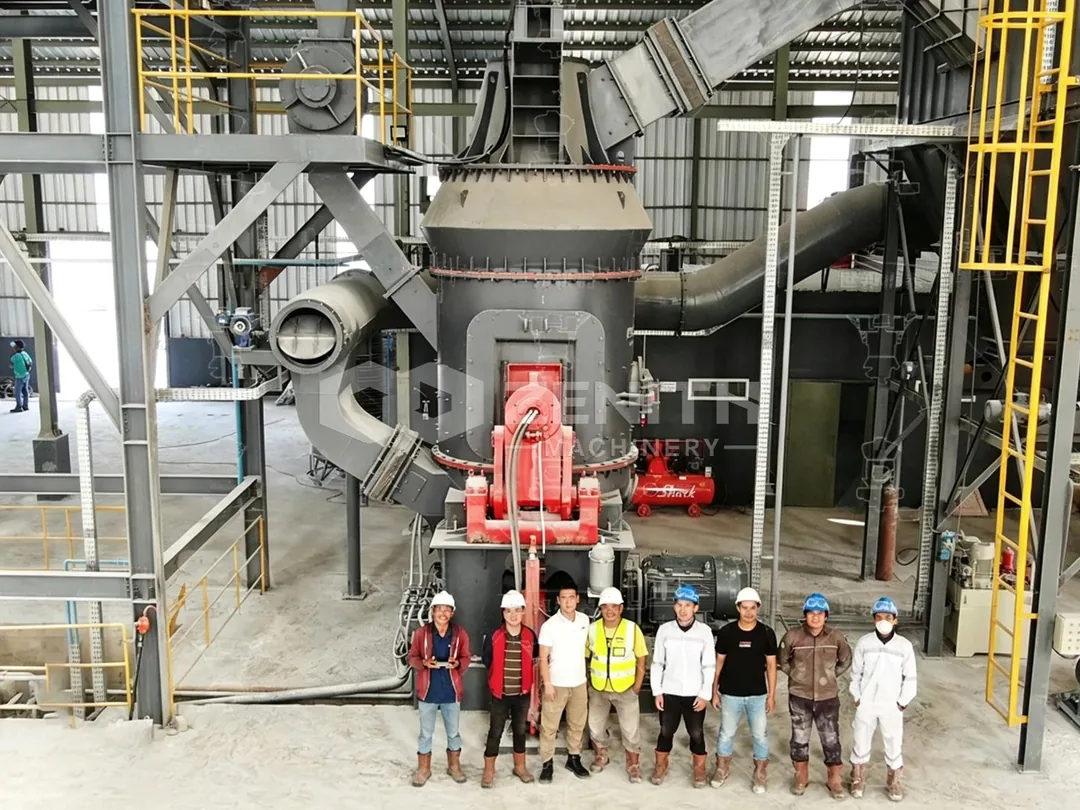
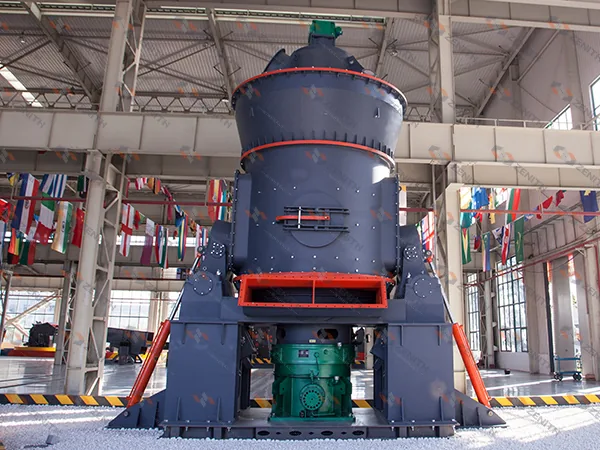
For larger-scale operations or those seeking a higher degree of automation, the LM Vertical Grinding Mill presents a compelling alternative. It offers high-purity output, automated control for consistent quality, and a compact footprint. Its sealed, negative-pressure operation is inherently environmentally friendly, eliminating dust spillage—a key consideration for carbon black handling.
Ultimately, transitioning coarse carbon black from a waste tire refinery into a standardized, high-value 325-mesh product requires precision engineering. It's about more than just pulverization; it's about controlled classification, energy management, and system reliability. With our globally certified equipment (ISO, CE, CU-TR) and network supporting over 180 countries, we provide not just machines, but integrated solutions to transform your carbon black output into a consistent, market-ready commodity.
Frequently Asked Questions (FAQs)
- Why is 325 mesh (45 microns) a common specification for processed carbon black?
This fineness offers an optimal balance between surface area and handling properties, making it suitable for reinforcement in rubber products, pigments, and as a filler in plastics and coatings, ensuring good dispersion and performance. - Can your mills handle the abrasive nature of carbon black?
Yes. Our MTW and MTM mills feature wear-resistant materials in critical grinding components, and their design minimizes direct wear in key areas, ensuring long service life even with abrasive materials like carbon black. - How do you ensure the final product is exactly 325 mesh and not finer or coarser?
We achieve this through the integrated high-efficiency powder classifier. The speed of the classifier rotor is adjustable, creating a precise cut point. Only particles below 45 microns pass through to collection; oversize particles are continuously recirculated for further grinding. - What is the typical capacity range for processing carbon black to 325 mesh?
For our MTW/MTM series mills, capacities range from 3 to 22 tons per hour, depending on the model and specific material characteristics. We can recommend the appropriate model based on your project's required throughput. - How does the energy consumption compare to a traditional ball mill system?
Our trapezium mill technology typically reduces energy consumption by over 60% compared to a ball mill system producing the same fineness and quantity of powder, leading to substantial operational cost savings. - Is the grinding system environmentally friendly regarding dust emissions?
Absolutely. The entire grinding and classification process occurs in a closed system under negative or positive pressure. Coupled with optional pulse jet bag dust collectors, the system achieves near-zero visible dust emission, complying with international environmental standards. - Do you offer testing services for our specific carbon black material?
Yes, we strongly recommend and offer pilot testing services. You can send us a sample of your coarse carbon black, and we will process it in our facility to confirm the achievable fineness, output rate, and optimal machine configuration for your needs.