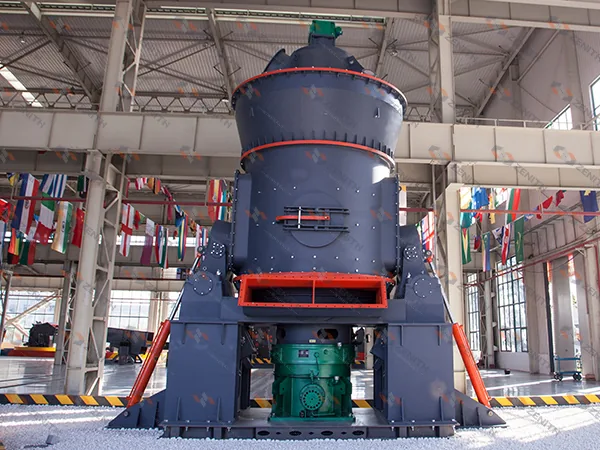
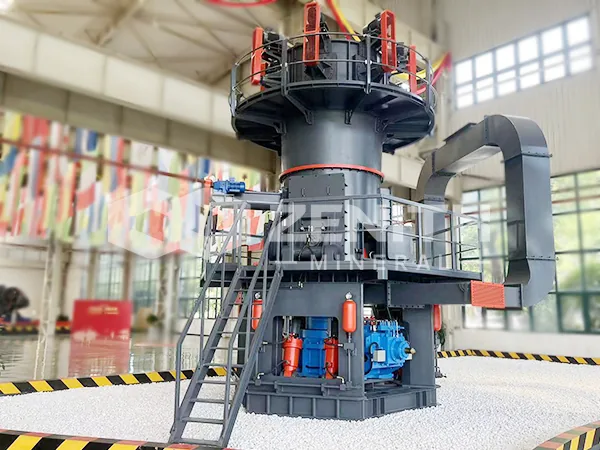
What types of ores can a raymond mill process into powder?
2026-01-20 17:55:12
For professionals in mining, construction, and industrial minerals, selecting the right grinding equipment is a critical decision that impacts productivity, product quality, and operational costs. Among the diverse range of milling solutions, the Raymond Mill, particularly its modern high-pressure roller mill iterations, stands out for its specific applications. At Shanghai Zenith Machinery, our decades of engineering experience have refined this technology to handle a versatile array of ores and minerals efficiently.
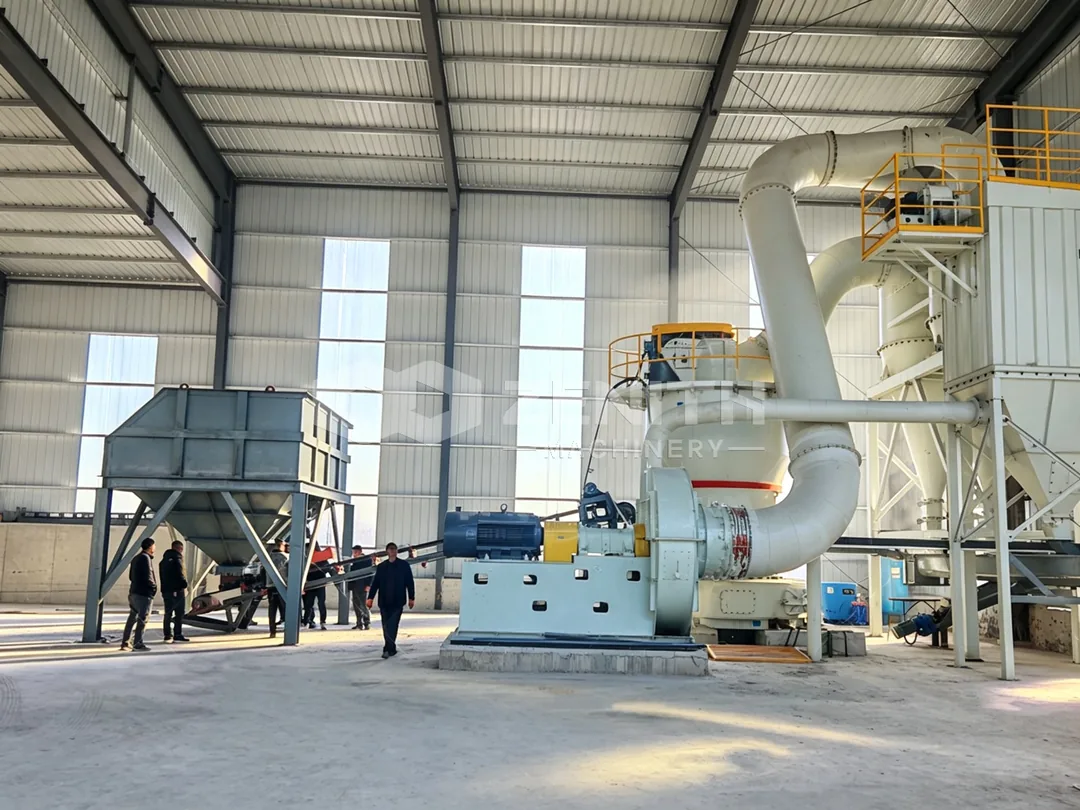
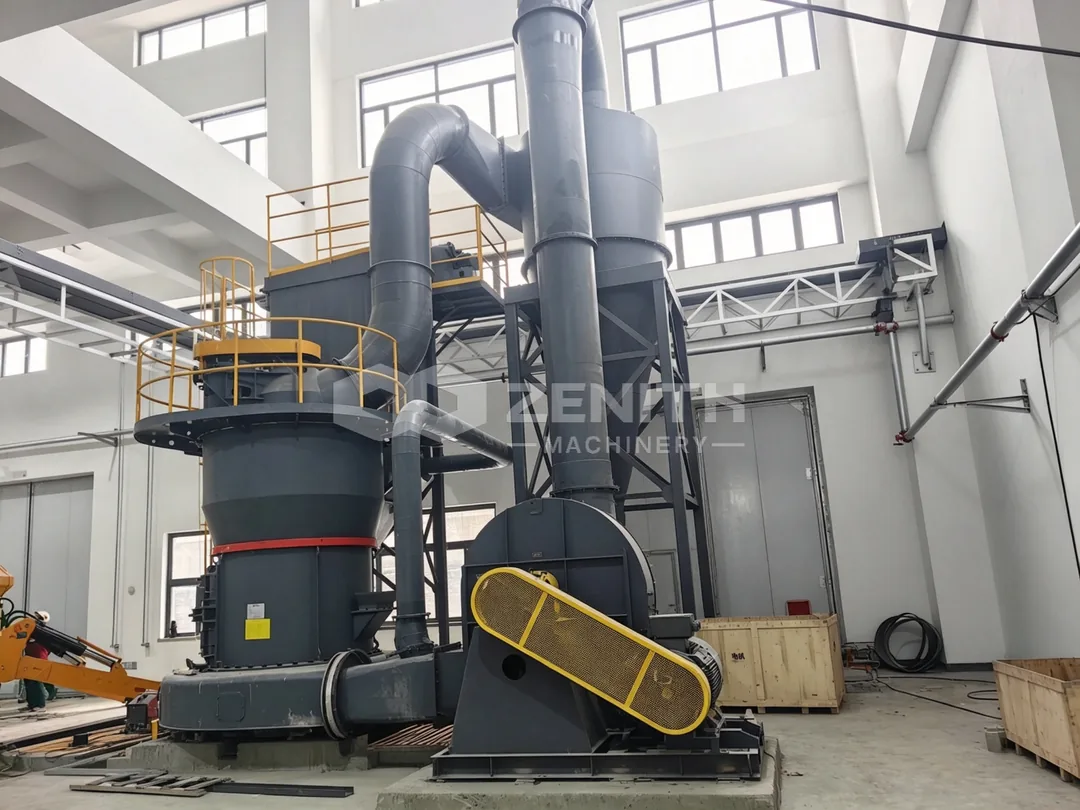
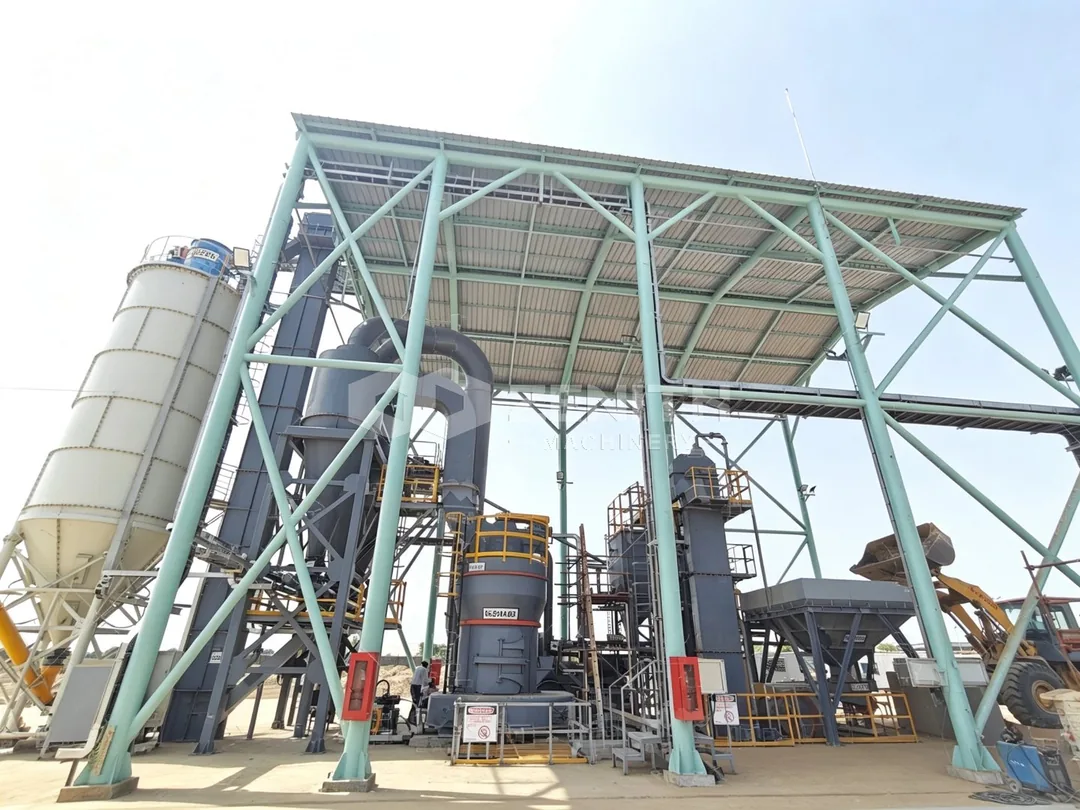
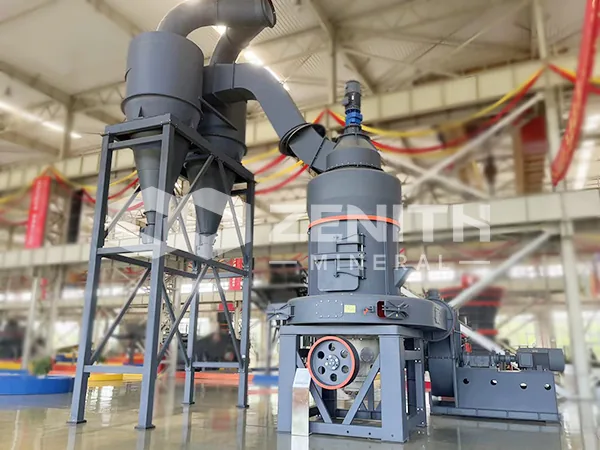
Raymond Mill, in its essence, is a robust grinding machine designed for medium to fine powder production. Its classic pendulum roller design, where rollers swing outward to press against a stationary grinding ring, creates a shearing and crushing action ideal for materials of moderate hardness. Our advanced models build upon this principle with intelligent control systems and high-quality, wear-resistant materials, enhancing their capability and durability.
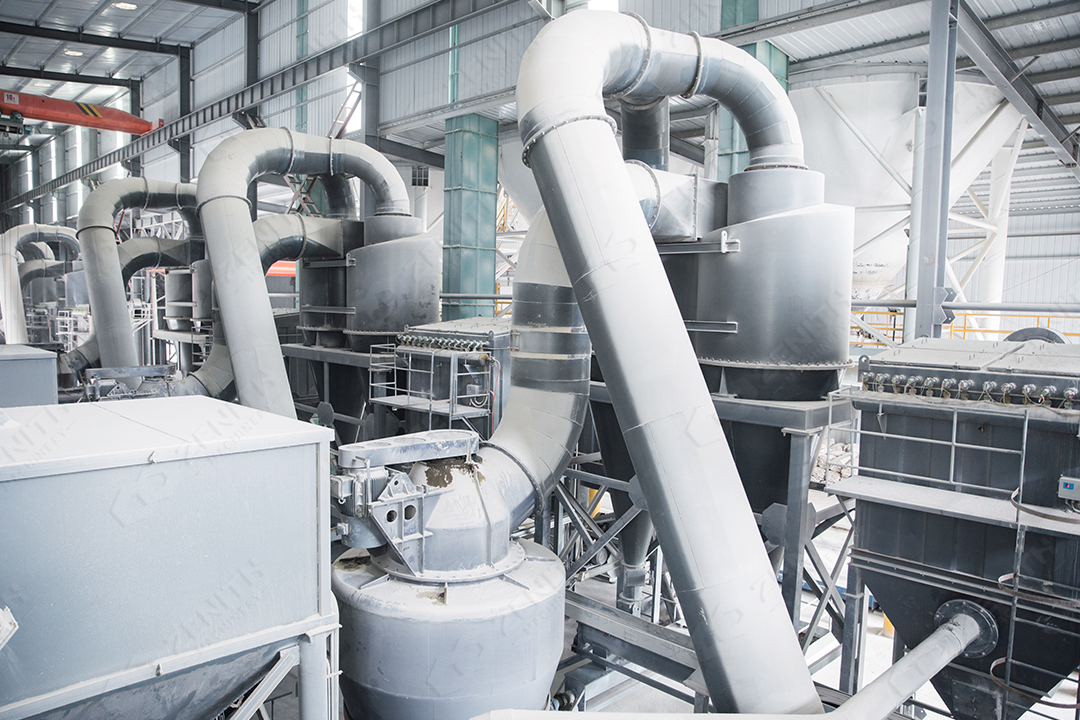
Key Ore Types Processed by Raymond Mill
The true strength of a Raymond Mill lies in its adaptability. It is exceptionally well-suited for processing non-metallic minerals with Mohs hardness below 7 and humidity below 6%. Here are some of the primary ore categories it can transform into fine powders:
- Carbonate Minerals: This is a classic application. Minerals like calcite, limestone, marble, and dolomite are perfectly matched to the Raymond Mill's grinding mechanism. The resulting powders, ranging from 80 to 325 mesh, are fundamental in industries like plastics, paints, paper filling, and construction materials.
- Silicate & Industrial Minerals: Feldspar, barite, and wollastonite are efficiently ground for use in ceramics, glass, and as functional fillers. The mill's ability to produce a well-distributed fineness ensures consistent product quality.
- Soft & Flaky Minerals: Kaolin (clay), talc, and pyrophyllite benefit from the relatively gentle, rolling compression of the Raymond Mill, which helps preserve particle structure. These powders are crucial for coatings, cosmetics, and polymers.
- Gypsum & Phosphates: For the production of gypsum powder used in wallboard or agricultural phosphates, the Raymond Mill offers a reliable and energy-efficient solution, capable of handling the specific grindability of these materials.
- Pulverized Coal: Beyond ores, the Raymond Mill (High-pressure Roller Mill) is a proven technology for preparing pulverized coal for combustion in industrial kilns or power plants, achieving the necessary fineness for efficient burning.
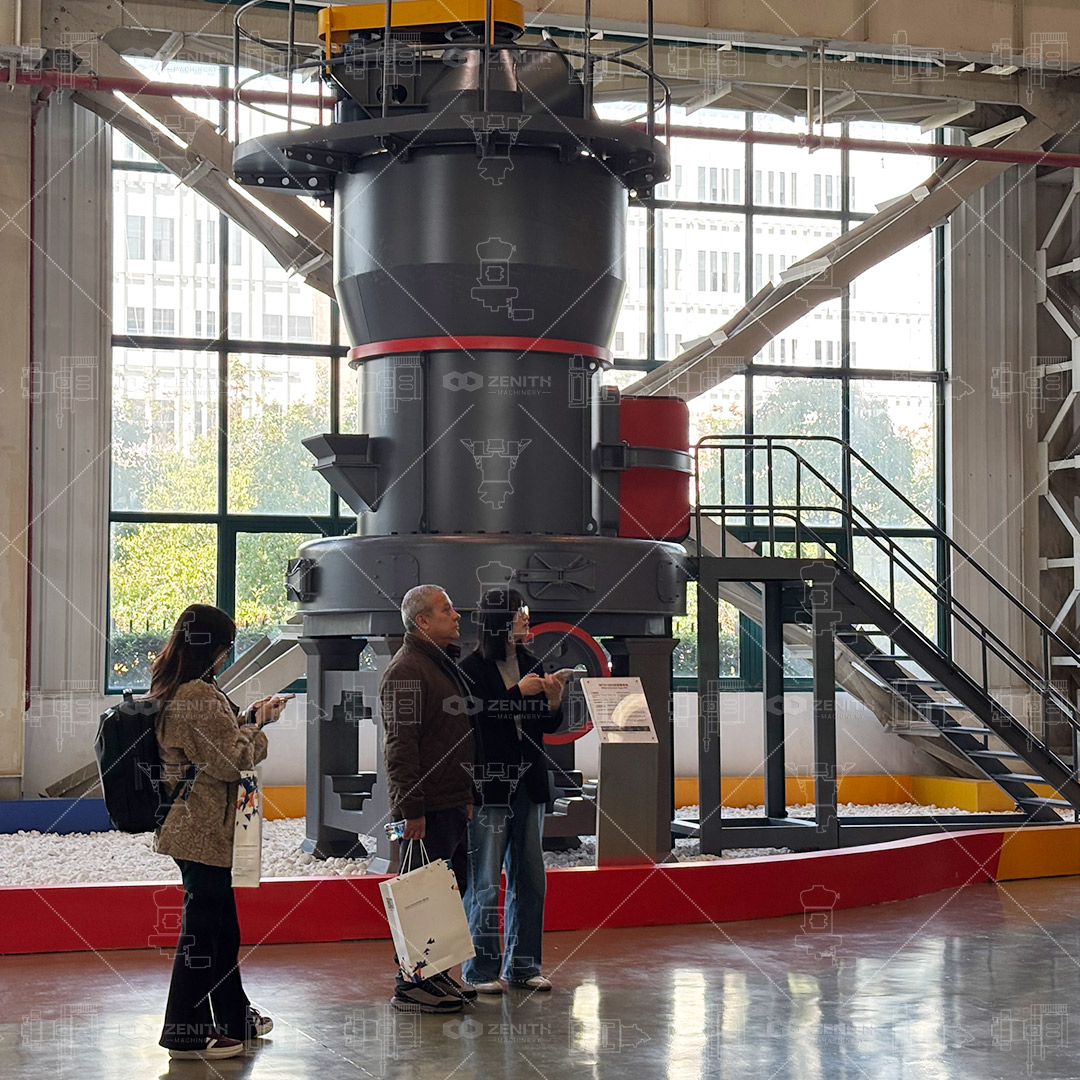
Why Choose Zenith's Grinding Solutions?
While the Raymond Mill is a workhorse for specific materials, a complete mineral processing operation often requires a suite of technologies. Zenith's philosophy is to provide a tailored grinding circuit. For instance, our MTW and MTM European Trapezium Mills offer enhanced stability and higher capacity for fine powder (80-400 mesh) production from similar ore types, with energy savings over 60% compared to traditional ball mills.
For ultrafine applications (400-3250 mesh) of calcite, marble, or barite, our LUM Ultrafine Vertical Mill and XZM Ultrafine Grinding Mill are superior choices, integrating advanced separation technology. Conversely, for primary crushing or coarse powder (0-3mm) needs, our Hammer Mill serves as the perfect preparatory stage.
_1768902912713.jpg)
Every Zenith mill, from the Raymond to the vertical roller mills, is backed by international certifications (ISO, CE, CU-TR) and supported by a global network. We understand that the journey from raw ore to market-ready powder is unique for every project, and our engineering expertise is dedicated to optimizing that path for maximum return on investment.
Frequently Asked Questions (FAQs)
1. What is the typical output fineness range of a modern Raymond Mill?
Modern Raymond Mills, like those from Zenith, can typically produce powders in the range of 30 to 325 mesh (approximately 45 microns to 500 microns). Advanced models can achieve consistent fineness with 99% screening efficiency.
2. Can a Raymond Mill handle very hard ores like quartz or granite?
Raymond Mills are best suited for materials with a Mohs hardness below 7. For extremely hard abrasives like quartz, a different grinding principle, such as that in a Ball Mill or a specialized vertical mill with superior wear protection, is often recommended for cost-effective operation.
3. How does the energy consumption of a Raymond Mill compare to a Ball Mill?
Raymond Mills and their trapezium mill derivatives (like the MTW/MTM series) are generally more energy-efficient for fine grinding applications. Under ideal conditions, they can consume over 60% less energy than a ball mill of the same output grade.
4. Is the Raymond Mill suitable for wet grinding processes?
Traditional Raymond Mills are designed for dry grinding. For wet process grinding of ores, Ball Mills are the standard and more appropriate equipment, as they can operate in closed circuit with classifiers in slurry form.
5. What are the main advantages of Zenith's MTW series over a standard Raymond Mill?
The MTW European Trapezium Mill offers several upgrades: higher capacity (up to 50 TPH), a more efficient impeller fan system (85% air induction efficiency), a modular design for easier fineness adjustment, and an integrated system that reduces plant footprint and foundation costs.
6. How do I decide between a Raymond Mill and an Ultrafine Vertical Mill for my limestone powder project?
The choice depends on your target fineness and capacity. For fine powder up to 400 mesh with high throughput, an MTW Trapezium Mill is excellent. If your product requires ultrafine powder (e.g., 1250 mesh or D97 < 5 microns), then an LUM or XZM Ultrafine Mill is the necessary technology, though at a generally lower hourly capacity.
7. Does Zenith provide testing services for ore samples?
Yes. Zenith strongly recommends and often provides laboratory-scale testing of customer ore samples. This allows our engineers to analyze grindability, moisture, and desired output to recommend the most efficient mill type and configuration for your specific material.