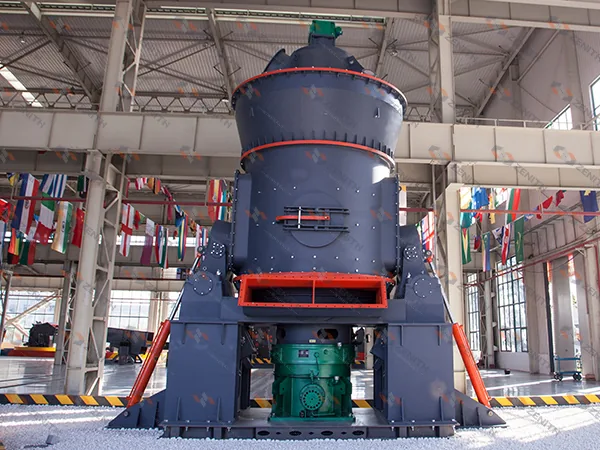
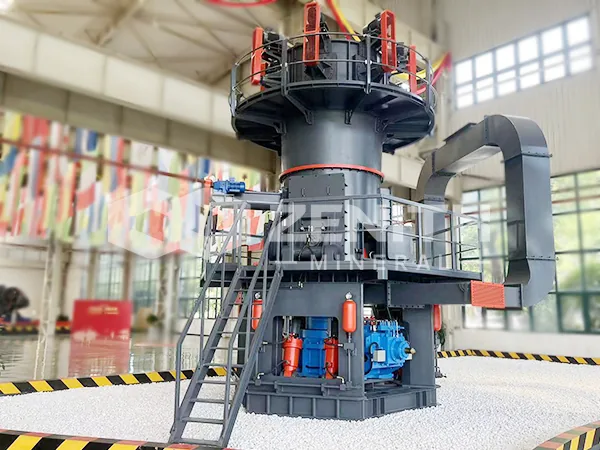
The xinjiang mtw178g european-style grinding mill processes aluminum electrolyte to a fineness of 120 mesh. its application is to recycle it back into the electrolytic cell for aluminum extraction.
2026-01-20 00:57:35
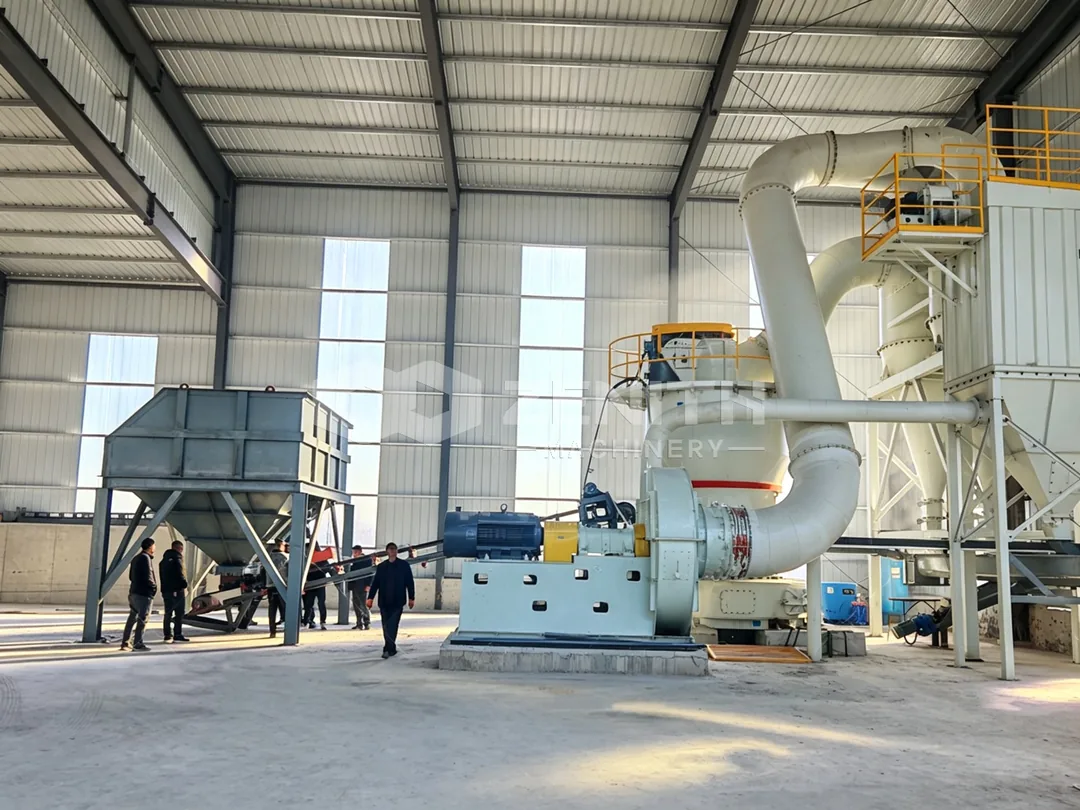
In the modern aluminum production industry, sustainability and efficiency are not just goals but imperatives. A critical challenge lies in the effective recycling of spent aluminum electrolyte—a byproduct of the electrolytic extraction process. Traditionally, re-integrating this material back into the electrolytic cell required achieving a very specific and consistent particle size to ensure optimal chemical reactivity and process stability. This is where advanced grinding technology makes a decisive difference. The MTW178G European-Style Grinding Mill from Zenith has emerged as a pivotal solution, specifically engineered to process aluminum electrolyte to a precise fineness of 120 mesh, enabling its efficient return to the production cycle.
_1768841855752.jpg)
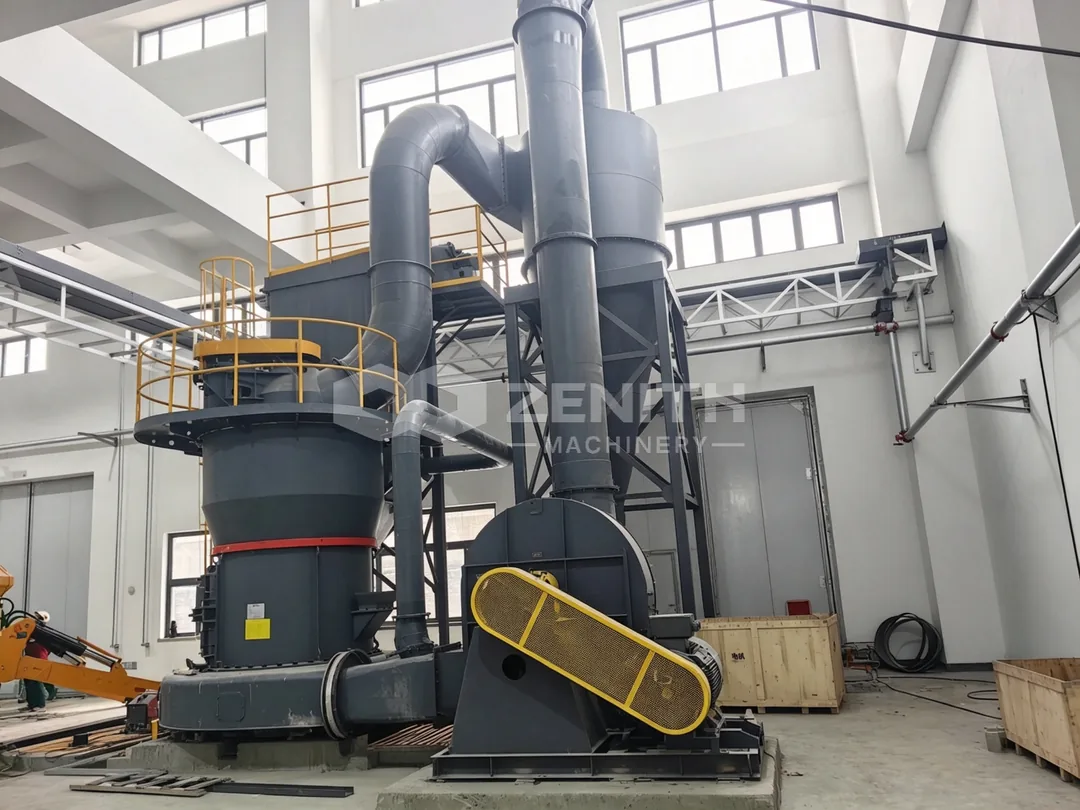
Zenith's MTW series mills represent the culmination of decades of engineering expertise in powder processing. The MTW178G model, in particular, is designed for heavy-duty, continuous operation, making it ideal for metallurgical applications. Its core strength lies in transforming coarse, spent electrolyte into a uniformly fine powder perfectly suited for re-melting. The mill's trapezium grinding chamber and advanced grinding roller system apply a combination of compression, shear, and impact forces, meticulously breaking down the hard, often abrasive electrolyte material without introducing excessive heat that could alter its chemical properties.
The process is remarkably efficient. Crushed electrolyte is fed into the main grinding chamber. The centrifugal force generated by the rotating grinding disc uniformly distributes the material under the rollers, where it is ground. A high-efficiency impeller fan then induces an airflow, carrying the ground particles to an integrated powder classifier. Here, the precision happens: particles meeting the target 120-mesh specification are separated as finished product, while coarser particles are automatically returned for re-grinding. This closed-loop system ensures not only consistent fineness but also maximizes yield with minimal waste.
_1768841855754.jpg)
Why is the 120-mesh fineness so crucial for aluminum electrolyte recycling? At this specific size, the powdered electrolyte exhibits an ideal surface area-to-volume ratio. It blends homogeneously with fresh raw materials in the electrolytic cell, ensuring uniform chemical reactions and heat distribution. This leads to more predictable and efficient aluminum extraction, reduces energy consumption per ton of metal produced, and minimizes the formation of undesirable byproducts. The MTW178G's adjustable fineness control, achieved through a modular impeller system, allows plant operators to dial in this exact specification reliably, batch after batch.
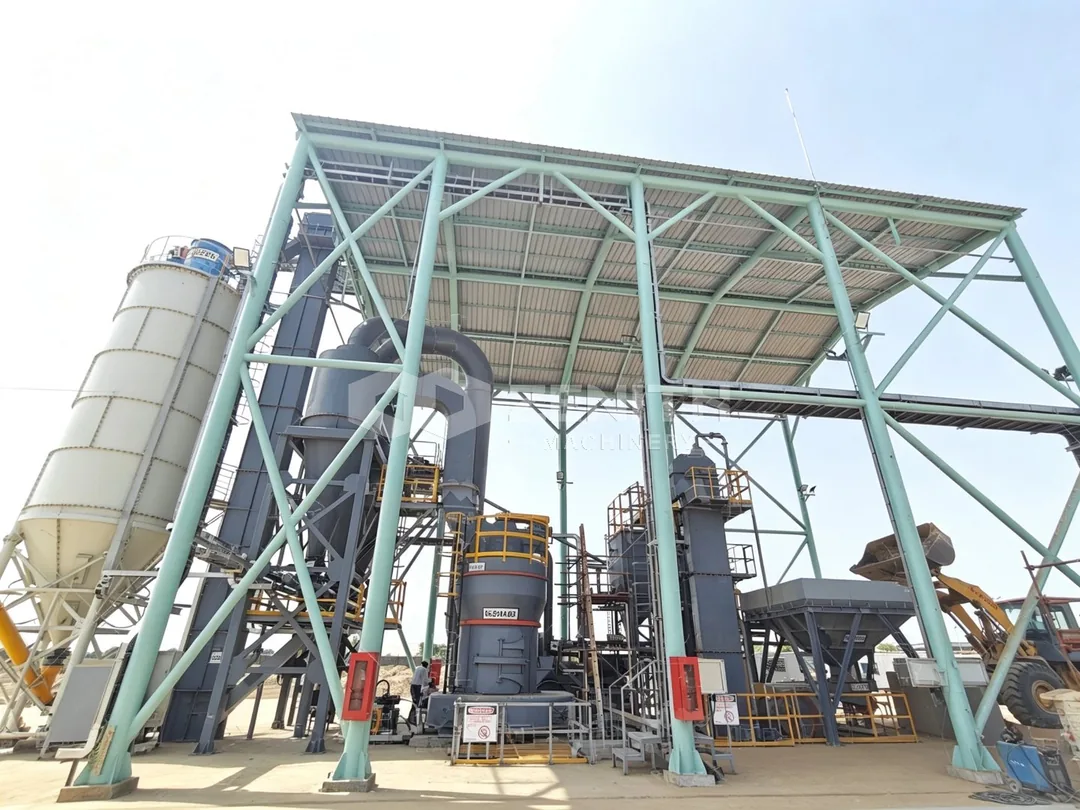
Beyond precision, the MTW178G offers significant operational advantages that directly impact the bottom line. Its design philosophy emphasizes energy savings, consuming over 60% less power than traditional ball mills of comparable output. For an energy-intensive industry like aluminum smelting, this reduction in auxiliary power load is a substantial cost saver. Furthermore, the mill's compact, self-contained production system—from bulk feed to finished powder—requires less factory floor space and lower foundational investment compared to multi-machine setups.
_1768841855756.jpg)
Environmental responsibility is seamlessly integrated into its operation. The entire grinding system operates under negative pressure, and is equipped with high-efficiency pulse jet bag dust collectors. This ensures that the processing of electrolyte powder is contained, with no dust spillage into the workshop, maintaining a clean and safe working environment and complying with stringent international emission standards. The durability of its wear parts, made from high-quality, abrasion-resistant materials, also translates to less frequent maintenance downtime and lower long-term operating costs.
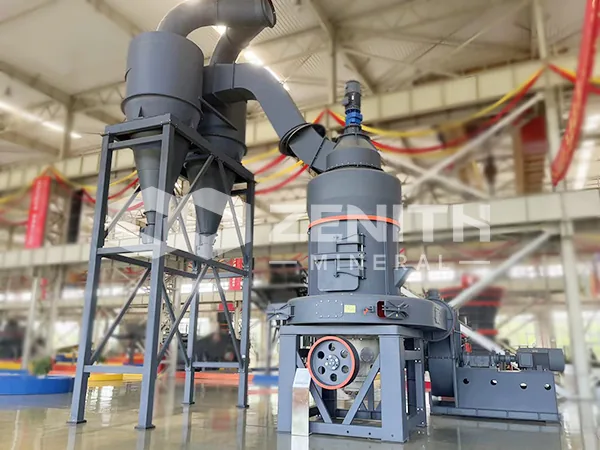
Zenith's global experience in supplying robust grinding solutions to diverse industries provides the foundation for the MTW178G's reliability. With ISO, CE, and CU-TR certifications, the mill meets international quality and safety benchmarks. Its application in aluminum electrolyte recycling is a testament to its versatility and performance, turning a waste stream into a valuable resource and closing the loop in one of the world's most vital metal production processes. By ensuring a consistent, high-quality feed of recycled electrolyte, the MTW178G directly contributes to making aluminum production more sustainable, efficient, and cost-effective.
_1768841855758.jpg)
Frequently Asked Questions (FAQs)
- What is the primary advantage of using the MTW178G mill for aluminum electrolyte over a standard ball mill?
The MTW178G offers significantly higher energy efficiency (over 60% lower consumption), more precise particle size control through its integrated classifier, and a more compact footprint, leading to lower operational and capital costs. - Can the output fineness be adjusted if a specification other than 120 mesh is required?
Yes. The mill features a modular impeller adjustment device in the powder classifier, allowing operators to easily change the fineness setting to produce powder within a range of approximately 80 to 400 mesh as needed. - How does the mill handle dust control during the grinding of dry electrolyte?
The system operates under negative pressure and is equipped with a high-efficiency pulse jet bag dust collector. This ensures all processing air is filtered, preventing any dust emission and maintaining a clean plant environment. - What is the typical capacity range of the MTW178G model for this application?
While capacity can vary based on material characteristics, the MTW series mills have a capacity range of 3-22 tons per hour. The MTW178G, being a larger model, can operate at the higher end of this range for electrolyte processing. - Is the system automated, and what level of operator intervention is required?
The grinding mill system is highly automated, featuring intelligent controls for feeding, grinding, and classification. Routine operation primarily involves monitoring parameters from a control panel, with minimal manual intervention needed. - What kind of after-sales support and service does Zenith provide for such industrial equipment?
Zenith provides comprehensive global support, including installation supervision, operator training, readily available spare parts, and technical service through its network of overseas offices in over 30 countries. - Can this mill process other materials besides aluminum electrolyte in a metallurgical plant?
Absolutely. The MTW European Trapezium Mill is a versatile machine widely used for fine powder production in chemical, mineral, and industrial sectors for materials like limestone, calcite, barite, and various other non-metallic minerals.