Ethiopian steel plant desulfurization quicklime powder production project
2025-11-30 22:56:08
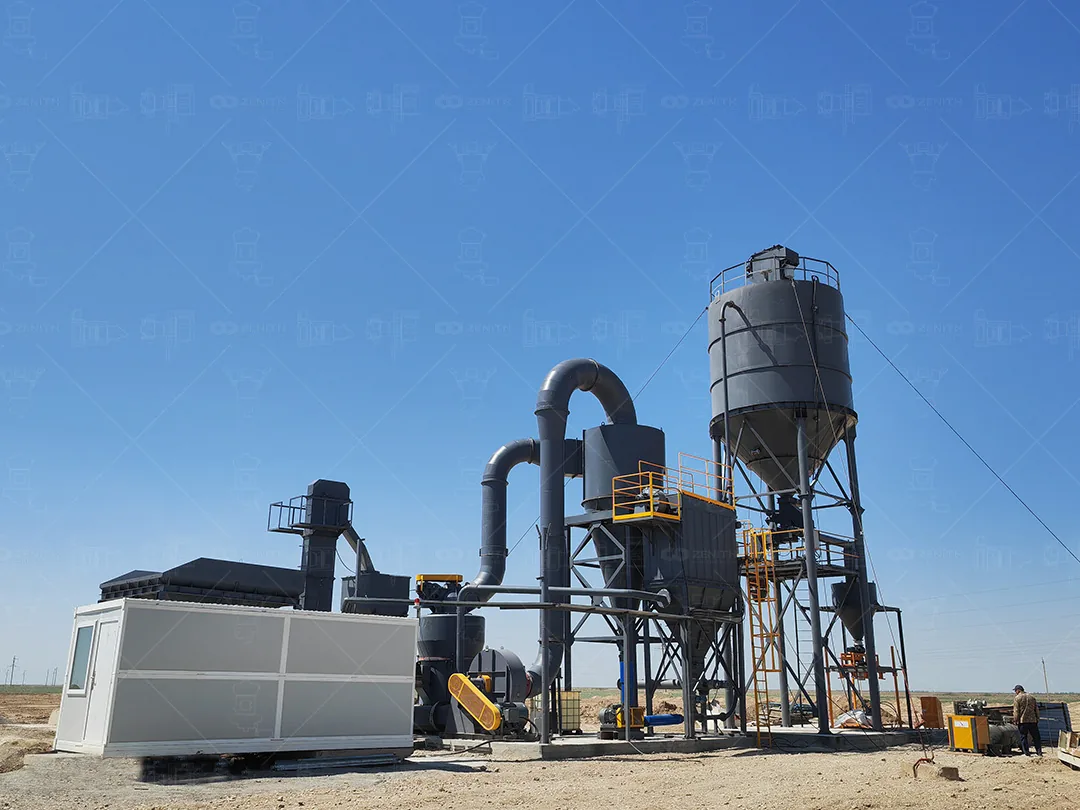
The burgeoning steel industry in Ethiopia represents a cornerstone of the nation's industrial development strategy, with modern facilities requiring sophisticated environmental control systems. Among these, flue gas desulfurization (FGD) stands as a critical process for reducing sulfur dioxide emissions, where high-quality quicklime (CaO) powder serves as the primary reagent. The production of this desulfurization agent demands precision grinding technology capable of delivering consistent fineness, high reactivity, and operational efficiency.
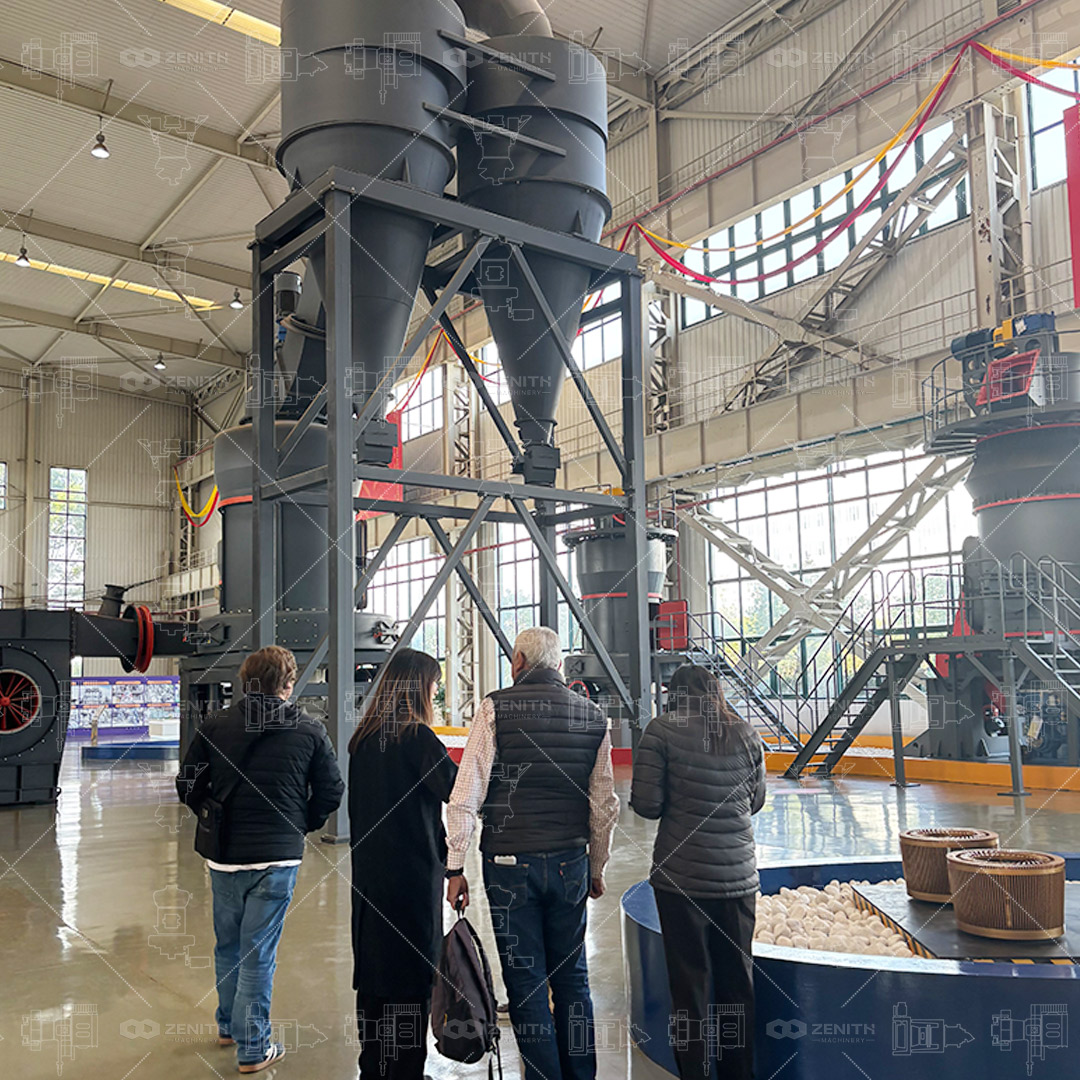
Shanghai Zenith Machinery brings decades of industrial grinding expertise to this specific application, offering tailored solutions for quicklime powder preparation. Our equipment portfolio encompasses multiple technologies designed to meet varying production requirements while maintaining strict quality parameters essential for effective desulfurization.
Technical Requirements for Desulfurization Quicklime
Effective FGD processes demand quicklime powder with specific characteristics: optimal particle size distribution (typically 200-325 mesh), high surface area for rapid reaction, consistent chemical composition, and minimal impurities. These parameters directly impact desulfurization efficiency, reagent consumption rates, and byproduct quality.
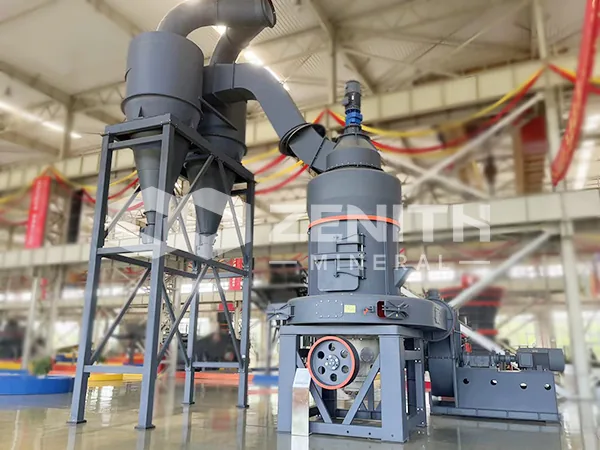
Zenith's grinding solutions address these requirements through advanced classification systems, precise fineness control, and contamination-minimized processing. The MTW European Trapezium Mill, for instance, produces 80-400 mesh fine powder with exceptional uniformity, making it ideal for this application. Its modular impeller adjustment device enables operators to fine-tune output specifications according to changing plant requirements.
_1764514568340.jpg)
Energy-Efficient Grinding Solutions
Ethiopian industrial operations face unique challenges regarding power availability and cost structures. Zenith grinding mills address these concerns through significantly reduced energy consumption compared to traditional technologies. Our MTW and MTM series trapezium mills demonstrate 60% lower energy consumption than ball mills of equivalent capacity, representing substantial operational cost savings over equipment lifetime.
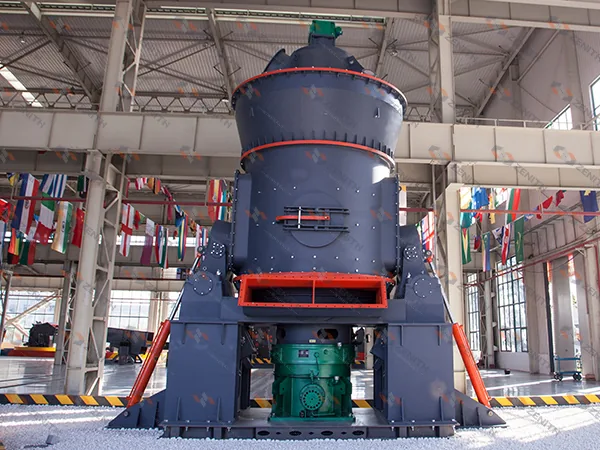
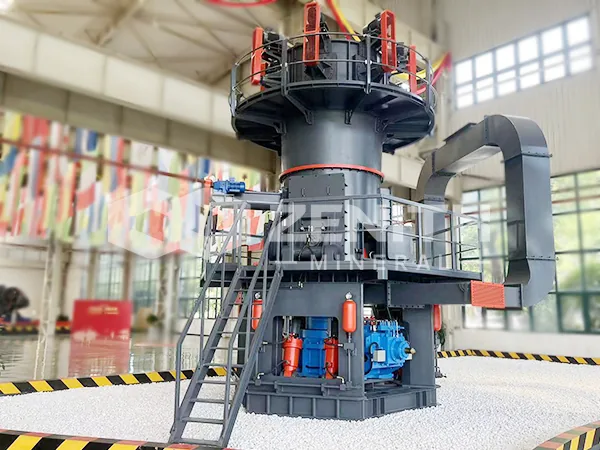
The LM Vertical Grinding Mill offers additional advantages for large-scale operations requiring continuous running capability. With capacity ranging from 3-340 T/H and automated control systems, this equipment ensures stable product quality with minimal operator intervention. The vertical design also reduces footprint requirements by approximately 50% compared to ball mill systems, an important consideration for plant layout optimization.
Environmental Compliance and Operational Safety
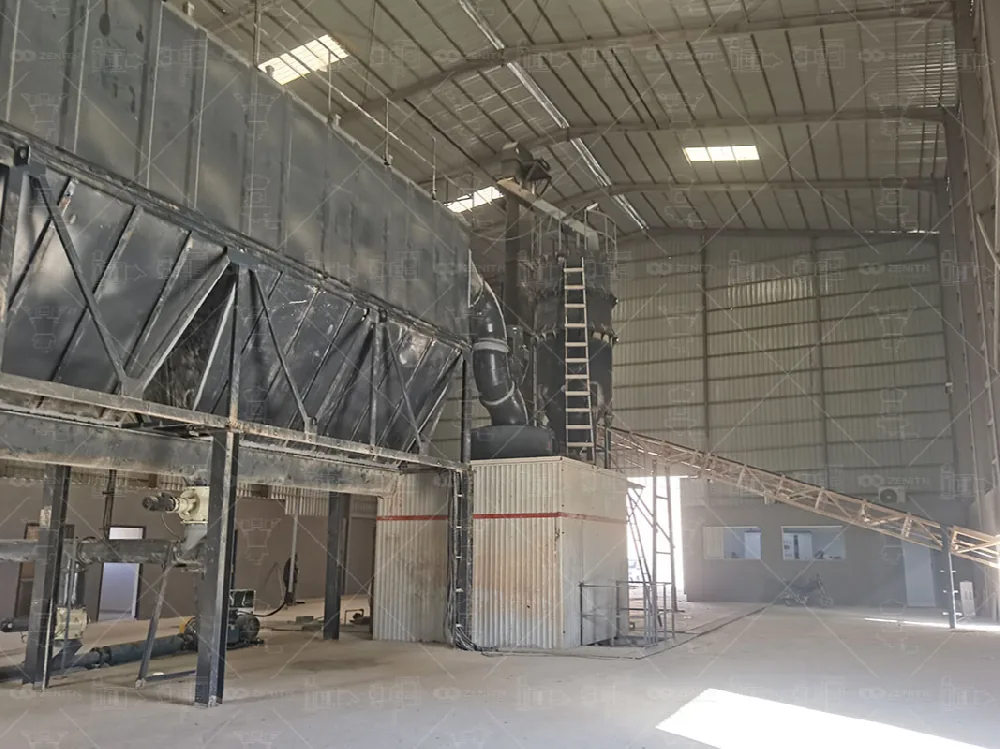
Modern steel plants must adhere to stringent environmental standards beyond emission control. Zenith grinding systems operate under negative pressure conditions with integrated pulse dust collectors, preventing powder leakage and maintaining clean working environments. This closed-system approach aligns with international environmental protection standards while protecting equipment longevity.
The XZM Ultrafine Grinding Mill further enhances operational safety through its unique structural design that eliminates rolling bearings and screws within the grinding chamber. This eliminates concerns regarding bearing failure and screw loosening – common maintenance issues in traditional grinding equipment.
Project Implementation Considerations
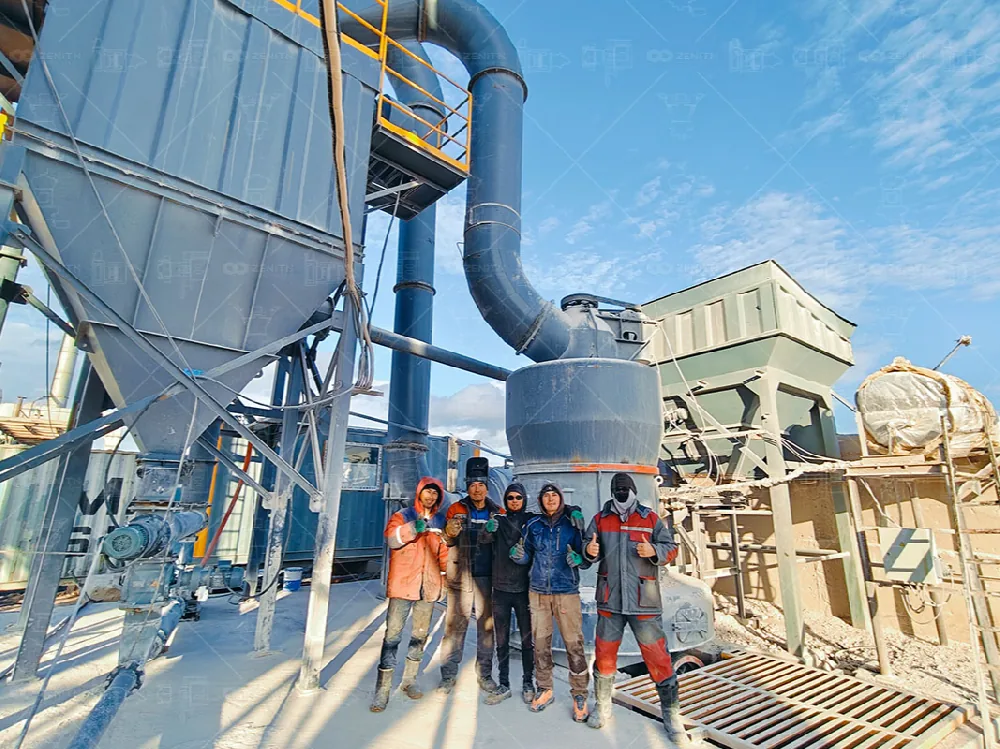
Successful deployment of quicklime powder production systems in Ethiopian steel plants requires careful consideration of local conditions. Zenith's global experience, evidenced by our presence in over 180 countries, informs our project approach. We account for factors including raw material characteristics (limestone quality and moisture content), available infrastructure, local technical expertise, and maintenance support networks.
Our equipment certifications – including ISO, CE, and CU-TR – ensure compliance with international quality and safety standards. Additionally, our overseas offices in more than 30 countries provide localized support for spare parts, technical assistance, and operational training.
_1764514568343.jpg)
Technology Selection Guide
Different grinding technologies offer distinct advantages depending on specific project requirements:
- MTW/MTM European Trapezium Mills: Ideal for medium-scale production (3-22 T/H) with flexible fineness adjustment (80-400 mesh)
- LM Vertical Grinding Mill: Suitable for large-scale, continuous operations with high automation requirements
- XZM Ultrafine Grinding Mill: Optimal for specialized applications requiring ultra-fine powder (325-3250 mesh)
- Ball Mill: Traditional technology for operations prioritizing equipment familiarity and wet grinding capability
Each system incorporates specific features addressing the Ethiopian context, including adaptability to variable power quality, ease of maintenance with locally available tools, and robust construction for longevity in industrial environments.
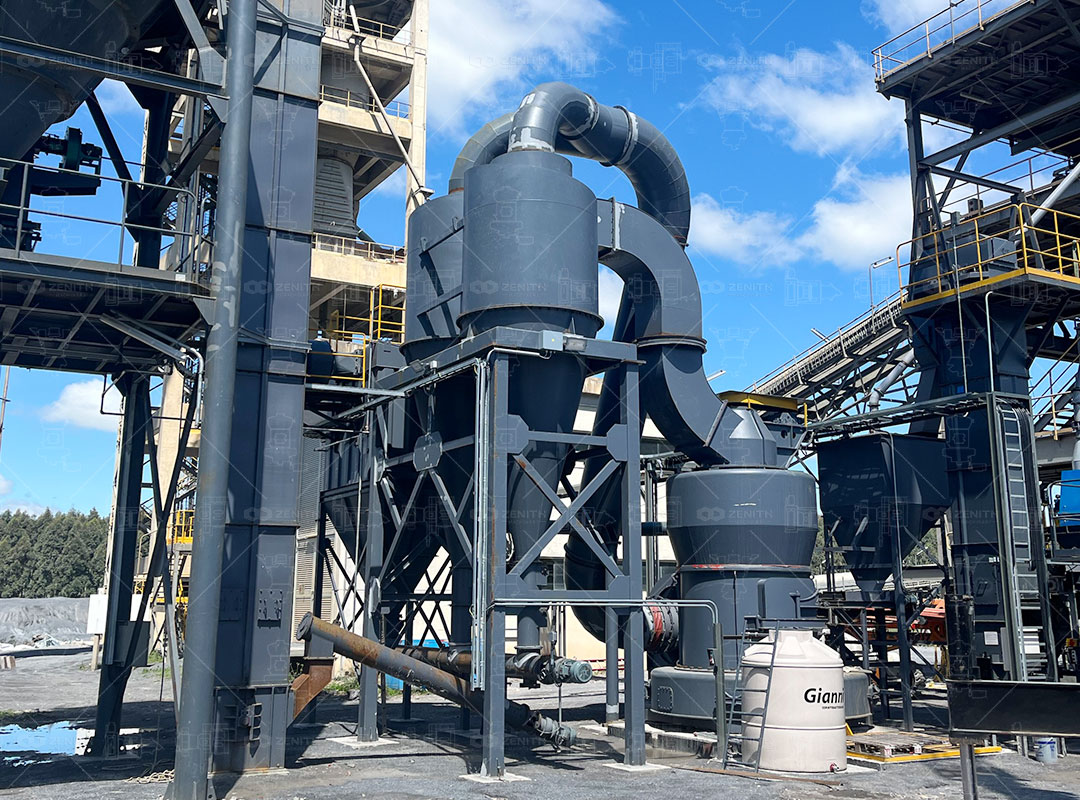
The selection of appropriate grinding technology represents a critical decision point for Ethiopian steel plants implementing or upgrading desulfurization systems. Shanghai Zenith Machinery provides comprehensive technical support throughout this process, from initial material testing through commissioning and ongoing operational optimization. Our focus on customer-specific solutions ensures that each project achieves its technical, economic, and environmental objectives.
Frequently Asked Questions
What is the typical fineness range required for quicklime powder in steel plant desulfurization?
Most flue gas desulfurization applications require quicklime powder between 200-325 mesh (74-44 microns). Zenith grinding equipment can precisely control output within this range while maintaining consistent particle size distribution.
How does Zenith equipment achieve 60% lower energy consumption compared to ball mills?
Our MTW and MTM series mills utilize advanced grinding mechanics and efficient classifier systems that reduce power requirements while maintaining throughput. The vertical roller mill design further optimizes energy use through bed grinding principles.
What certifications do Zenith grinding mills hold?
Our equipment carries ISO international quality system certification, European Union CE certification, and Customs Union CU-TR certification, ensuring compliance with international standards for safety and performance.
Can Zenith provide local technical support in Ethiopia?
Yes, through our extensive global network and overseas offices in more than 30 countries, we arrange local technical support, training, and spare parts availability to ensure minimal downtime.
What is the typical installation time for a complete quicklime powder production system?
Depending on system capacity and site conditions, installation typically requires 4-8 weeks. Our pre-assembled modules and detailed installation manuals help streamline this process.
How does the equipment handle variations in raw limestone quality?
Zenith grinding systems feature adjustable operating parameters that can compensate for variations in feed material hardness, moisture content, and composition to maintain consistent product quality.
What dust collection systems are integrated into the grinding mills?
All Zenith grinding systems operate under negative pressure with integrated pulse jet dust collectors that achieve collection efficiency exceeding 99.9%, ensuring environmentally compliant operation.
Can the equipment produce different fineness products for various applications?
Yes, our modular impeller adjustment systems and variable frequency drives on classifiers allow quick changes to product fineness, enabling production of multiple powder specifications from the same equipment.