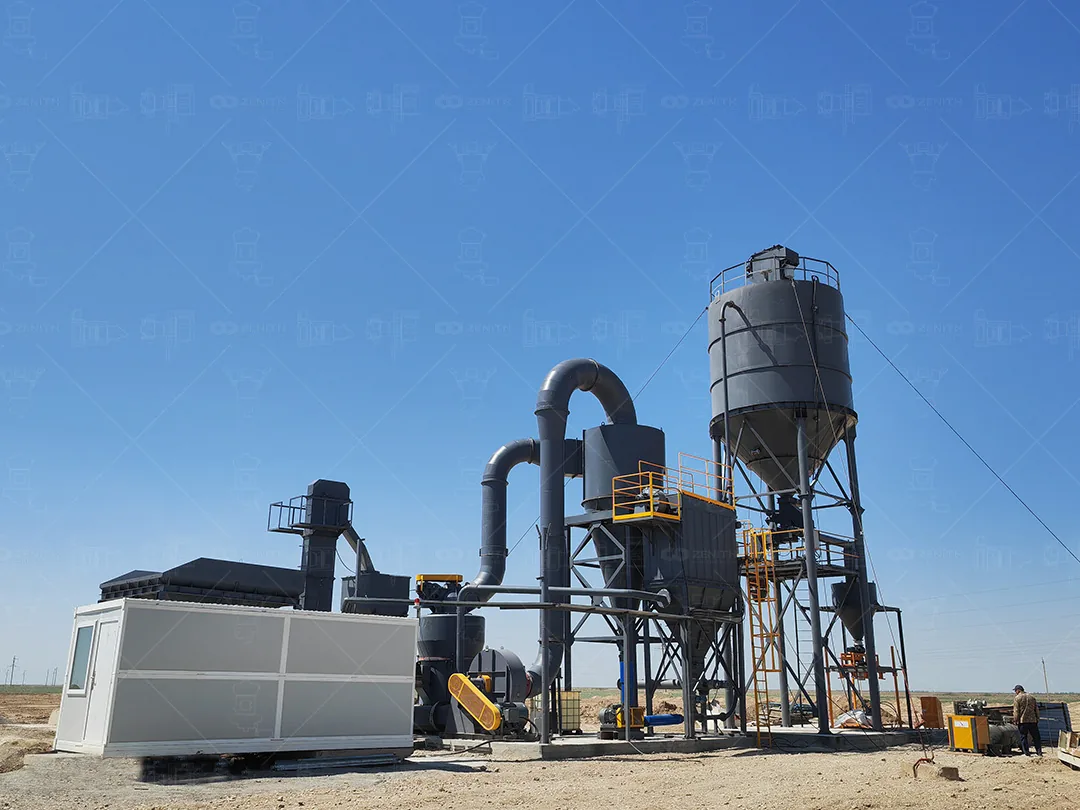
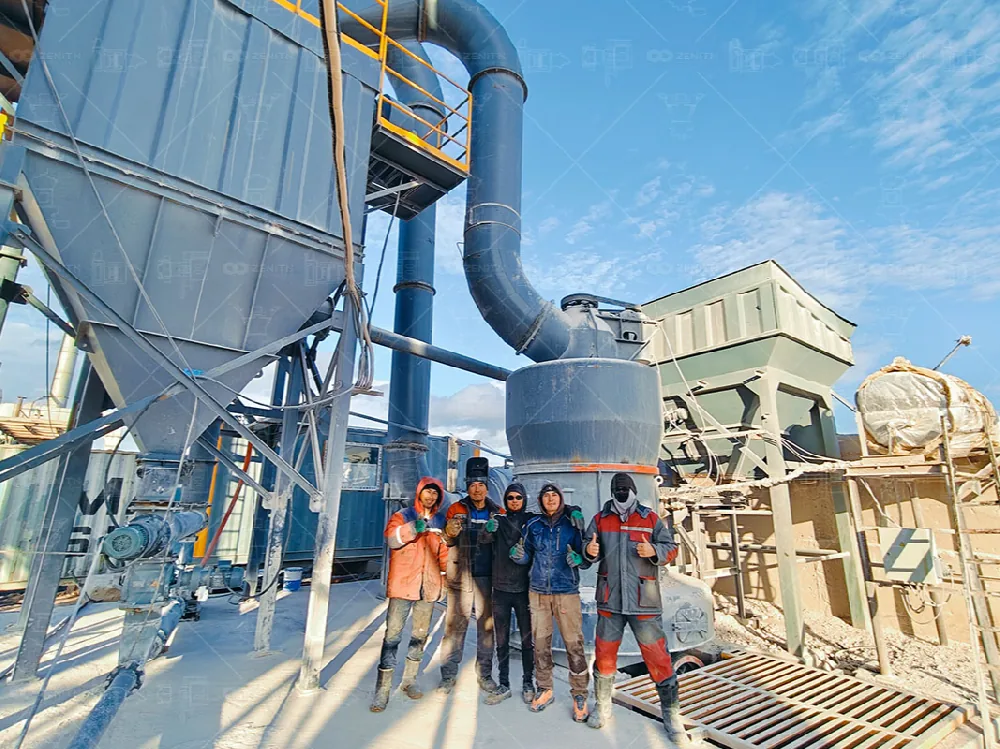
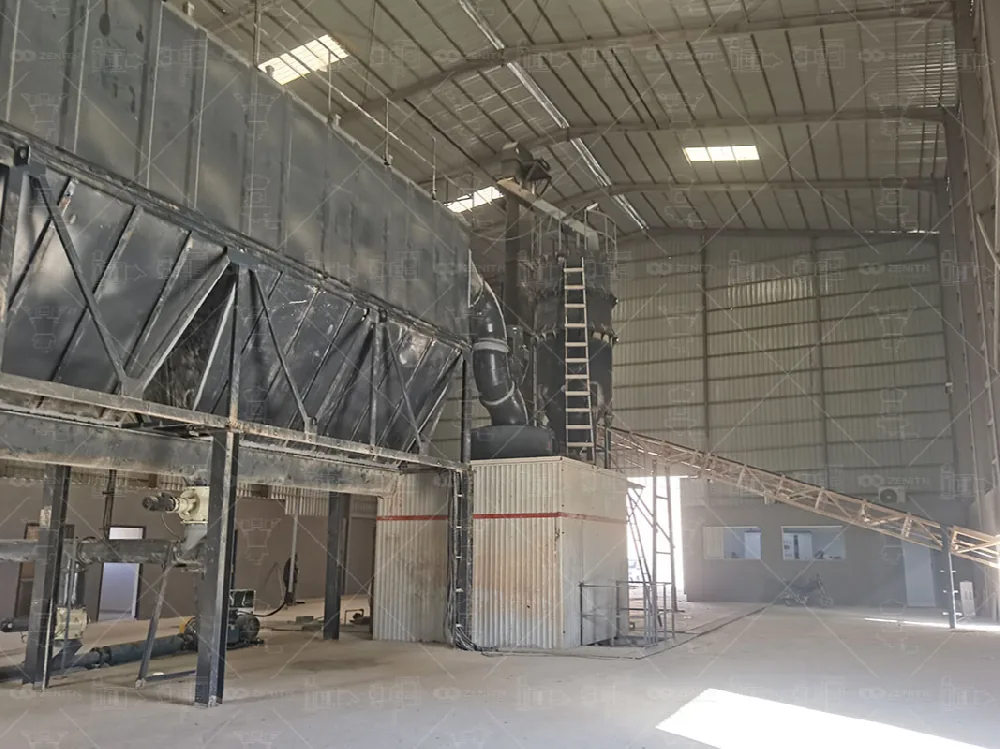
A project to produce 50,000 tons of phosphate rock powder annually, with a finished product specification of 200 mesh and intended use in agriculture.
2025-11-30 00:57:14
In the realm of modern agriculture, the demand for high-quality, finely ground phosphate rock powder continues to grow as farmers seek efficient soil amendment solutions. Establishing a production facility capable of delivering 50,000 tons annually of 200-mesh phosphate powder requires careful planning, precise equipment selection, and thorough understanding of material processing characteristics. As a leading industrial grinding equipment manufacturer with decades of experience, Zenith Machinery offers comprehensive solutions for such agricultural mineral processing projects.
_1764435434818.jpg)
Phosphate rock, the primary raw material for this project, typically arrives in sizes ranging from 0-35mm after initial crushing. The transformation of this coarse material into fine 200-mesh powder (approximately 74 microns) suitable for agricultural applications demands grinding equipment with specific capabilities: consistent output quality, energy efficiency, reliable operation, and minimal environmental impact. The 200-mesh specification is particularly important for agricultural use as it ensures optimal nutrient availability while maintaining good soil penetration characteristics.
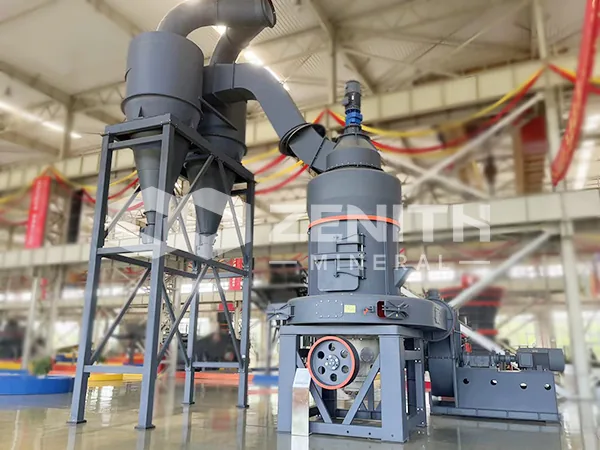
For a project of this scale, several grinding solutions from Zenith's portfolio warrant consideration. The MTW European Trapezium Mill stands out as an excellent primary candidate, offering production capacities up to 50 tons per hour in its largest configuration. This throughput capability makes it well-suited for the annual production target of 50,000 tons, assuming standard operational schedules. The MTW series demonstrates particular efficiency in the 80-400 mesh range, placing the required 200-mesh output comfortably within its optimal operating parameters.
_1764435434820.jpg)
The energy consumption profile of the MTW series presents significant operational advantages. With documented energy savings exceeding 60% compared to traditional ball mills of equivalent capacity, this efficiency translates to substantial cost reduction over the project's lifespan. Given that grinding operations typically represent the majority of energy consumption in mineral processing plants, this efficiency becomes a critical economic factor. The modular impeller adjustment system further enhances operational flexibility, allowing precise control over product fineness without requiring major mechanical adjustments.
Alternative solutions include the MTM European Trapezium Mill, which shares many characteristics with the MTW series but has established a track record spanning over three decades in mineral powder production. For operations prioritizing proven reliability over cutting-edge features, the MTM offers compelling advantages. Its similar capacity range (3-22 T/H) and output fineness (80-400 mesh) make it equally capable of meeting the project specifications.
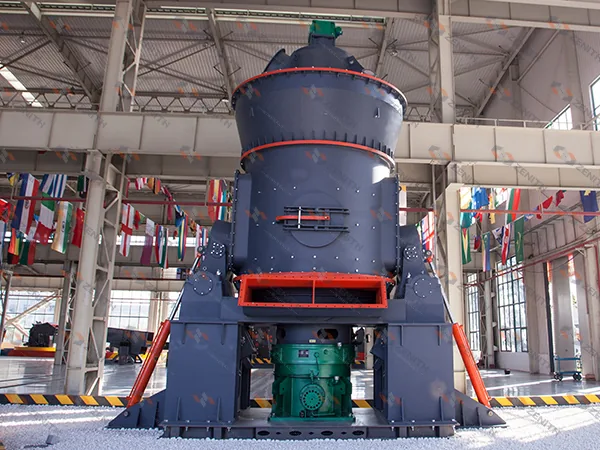
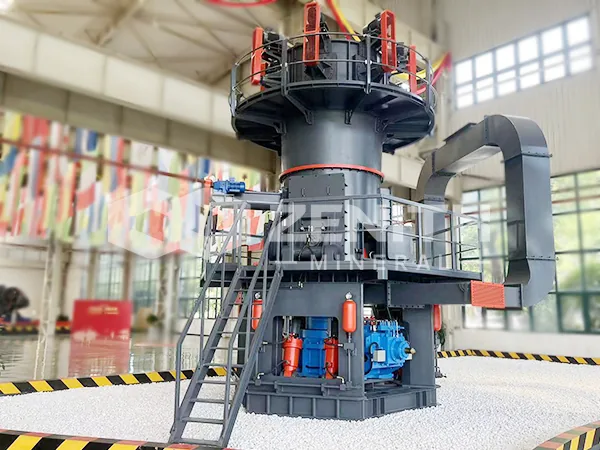
The LM Vertical Grinding Mill presents another viable option, particularly for operations anticipating future expansion or requiring continuous 24-hour operation. With capacity extending up to 340 T/H in larger models, this system offers substantial headroom beyond current requirements. The vertical mill configuration provides additional benefits including reduced footprint (approximately 50% less area than ball mill systems) and advanced automation capabilities that can reduce labor costs significantly.
_1764435434822.jpg)
Environmental considerations play an increasingly important role in mineral processing operations. All Zenith grinding systems operate under negative pressure conditions with integrated pulse dust collection systems, ensuring compliance with international environmental standards. This closed-system approach minimizes dust emissions—a critical factor for agricultural product manufacturing where product purity and workplace safety are paramount. The systems' low noise characteristics further contribute to improved working conditions.
The working principle common to these grinding systems involves several key stages: initial material feeding through variable-frequency belt feeders or electromagnetic vibrating feeders, primary grinding in the main chamber, classification via integrated powder selectors, and final collection through cyclone powder collectors. This streamlined process flow ensures consistent product quality while minimizing operational complexity. The continuous nature of these systems supports the high-volume production requirements of agricultural phosphate powder manufacturing.
Beyond equipment selection, successful implementation requires consideration of auxiliary systems including material handling, storage solutions, and packaging operations. The integrated nature of Zenith's grinding systems simplifies these planning aspects, as each mill incorporates everything from bulk material intake to finished powder output within a cohesive system. This comprehensive approach reduces initial investment in plant infrastructure and foundation requirements.
_1764435434824.jpg)
Quality assurance represents another critical aspect of agricultural mineral production. The consistent fineness control offered by these grinding systems ensures uniform particle size distribution, which directly impacts product performance in field applications. The 200-mesh specification strikes an optimal balance between dissolution rate and soil retention, maximizing nutrient availability to crops while minimizing leaching losses. Zenith's equipment certifications—including ISO, CE, and CU-TR—provide additional assurance of manufacturing quality and international compliance.
Operational maintenance requirements vary between equipment options, with the MTW and MTM series offering particularly straightforward maintenance protocols. The modular design of key components allows for rapid replacement without extensive downtime. For operations in regions with limited technical support infrastructure, this maintenance simplicity becomes a significant advantage. Zenith's global presence, with offices in over 30 countries, further supports ongoing operational requirements through local technical assistance and spare parts availability.
_1764435434826.jpg)
Economic analysis of the project must consider both capital expenditure and operational costs. The significantly reduced energy consumption of trapezium mills compared to traditional ball mills typically results in payback periods of under two years based on energy savings alone. When combined with reduced maintenance requirements and higher availability rates, the total cost of ownership favors modern grinding technology for high-volume production scenarios like this 50,000-ton annual operation.
As agricultural practices continue evolving toward precision nutrient management, the demand for consistently high-quality mineral powders will only increase. Investing in appropriate grinding technology now positions producers to meet these future demands while maintaining competitive operational costs. The flexibility of Zenith's grinding systems to adjust output fineness provides additional future-proofing, allowing producers to adapt to changing market requirements without major capital reinvestment.
_1764435434828.jpg)
In conclusion, establishing a 50,000-ton annual phosphate rock powder production facility requires careful matching of production requirements to appropriate grinding technology. Zenith's range of trapezium and vertical grinding mills offers multiple pathways to achieving this production target while optimizing operational efficiency and product quality. The specific characteristics of phosphate rock—including moderate hardness and typically low moisture content—make it particularly well-suited to these grinding technologies, ensuring reliable performance and consistent output quality for agricultural applications.
Frequently Asked Questions
What is the typical energy consumption for producing 200-mesh phosphate powder?
Zenith's MTW and MTM series trapezium mills consume approximately 60% less energy than traditional ball mills of equivalent capacity. Exact consumption varies based on material characteristics and operational parameters, but significant savings are consistently achieved.
How does the 200-mesh specification benefit agricultural applications?
The 200-mesh fineness (approximately 74 microns) provides optimal nutrient release characteristics while maintaining good soil penetration and retention properties. This balance ensures efficient phosphorus availability to crops throughout the growing season.
What maintenance requirements should we anticipate?
Maintenance requirements are minimal with regular inspection intervals recommended at 500-1000 operating hours. Wear parts like grinding rollers and rings typically require replacement after 2,000-3,000 hours depending on material abrasiveness.
Can the system accommodate variations in raw material size?
All recommended grinding systems accept input sizes from 0-35mm, providing flexibility in raw material sourcing. Consistent feed size within this range ensures optimal grinding efficiency and product consistency.
What environmental controls are integrated into these systems?
All Zenith grinding systems operate under negative pressure with pulse jet dust collectors, ensuring dust emissions remain well below international standards. Noise levels are typically maintained below 80 dB at operating stations.
How quickly can product fineness be adjusted if needed?
The modular impeller adjustment systems allow fineness changes within the 80-400 mesh range in approximately 30-60 minutes without requiring shutdown, providing excellent operational flexibility.
What training is provided for operational staff?
Zenith provides comprehensive operational training covering normal operation, routine maintenance, and troubleshooting. Training can be conducted at our facilities or on-site during commissioning.
What certifications do these grinding systems carry?
All Zenith grinding equipment carries ISO international quality system certification, European Union CE certification, and Customs Union CU-TR certification, ensuring compliance with international standards.