Fineness range of petroleum coke powder processed by ring roller mill; finished product applications in the carbon industry.
2025-11-29 00:54:27
In the rapidly evolving carbon industry, the processing of petroleum coke into precisely graded powders has become increasingly critical for manufacturing high-performance carbon products. The fineness and quality of petroleum coke powder directly influence the properties of final carbon materials, making the selection of appropriate grinding equipment a fundamental consideration for producers worldwide.
Petroleum coke, a carbonaceous solid derived from oil refinery coker units, requires specialized milling to achieve the specific particle size distributions demanded by various carbon applications. Through extensive research and engineering development, modern ring roller mills have emerged as the preferred technology for transforming raw petroleum coke into valuable powdered materials with controlled fineness.
_1764348867627.jpg)
Fineness Spectrum Achievable with Advanced Ring Roller Mills
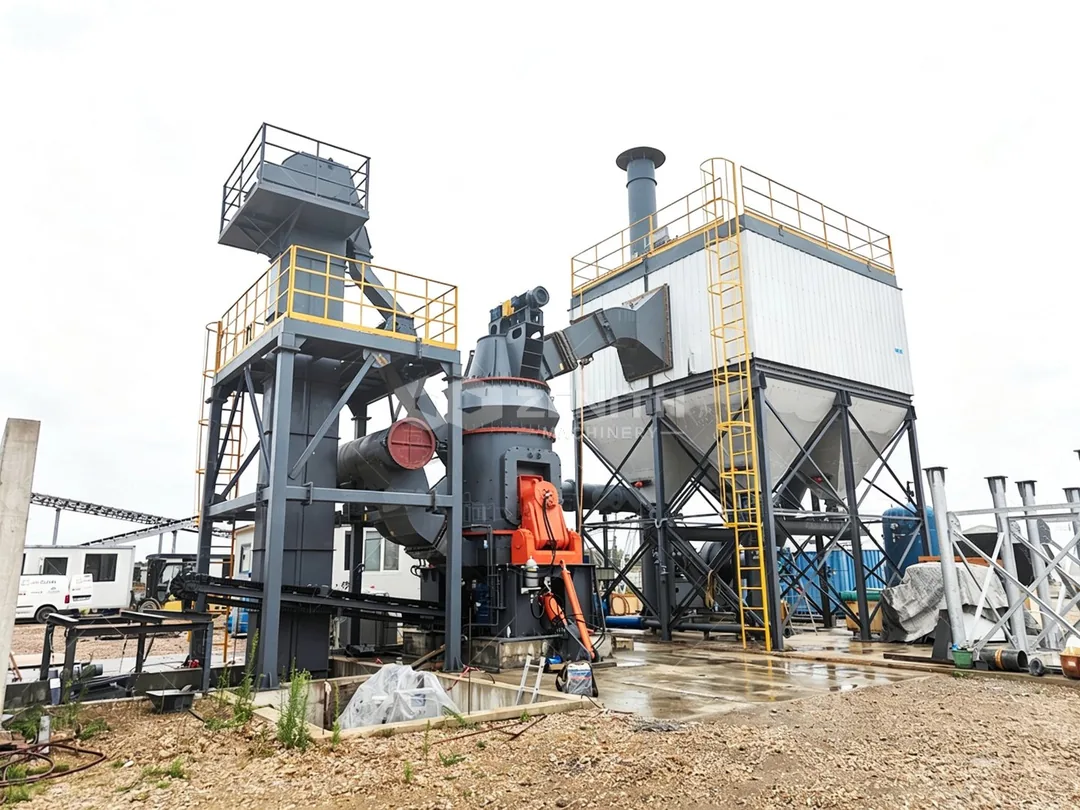
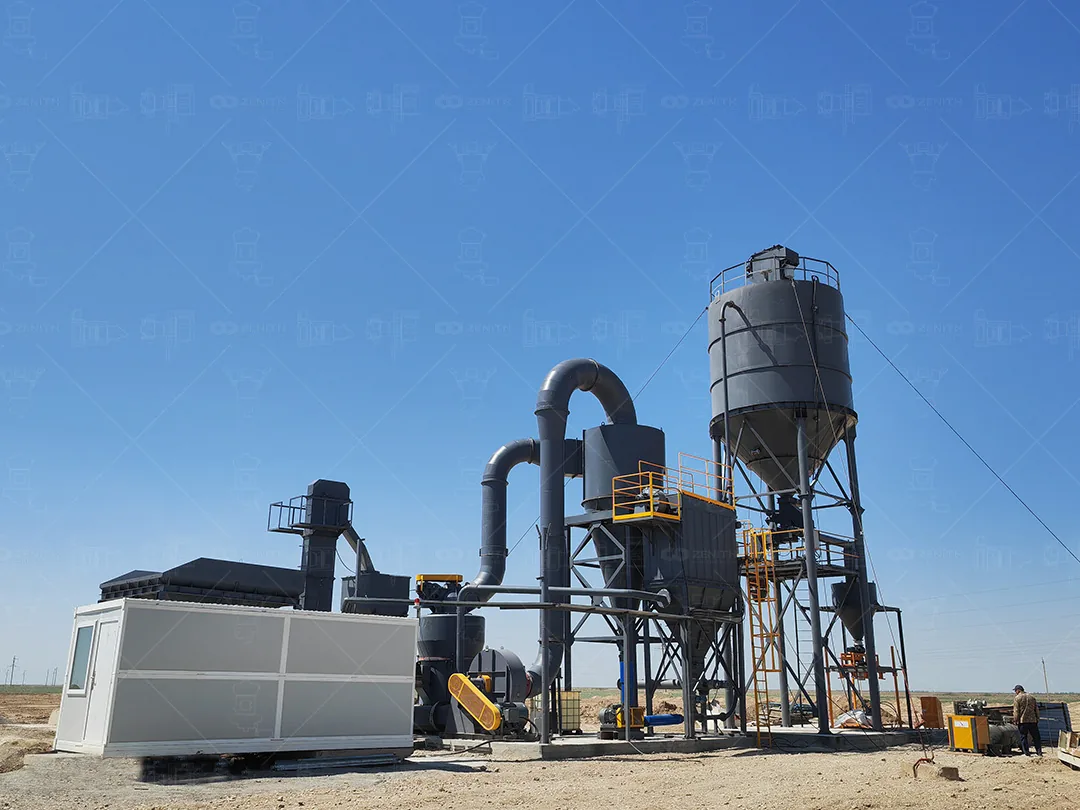
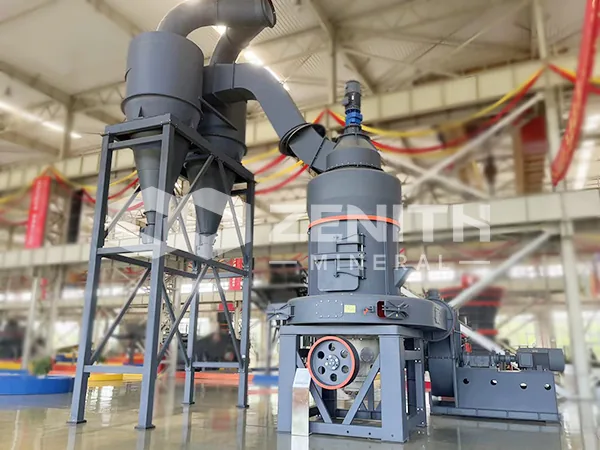
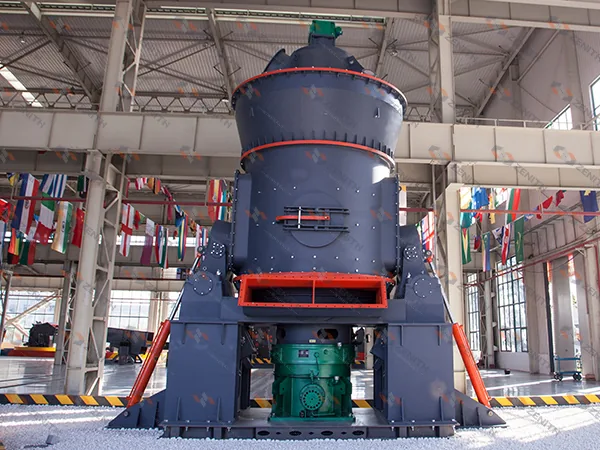
Contemporary ring roller mill technology offers remarkable versatility in producing petroleum coke powders across a comprehensive fineness spectrum. Our MTW European Trapezium Mill exemplifies this capability, processing petroleum coke into fine powders ranging from 80 to 400 mesh with production capacities reaching up to 50 tons per hour for the largest models. This extensive range allows carbon product manufacturers to select precisely the right powder characteristics for their specific applications.
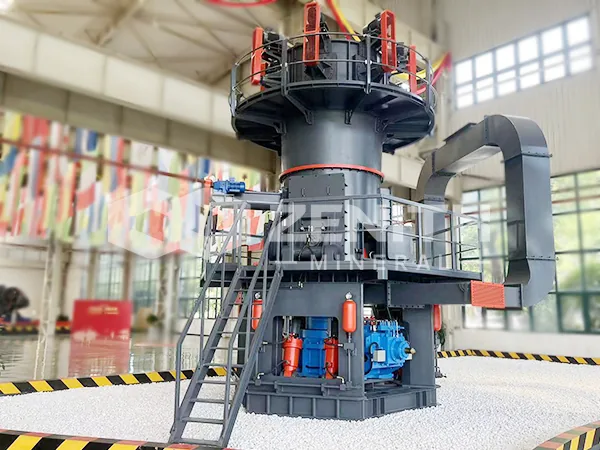
For ultra-fine petroleum coke powder requirements, our XZM Ultrafine Grinding Mill delivers exceptional performance, producing powders from 325 mesh to an impressive 3000 mesh with single classification. The advanced classifier system, equipped with variable frequency drive technology, enables precise control over particle size distribution through simple adjustments on the electric control panel. This level of fineness control is particularly valuable for specialized carbon applications where particle size consistency directly impacts material performance.
The LUM Ultrafine Vertical Grinding Mill represents another technological advancement, integrating powder grinding, separation, and transportation into a single efficient system. With output fineness ranging from 325 to 2500 mesh, this mill incorporates German powder separating technology and Taiwanese grinding roller innovations to deliver superior product quality for high-end carbon applications.
_1764348867630.jpg)
Technical Advantages of Modern Petroleum Coke Grinding Systems
The evolution of ring roller mill technology has yielded significant improvements in energy efficiency, operational reliability, and product quality control. Our MTW and MTM series trapezium mills demonstrate energy consumption reductions of more than 60% compared to traditional ball mills of equivalent capacity. This dramatic efficiency improvement stems from optimized grinding mechanics and advanced airflow systems that minimize power requirements while maximizing throughput.
Modern grinding systems incorporate modular impeller adjustment devices that enable rapid fineness changes without requiring extensive mechanical modifications. This flexibility allows petroleum coke processors to respond quickly to changing market demands and customer specifications. The high-efficiency impeller fans in these systems have improved air induction efficiency from 62% to 85%, enhancing both classification accuracy and thermal efficiency during grinding operations.
Environmental considerations have been integral to the design of contemporary grinding systems. The sealed operation under negative pressure conditions, combined with advanced pulse dust collection technology, ensures that petroleum coke processing meets stringent environmental standards while maintaining product purity. This closed-system approach prevents contamination and preserves the chemical characteristics of the processed coke powder.
Applications in the Carbon Industry
The controlled fineness of petroleum coke powder enables its use across diverse carbon industry segments. In aluminum production, precisely graded petroleum coke powders serve as essential raw materials for manufacturing carbon anodes. The particle size distribution directly influences anode density, electrical conductivity, and consumption rates during electrolysis. Mills producing 80-200 mesh powders are typically employed for this application, balancing structural integrity with reactivity.
In the graphite electrode manufacturing sector, ultra-fine petroleum coke powders in the 325-1000 mesh range provide the foundational material for high-performance electrodes used in electric arc furnaces. The consistency of particle size distribution achieved through advanced classification systems ensures uniform sintering characteristics and optimal electrical performance in the final graphite products.
_1764348867632.jpg)
Specialty carbon products, including carbon brushes, carbon seals, and advanced carbon composites, require even tighter control over powder characteristics. For these applications, mills capable of producing petroleum coke powders in the 1250-3250 mesh range provide the necessary raw material properties. The high purity and consistent particle morphology achieved through modern grinding technology enable manufacturers to meet exacting specifications for electrical, thermal, and mechanical performance.
Beyond traditional carbon applications, petroleum coke powders are increasingly used in lithium-ion battery anode materials, where specific surface area and particle size distribution critically influence battery performance. The ability to precisely control these parameters through advanced milling and classification technology opens new market opportunities for petroleum coke processors.
Operational Considerations for Petroleum Coke Grinding
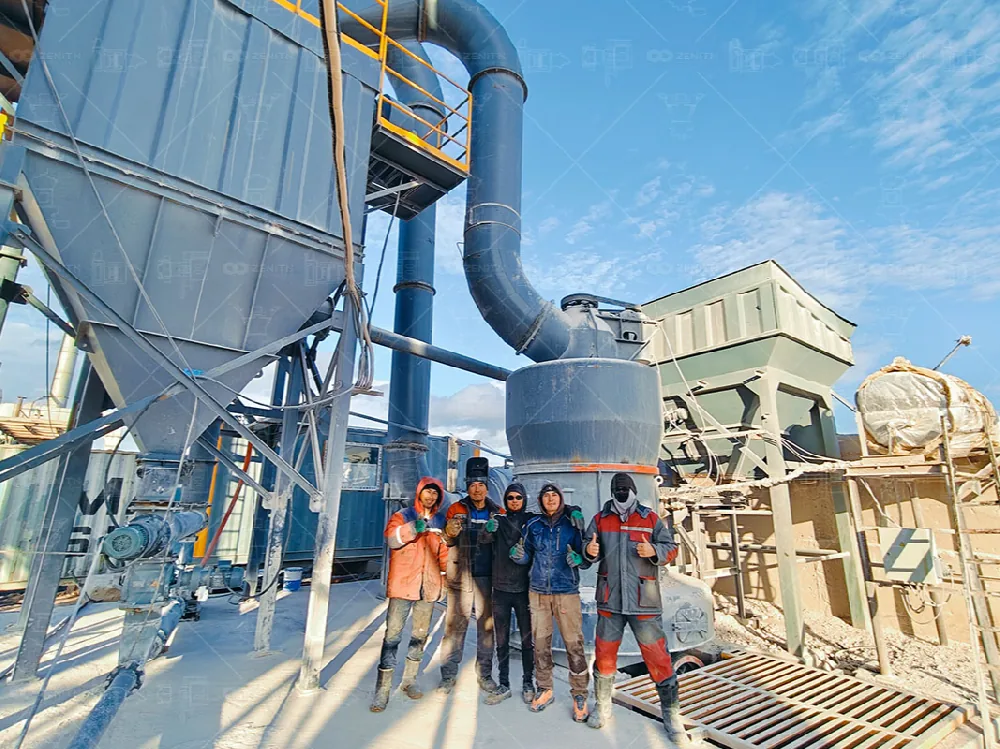
Successful petroleum coke powder production requires careful attention to several operational factors. The hardness and abrasiveness of petroleum coke vary significantly depending on the source material and calcination process. Our grinding systems incorporate wear-resistant materials in critical components to maintain consistent performance despite these challenging conditions. The reversible structure and hydraulic adjustment systems in our LUM series mills, for example, facilitate quick maintenance and replacement of vulnerable parts, minimizing downtime.
Moisture content represents another critical parameter in petroleum coke grinding operations. While most ring roller mills can accommodate moderate moisture levels through integrated drying capabilities, optimal grinding efficiency typically requires moisture content below 5-8%. The negative pressure operation and efficient airflow systems in modern mills contribute to effective moisture management during the grinding process.
_1764348867633.jpg)
Production consistency remains paramount for carbon product manufacturers who rely on uniform raw material properties. The automated control systems integrated into contemporary grinding mills enable continuous monitoring and adjustment of operational parameters to maintain consistent product quality. Remote monitoring capabilities further enhance operational reliability by allowing technical support teams to diagnose and address potential issues before they impact product specifications.
Future Trends in Petroleum Coke Processing
The carbon industry continues to evolve toward higher performance standards and more specialized applications, driving corresponding advancements in petroleum coke processing technology. The integration of artificial intelligence and machine learning algorithms into grinding system controls represents the next frontier in optimization. These technologies enable real-time adjustment of operational parameters based on feed material characteristics, potentially improving efficiency and consistency beyond current capabilities.
Sustainability considerations are increasingly influencing equipment design, with emphasis on further reducing energy consumption and minimizing environmental impact. The development of grinding systems that can utilize alternative energy sources or recover waste heat represents an active area of research and development. Additionally, modular system designs that allow for easier capacity expansion and technology upgrades provide petroleum coke processors with greater flexibility to adapt to changing market conditions.
As carbon product specifications become more stringent, the ability to precisely control multiple powder characteristics simultaneously will grow in importance. Future grinding systems may incorporate integrated analytical technologies that provide real-time feedback on particle morphology, surface chemistry, and contamination levels, enabling unprecedented quality control for high-value carbon applications.
Conclusion
The processing of petroleum coke using advanced ring roller mill technology has become an essential enabler for the modern carbon industry. The comprehensive fineness range achievable with contemporary grinding systems—from coarse powders for structural applications to ultra-fine powders for specialized carbon products—provides manufacturers with the raw material flexibility needed to meet diverse market requirements. As carbon technologies continue to advance, the parallel evolution of petroleum coke processing equipment will remain crucial for supporting innovation across this critical industrial sector.
Frequently Asked Questions
What is the typical moisture content requirement for petroleum coke before grinding?
For optimal grinding efficiency in ring roller mills, petroleum coke should typically have moisture content below 5-8%. Higher moisture levels may require pre-drying or mills with integrated drying capabilities to maintain production efficiency and product quality.
How does the energy consumption of ring roller mills compare to traditional ball mills?
Modern ring roller mills demonstrate significant energy savings, consuming up to 60% less energy than traditional ball mills of equivalent capacity. This efficiency improvement results from optimized grinding mechanics and advanced airflow systems.
What maintenance requirements are associated with petroleum coke grinding mills?
Maintenance requirements vary by mill type, but generally include regular inspection and replacement of wear parts such as grinding rollers and rings. Modern mills often feature reversible components and hydraulic adjustment systems to simplify maintenance and reduce downtime.
Can the same grinding mill process different types of petroleum coke?
Yes, most modern ring roller mills can process various types of petroleum coke, but operational parameters may need adjustment to accommodate differences in hardness, volatility, and composition between coke types.
What particle size distribution is required for aluminum anode production?
Aluminum anode production typically requires petroleum coke powders in the 80-200 mesh range, with specific distribution curves optimized for green anode density and baking characteristics.
How does mill selection differ between electrode-grade and anode-grade coke processing?
Electrode-grade coke often requires finer grinding (325-1000 mesh) and tighter particle size control compared to anode-grade applications. Mills with advanced classification systems are typically selected for electrode-grade production.
What environmental controls are integrated into modern petroleum coke grinding systems?
Contemporary systems feature sealed operation under negative pressure, pulse jet dust collectors, and sometimes integrated baghouse filters to meet environmental standards for particulate emissions.
How quickly can fineness adjustments be made on modern ring roller mills?
Fineness adjustments can typically be made rapidly through modular impeller changes or classifier speed adjustments, often within hours depending on the specific mill design and adjustment mechanism.