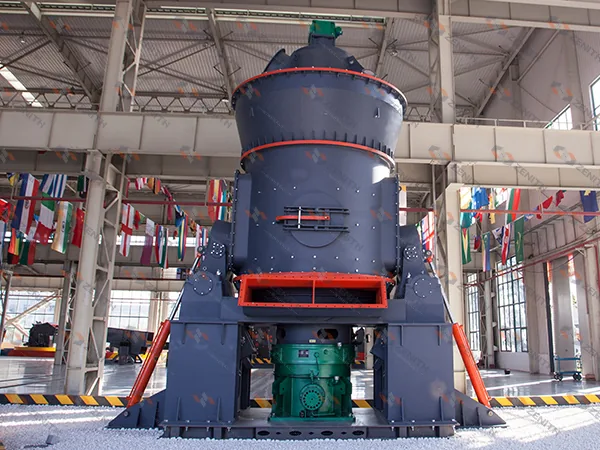
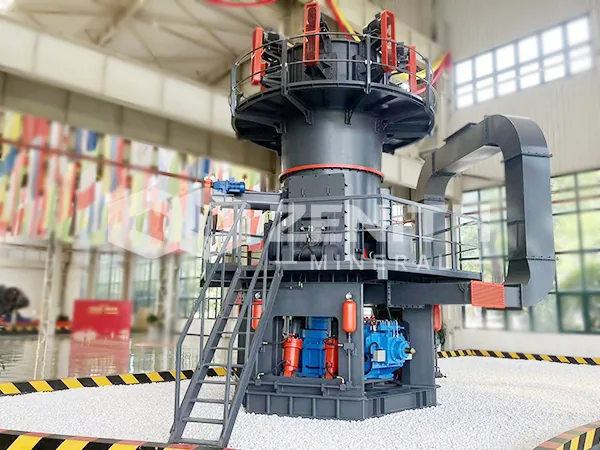
Bauxite grinding plant for high capacity powder production
2026-11-27 00:28:00
Bauxite is a challenging material to grind well. Its alumina content, moisture, silica, iron and clay fractions can vary widely from one deposit to the next, and those differences affect both mill selection and daily operation. A high-capacity bauxite grinding plant therefore cannot be designed as a simple copy of a limestone or cement line. It needs a clear powder target, a stable feed strategy and equipment that can keep running under load. Zenith's experience across coarse, fine, ultrafine and micro powder systems helps match each bauxite project to the right grinding route.
Start with the Powder, Not the Machine
Before discussing tonnage, define where the bauxite powder will go. Coarse powder in the 0-3 mm range may serve dry mortar, feed, agriculture or construction material applications. Fine powder from about 80 to 400 mesh is common in refractories, chemicals, paints, wall putty, water treatment and related industries. Ultrafine powder from 325 to 2500 mesh may be needed for fillers, plastics, paper, coatings and specialty formulations. Each target calls for a different balance of capacity, classification precision and wear protection. In my experience, the most costly mistake is to buy one mill for every future product without testing the actual feed. A small representative sample and a clear sieve analysis are more valuable than a long wish list.
Matching Mill Type to Capacity and Fineness
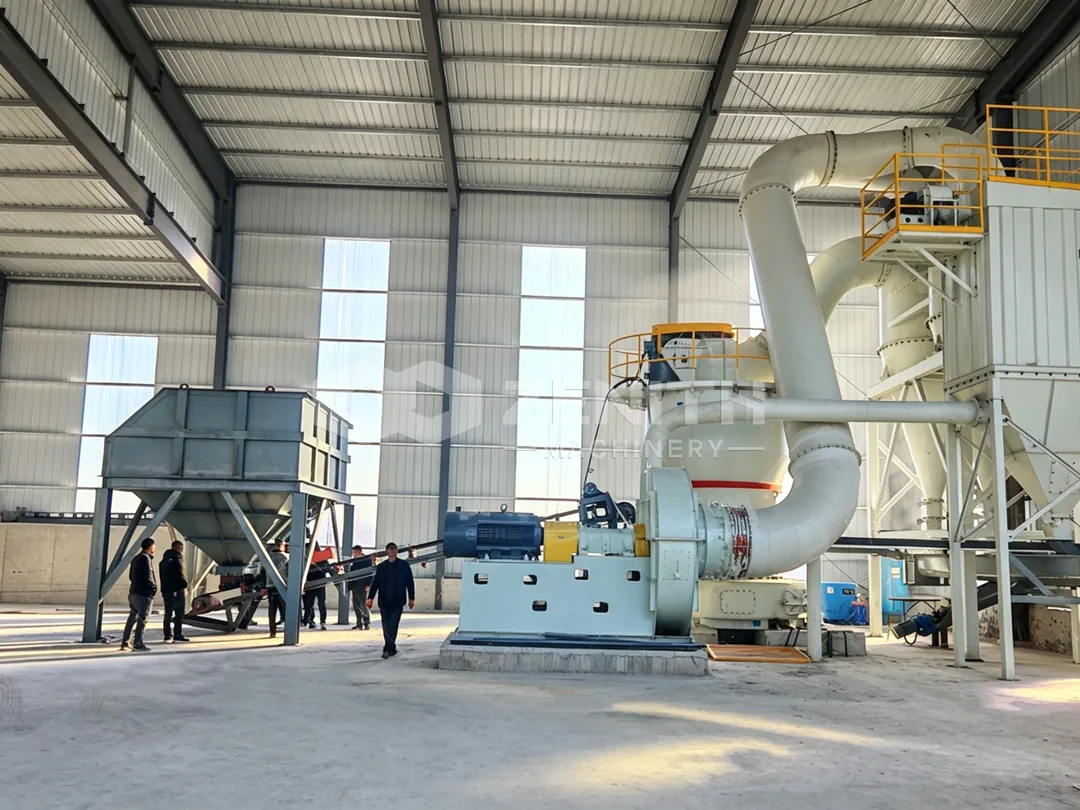
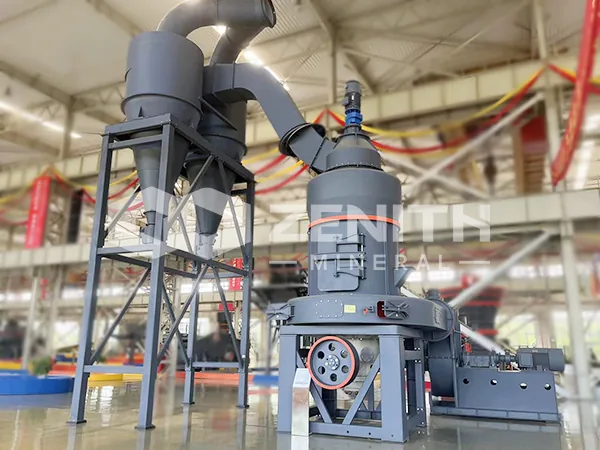
For high-capacity fine powder production, the MTW European Trapezium Mill is a strong starting point. It produces 80-400 mesh powder, and the largest configuration can reach around 50 t/h with low powder consumption. Its modular impeller adjustment allows different fineness by changing impellers, while the high-efficiency fan improves induced air efficiency from 62% to 85%. The MTM European Trapezium Mill is another practical option for 80-325 mesh mineral powder; it has a long working history, simple operation and good adaptability to materials, with lower investment for many medium-size projects.
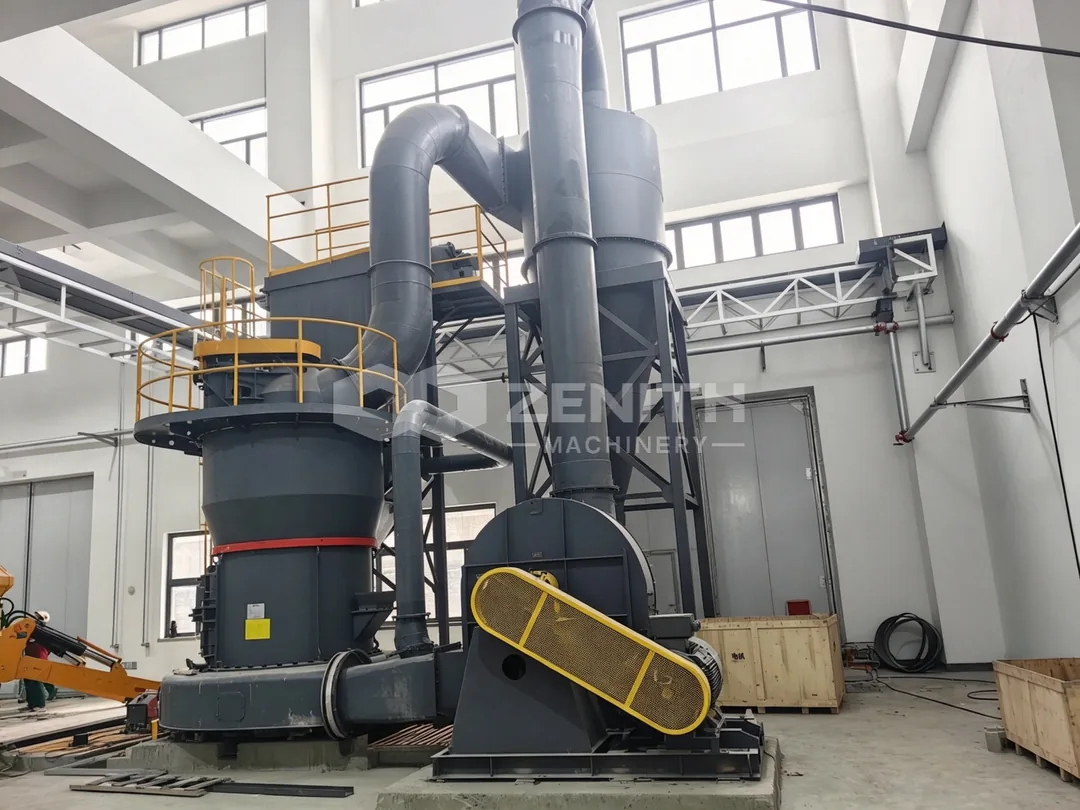
When the plant must run continuously and the tonnage target is high, the LM Vertical Grinding Mill deserves close attention. It covers 80-400 mesh and can reach capacities up to 340 t/h. Its compact integrated design occupies about 50% of the area of a ball mill system, and its automatic control system supports remote and local operation. For ultrafine products, consider the LUM Ultrafine Vertical Mill or XZM Ultrafine Mill. LUM integrates grinding, separation and transportation and uses hydraulic adjustment for easier maintenance; XZM offers single classification from 325 to 3250 mesh and uses a VFD classifier for convenient fineness control. For coarse 0-3 mm production, the HM Hammer Mill provides a cost-effective route, while ball mills remain relevant where very robust continuous grinding and wide material adaptability are required.
Designing the Plant Around Stable Flow
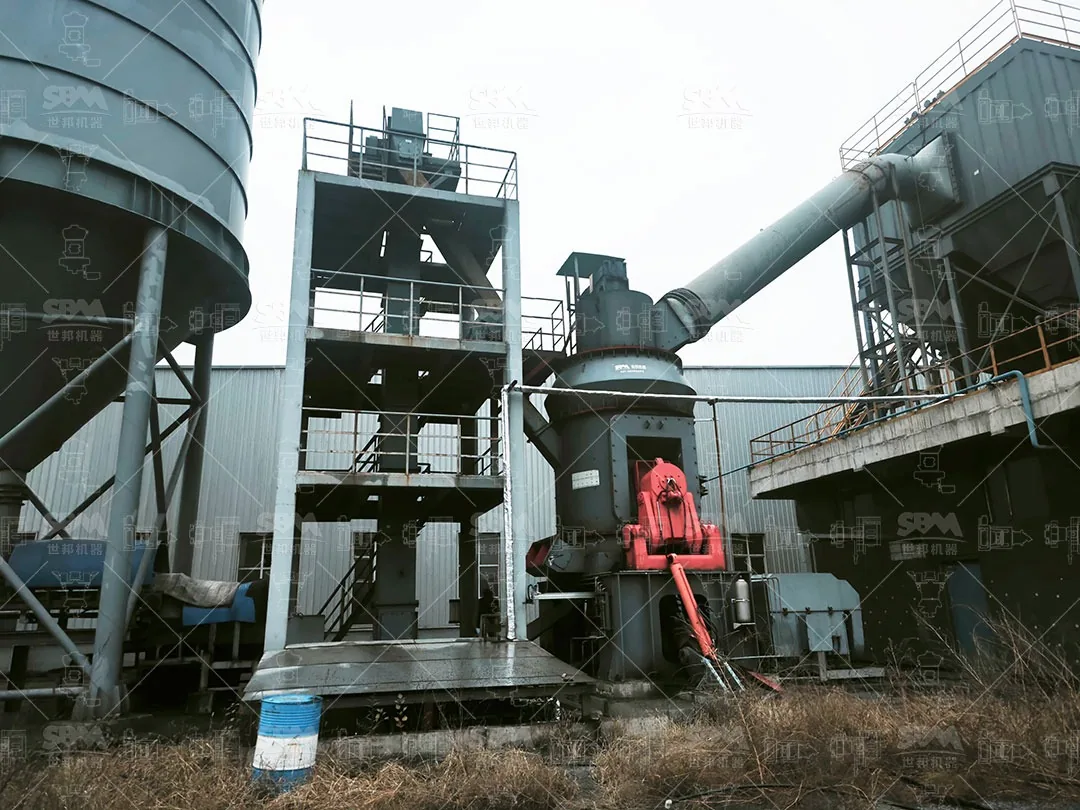
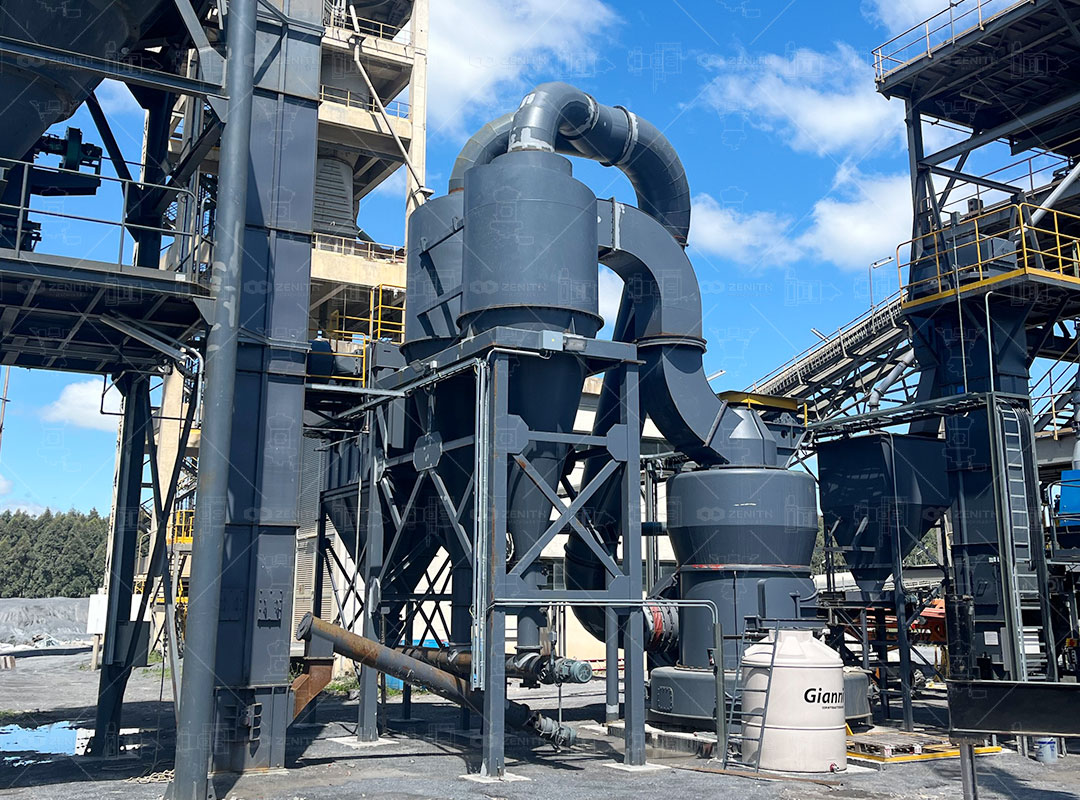
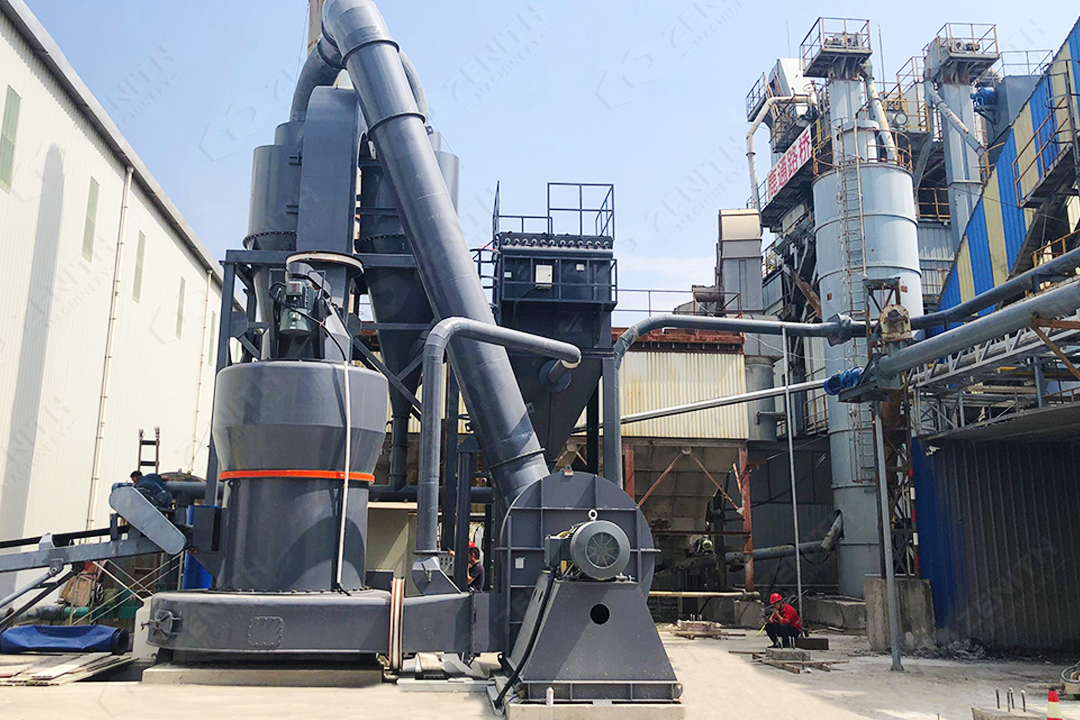
A good bauxite grinding plant is a system, not a single machine. The layout usually includes receiving and crushing, controlled feeding, grinding, classification, powder collection, dust filtration, storage and dispatch. A variable-frequency belt feeder or electromagnetic vibrating feeder helps stabilize the mill load when the raw material changes. The air circuit must be sized for the target fineness and moisture level, and the dust collector should be selected for continuous duty. Positive and negative pressure operation, sealed equipment and pulse cleaning are not decoration; they protect product quality and keep the workplace clean. Integrated mill systems also reduce foundation work and occupied area, which matters when the plant is built close to the mine or in a limited industrial zone.
Energy, Maintenance and Product Purity
Energy is a major operating cost in bauxite powder production. Compared with a ball mill of the same grade under ideal conditions, MTW and MTM trapezium mills can cut energy consumption by more than 60%. LM and LUM vertical mills combine grinding and classification in one body and use negative pressure operation to limit dust spillover. Product purity also deserves attention, especially for white or chemically sensitive bauxite fillers. Vertical mills can help control product size, chemical composition and iron content, while reversible structures and hydraulic systems shorten maintenance time. Operators should track wear-part life, classifier speed, fan pressure, feed moisture and finished powder residue every shift. These small records usually reveal a problem before it becomes a shutdown.
_1795710480481.jpg)
A Practical Selection Habit
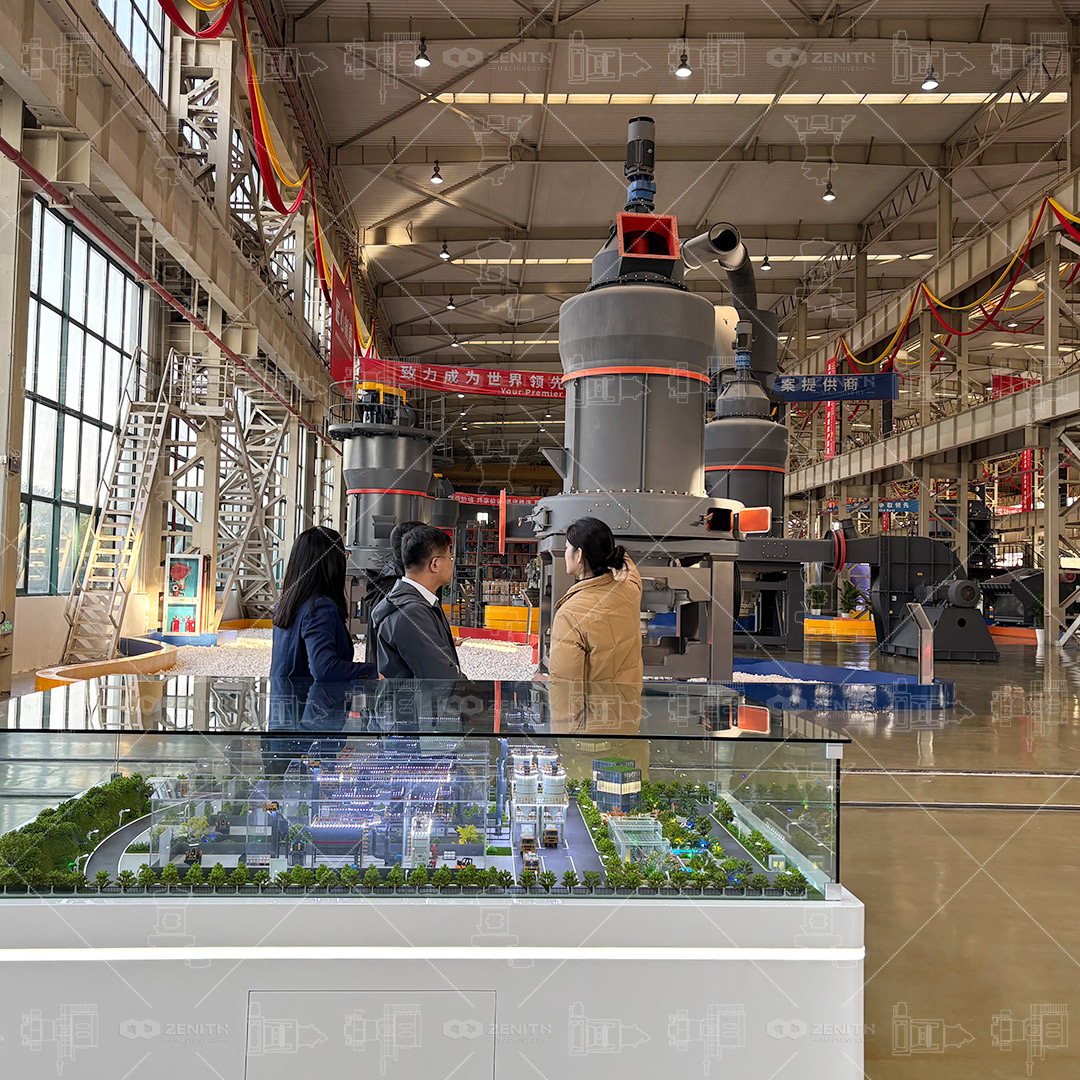
I would advise any project owner to test the material, visit a reference plant if possible, and ask for a mass balance rather than a single capacity number. Capacity depends on feed size, moisture, target fineness, product residue and the availability of auxiliary equipment. A plant rated at a high tonnage can still underperform if feeding is intermittent or the dust collection system is undersized. Commissioning should include a step-by-step load test, operator training and a spare-parts plan for rollers, liners, impellers and filters. With the right mill and a disciplined operating routine, a bauxite grinding plant can deliver consistent powder for many years.
Frequently Asked Questions
1. What is the best mill for high-capacity bauxite powder production?
It depends on fineness. For 80-400 mesh fine powder, MTW and LM mills are common choices. LM is often preferred for very high tonnage and continuous operation; MTW suits flexible fine powder production.
2. Can one plant produce both coarse and ultrafine bauxite powder?
Yes, but two-stage grinding is usually more practical. A hammer mill or pre-grinding unit can prepare coarse material, while an XZM or LUM mill produces ultrafine grades.
3. What fineness can Zenith bauxite mills reach?
Coarse powder can be 0-3 mm; fine powder is commonly 80-400 mesh; ultrafine systems can reach 325-2500 mesh, with XZM offering up to 3250 mesh in suitable applications.
4. How important is moisture control before grinding?
Very important. High moisture reduces mill throughput, causes sticking and affects classification. Drying or pre-conditioning may be needed depending on the deposit and local climate.
5. Are these plants environmentally compliant?
Modern systems use sealed negative-pressure operation, pulse dust collectors and efficient fans. The exact emission standard depends on local regulations and the plant design.