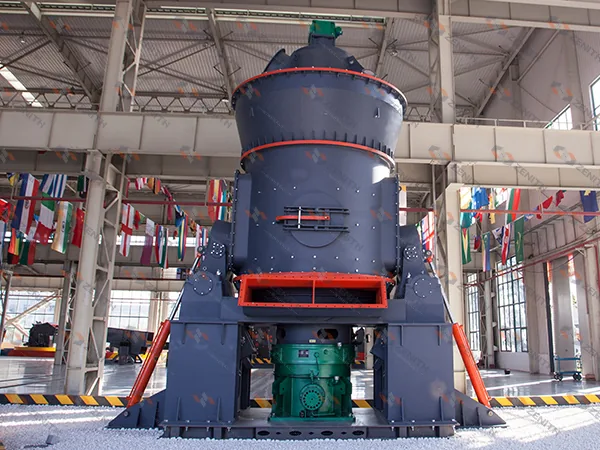
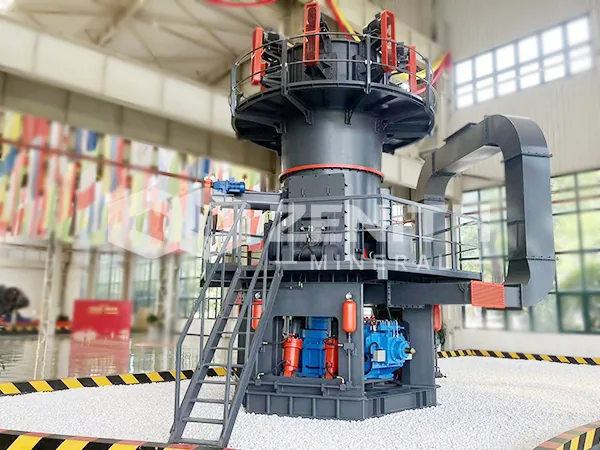
Phosphate rock grinding mill for fine phosphate powder production
2026-11-23 00:26:10
Phosphate rock is an essential raw material for fertilizers, animal feed supplements, and industrial chemicals. Turning it into fine phosphate powder requires a grinding mill that balances fineness, capacity, energy use, and environmental performance. As a sales engineer who has worked with phosphate processors across Asia, Africa, and South America, I have seen how the right mill can transform a plant's profitability. Shanghai Zenith Machinery Co., Ltd. has spent decades developing industrial powder grinding equipment, and our portfolio covers 1-3mm coarse powder, 20-400mesh fine powder, 400-1250mesh ultrafine powder, and 1250-3250mesh micro powder. For fine phosphate powder production, the MTW European Trapezium Mill, MTM European Trapezium Mill, LM Vertical Grinding Mill, Raymond Mill, and XZM Ultrafine Grinding Mill are particularly relevant.
Why fineness and consistency matter
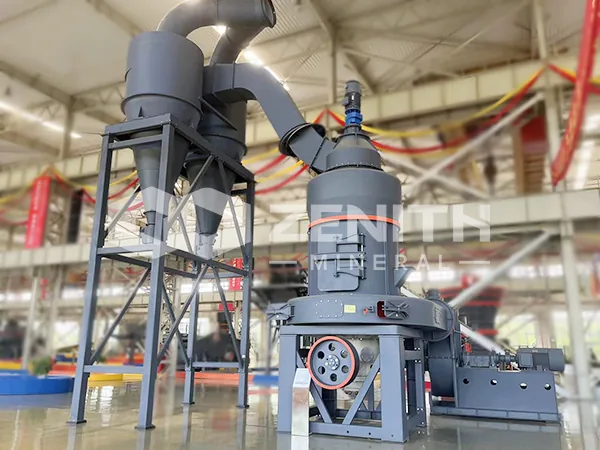
From a process engineer's viewpoint, phosphate rock fineness directly affects reactivity, blending behavior, and downstream product quality. Fertilizer producers often target 80-200mesh, while some chemical and feed applications require 200-400mesh or even finer. Inconsistent particle size can cause uneven reactions, higher consumption of binders, and rejected batches. That is why a mill's classification system matters as much as its grinding force. Zenith's MTW series produces 80-400mesh fine powder with large capacity, and its largest model can deliver 50tph under optimized conditions. The MTM series is a stable, practical choice for 80-325mesh mineral powder, backed by more than 30 years of field use. Both mills use modular impeller adjustment, so operators can change product fineness by changing impellers rather than replacing the whole classifier.
_1795364770633.jpg)
A technical look at proven equipment
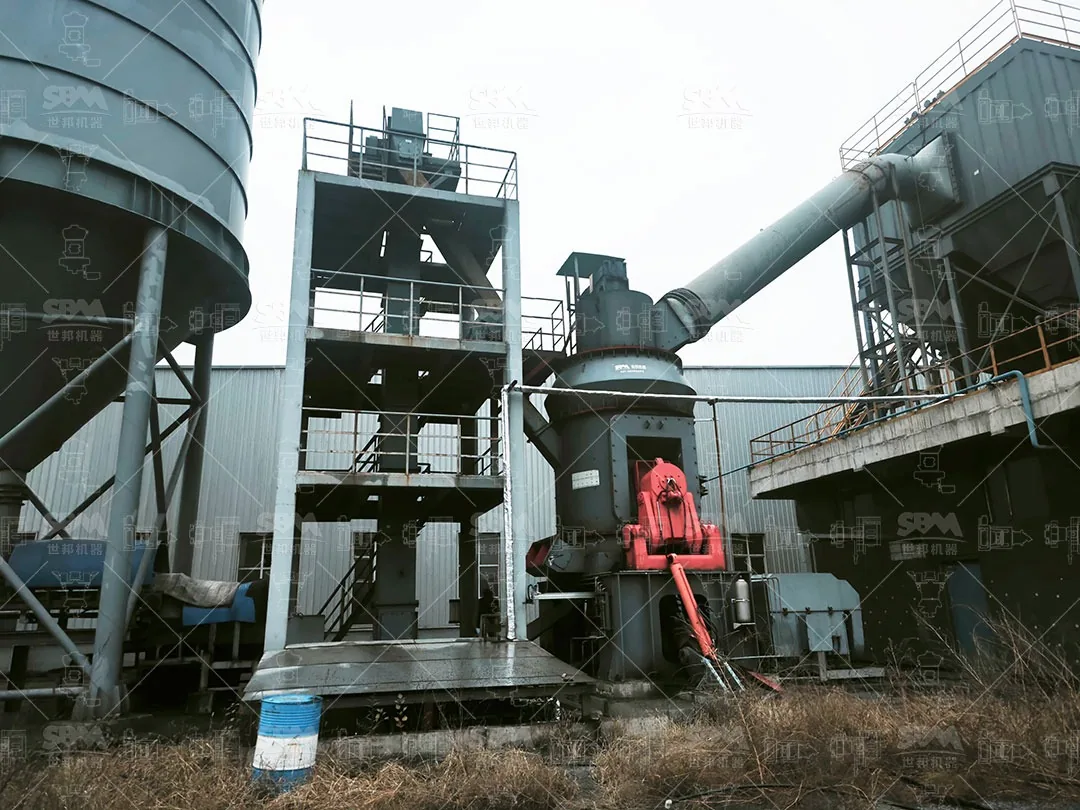
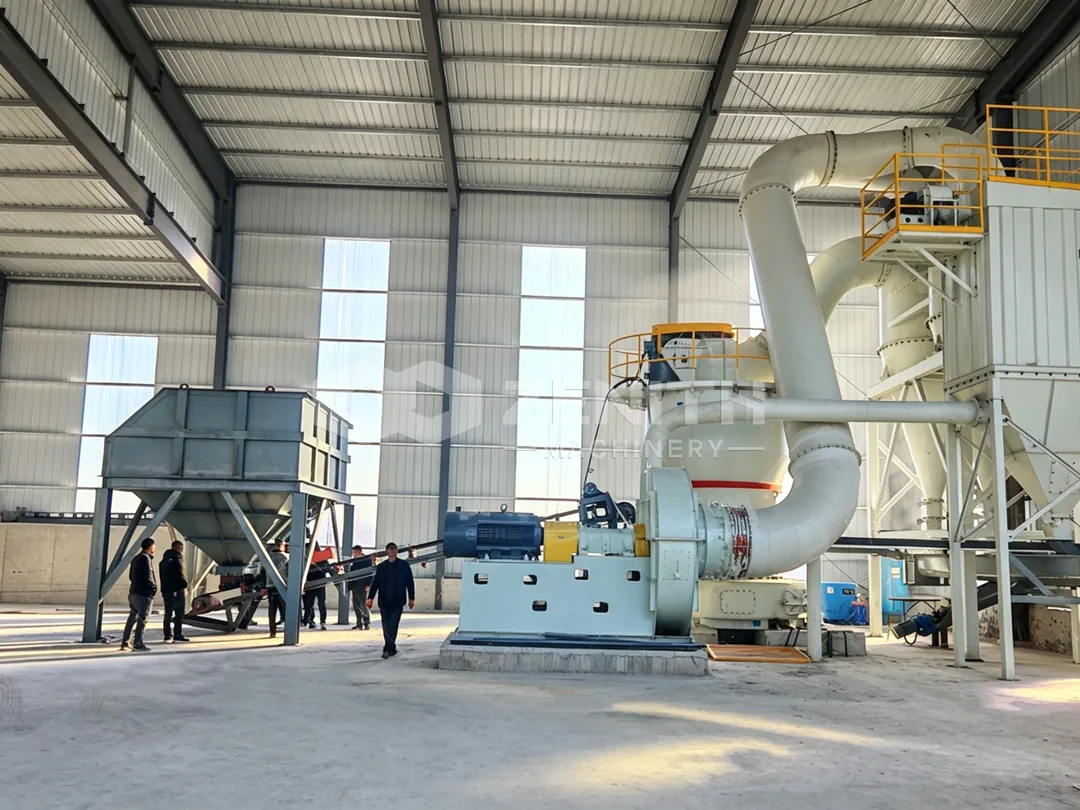
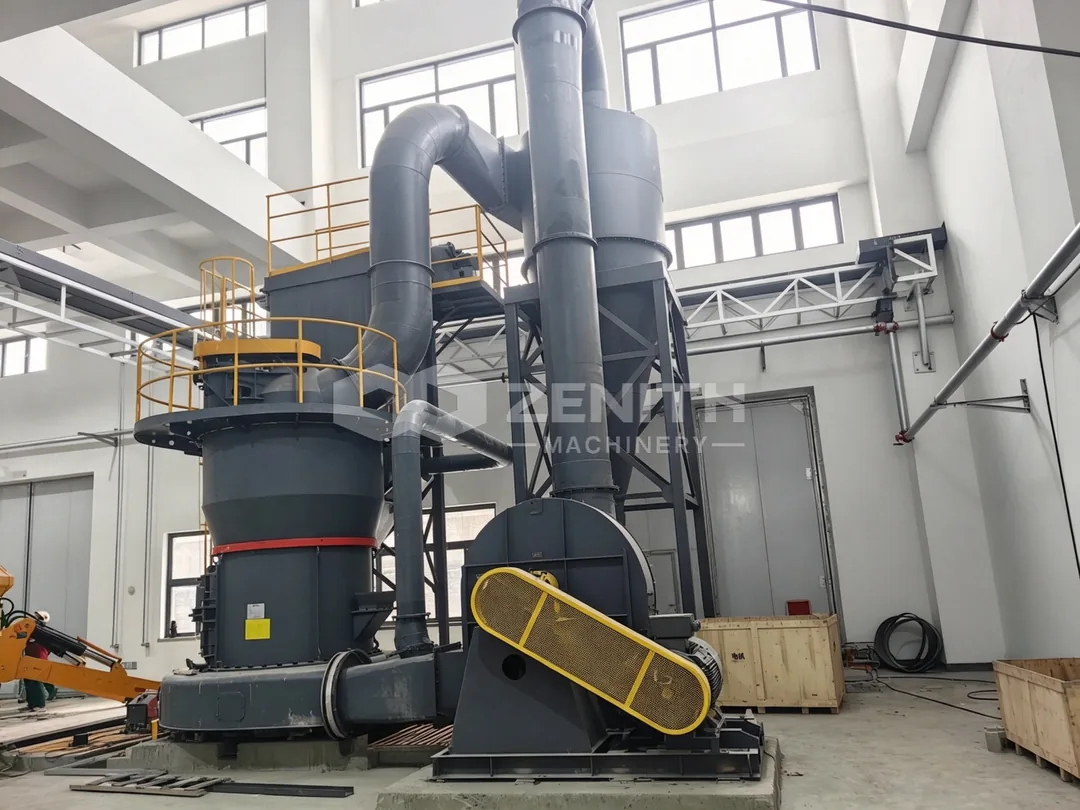
Technical buyers often ask about energy consumption and air efficiency. Our MTW and MTM mills consume more than 60% less energy than a ball mill of the same grade under ideal working conditions. Their high-efficiency impeller fan raises air induction efficiency from 62% to 85%. The working principle is straightforward: crushed material enters the grinding chamber via a variable-frequency belt feeder or electromagnetic vibrating feeder, is ground by rollers and rings, and is carried by airflow to the powder selector. Qualified fine powder is collected in the cyclone collector, while coarse powder returns for re-grinding. The system operates under positive and negative pressure and includes a pulse dust collector that meets national environmental standards. For larger operations, the LM Vertical Grinding Mill offers 3-340t/h capacity, 80-400mesh output, and 24-hour constant running with remote and local control. It effectively controls product size, chemical composition, and iron content, which is important for high-purity phosphate applications.
_1795364770634.jpg)
Practical benefits from the plant floor
From a plant manager's perspective, footprint and maintenance costs drive daily decisions. MTW and MTM mills integrate bulk material handling, grinding, classification, and collection into one compact system, reducing foundation and building investment. The LM vertical mill covers about 50% of the area of a ball mill system and can be arranged in the open air. Raymond mills remain popular for 10-325mesh production because 99% of the finished powder passes the screen, and intelligent electrical control supports labor-free operation. For ultrafine phosphate grades, the XZM Ultrafine Grinding Mill adjusts freely between 325 and 2500mesh and can reach D97 < 5 microns in one pass; its grinding chamber has no rolling bearings or screws, reducing downtime. The LUM Ultrafine Vertical Grinding Mill offers 325-2500mesh output with 30%-50% lower energy consumption than ordinary mills, plus hydraulic maintenance access. Every machine is backed by ISO, CE, and CU-TR certification, and our network covers more than 180 countries with overseas offices in over 30 countries.
_1795364770636.jpg)
How to choose the right mill
My advice as a project consultant is to start with three questions: What mesh size do you need? What hourly capacity must the plant sustain? And how much automation can your team support? For 80-325mesh fine phosphate powder at 3-22t/h, the MTM or Raymond mill is a cost-effective starting point. For 80-400mesh with higher capacity and lower energy use, the MTW is often the best fit. For continuous large-scale production, the LM vertical mill is excellent. For 325mesh and finer, evaluate the XZM or LUM. We also recommend testing your phosphate rock's hardness and moisture with our engineers so the mill's rollers, liners, and classifier can be configured correctly. Shanghai Zenith is a hi-tech engineering group specializing in research, development, and production of industrial powder grinding equipment, and we focus on matching equipment to each customer's field and processing range.
Frequently Asked Questions
Q: What fineness can Zenith mills achieve for phosphate rock?
A: Depending on the model, we cover 1-3mm coarse powder, 20-400mesh fine powder, 400-1250mesh ultrafine powder, and 1250-3250mesh micro powder. For fine phosphate powder, MTW and MTM produce 80-400mesh and 80-325mesh respectively; XZM reaches 325-2500mesh.
Q: Can the mill handle high-capacity phosphate production?
A: Yes. MTW and MTM offer 3-22t/h, LM offers 3-340t/h, and our ball mills offer up to 250t/h. We size the system based on your target fineness and feed properties.
Q: How does energy consumption compare with a ball mill?
A: Under ideal conditions, MTW and MTM mills consume more than 60% less energy than a ball mill of the same grade. LUM ultrafine mills reduce energy use by 30%-50% compared with ordinary mills.
Q: Is dust control included?
A: Yes. The grinding systems operate under positive and negative pressure and are equipped with pulse dust collectors. LM and LUM mills are sealed and run under negative pressure to prevent dust spillover.
Q: What about maintenance and spare parts?
A: MTW, MTM, and LM mills use modular components and accessible wear parts. LUM has a reversible structure and hydraulic adjustment system for quick roller and liner replacement. Our overseas offices support spare parts and service in more than 30 countries.
Q: Can Zenith customize the circuit for my phosphate plant?
A: Absolutely. We provide layout design, equipment selection, foundation guidance, and automation options. We also test your material and recommend the right mill, classifier, and dust collection configuration.