Dolomite vertical grinding mill for large scale powder production
2026-10-24 00:24:06
When you’re running a large-scale dolomite powder plant, the grinding mill is the heart of your operation. You need consistent fineness, high throughput, low energy consumption, and minimal maintenance downtime. That’s exactly where a vertical grinding mill—specifically the LM series from ZENITH—earns its place. I’ve spent years commissioning mills across different continents, and I can tell you: the difference between a good vertical mill and a mediocre one shows up not on the spec sheet, but on the third shift when your operators are tired and your product still has to meet D97 targets.
_1792772646119.jpg)
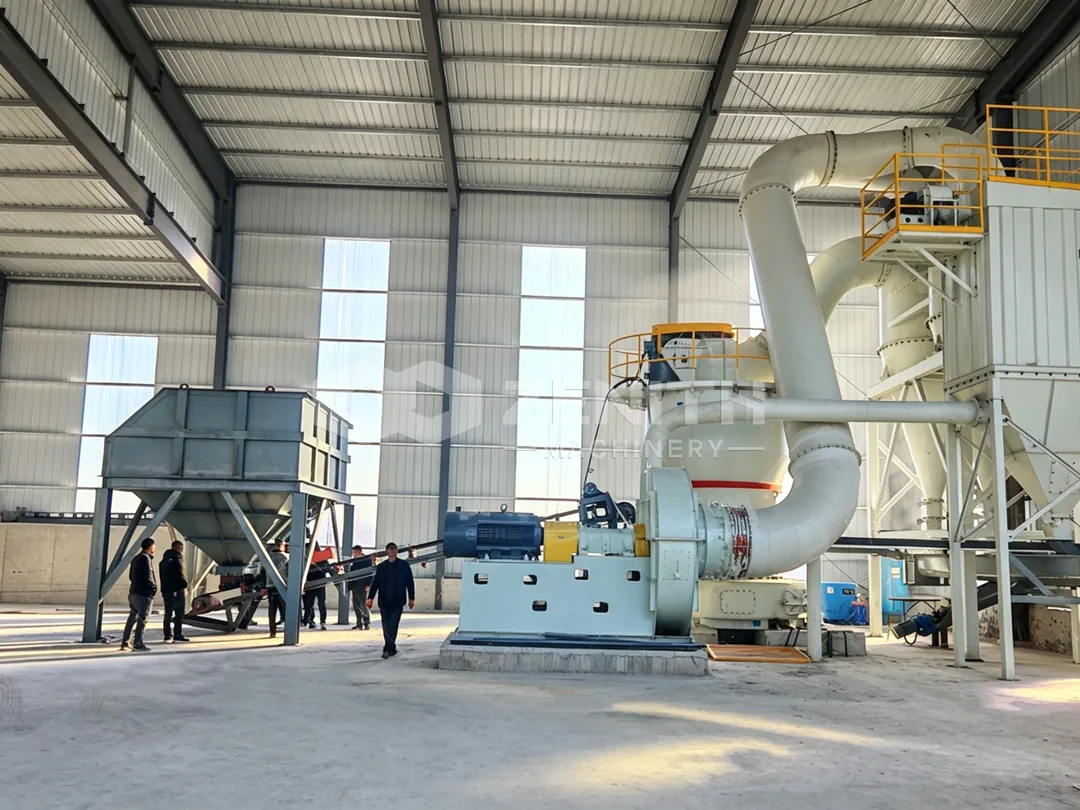
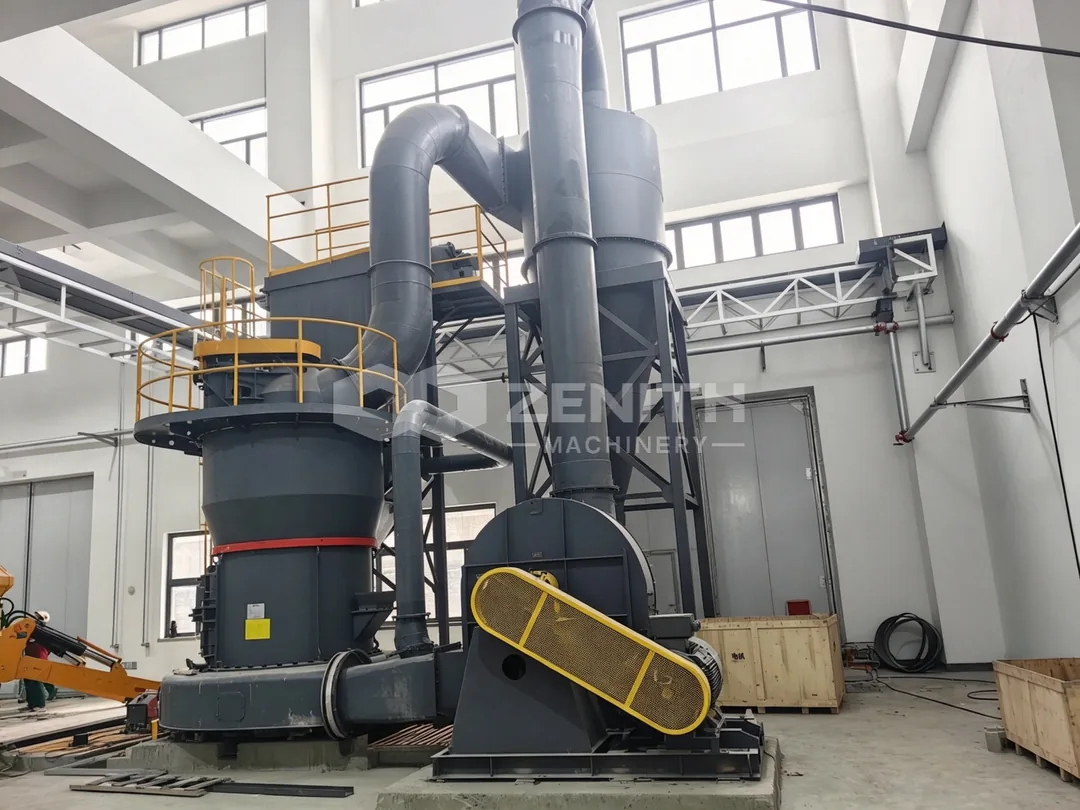
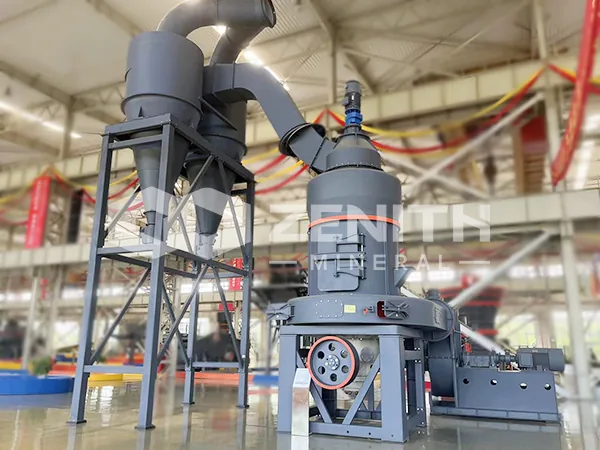
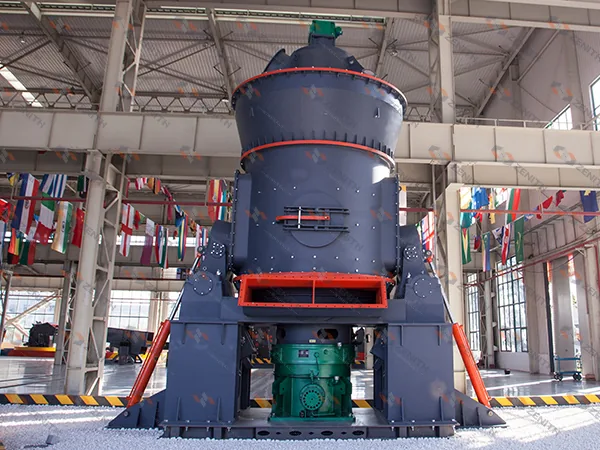
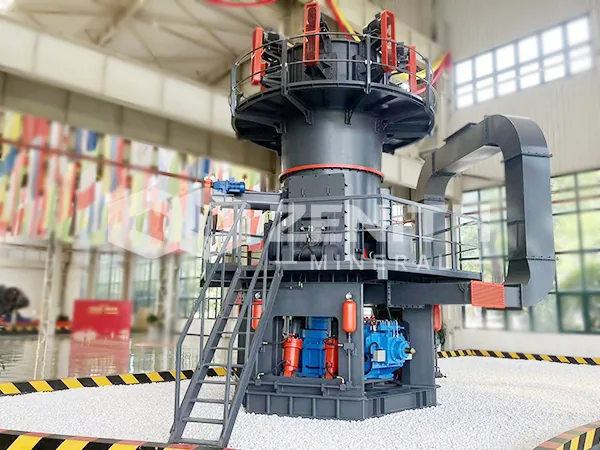
Dolomite is a versatile mineral. It goes into glass, ceramics, refractories, agriculture, water treatment, and even construction. But it’s also moderately abrasive and can be tricky to grind efficiently at scale. The LM Vertical Grinding Mill handles it well because of its integrated design: crushing, drying, grinding, and classifying all happen in one compact unit. The main motor drives the grinding disc via a reducer, while hot air enters the chamber. Material falls to the disc’s center, moves outward by centrifugal force, and gets crushed by rollers. A material bed forms for inter-particle crushing—that’s the key to lower wear and higher energy efficiency. Coarse particles return for re-grinding, and fine powder exits with the airflow to be collected. Nothing fancy, just robust engineering that works.
What makes the LM series a strong fit for large-scale dolomite powder production? Let’s walk through the practical points.
Capacity and Continuous Operation
The LM series covers a capacity range from 3 to 340 tons per hour, with input sizes up to 70 mm and output fineness from 80 to 400 mesh. For dolomite plants aiming at 50, 100, or even 200 tph, the LM mill runs 24 hours a day with minimal supervision. The automatic control system allows free switching between remote and local control. In my experience, that means one operator can monitor the mill, the fan, the separator, and the dust collector from a central panel—no need for someone to stand next to the machine with a sledgehammer.
_1792772646121.jpg)
Energy Efficiency That Adds Up
Compared with a ball mill system of the same grade, the LM vertical mill consumes significantly less power—typically 30 to 50 percent lower, depending on the fineness target. That’s not marketing talk; it’s the physics of inter-particle crushing versus impact and attrition. For a large dolomite operation, electricity is often the second-largest cost after raw material. Lower consumption translates directly to better margins. The high-efficiency impeller fan also improves air induction efficiency from around 62% to 85%, which further trims the power bill.
Product Purity and Environmental Compliance
Dolomite for certain applications—like glass or specialty ceramics—needs low iron content and consistent whiteness. The LM mill’s sealed, negative-pressure operation prevents dust spillover and cross-contamination. Iron debris falls into a lower cavity and is scraped out through a discharge port, so it doesn’t end up in your finished powder. The system is equipped with a pulse dust collector that meets national environmental standards. In several installations I’ve visited, the area around the mill looks more like a clean warehouse than a traditional grinding floor. Low vibration and low noise also make it easier to retain operators.
_1792772646122.jpg)
Less Footprint, Lower Investment
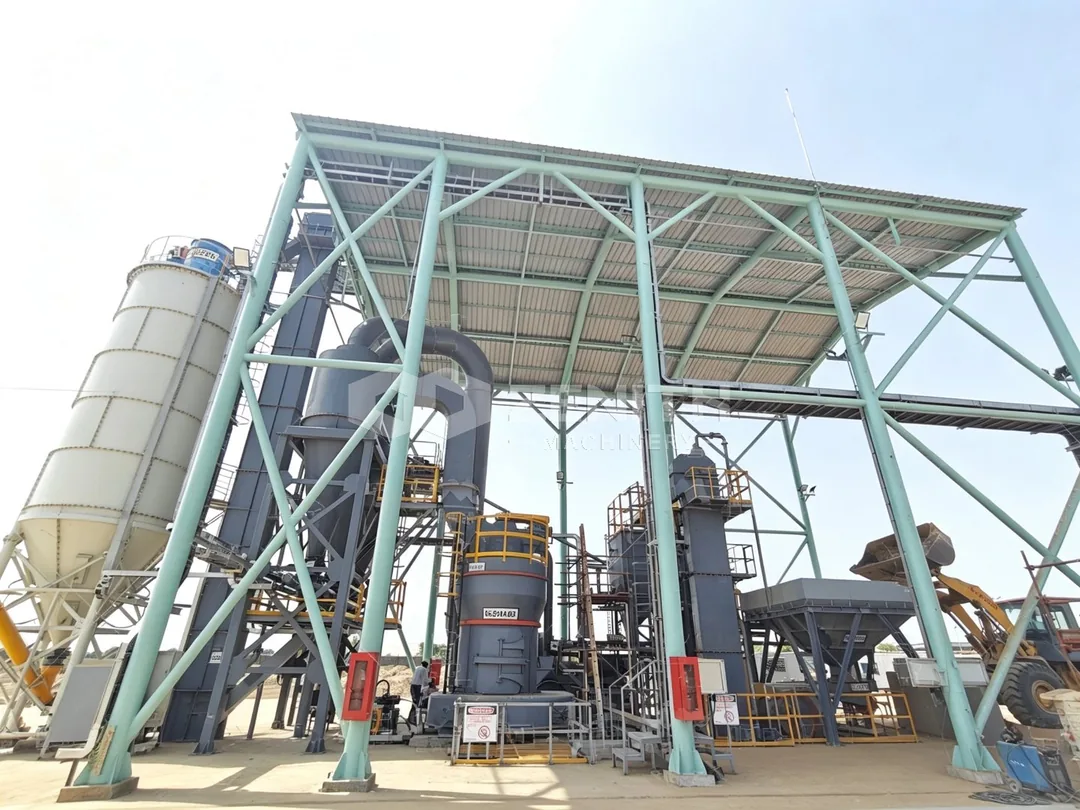
The compact integrated design covers about 50% of the area required by a ball mill system. You can arrange it in the open air, which saves on building costs. For a greenfield dolomite powder project, that means faster permitting, shorter construction schedules, and lower capital expenditure. The LM mill also has a high degree of automation, so labor costs stay low. And because the grinding rollers can be flipped outside the machine using the hydraulic system, maintenance is straightforward—vulnerable parts are easy to replace.
Working Principle in Brief
Material enters the mill and falls onto the center of the grinding disc. The main motor rotates the disc, and centrifugal force pushes the material outward. Rollers crush the material against the disc, forming a bed that enables inter-particle comminution. Hot air carries the crushed material upward. A separator classifies the powder: coarse particles fall back for re-grinding, while fine powder exits with the airflow and is collected in a dust collector. The entire system operates under negative pressure, keeping dust inside the circuit.
_1792772646124.jpg)
If you’re planning a large-scale dolomite powder line, the LM vertical grinding mill deserves a serious look. It’s not the only option on the market, but it’s one of the few that balances high capacity, low energy use, and straightforward maintenance without forcing you to rebuild your entire plant layout. ZENITH has installed these mills in over 180 countries, and the feedback from dolomite processors has been consistent: stable operation, predictable wear, and powder that meets spec shift after shift.
Frequently Asked Questions
Q1: What is the maximum capacity of the LM vertical mill for dolomite?
A: The largest LM model can reach 340 t/h, depending on the target fineness and the grindability of your specific dolomite source. For most large-scale dolomite powder plants, a 100–200 t/h configuration is typical.
Q2: Can the LM mill produce both fine and ultrafine dolomite powder?
A: The standard LM series covers 80–400 mesh. If you need ultrafine dolomite (325–2500 mesh), the LUM ultrafine vertical mill is a better fit, though its capacity is lower (5–18 t/h). For large-scale production of fine powder, LM is the workhorse.
Q3: How does the LM mill handle abrasive dolomite?
A: The grinding rollers and disc are made from high-quality wear-resistant materials. Because the mill uses inter-particle crushing rather than direct metal-to-metal impact, wear rates are lower than in ball mills. The hydraulic system lets you flip rollers out for inspection and replacement without dismantling the whole machine.
Q4: What about dust control and environmental permits?
A: The system is sealed and operates under negative pressure. A pulse dust collector captures fine particles, and emissions meet national environmental standards. Many installations pass local air quality inspections without additional baghouses or scrubbers.
Q5: How much maintenance does the LM mill require for dolomite grinding?
A: Routine maintenance is minimal—greasing, checking hydraulic pressure, and inspecting wear parts every few hundred hours. The reversible roller structure and hydraulic adjustment system make it possible to replace roller sleeves and liners quickly, often within a single shift.
Q6: Can I use the LM mill in an open-air layout?
A: Yes. The compact integrated design allows open-air installation in most climates. You’ll need to protect the electrical control panel and motor from direct rain, but the mill itself is designed for outdoor arrangement, saving on civil construction costs.
Q7: What is the typical lead time and commissioning support?
A: Lead times vary by model and configuration, but ZENITH maintains overseas offices in more than 30 countries. Commissioning typically takes two to four weeks, including operator training and performance testing. Remote monitoring support is available after handover.