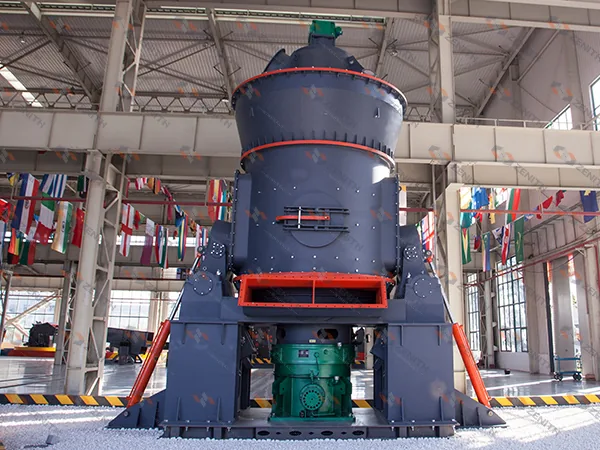
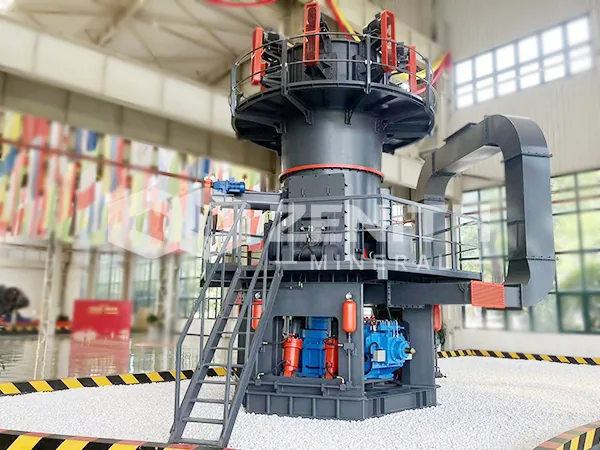
Calcite grinding machine for paint and coating applications
2026-10-22 00:26:09
Calcite, or natural calcium carbonate, is one of the most widely used functional fillers in paint and coating formulations. It contributes whiteness, opacity support, film reinforcement, rheology control and cost efficiency. Yet the performance of calcite in a coating depends less on the mineral name and more on the powder behind it: particle size distribution, top cut, whiteness, iron content, moisture and dust control all influence gloss, coverage, dispersion and storage stability. Selecting a calcite grinding machine for paint and coating applications is therefore a formulation decision as much as a processing decision.
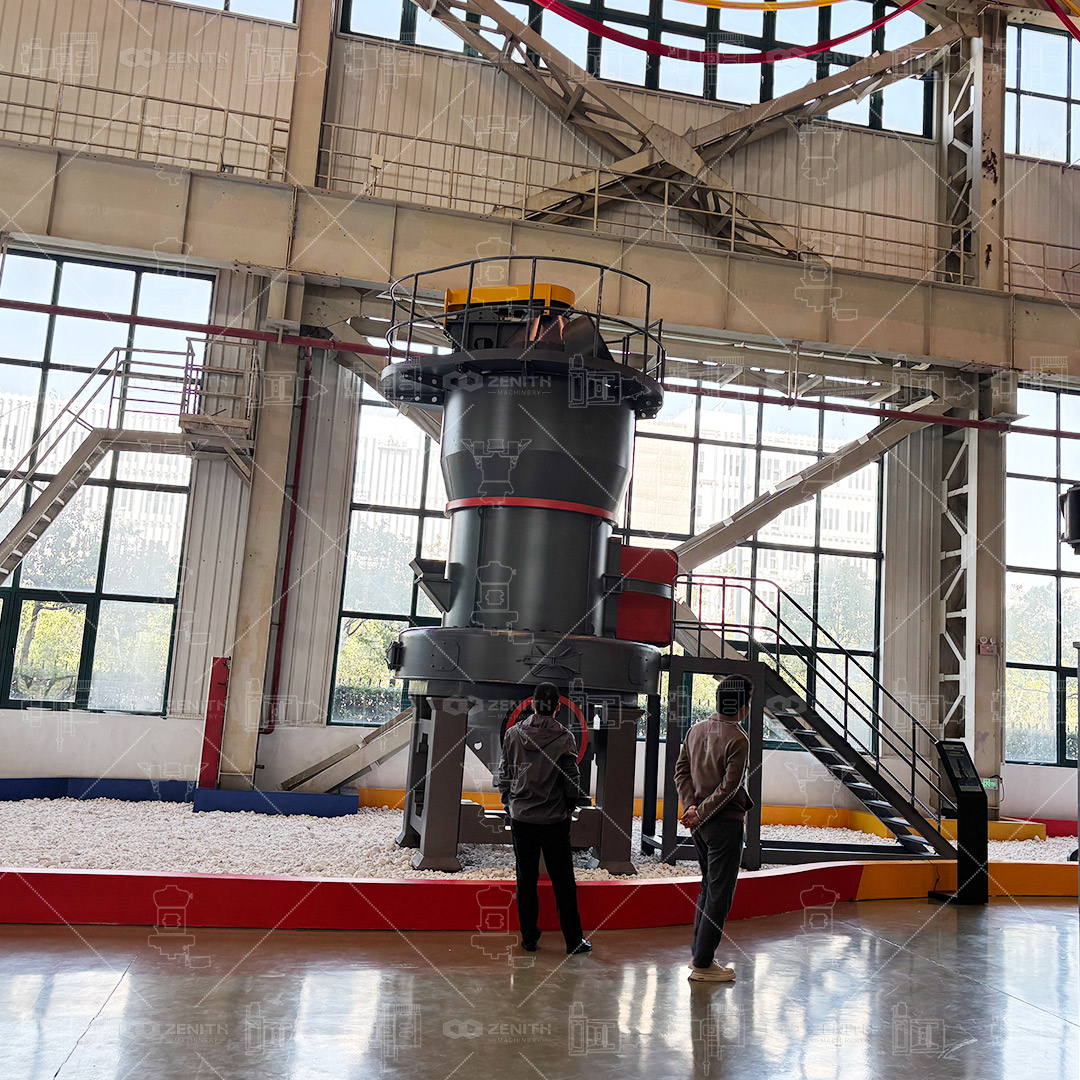
Start with the target powder
Paint and coating producers rarely need one calcite powder. They need a family of grades. General architectural fillers are often ground to 325 to 400 mesh. Interior emulsion paints and putty may use 400 to 800 mesh. High-quality matt and industrial coatings can require 800 to 1250 mesh or finer. Premium matting systems may call for 1250 to 2500 mesh ultrafine calcite with a tight top cut. In each case, the aim is a stable, well-dispersed filler that supports the intended gloss level and does not introduce coarse particles, grit or colour variation.
Mills for fine and ultrafine calcite
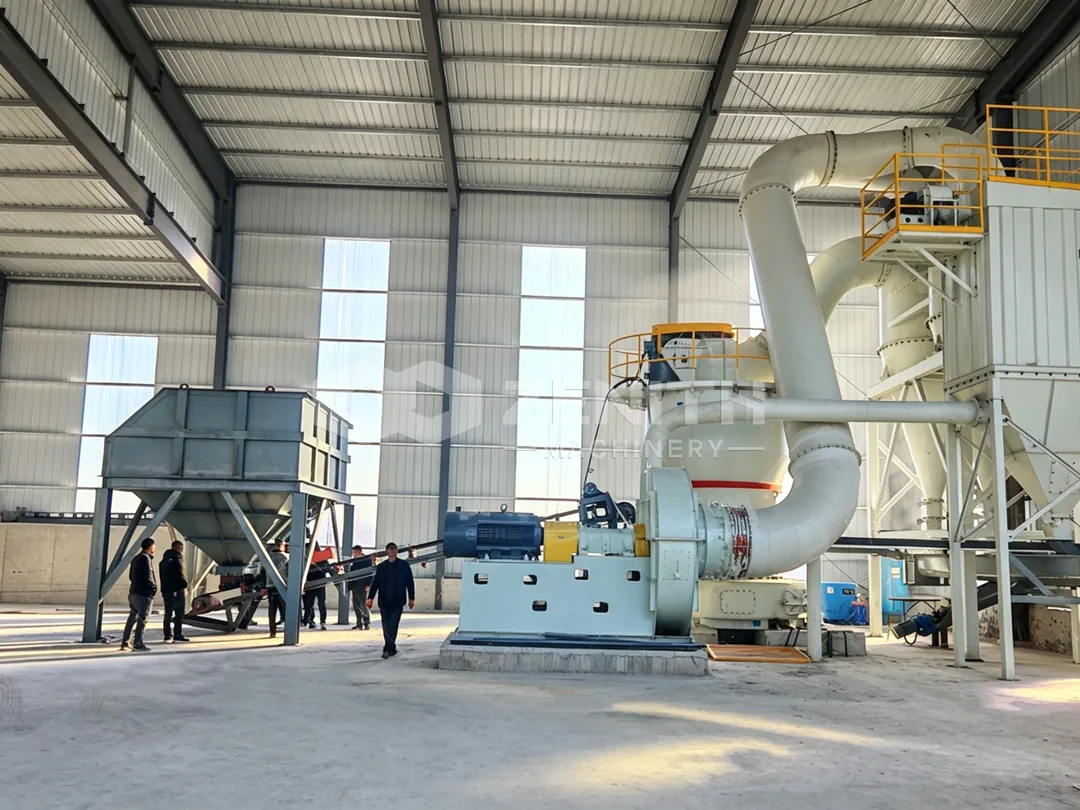
For 80 to 400 mesh fine powder, the MTW European Trapezium Mill is a practical choice. It combines crushing, grinding and classification in one production system, reducing plant footprint and foundation investment. The largest model can reach 50 tph, while standard configurations cover 3 to 22 tph with 0 to 35 mm feed and 30 to 325 mesh output. Modular impeller adjustment allows different fineness by changing impellers, and the high-efficiency fan raises induced air efficiency from 62% to 85%. Energy consumption is more than 60% lower than a ball mill of the same grade under ideal working conditions. For paint fillers, this means flexible production of 325 and 400 mesh grades with stable output.
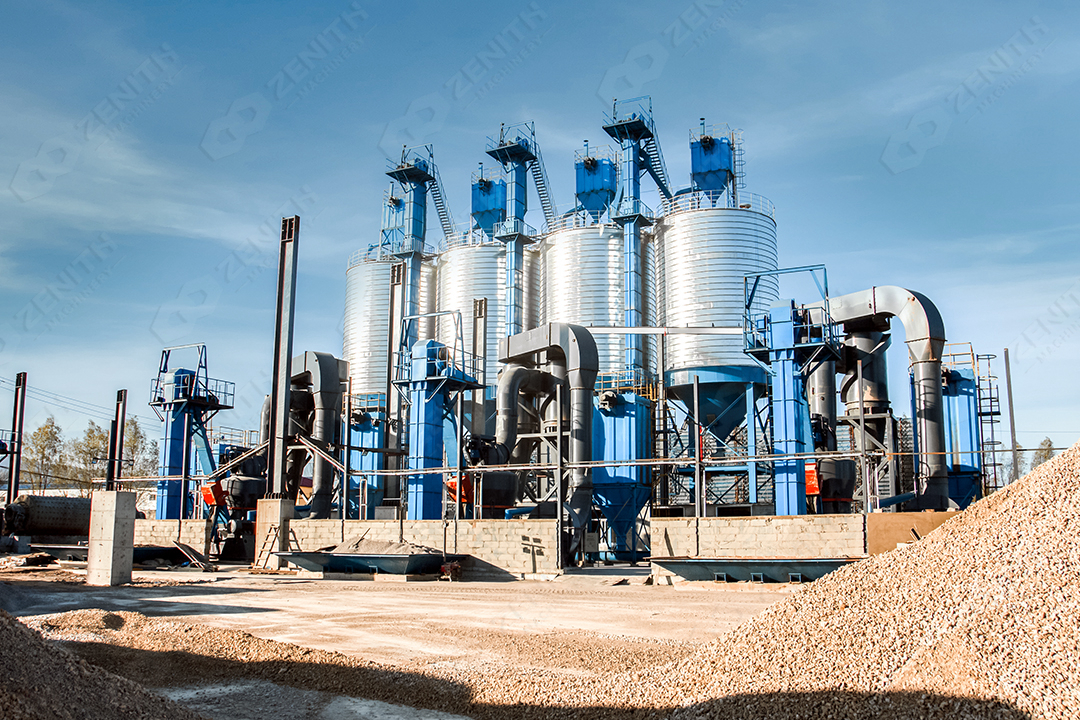
The MTM European Trapezium Mill follows a similar concept and has been used for decades in 80 to 325 mesh mineral powder production. It is known for stable operation, material adaptability and lower investment. It is a sensible option for dependable fine calcite powder for putty, architectural paint and general industrial coatings.
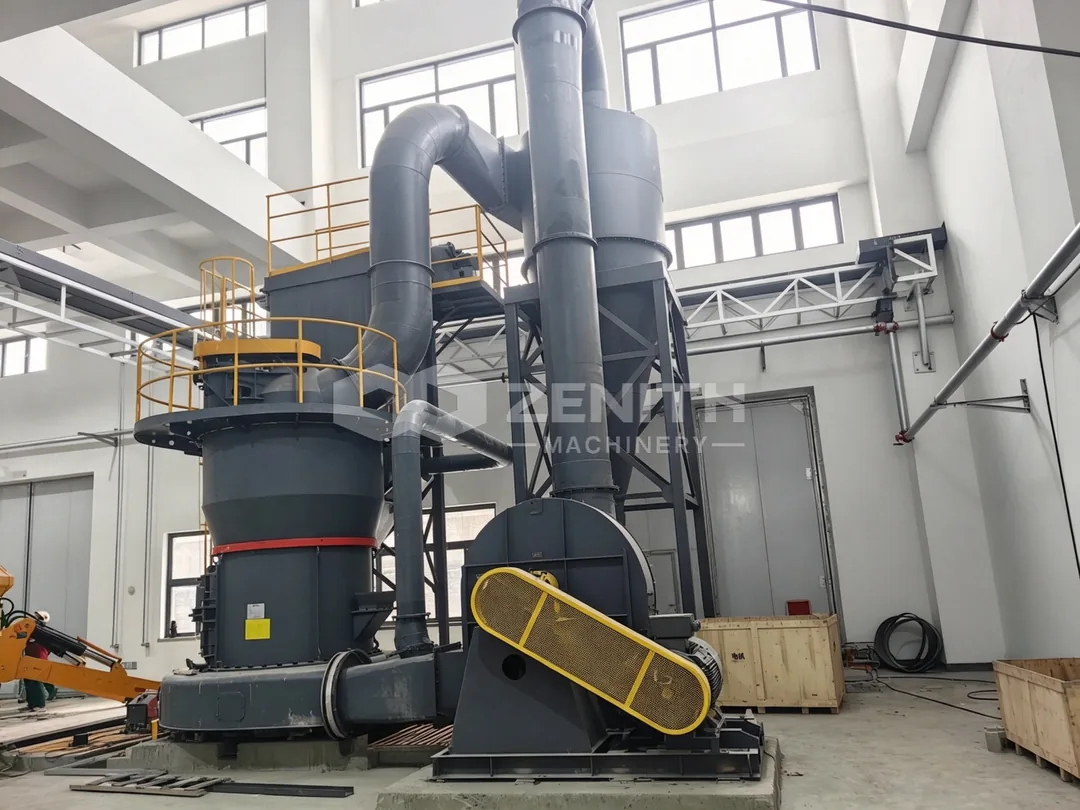
When the coating grade moves into ultrafine territory, the LUM Ultrafine Vertical Grinding Mill becomes relevant. It is designed for 325 to 2500 mesh products and integrates grinding, separation and transportation. For calcite, marble and limestone, it can control product size, chemical composition and iron content, helping protect whiteness and purity. The system is sealed and operates under negative pressure, with low noise and no dust spillover. Hydraulic adjustment and a reversible structure make roller and liner maintenance faster, while grinding pressure and speed can be tuned to reduce energy consumption by 30% to 50% compared with ordinary mills. Capacities range from 5 to 18 tph with 0 to 10 mm feed. This makes LUM a strong fit for high-end paint fillers where brightness and consistency matter.
_1792599969524.jpg)
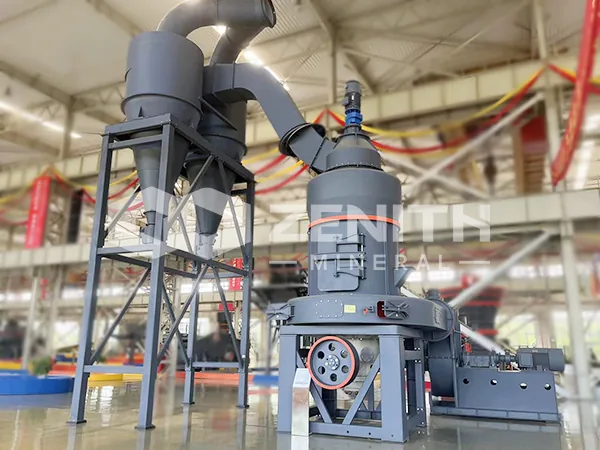
For the finest coating grades, the XZM Ultrafine Grinding Mill offers 325 to 3250 mesh output with single classification. Its classifier uses a variable frequency drive, so operators can adjust rotor speed from the control panel to target the required powder size. The design avoids rolling bearings and screws in the grinding chamber, reducing common wear and seal problems. Compared with air-flow mills and stirring mills, XZM is reported to be 40% higher in efficiency and 70% lower in energy consumption when producing the same powder. For matting agents, premium fillers and specialty coatings, this gives formulators a route to D97 below 5 microns in one pass.
Matching mill capacity to coating demand
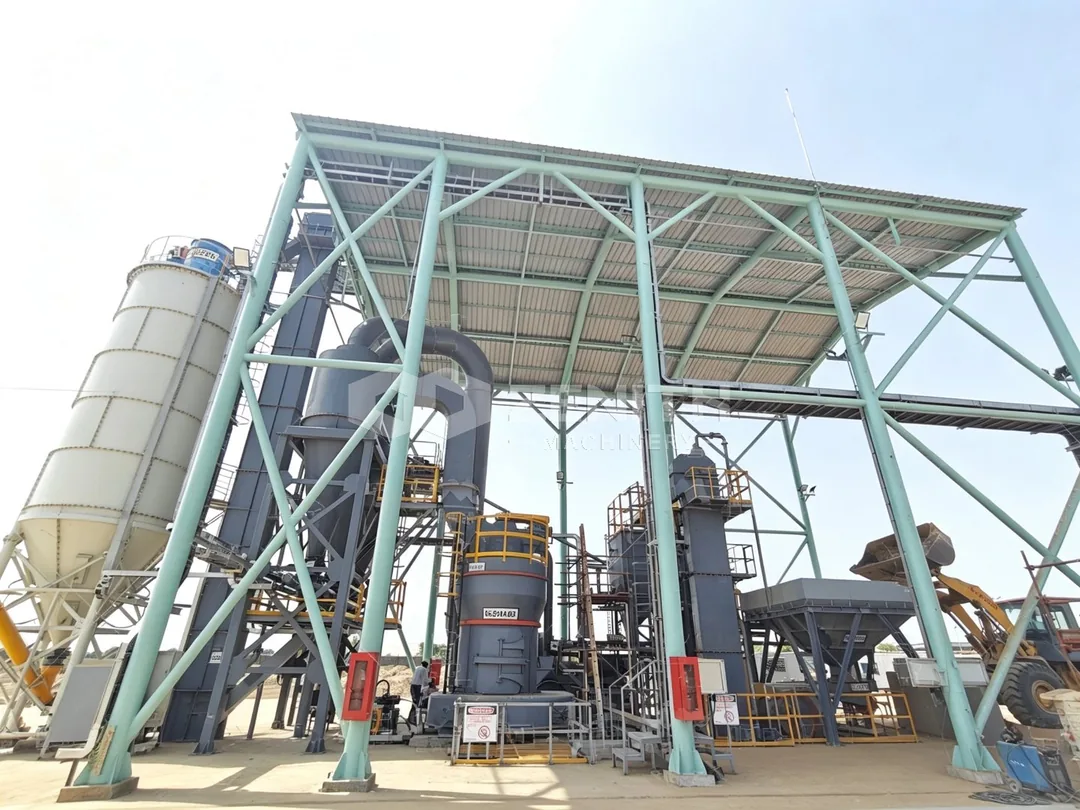
A paint plant may consume 2 tph of 800 mesh calcite, while a mineral powder supplier may need 20 tph of 325 mesh filler. The right answer is not always the largest mill. MTW and MTM cover medium fine grades with attractive capital cost. LM Vertical Grinding Mill suits large mineral powder plants with 80 to 400 mesh output, 3 to 340 tph capacity and high automation. Raymond Mill remains a cost-effective option for 10 to 325 mesh powder, with well-distributed fineness and 99% screening efficiency. Hammer Mill is better placed at the coarse end, producing 0 to 3 mm material for pre-processing. Ball mills can still be found in older lines, but for fine calcite fillers, vertical and trapezium mills usually offer a more compact and energy-efficient route.
_1792599969526.jpg)
Quality control should follow the powder from feed to finished silo. Check feed size, moisture and contamination. Monitor classifier speed, airflow and product fineness. Test whiteness, iron content and particle size distribution regularly. Use pulse dust collection and negative-pressure operation to protect the workplace and meet environmental standards. Zenith equipment carries ISO, CE and CU-TR certification, and the company serves customers in more than 180 countries with overseas offices in over 30 countries.
FAQ
Q1: What mesh calcite is used in paint and coatings?
Common grades range from 325 to 400 mesh for general fillers, 800 to 1250 mesh for higher-quality coatings, and 1250 to 2500 mesh for premium matting and ultrafine applications. The final choice depends on gloss, film thickness, PVC and dispersion requirements.
Q2: Which Zenith mill is best for 400 mesh calcite filler?
MTW or MTM European Trapezium Mills are practical for 80 to 400 mesh production. MTW offers flexible impeller adjustment and high induced air efficiency, while MTM is a stable, lower-investment option for established fine powder grades.
Q3: Can one mill produce both 800 mesh and 2500 mesh calcite?
A single mill can cover a wide range, but the best solution depends on the required top cut and capacity. LUM covers 325 to 2500 mesh, while XZM extends to 3250 mesh. For frequent grade changes, classifier control and powder handling design are important.
Q4: How do you protect whiteness and purity in calcite powder?
Control iron content, avoid contamination and use sealed negative-pressure systems with effective dust collection. LUM is designed to control product size, chemical composition and iron content, which helps preserve whiteness for coating fillers.
Q5: Is a vertical mill more energy-efficient than a ball mill for calcite?
For fine and ultrafine calcite, vertical and trapezium mills generally offer lower energy consumption and a more compact footprint. MTW and MTM are stated to use more than 60% less energy than a same-grade ball mill under ideal conditions.
For paint and coating applications, the right calcite grinding machine is the one that matches target fineness, capacity, whiteness and operational reliability. A trial test with representative feed material is always recommended before final equipment selection.