140th Canton Fair 2026 Wrap-Up: Five Days of Grinding and Crushing Enquiries at ZENITH Booth D20.1 L36
2026-10-21 13:25:00
The 140th China Import and Export Fair (Canton Fair) closed on 19 October 2026, and the five days at the ZENITH booth — Hall 20.1, Booth L36 — are now behind us. Looking back at the numbers of visitors, sample discussions and project enquiries we logged across the week, the fair confirmed what the grinding industry is currently working on: fewer general questions, and far more specific ones.
Instead of the broad "tell me about your mills" conversations of previous years, most visitors arrived with a material, a target fineness and a tonnage already written down. Those three numbers — feed size, mesh, capacity — were the starting point of almost every technical discussion we had at the booth.
The booth across the week
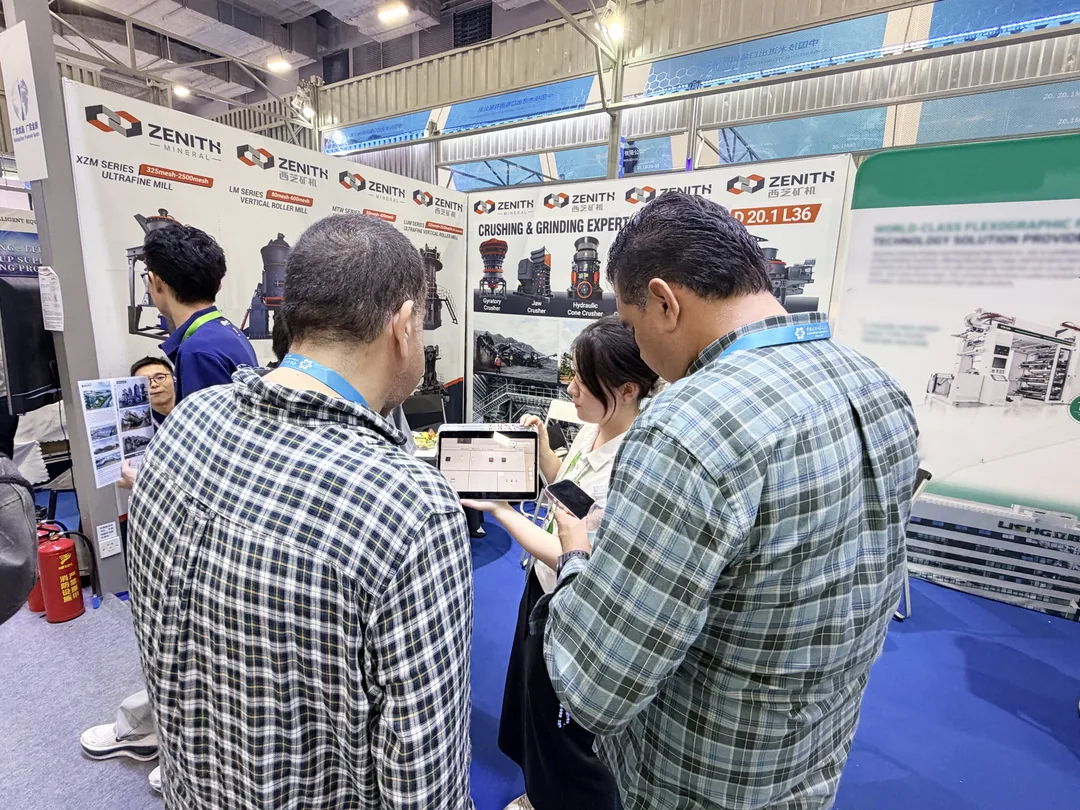
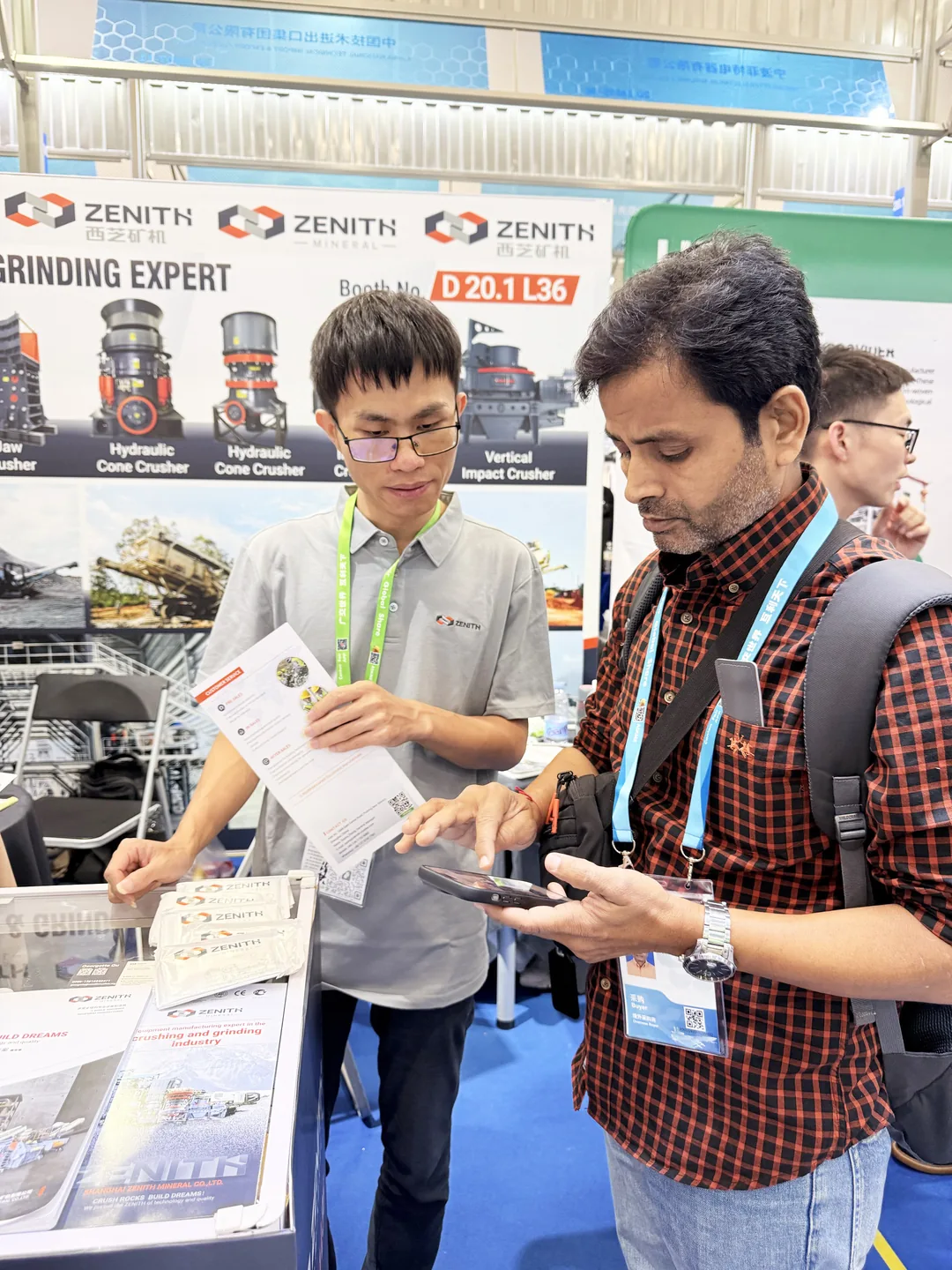
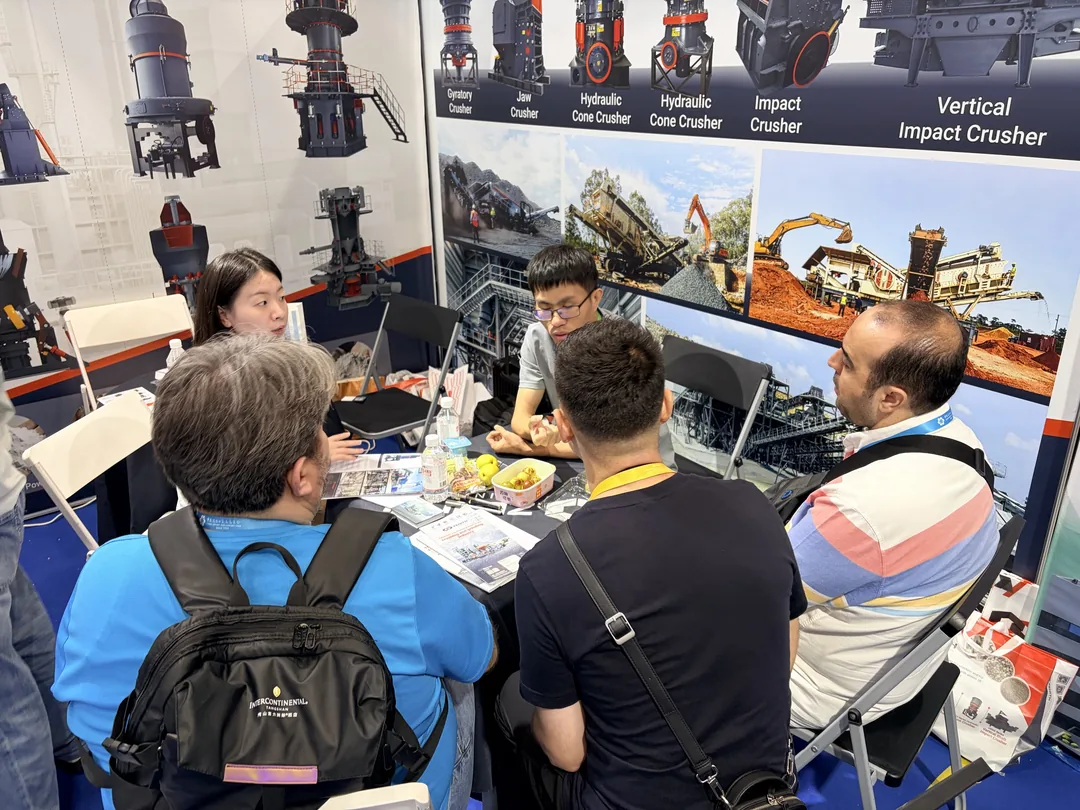
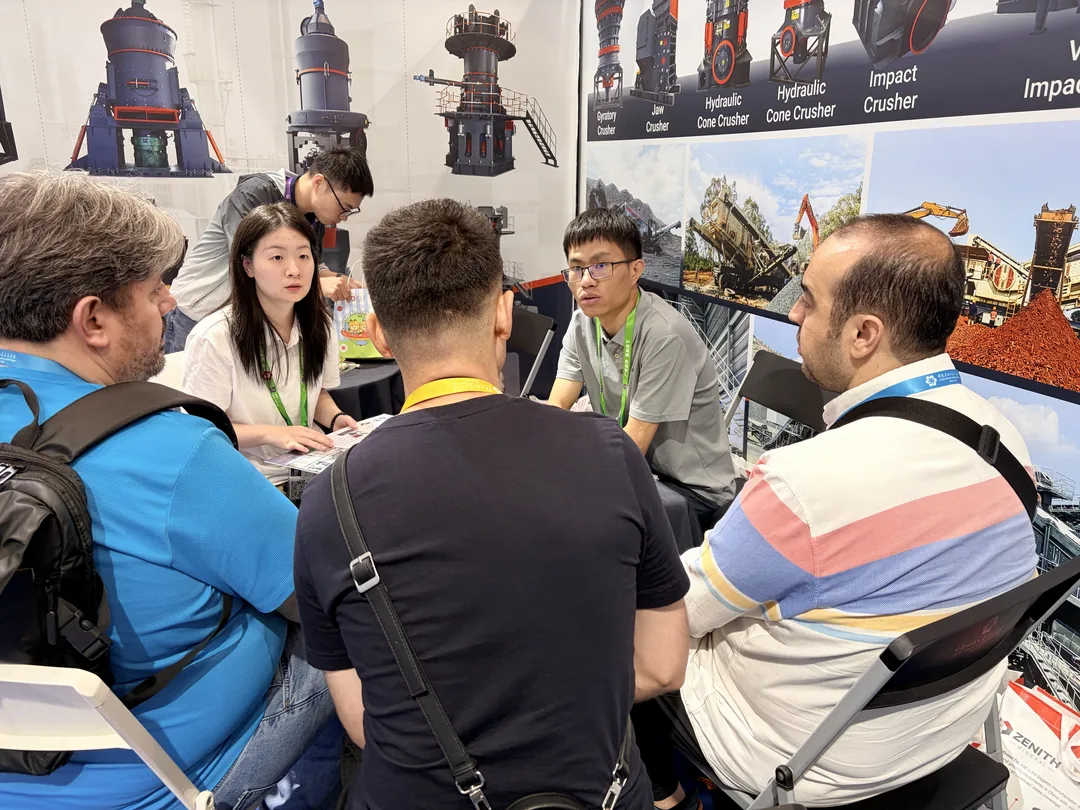
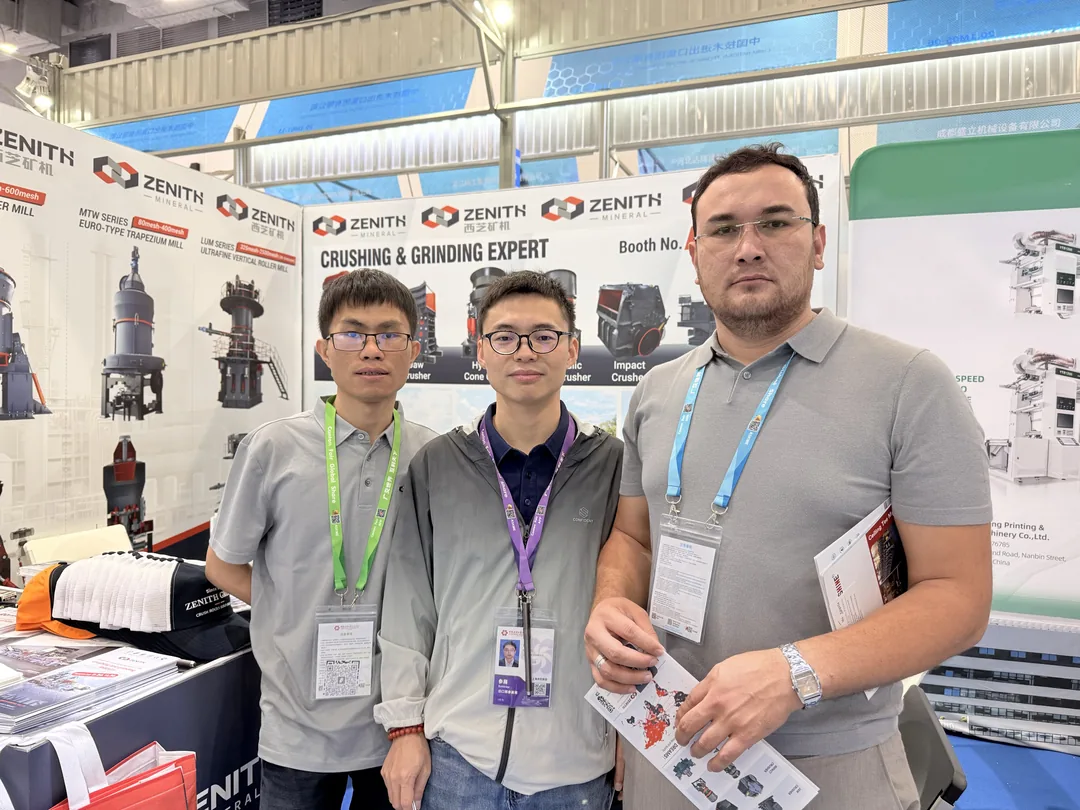
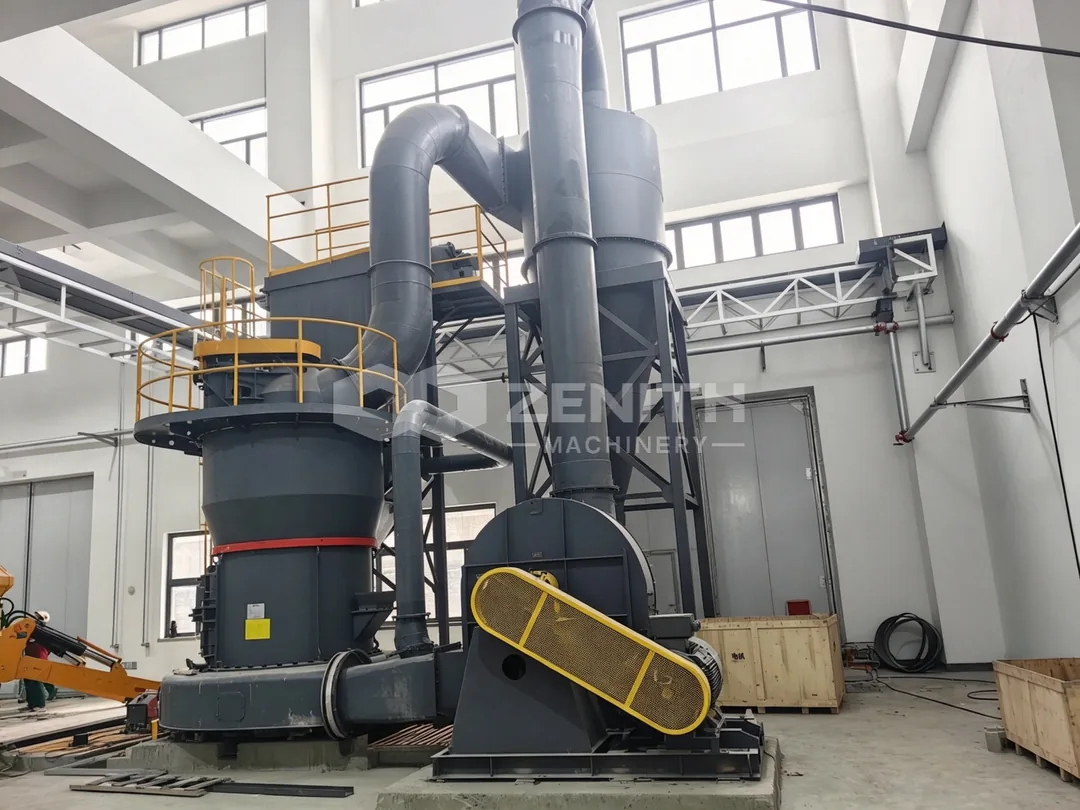
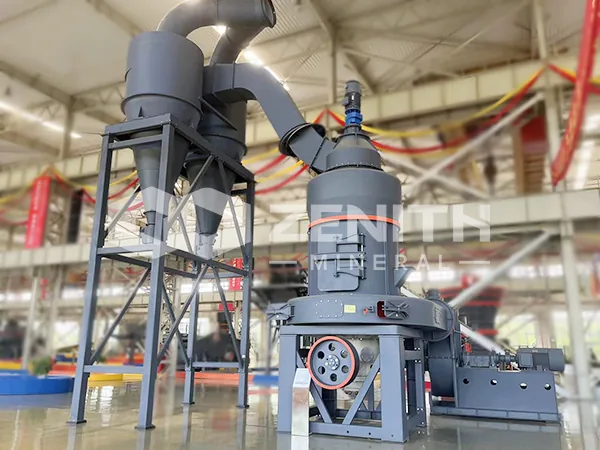
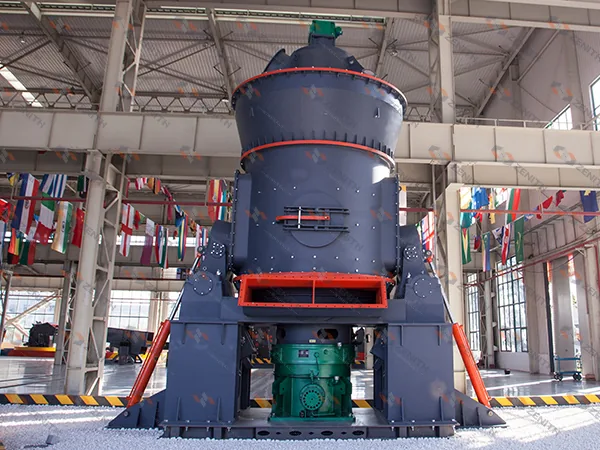
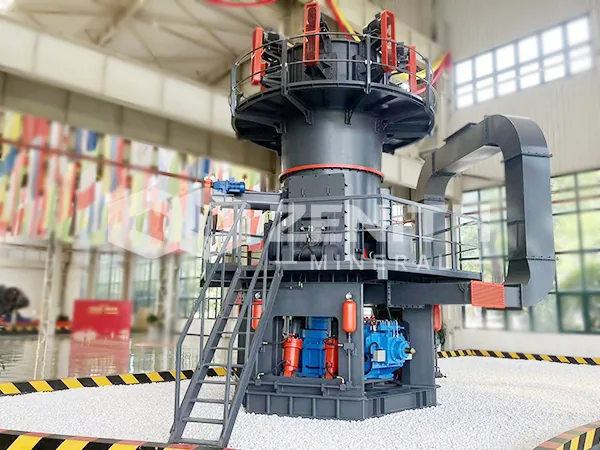
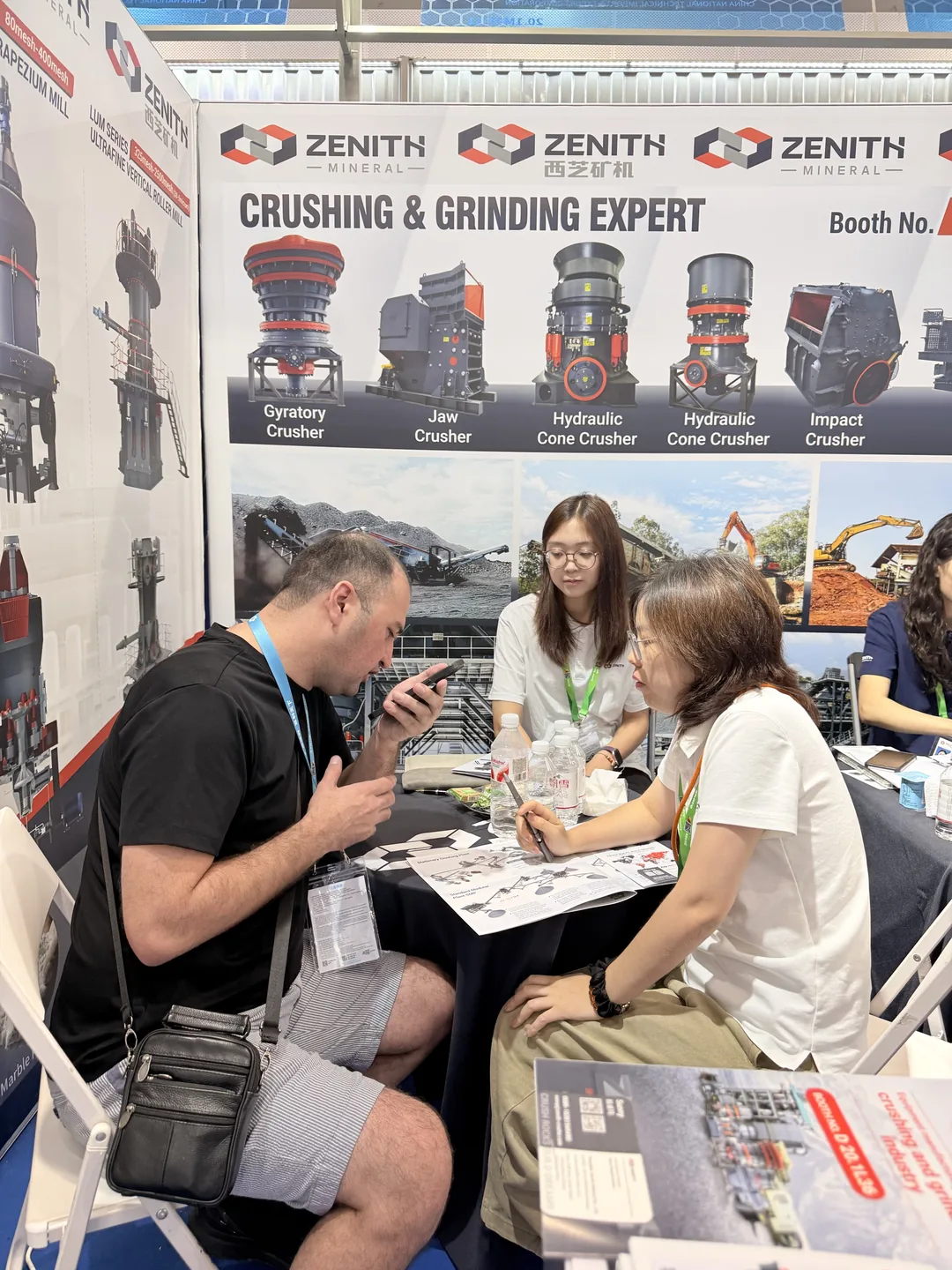
Standing at the D 20.1 L36 counter sign, our team worked the full five-day rotation of the fair, with engineering and commercial colleagues rotating through so that at least one technical conversation could always run in depth. The wall behind the counter carried the same four grinding models we have been promoting for the past year — XZM ultrafine mill, LM vertical roller mill, MTW Euro-type trapezium mill and LUM ultrafine vertical roller mill — alongside the crushing line, from gyratory and jaw through to hydraulic cone, impact and vertical impact crushers.
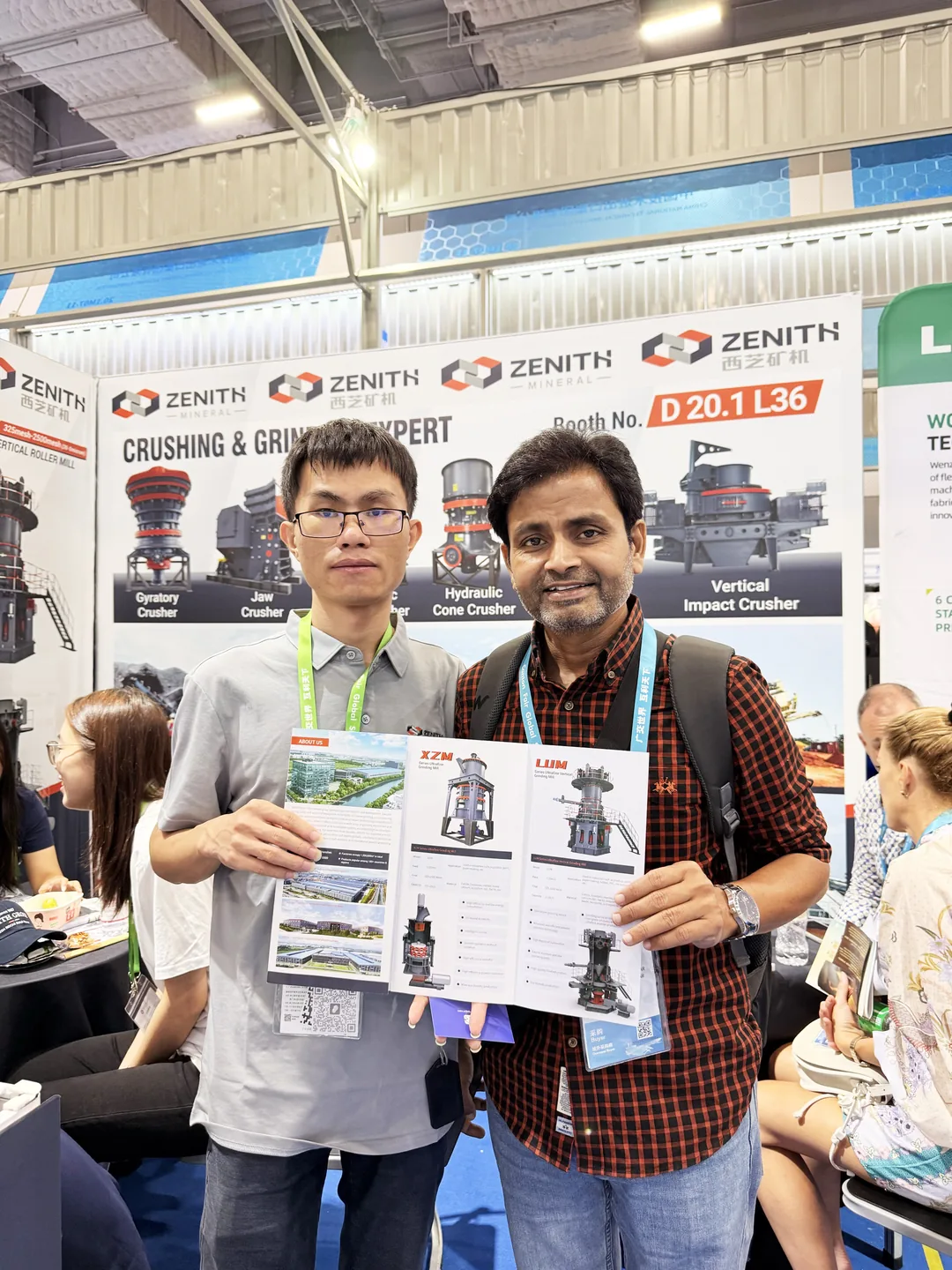
The product wall was never empty for long. Visitors frequently stopped at it first, then came to the counter to ask about the machine pictured next to the one they had already seen in operation at a plant of their own. Having the physical range of machines on one flat elevation — and the published fineness bands next to each — made it far easier to explain why one configuration suits a limestone project and another suits a talcum or quartz line.
What visitors actually asked about
Recapping the week, the questions clustered into a fairly predictable set of themes:
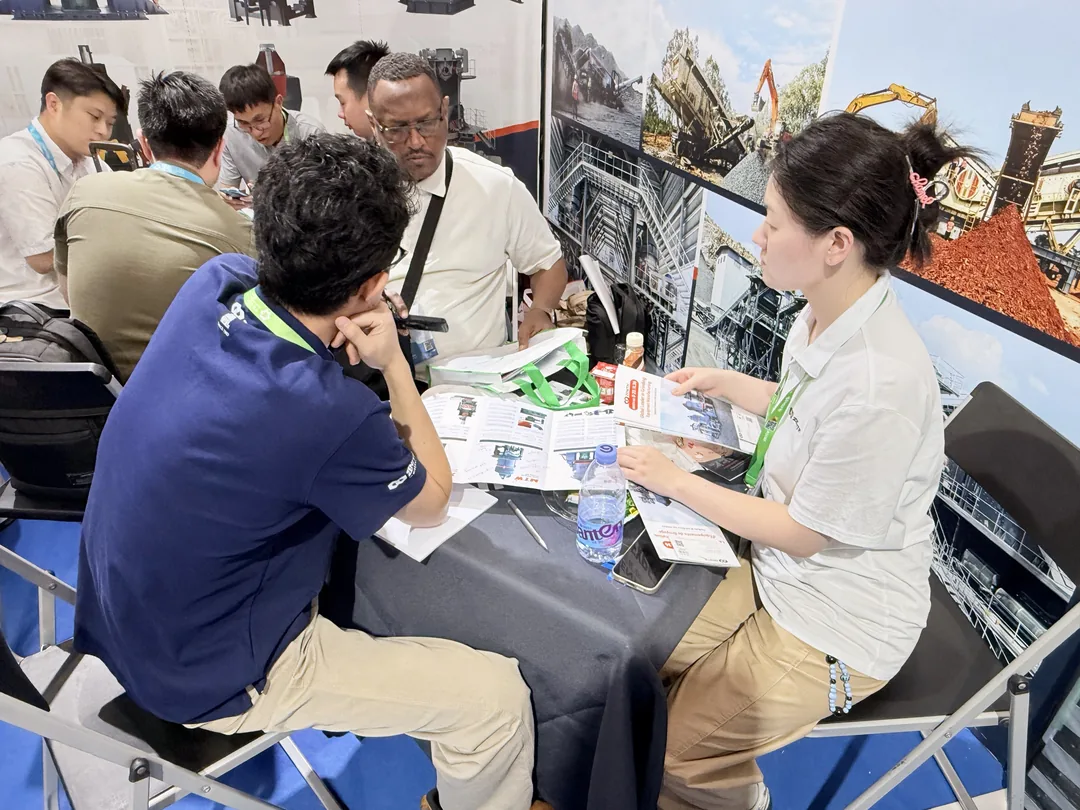
Feed size and output together. Buyers wanted to know what throughput a given mill configuration holds at their actual feed, not at a catalogue maximum. Several visitors compared our nameplate capacity against a machine they were already operating, which made for a useful and very honest technical discussion.
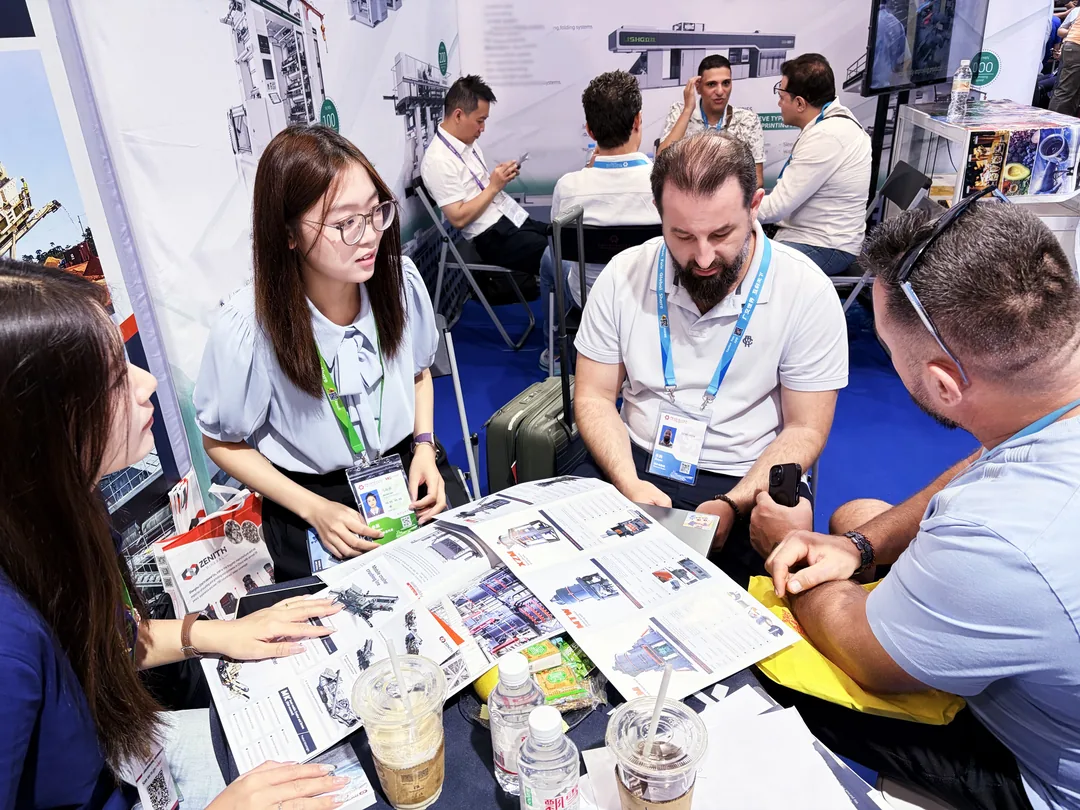
Fineness, expressed in mesh and D90. Many projects now specify D90 rather than a single mesh figure. We walked through how our published mesh ranges translate into a D90 curve on a given material, and where a customer needs a finer grind than the standard configuration delivers.
Abrasive wear on hard rock. For granite, basalt and similar abrasive feed, the conversation usually turned to liners, drive arrangement and how service intervals look at the customer's duty cycle. Material samples brought to the booth were the most convincing part of these conversations — several visitors poured their own powder onto the sample boards and compared it side by side.
Whole-line versus single machine. A noticeable share of enquiries were for a complete crushing-to-grinding circuit rather than one mill. The crushing product wall drew its own steady traffic for this reason.
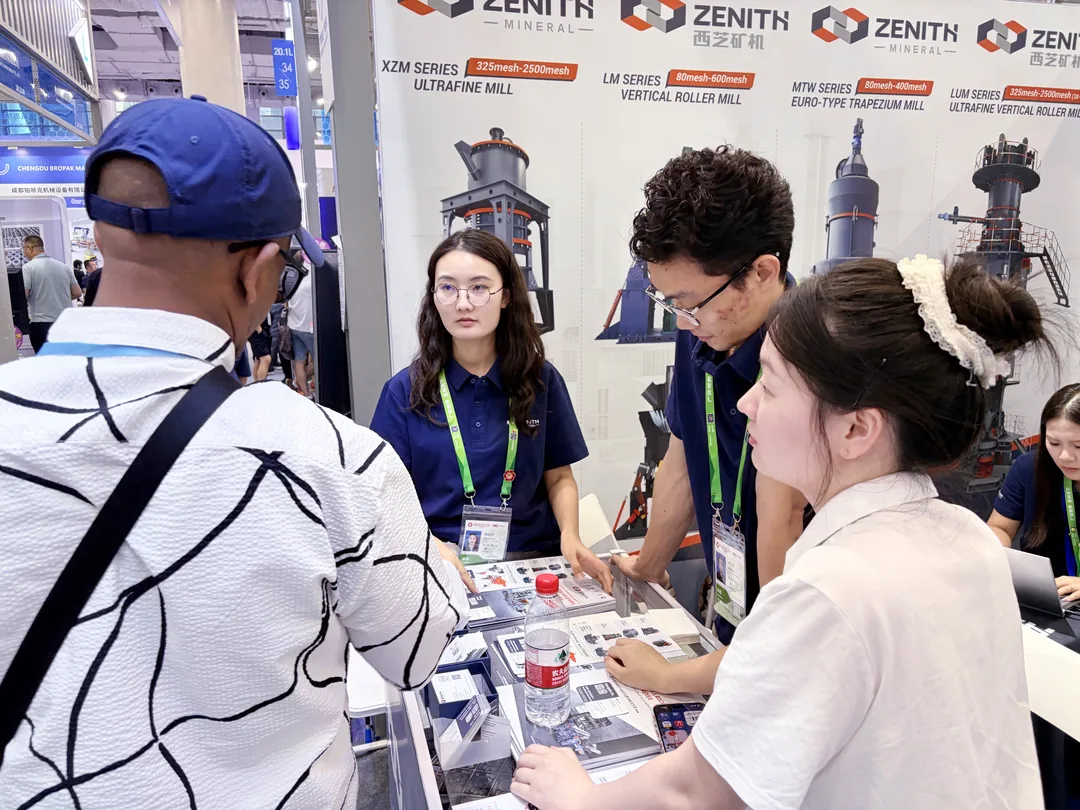
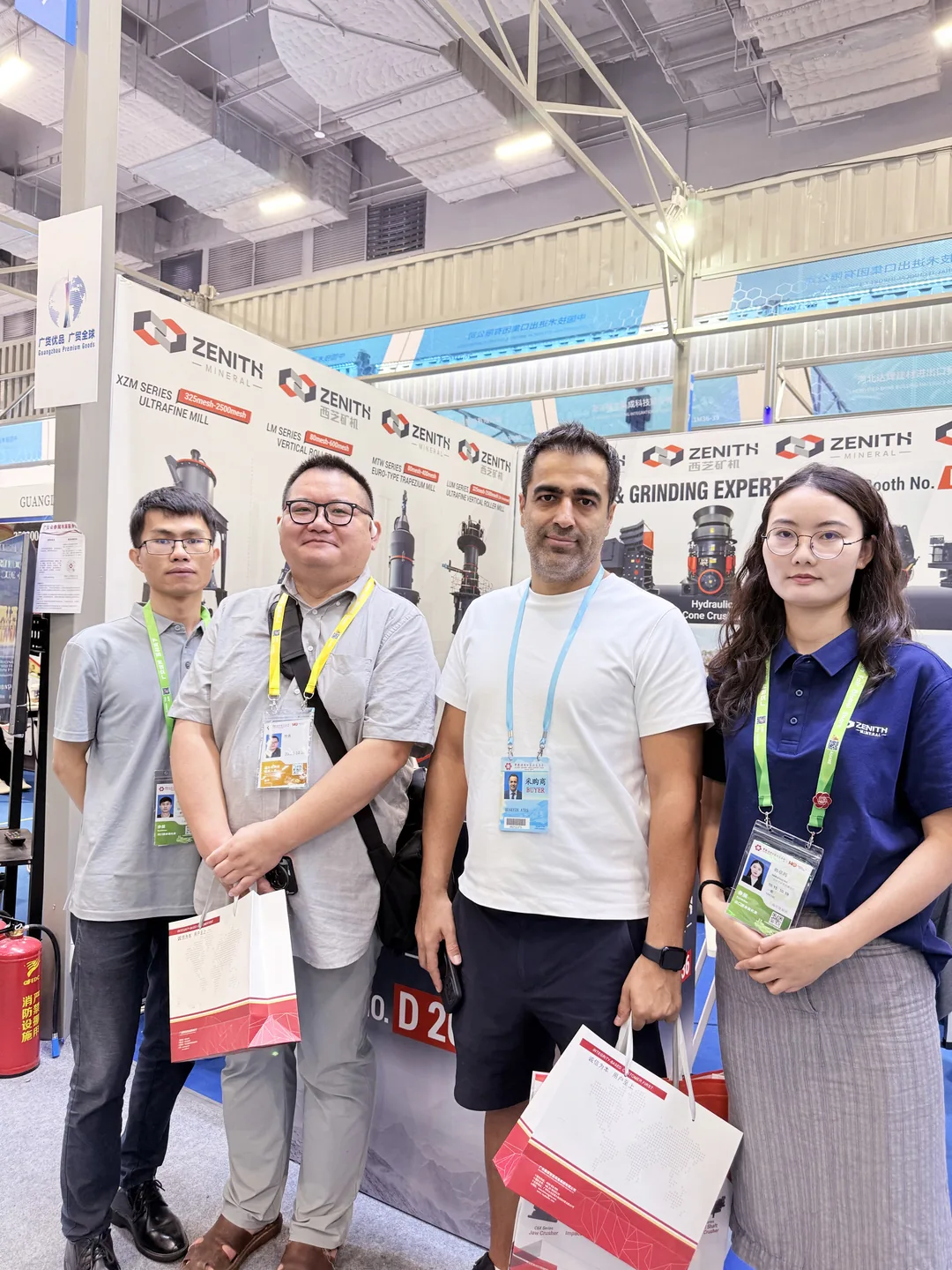
Delivery and commissioning. With buyers from Southeast Asia, South America, the Middle East and Africa in the booth, lead time and commissioning support came up repeatedly, as did the practical question of spare parts supply once a line is running in a remote location.
Sample boards and printed material
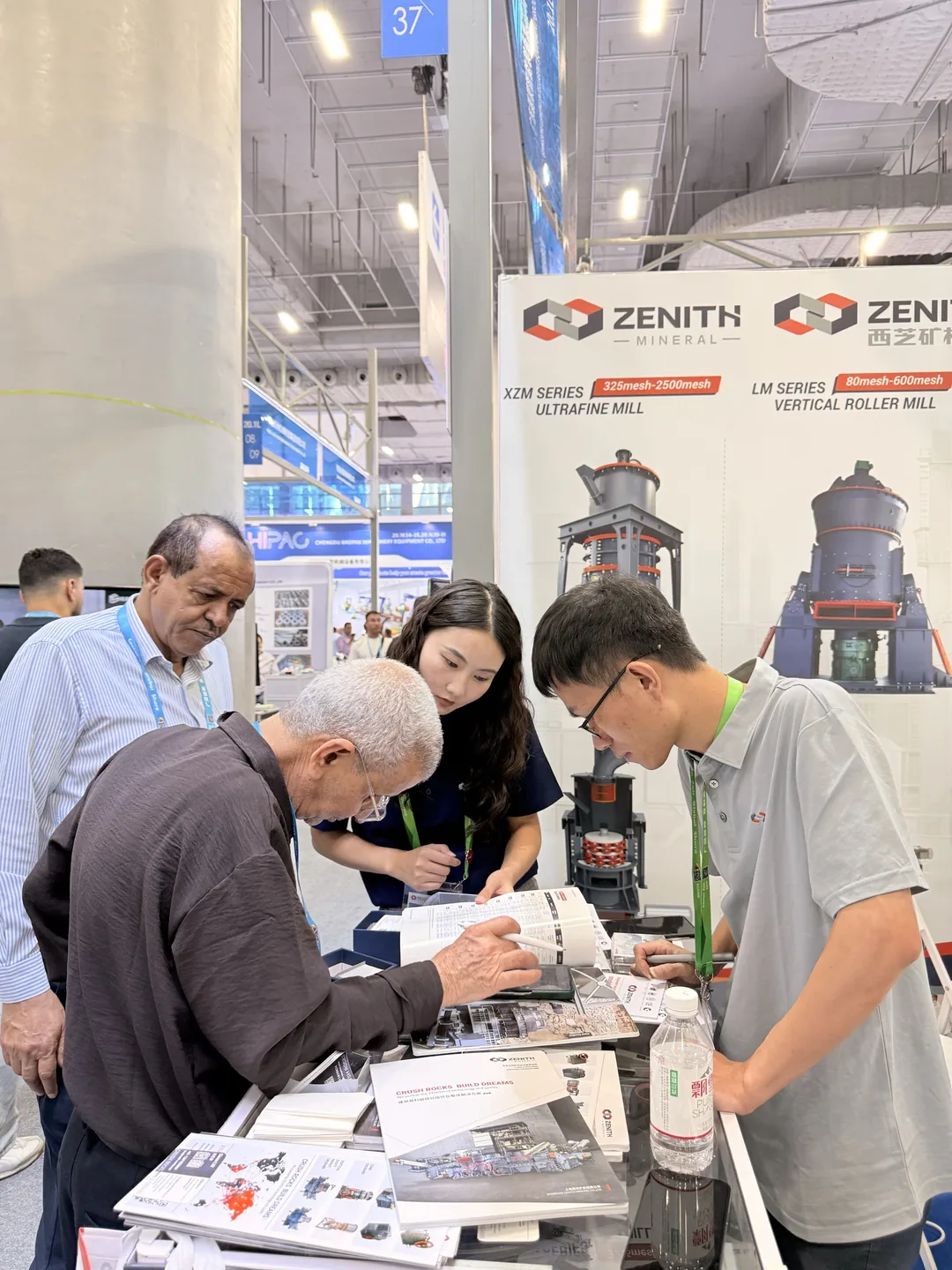
The sample boards drew as much attention as the machines. Visitors handled finished powders directly — among them talcum, limestone, quartz and various fillers — and used them to judge whether our grind matched what they were buying elsewhere. The single-page sheets for the LM and MTW series, the grinding and crushing industry brochure and the Spanish- and Portuguese-language catalogues all went home with visitors in their bags.
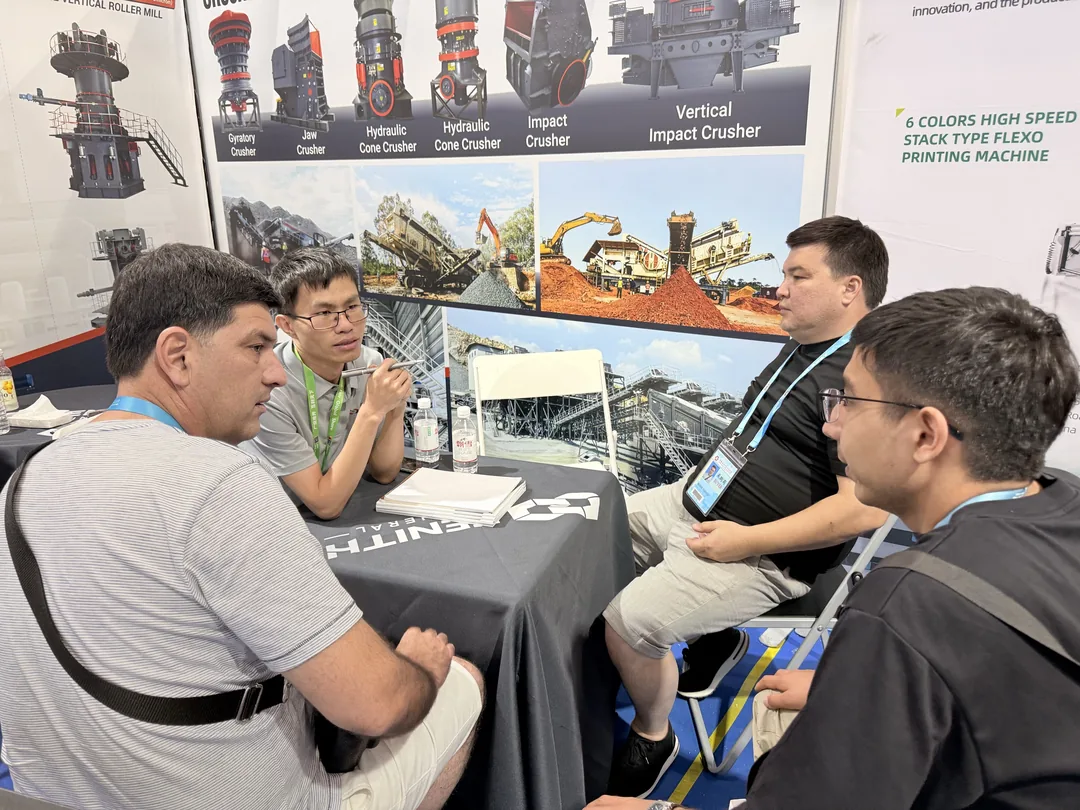
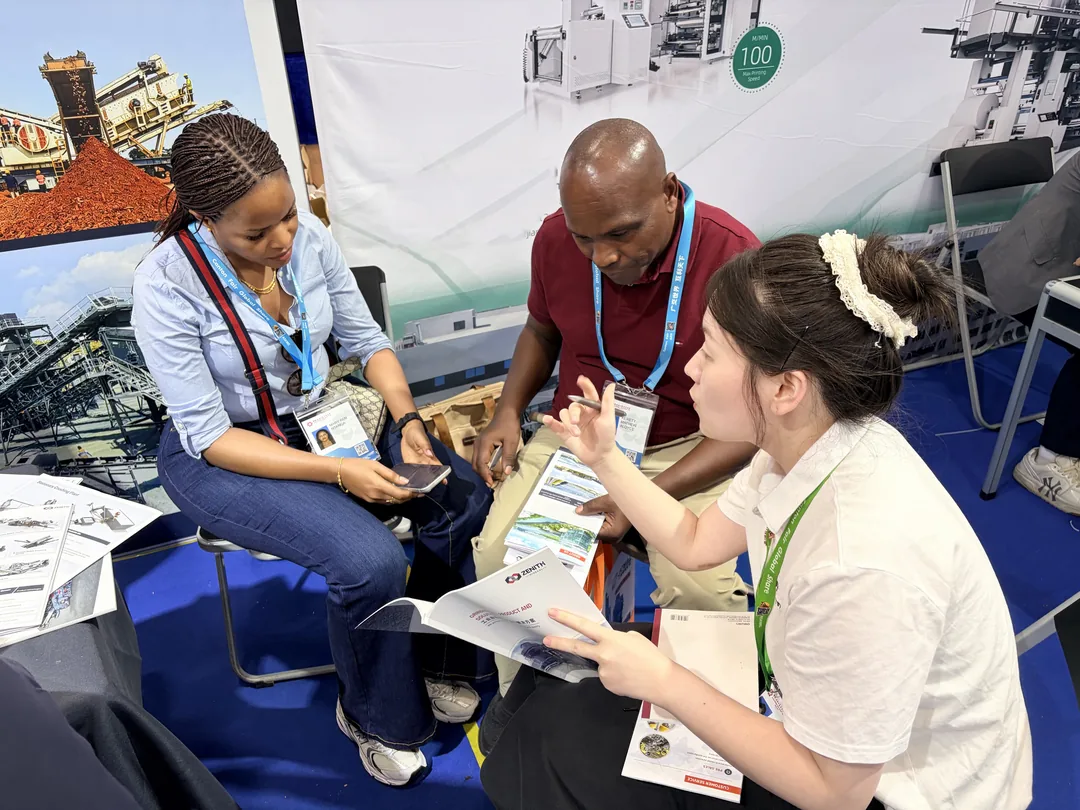
The Spanish- and Portuguese-language literature drew particular interest from South American visitors, who noted that having the range documented in their own language saved them a translation step before they could even start comparing specifications.
Thank you, and what happens next
A trade fair week compresses what would otherwise be months of email into a few conversations, but it is only the start. Every project specification discussed at the booth has been logged with our sales engineers, and the ones where we still need material analysis or a clarification from the customer are already in follow-up.
To everyone who stopped by D 20.1 L36 during the 140th Canton Fair — thank you for the conversations, and for the samples you left with us. If you would like to follow up on any specification discussed at the booth, or send us your material for a grinding test, please contact ZENITH and our technical team will get back to you.