Pyrolysis carbon black grinding equipment for high fineness powder
2026-10-14 00:27:18
Pyrolysis carbon black, also called recovered carbon black (rCB), is a valuable output of scrap tire pyrolysis. It is now sold into rubber, plastics, inks, and coatings. But the material must be milled to a consistent, high-fineness powder with controlled ash, moisture, and iron. The right grinding equipment decides whether the product is salable or simply difficult dust.
Why high-fineness grinding is challenging
rCB is not a uniform mineral. It contains residual hydrocarbons, moisture, ash, and sometimes wire or sand. These traits make it sticky, abrasive, and heat-sensitive. Wet or oily feed can choke a mill; dry fine dust can create safety and environmental issues. High-fineness targets also demand sharp classification. A 325 mesh product is forgiving, but 1250 mesh, 2500 mesh, or 3250 mesh powder requires stable airflow, precise rotor speed, and effective dust collection.
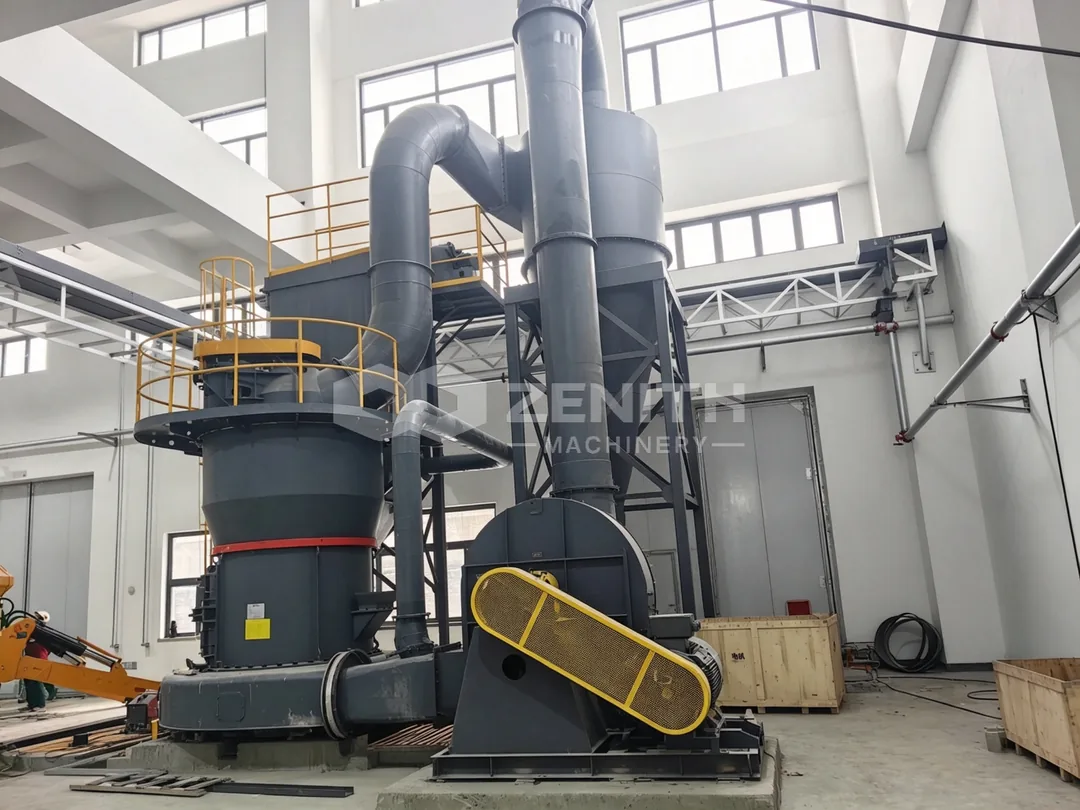
Most successful projects combine pre-grinding, drying, de-ironing, fine grinding, ultrafine grinding, and classification. The goal is to liberate carbon black particles without overheating them or introducing metallic wear that damages purity.
Equipment options for fine and ultrafine rCB powder
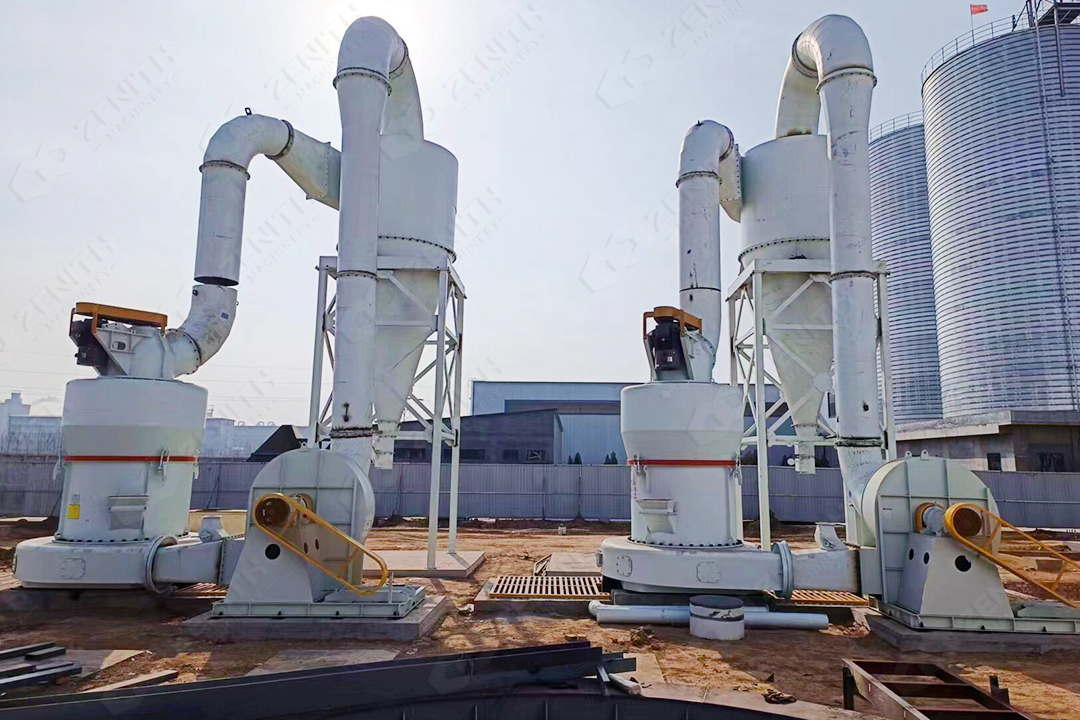
MTW and MTM European Trapezium Mills
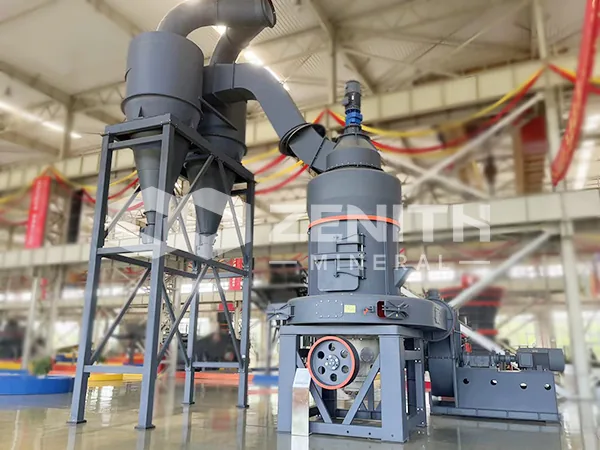
For 80–400 mesh fine powder, the MTW European Trapezium Mill is a practical workhorse. It accepts feed up to 35 mm and delivers 30–325 mesh product, with capacities of 3–22 T/H. Its modular impeller adjustment changes fineness simply by changing impellers. The high-efficiency impeller fan raises air induction efficiency from 62% to 85%. Compared with a same-grade ball mill, energy consumption can be more than 60% lower. The MTM series offers similar stability for 80–400 mesh and has been used for decades. Both suit rCB grades for rubber, paint, and wall putty.
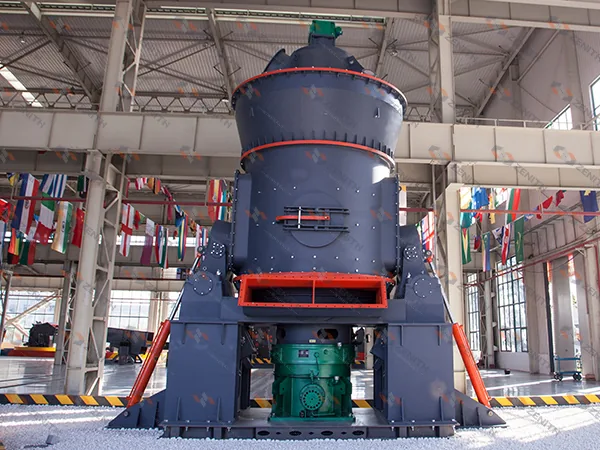
LM Vertical Grinding Mill
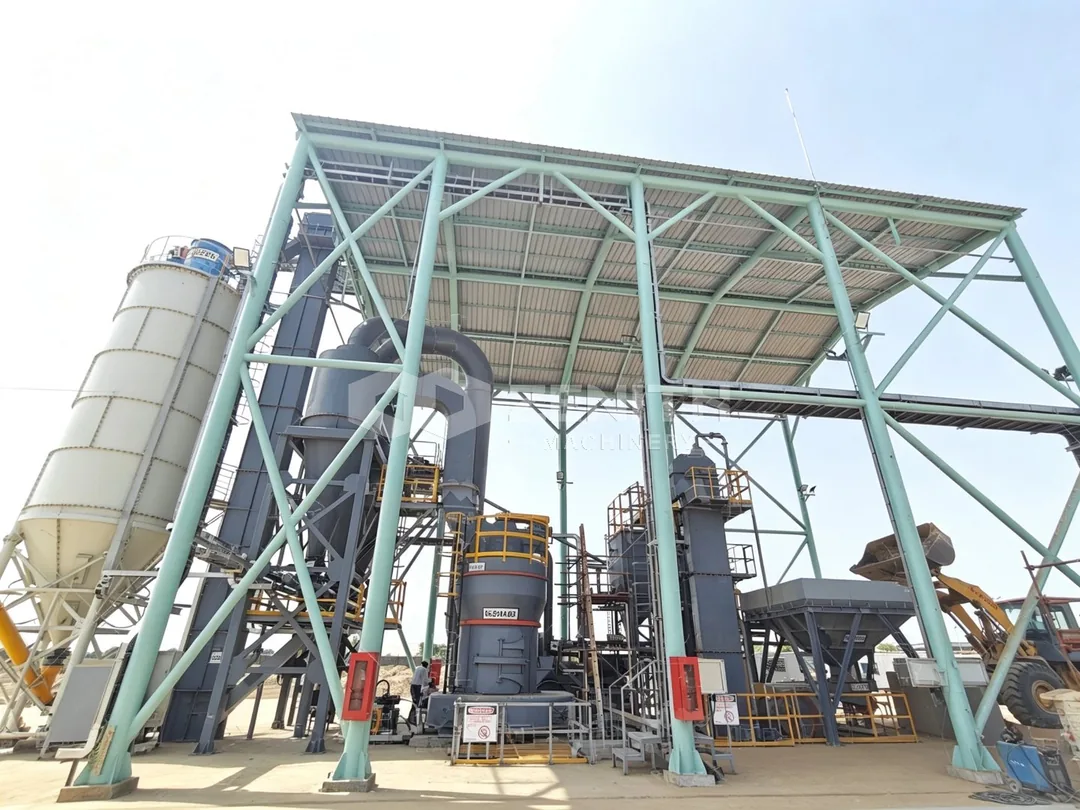
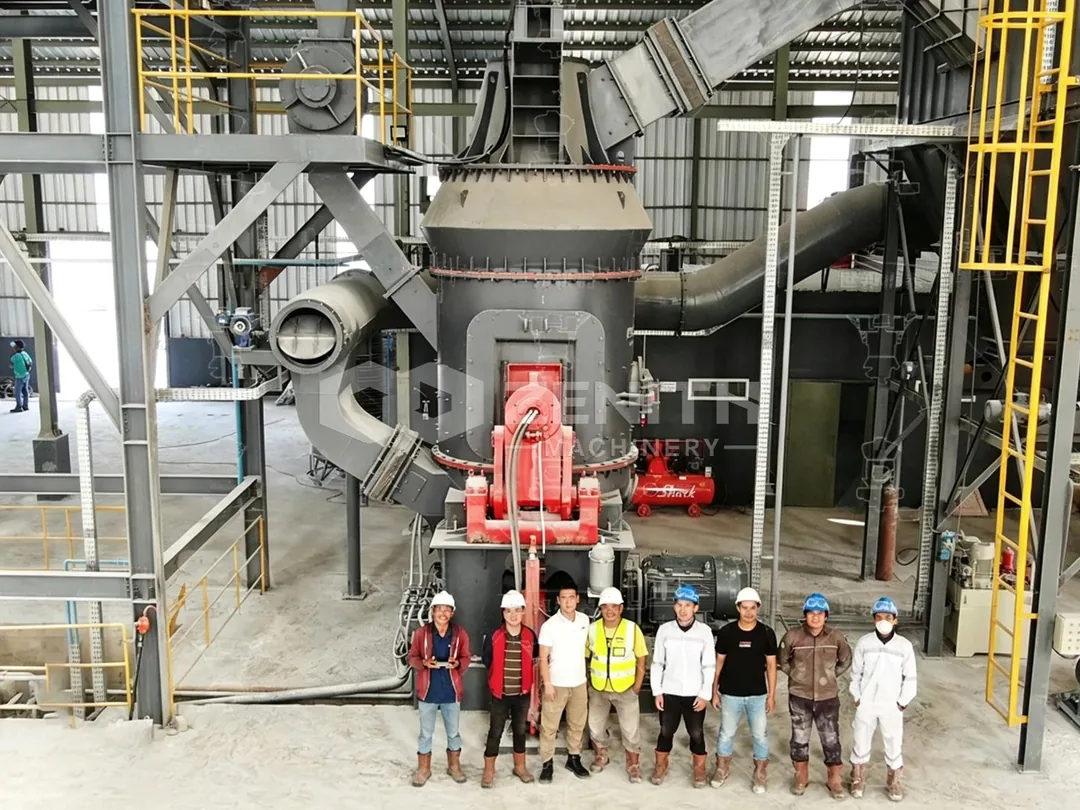
When capacity and continuous operation matter, the LM Vertical Grinding Mill is a strong candidate. It runs 24 hours a day and produces 80–400 mesh powder at 3–340 T/H. Its compact design covers about 50% of a ball mill system and can be arranged in the open air. It controls product size, chemical composition, and iron content, protecting rCB purity. The mill is sealed and operates under negative pressure, so dust spillover, vibration, and noise are low. Automatic control allows remote or local operation and reduces labor cost.
_1791908838373.jpg)
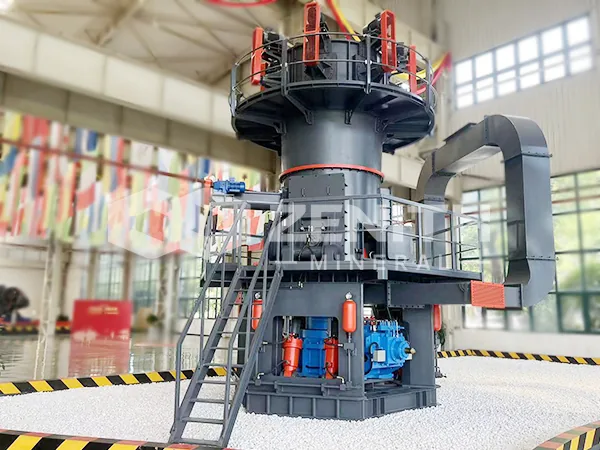
LUM Ultrafine Vertical Grinding Mill
For high-fineness powder, the LUM Ultrafine Vertical Grinding Mill is a premium option. It integrates grinding, separation, and transportation. It accepts feed up to 10 mm and produces 325–2500 mesh powder at 5–18 T/H. LUM uses Taiwan grinding roller technology and German powder separating technology. It accurately controls grinding pressure and speed, reducing energy consumption by 30%–50% versus ordinary mills. The reversible structure and hydraulic adjustment system make roller and liner replacement faster. Iron impurities fall into the lower cavity and are scraped out.
XZM Ultrafine Grinding Mill
If the target is micro powder, the XZM Ultrafine Grinding Mill deserves attention. It handles 0–20 mm feed and produces 325–3250 mesh powder at 0.5–25 T/H. Its classifier uses a VFD, so rotary speed can be adjusted from the control panel. It can reach D97 below 5 microns in one pass. The grinding chamber has no rolling bearings or screws, avoiding seal failure and screw loosening risks. Compared with air-flow mills and stirring mills, XZM is reported to be 40% higher in efficiency and 70% lower in energy consumption when making the same powder.
Raymond, Hammer, LM-Y, and Ball Mills
Raymond mills remain useful for 10–325 mesh production, with 99% screening efficiency and intelligent control. Hammer mills and LM-Y vertical pre-grinding mills are better placed before fine grinding. HM hammer mills produce 0–3 mm coarse powder at 3–50 T/H, while LM-Y mills prepare material below 5 mm at 6–330 T/H. Ball mills can grind many materials and allow dry or wet processing, but they are usually less efficient for ultrafine rCB. They are better for coarse grinding, mixing, or special cases. Mining ball mills offer 0.5–300 T/H capacity and output down to 74–800 μm, but for 1250–3250 mesh powder, vertical and ultrafine mills are more energy-efficient.
Recommended processing flow
- Feed preparation: remove metal, fiber, and oversized debris.
- Drying: reduce moisture and volatile content to stabilize milling.
- Pre-grinding: use HM or LM-Y to reduce material to below 3–5 mm.
- Fine grinding: use MTW, MTM, or LM for 80–400 mesh product.
- Ultrafine grinding: use LUM or XZM for 325–3250 mesh powder.
- Classification and collection: close the loop with cyclones, pulse dust collectors, and negative pressure.
_1791908838375.jpg)
Fineness selection and quality control
Fineness should follow the end use. Rubber and tire applications often accept 200–400 mesh. Coatings, plastics, and inks may require 800–1250 mesh. High-performance conductive or battery-related applications can demand 1250–3250 mesh. At every level, ash, moisture, oil residue, and iron must be controlled. A sealed negative-pressure system with pulse dust collection protects workers and the environment. ZENITH equipment has ISO, CE, and CU-TR certification, and its network covers more than 180 countries, with overseas offices in over 30 countries.
FAQ
1. What fineness can pyrolysis carbon black achieve?
With XZM ultrafine mills, 325–3250 mesh is possible, including D97 below 5 microns. LUM mills can reach 325–2500 mesh. MTW and LM mills typically cover 80–400 mesh.
2. Which mill is best for high-fineness rCB powder?
LUM is ideal for 325–2500 mesh with good purity control. XZM is better for the finest micro powder up to 3250 mesh. The choice depends on capacity, feed size, and target particle distribution.
3. Can the equipment handle residual oil and moisture?
Yes, but pre-drying and stable feed preparation are recommended. Negative-pressure operation, pulse dust collection, and controlled air volume help prevent clogging and dust emissions.
4. How is iron contamination controlled?
Use wear-resistant linings, magnetic separation, and mills with iron discharge features. LUM, for example, allows iron impurities to fall into the lower cavity and be scraped out.
5. What capacity can a high-fineness line reach?
XZM offers 0.5–25 T/H, LUM offers 5–18 T/H, and LM can reach up to 340 T/H for coarser powder. Capacity drops as fineness increases.