Australia medium quartz mill zenith mtw110 11t/h 325mesh glass powder
2026-09-13 00:27:25
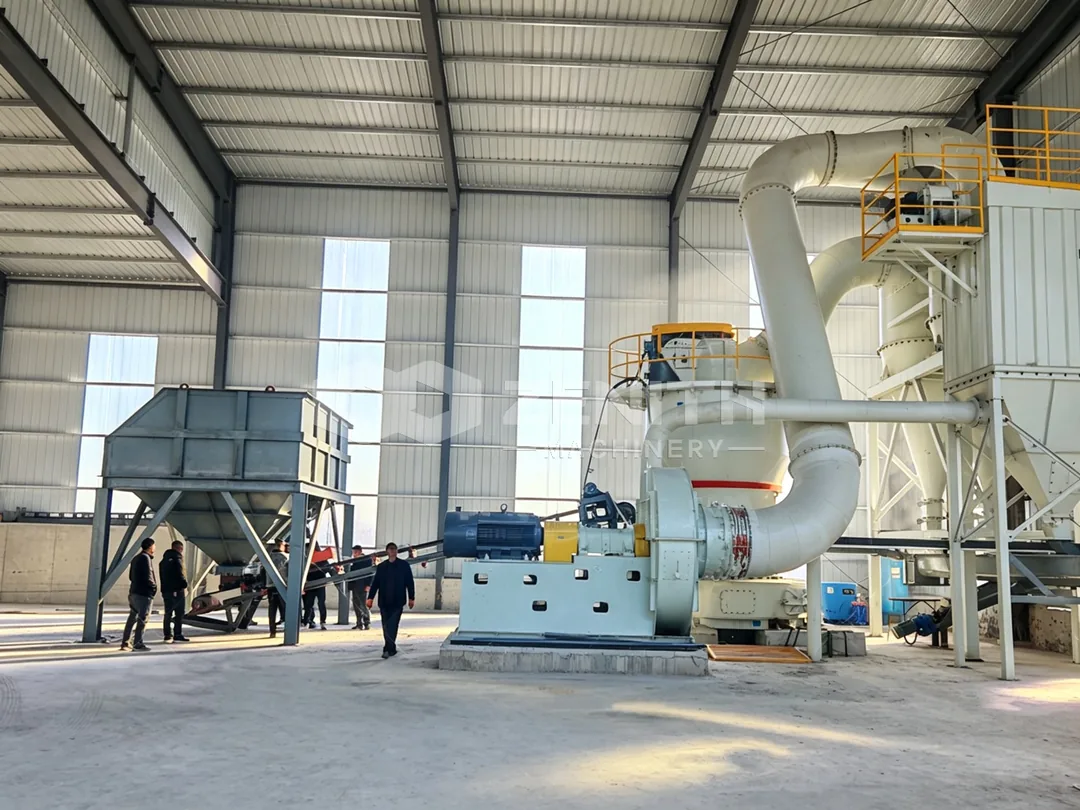
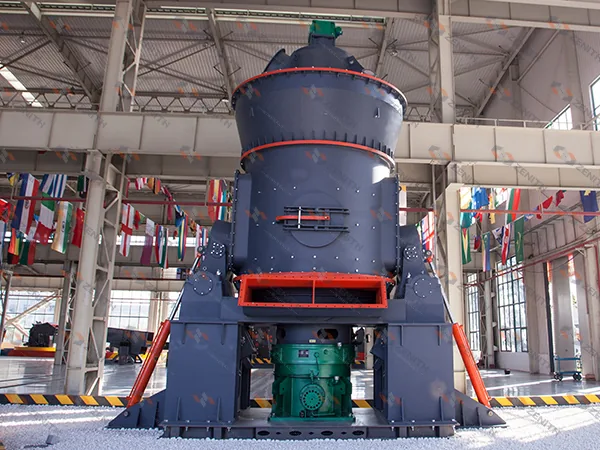
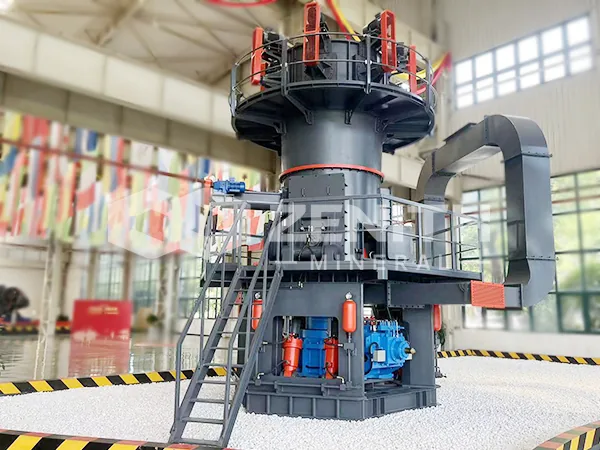
For Australian processors planning a medium-capacity quartz grinding line, the Zenith MTW110 European Trapezium Mill is a practical option. The target is specific: about 11 t/h of quartz powder at 325 mesh for glass-related applications. That combination of medium throughput, fine product, and stable operation fits many glass powder, filler, and specialty silica projects. It is not the largest mill available, but it can be the right size when power, labor, dust control, and product consistency matter more than raw tonnage.
_1789230445486.webp)
Quartz is abrasive, relatively hard, and unforgiving if the grinding circuit is poorly matched. A 325 mesh product is usually around 44 microns. Glass powder specifications often care as much about particle size distribution, iron content, and consistency as they do about top size. A mill that surges or overheats can create variation that appears later in melting, batch mixing, or downstream processing. The MTW110 should therefore be evaluated as part of a complete system: feed preparation, controlled feeding, grinding, classification, collection, and dust filtration.
Where the MTW110 fits in a quartz glass powder line
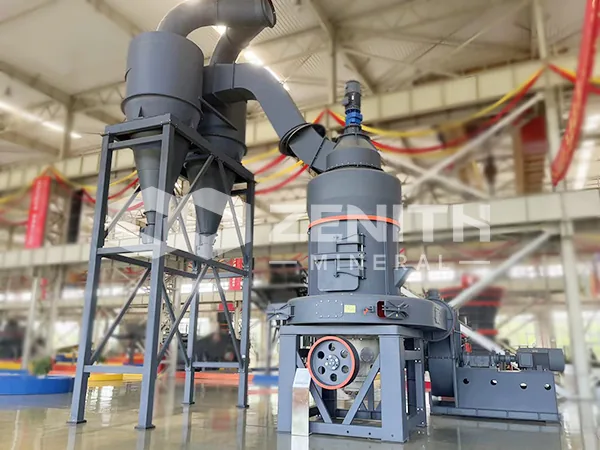
MTW series trapezium mills are designed for fine powder production in the 30–325 mesh range. The MTW110 sits within Zenith’s MTW family, and under suitable conditions it can target around 11 t/h at 325 mesh. Actual capacity depends on quartz hardness, feed size, moisture, desired residue on the sieve, and the fineness consistency required. The series accepts input material up to 0–35 mm, but a quartz plant should pre-crush and screen feed to a stable size before it enters the mill. A variable frequency belt feeder then delivers material at a controlled rate, which helps keep the grinding chamber load steady.
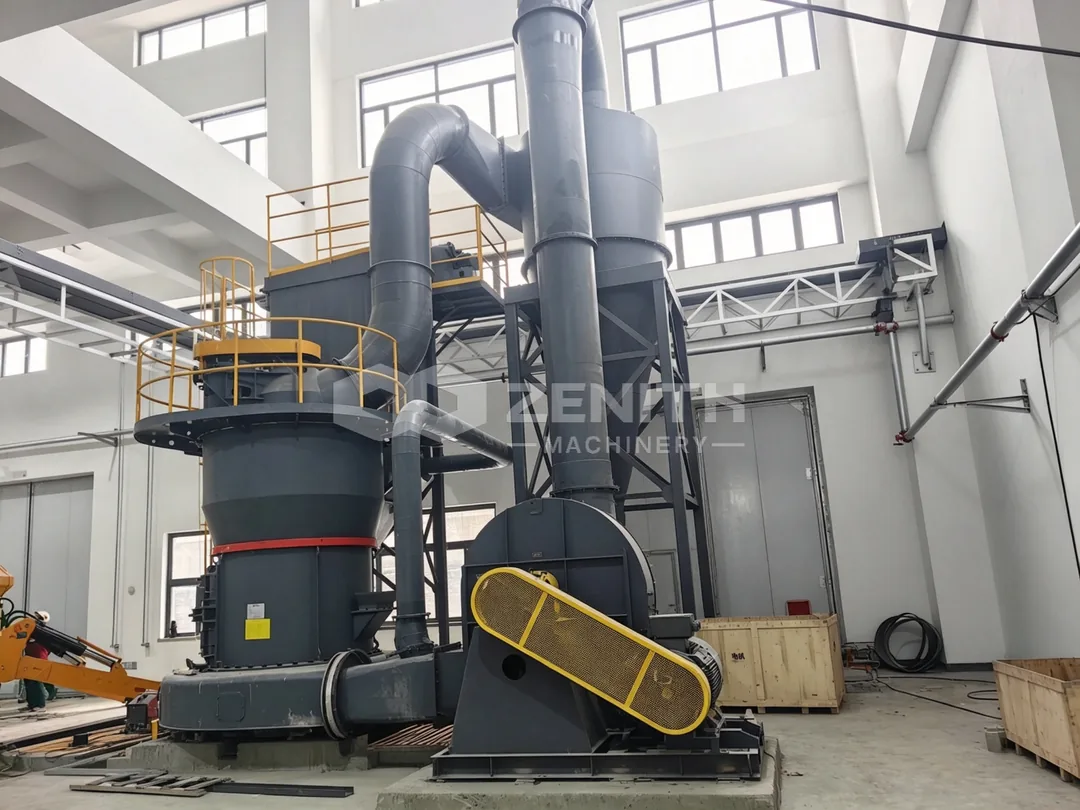
Inside the mill, material is fed into the grinding chamber and processed between the grinding rollers and ring. Airflow from the fan carries ground material up to the classifier. Fine particles that meet the 325 mesh target pass into the cyclone powder collector as finished product, while coarse particles fall back for re-grinding. The system operates under positive and negative pressure conditions and is paired with a pulse dust collector to meet environmental standards. For Australian operations, this closed-loop arrangement helps address dust, housekeeping, and workplace exposure requirements.
_1789230445488.jpg)
Why medium capacity can be the smart choice
Australia’s industrial power costs and remote site logistics often make energy efficiency a deciding factor. MTW mills are reported to consume more than 60% less energy than a ball mill of comparable duty under ideal working conditions. A ball mill may still have a place in certain circuits, but for a medium quartz powder project, the MTW110 can reduce installed power, foundation work, and building requirements.
Fineness adjustment is another practical advantage. The MTW series uses a modular impeller adjustment device, so different product fineness can be achieved by changing impellers rather than rebuilding the whole classification system. The high-efficiency impeller fan improves air induction efficiency from around 62% to 85%, supporting stable conveying and classification.
_1789230445490.jpg)
Operating notes for quartz
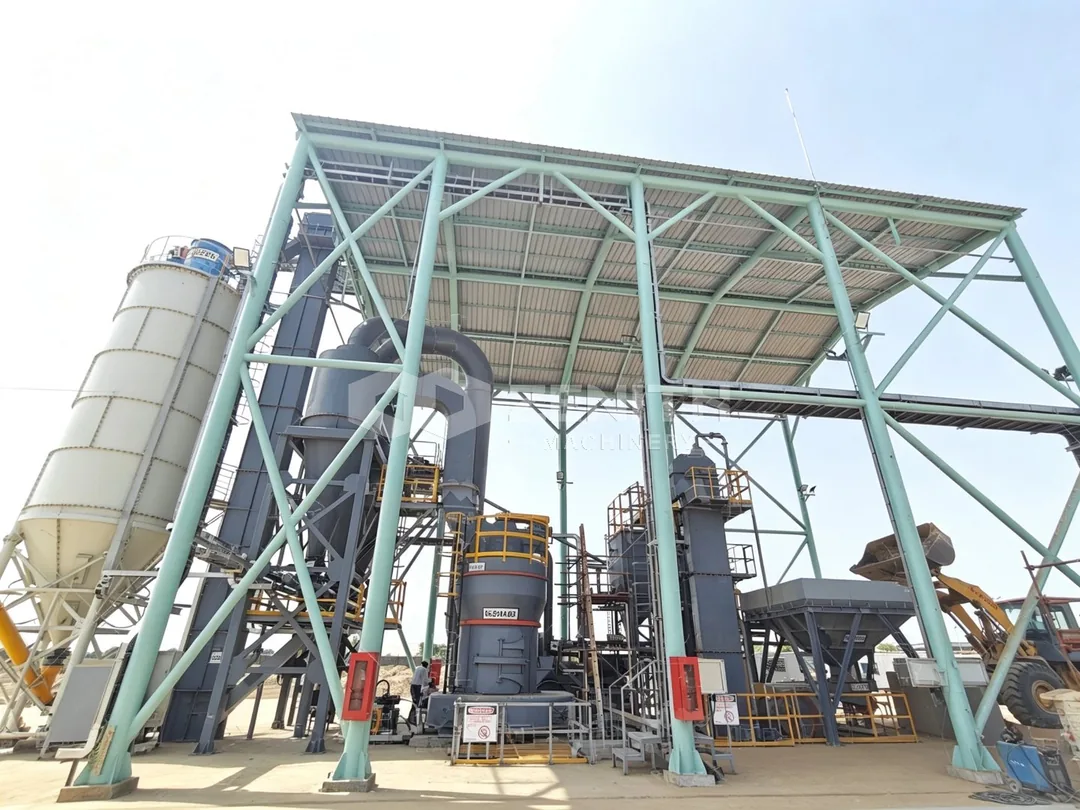
Quartz will wear grinding parts, so maintenance planning should be realistic. Rollers, ring segments, classifier blades, and liners should be inspected on a scheduled basis. High-quality wear materials are not optional in abrasive service; they are part of the cost model. Feed moisture should also be controlled. Damp quartz can cause sticking, reduced airflow, and inconsistent classification, especially when fine grinding at 325 mesh. A dry, stable feed with minimal fines before the mill usually gives the best results.
For glass powder, iron contamination deserves attention. Wear debris and external handling can affect whiteness and chemical purity. The circuit should include appropriate magnetic separation or iron removal where the specification demands it, and sample points should be placed after classification and collection. A 325 mesh product should be tested not only for passing rate but also for particle size distribution, bulk density, moisture, and loss on ignition.
_1789230445492.jpg)
Commissioning and support in Australia
Zenith has a global marketing network covering more than 180 countries and regions, with overseas offices in more than 30 countries. For an Australian project, remote technical support, spare parts planning, and local service coordination are important during installation and ramp-up. A sensible commissioning plan includes feed characterization, classifier optimization, fan and damper tuning, and dust collector checks. Once stable, the mill can deliver a repeatable 325 mesh product at the target production rate.
In short, the Zenith MTW110 is a strong candidate for an Australian medium quartz mill project requiring approximately 11 t/h of glass-grade powder at 325 mesh. It balances fine grinding performance, energy efficiency, compact layout, and environmental control.
Frequently Asked Questions
1. Can the MTW110 really produce 11 t/h at 325 mesh?
Yes, about 11 t/h is a realistic target for suitable quartz feed under optimized conditions. Final capacity depends on feed size, moisture, hardness, classifier setting, and the allowed residue at 325 mesh. A feed test is recommended before fixing guarantees.
2. What feed size and moisture are recommended?
MTW series mills accept up to 0–35 mm in general, but quartz is usually pre-crushed to a more consistent size. Feed moisture should be low enough to prevent sticking and clogging. Dry material with controlled fines gives more stable grinding and classification.
3. How is the final powder fineness adjusted?
The modular impeller adjustment device allows different fineness by changing impellers. Classifier speed and airflow can also be tuned. For 325 mesh glass powder, optimize the setting based on the required particle size distribution, not only the top size.
4. Does the system meet Australian dust control expectations?
The MTW system operates with a pulse dust collector and closed material flow. Positive and negative pressure operation helps contain dust. Site-specific compliance still depends on correct installation, ducting, filter sizing, and maintenance.
5. How often should wear parts be replaced when grinding quartz?
There is no single interval because quartz abrasiveness and feed size vary. Inspect rollers, ring, liners, and classifier parts regularly during the first months, then set a condition-based schedule. Quality wear material reduces downtime and product variation.
6. Can it support low-iron glass powder production?
Yes, but iron control must be managed across the whole line. The mill can be part of a low-iron circuit when feed cleaning, wear material selection, magnetic separation, and enclosed handling are addressed. Regular product testing is essential.