1000mesh quartz micro mill mw100 australia 3t/h ceramic raw material
2026-09-12 00:27:16
When an Australian ceramic manufacturer needs 1000 mesh quartz powder at 3 t/h, the real question is not simply which mill to buy. It is how to achieve consistent particle size, low iron contamination, controlled energy cost, and clean operation for a ceramic raw material. The phrase 1000mesh quartz micro mill MW100 Australia 3t/h ceramic raw material describes a practical ultrafine grinding project: quartz in, ceramic-grade micro powder out.
Shanghai Zenith Machinery Co., Ltd. specializes in industrial powder grinding equipment. Our range covers 1-3 mm coarse powder, 20-400 mesh fine powder, 400-1250 mesh ultrafine powder, and 1250-3250 mesh micro powder. For 1000 mesh quartz, the duty belongs to the ultrafine-to-micro powder class.
_1789144036081.webp)
Why 1000 Mesh Quartz Matters in Ceramics
1000 mesh usually corresponds to roughly 13-15 microns, but ceramic performance depends on D50, D97, and particle size distribution, not mesh alone. Quartz affects thermal expansion, strength, glaze maturity, surface finish, and firing behavior. Too coarse, and vitrification may be incomplete. Too wide, and shrinkage or surface defects can appear. High iron content reduces whiteness and color stability. Australian producers also face hard, abrasive quartz and strict dust-control expectations, so the mill must deliver repeatable fineness, low contamination, and stable output.
Selecting an MW100-Style Micro Mill for 3 t/h
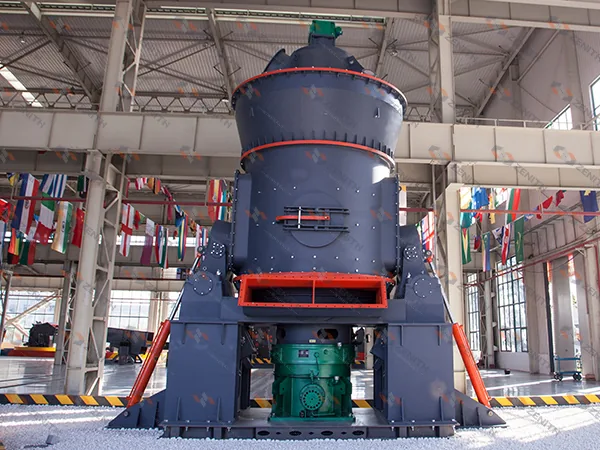
A 3 t/h target is modest for coarse grinding, but demanding at 1000 mesh. The circuit must avoid over-grinding, control the top cut, and maintain sharp classification. In the ZENITH portfolio, the XZM ultrafine grinding mill is a strong match. It produces 325-3250 mesh powder with single classification, and its variable frequency classifier lets operators adjust fineness from the control panel. XZM capacity ranges from 0.5 to 25 t/h, so 3 t/h can be configured without pushing the machine into an unstable range.
MW100 is best treated as a project designation for a 1000 mesh micro mill circuit. The final configuration should be based on quartz hardness, feed size, moisture, target PSD, available space, and Australian electrical standards.

Design Priorities for Ceramic-Grade Quartz
Purity is first. Ceramic quartz often requires low iron and consistent whiteness. The grinding chamber should minimize unnecessary wear points, and the flow sheet should include magnetic separation and pulse dust collection.
Adjustable classification is second. A tile body, glaze, engobe, or sanitaryware formula may need a different PSD. A VFD-controlled classifier allows rotor speed changes to reach the requested powder size without replacing the whole grinding system.
Energy efficiency is third. The XZM ultrafine mill is described as 40% higher in efficiency and 70% lower in energy consumption than an air-flow mill or stirring mill when producing the same powder under the same power. In Australia, where power costs matter, this directly affects operating cost.
Maintenance access is fourth. The XZM design avoids rolling bearings and screws in the grinding chamber, reducing common failure points and supporting higher uptime.
_1789144036085.jpg)
How the Circuit Works
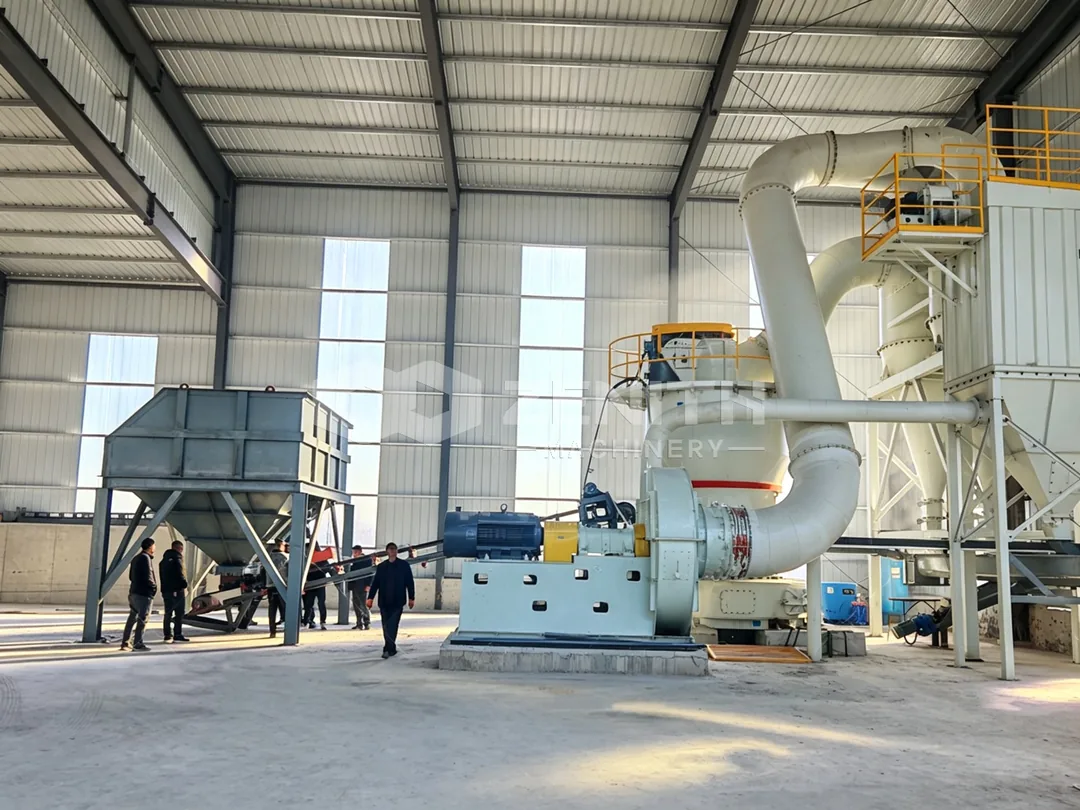
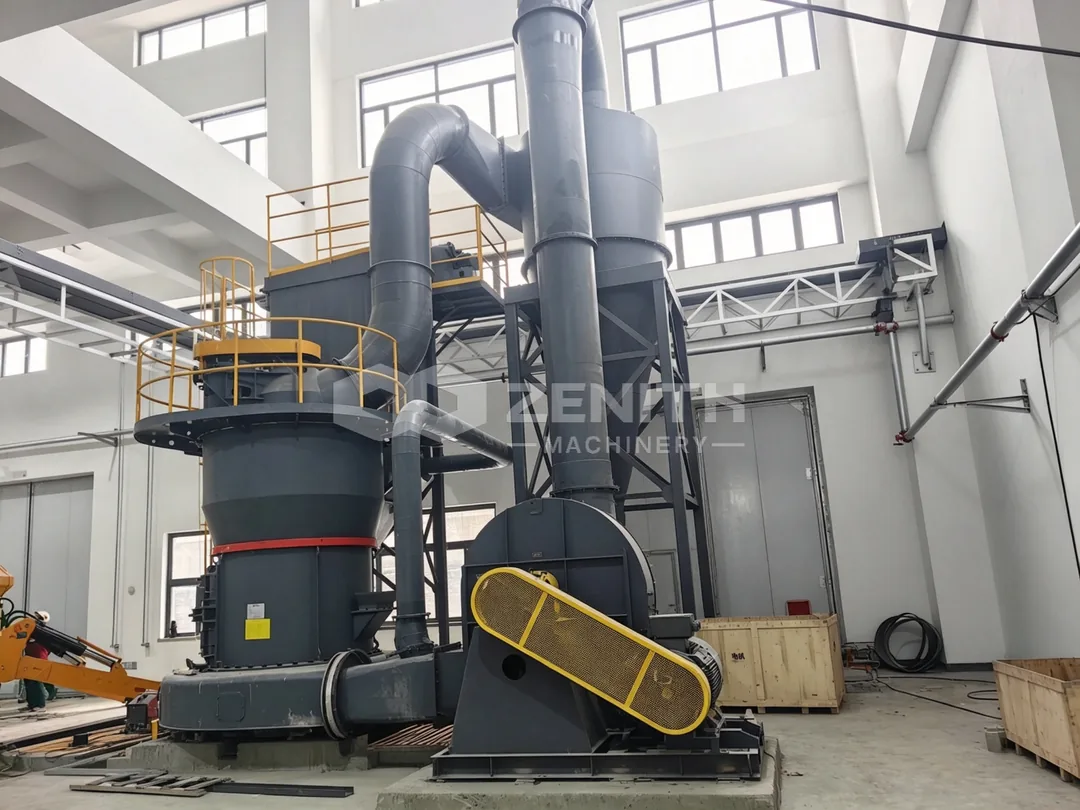
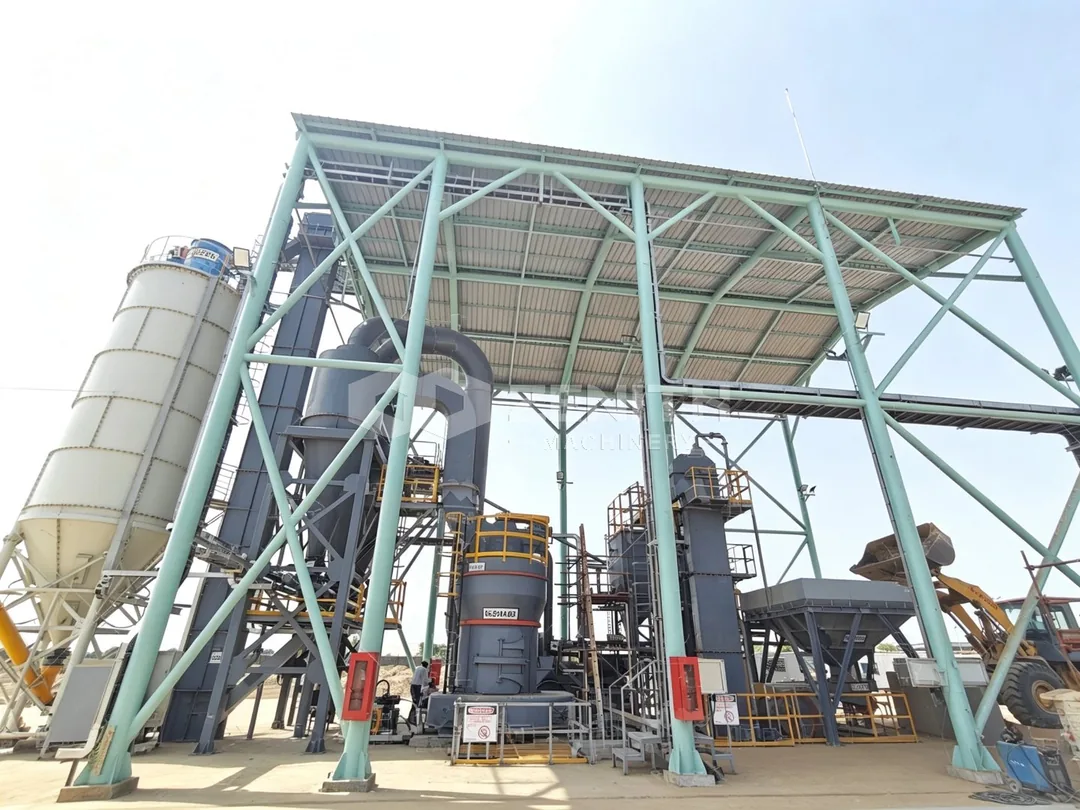
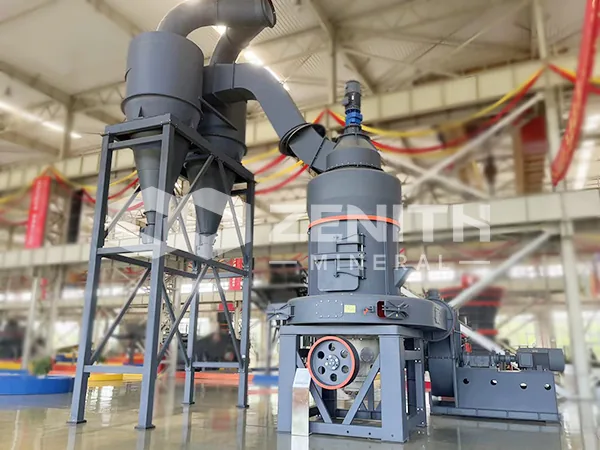
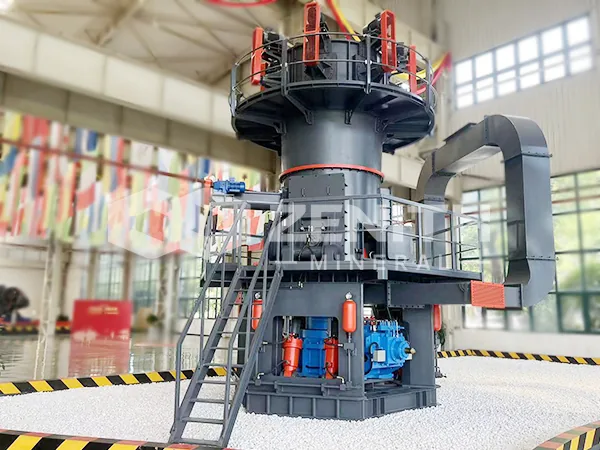
Crushed quartz is fed into the main machine and falls onto the turntable, where grinding rollers crush it under centrifugal force. Airflow carries material into the classifier. Unqualified particles return for re-grinding, while qualified powder is collected in the cyclone and pulse dust collector. Filtered airflow is released, and the system operates under negative pressure. For a 3 t/h Australian installation, the plant can be compact: feed hopper, controlled feeder, micro mill, classifier, cyclone, dust collector, air blower, and finished powder silo.
Why Not a Ball Mill or Standard Trapezium Mill?
MTW and MTM European trapezium mills are excellent for 80-400 mesh powder and 3-22 t/h, but 1000 mesh quartz is finer than their economical range. LM vertical mills are strong for 80-400 mesh and large capacity, while LUM ultrafine vertical mills reach 325-2500 mesh but generally start at 5 t/h. For a 3 t/h, 1000 mesh quartz ceramic raw material project, an XZM-based micro milling solution is usually more precise. Ball mills can grind fine, but they are often less energy-efficient and harder to control for a narrow PSD.

Australian Project Support
Australia rewards reliable, serviceable, compliant equipment. ZENITH equipment has ISO, CE, and CU-TR certification, and our network covers more than 180 countries and regions with overseas offices in more than 30 countries. We support layout planning, equipment selection, installation guidance, and spare parts strategy. The goal is a 3 t/h quartz micro mill that produces ceramic-grade 1000 mesh powder consistently, not just a machine that meets a number on paper.
FAQ
1. Can an XZM micro mill produce 1000 mesh quartz at 3 t/h?
Yes, in most cases. XZM covers 325-3250 mesh and 0.5-25 t/h, so 1000 mesh at 3 t/h is within a practical range. Final confirmation depends on quartz hardness, feed size, moisture, and target D97.
2. What does MW100 mean in this application?
MW100 is best understood as a project designation for a 1000 mesh micro mill circuit. The actual machine should be selected from ZENITH ultrafine mill technology after a material test.
3. How do you control iron contamination?
We focus on contamination-conscious chamber design, wear-resistant components, magnetic separation, and sealed negative-pressure operation. A material test helps match the configuration to ceramic whiteness requirements.
4. Is 1000 mesh the same as 15 microns?
It is close but not exact. Conversion depends on the standard and material. For ceramics, the required D50, D97, and particle size distribution matter more.
5. Why choose an ultrafine mill instead of a ball mill?
For 3 t/h and 1000 mesh, an ultrafine mill can offer sharper classification, easier fineness adjustment, lower energy use, and less downtime. Ball mills may suit coarser or larger tonnage duties.
6. What information is needed for a quotation?
Please provide quartz feed size, moisture, target D50/D97, required 3 t/h output, available space, power supply, and final ceramic application, such as tiles, sanitaryware, glazes, or technical ceramics.