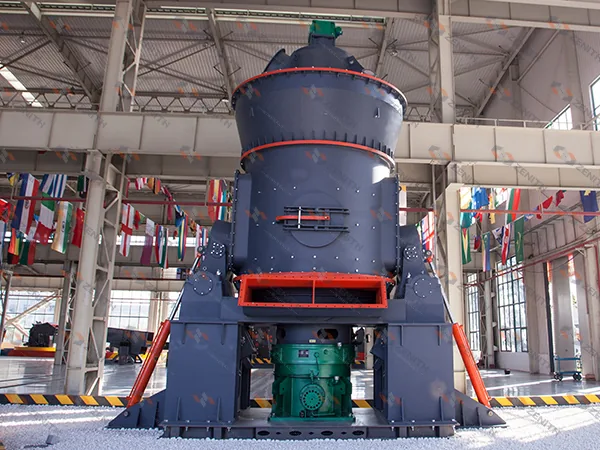
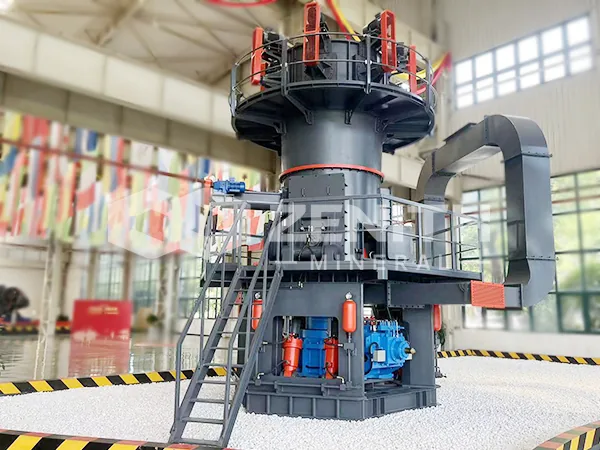
Australia small limestone raymond mill 3r 5t/h 325mesh mini grinding plant
2026-08-28 02:25:43
Australia’s limestone processing sector is not always about massive tonnage. Many small producers need a flexible, low-cost way to turn local limestone into high-value powder for agriculture, building products, and industrial fillers. That is why the Australia small limestone Raymond mill 3R, rated at 5 t/h and capable of producing 325 mesh powder, has become such a practical mini grinding plant option.
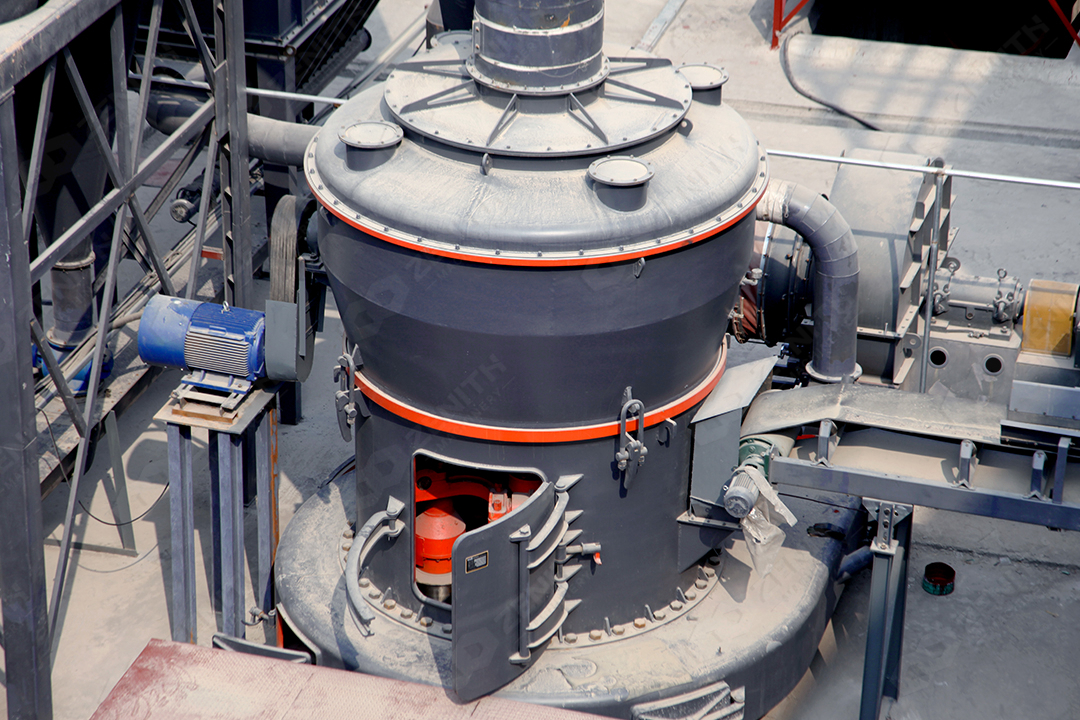
Designed for Small Tonnage without Sacrificing Quality
At first glance, the 3R Raymond mill looks simple. But simplicity is exactly what operators need in a mini plant. The mill is an independent production system from bulk material to finished powder, which avoids the complexity of multi-stage grinding stations. With an input size up to 35mm and an adjustable output size from 10 to 325 mesh, the 3R model gives small producers the freedom to match changing market demand.
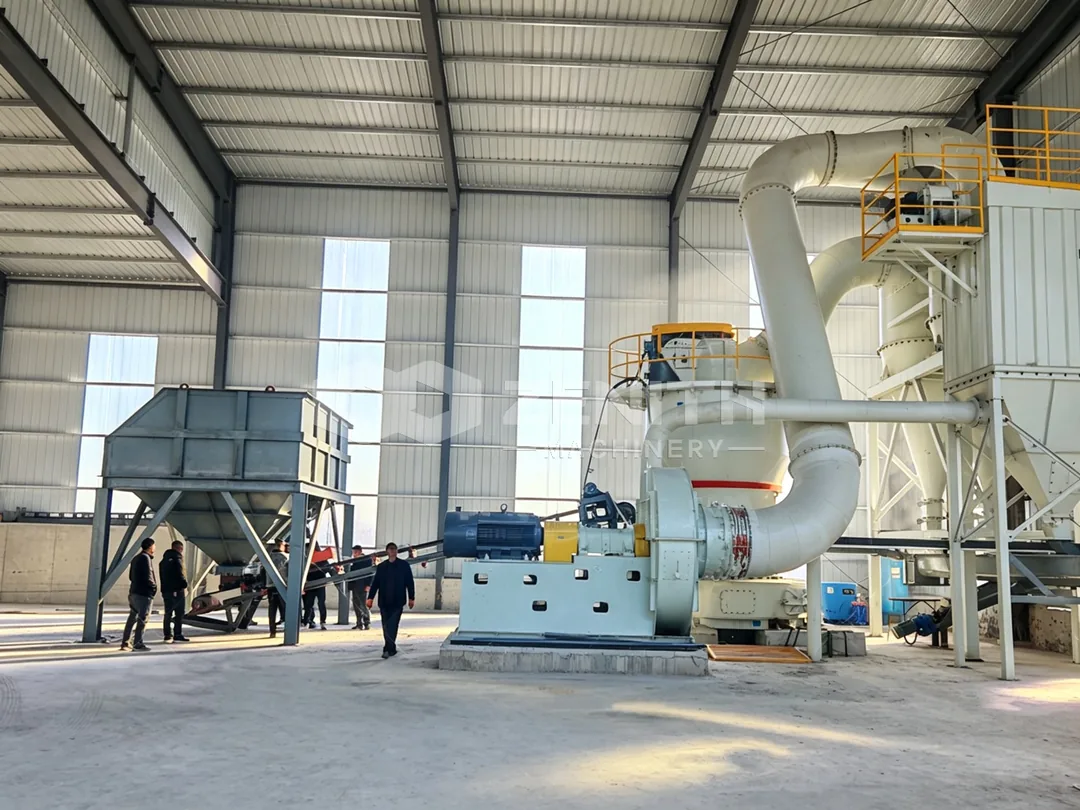
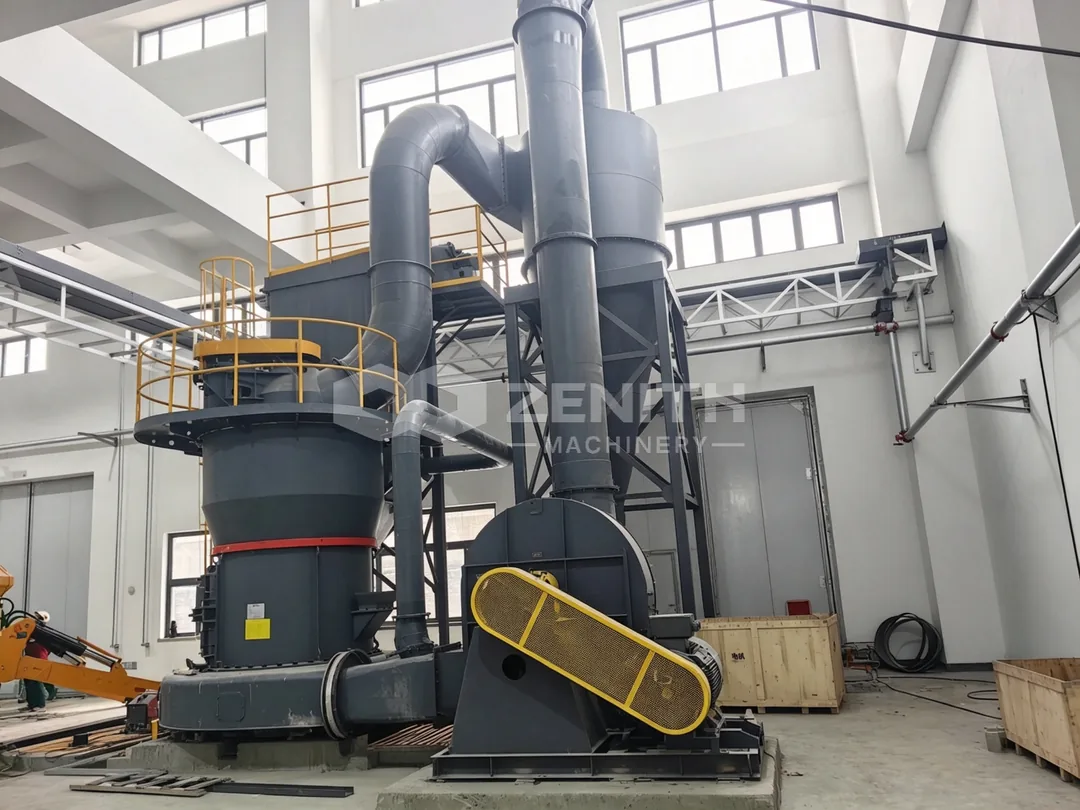
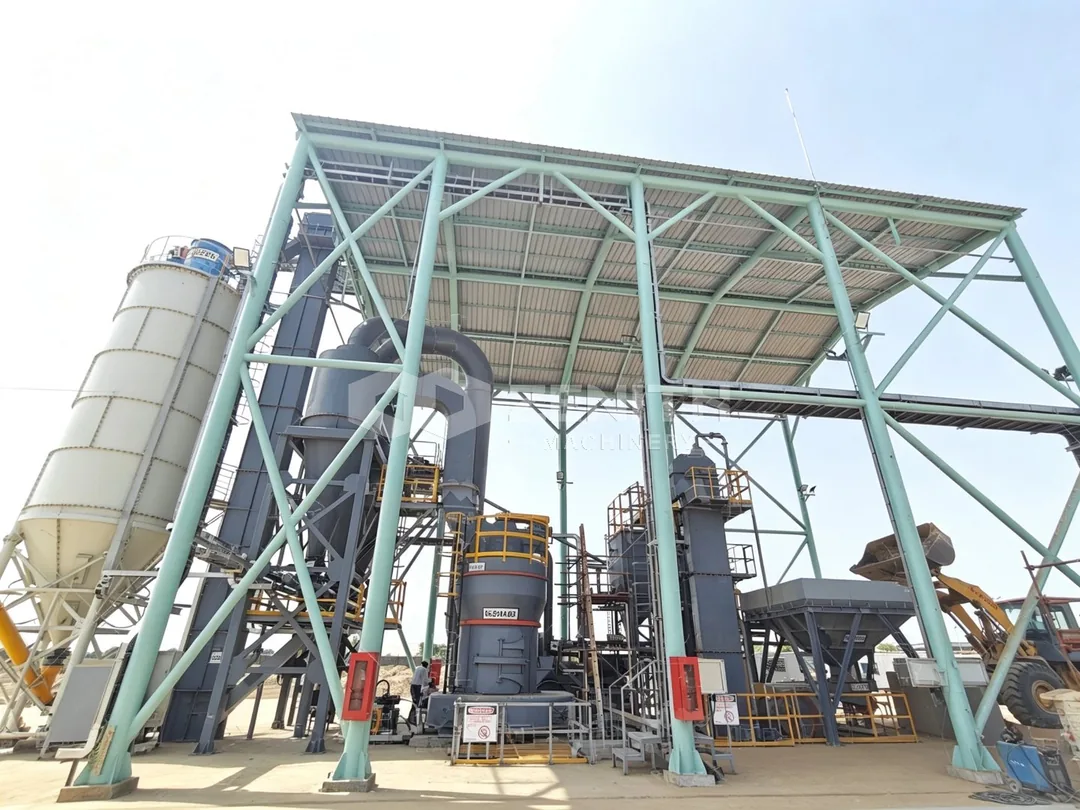
A typical Australian mini grinding plant would include a small jaw crusher, the 3R Raymond mill, a bucket elevator, a vibrating feeder, a cyclone collector, and a pulse dust collector. Even with these auxiliary machines, the total footprint remains compact. This is a major benefit for sites where space is limited or where the plant needs to be relocated as quarry faces change.
Key Advantages for Local Producers
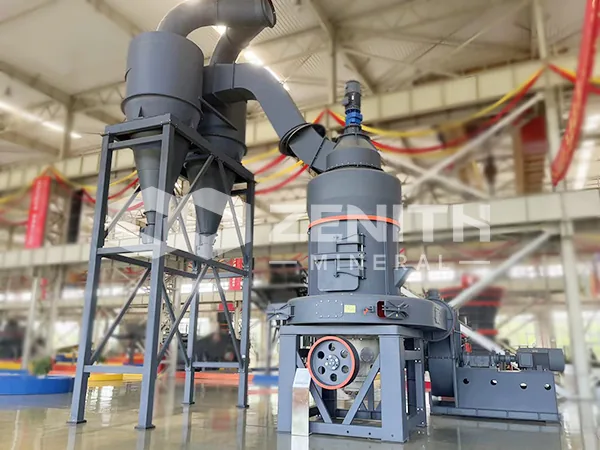
The 3R Raymond mill, also called a high-pressure roller mill, is not just a smaller version of a large industrial mill. It has been refined through ZENITH’s long-term research and development and comes with features that are especially valuable in Australia:
- Compact and low investment: Because the mill has its own production system from raw material to finished powder, there is no need for huge steel structures or massive foundations. The reduced civil works lower the initial capital cost significantly.
- 99% screening efficiency: For 325 mesh limestone powder, uniform particle size is critical. The Raymond mill’s high screening efficiency ensures that 99% of the final powder passes through the screen, which gives stable performance in downstream applications such as animal feed, paint, wall putty, and agriculture.
- High-quality manufacturing: Important components are made of high-quality steel, and vulnerable parts use abrasion-resistant materials. Australian limestone can be abrasive, so this directly reduces downtime and maintenance frequency.
- Intelligent control: The electric system adopts intelligent control, allowing the workshop to operate with minimal labor. This improves safety and lowers operating costs over the life of the plant.
_1787855142996.jpg)
Working Principle and Process Flow
Understanding how the mill works helps Australian plant operators make the most of the equipment. Pre-crushed limestone, normally below 35mm, is added into the machine from the feed hopper on the side of the machine cover. The grinding roller device, suspended on the plum blossom frame of the main machine, revolves around the vertical axis and rotates on its own. Due to centrifugal force during rotation, the grinding roller swings outward and presses against the grinding ring. The scraper lifts the material and sends it between the grinding roller and the grinding ring, where the limestone is crushed by the rolling action.
The pulverized material is then carried by the air stream to a powder separator. Oversized particles fall back and are re-ground, while the qualified 325 mesh powder enters the cyclone collector and is separated as finished product. The system can be integrated with a pulse dust collector and arranged under controlled pressure to prevent dust leakage, helping the plant meet modern environmental expectations.
Why This Plant Works Well in Australia
Australia has a unique combination of distributed population centers, variable site access, and strong environmental expectations. A mini grinding plant with a 5 t/h capacity can serve agriculture and construction customers regionally without requiring a large export-scale processing hub. The 3R Raymond mill’s low footprint and low power consumption make it particularly suitable for remote locations where installation and maintenance must be straightforward.
Moreover, ZENITH’s marketing network covers more than 180 countries and regions, including Oceania, with overseas offices in more than 30 countries. This means Australian buyers are not just purchasing equipment from an overseas company; they have access to responsive support, replacement parts, and technical advice through the ZENITH network.
Quality and Certifications
Quality assurance is a critical concern when investing in a small processing plant. ZENITH’s equipment has received ISO international quality system certification, European Union CE certification, and Customs Union CU-TR certification. These certifications provide a reliable baseline for safety, design, and manufacturing quality. For Australian customers, this is particularly important when integrating the mill with existing site infrastructure and compliance systems.
_1787855142997.jpg)
Conclusion
For small-scale limestone powder production in Australia, the 3R Raymond mill with a capacity of 5 t/h and a 325 mesh output represents a balanced combination of cost efficiency, compact design, and reliable performance. It gives producers the ability to serve local markets without over-investing in oversized equipment. With 99% screening efficiency, intelligent control, high-quality components, and ZENITH’s global support network, this mini grinding plant can be a practical growth asset for Australian limestone processors.
FAQs
1. Can the 3R Raymond mill produce exactly 325 mesh limestone powder?
Yes. The Raymond mill can produce powder in the range of 10 to 325 mesh. When the plant is set for 325 mesh, the mill’s fine screening system keeps the product consistent, with 99% of the powder passing through the specified screen.
2. What is the maximum input size for this mini grinding plant?
The recommended input size is 0 to 35mm. Limestone should be pre-crushed to this range before entering the mill. Larger pieces must be handled by a jaw crusher or hammer crusher upstream.
3. How much area does a 5 t/h Raymond mill plant require?
The exact area depends on the configuration, but the Raymond mill is designed as a compact, independent system. It covers less area than traditional ball mill installations and requires less foundation work, which reduces site preparation cost.
4. Is the 3R Raymond mill environmentally friendly?
Yes. The system can be equipped with a pulse dust collector and arranged to operate under controlled pressure. This minimizes dust spillover and helps the plant meet local environmental requirements.
5. Can the same mill process materials other than limestone?
Absolutely. The Raymond mill is suitable for preparing various mineral powders and pulverized coal. It can handle limestone, gypsum, calcite, barite, dolomite, and many other non-metallic minerals with similar hardness characteristics.
6. What kind of after-sales support does ZENITH provide in Australia?
ZENITH has a global sales network covering more than 180 countries and regions, with overseas offices in more than 30 countries. Australian customers can receive technical consultation, spare parts supply, and installation guidance through this network.