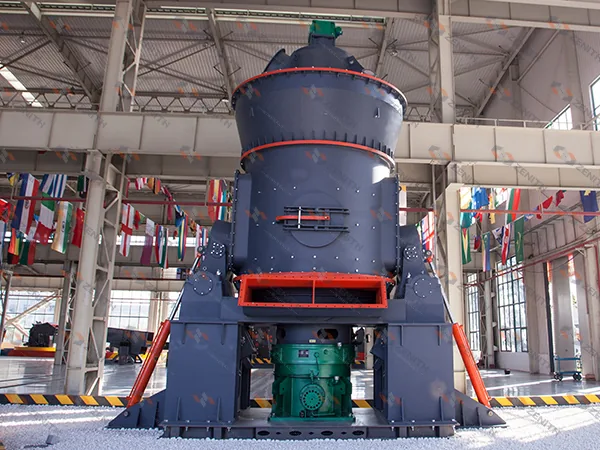
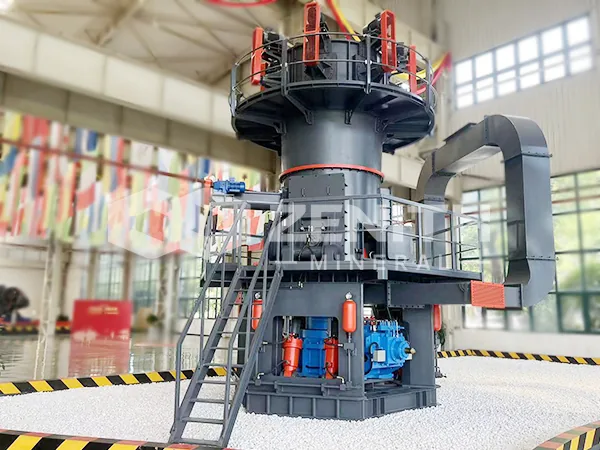
Vertical mill lm150 australia limestone 60t/h 200mesh raw meal grinding
2026-08-27 02:27:46
For cement producers and mineral processors in Australia, selecting a grinding mill is not only about rated capacity. It is also about energy cost, product consistency, operating simplicity and environmental performance. The Zenith LM150 vertical roller mill is an excellent response to those requirements, especially when the target is limestone raw meal at 60 t/h and 200 mesh.
_1787768866709.jpg)
Raw meal is the blended, finely ground kiln feed used for Portland cement clinker. Limestone and corrective materials must be ground fine enough to react quickly and evenly in the kiln. In many dry-process plants, a 200 mesh fineness corresponds to a nominal maximum particle size of around 75 microns. The LM150, which belongs to Zenith's LM vertical mill family, is designed for continuous large-scale powder production and is a practical match for this duty.
The Challenge in Australia
Australian limestone deposits can present different moisture levels, abrasion properties and work indices. The plant must keep production at 60 t/h without compromising particle size. The LM150 accepts feed sizes up to 70 mm in the LM series range, so a primary crusher and conveyor system are sufficient; no secondary grinding before the mill is needed. Because the mill is a vertical roller mill, it combines drying, grinding and classifying in one unit. Hot gas from the kiln system or from an air heater can remove free moisture as the material is ground.
Energy is an important part of the operating cost. In an environment where electricity tariffs are high, a mill with low specific energy gives an immediate economic benefit. Under ideal working conditions, a Zenith vertical roller mill can use more than 60% less energy than a ball mill of the same output class. For a 60 t/h raw meal plant, that saving can become a significant annual amount.
Why the LM150 Is a Good Fit
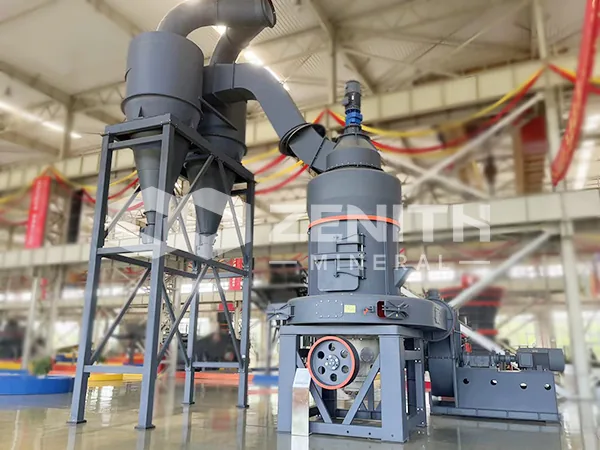
Zenith LM series vertical roller mills are known for stable operation in cement plants, GGBS plants, coal grinding stations and large mineral powder plants. The LM150 has been selected for medium-scale installations and can run for 24 hours without interruption. This automatic operation is suited to plants where operators need simple monitoring and reliable quality.
_1787768866710.jpg)
High Purity of Material
Raw meal chemistry must remain stable. The LM150 can effectively control the product size, chemical composition and iron content of the finished material. This control reduces the risk of contamination from grinding media and helps preserve the whiteness and purity required by cement manufacturers.
Less Comprehensive Investment
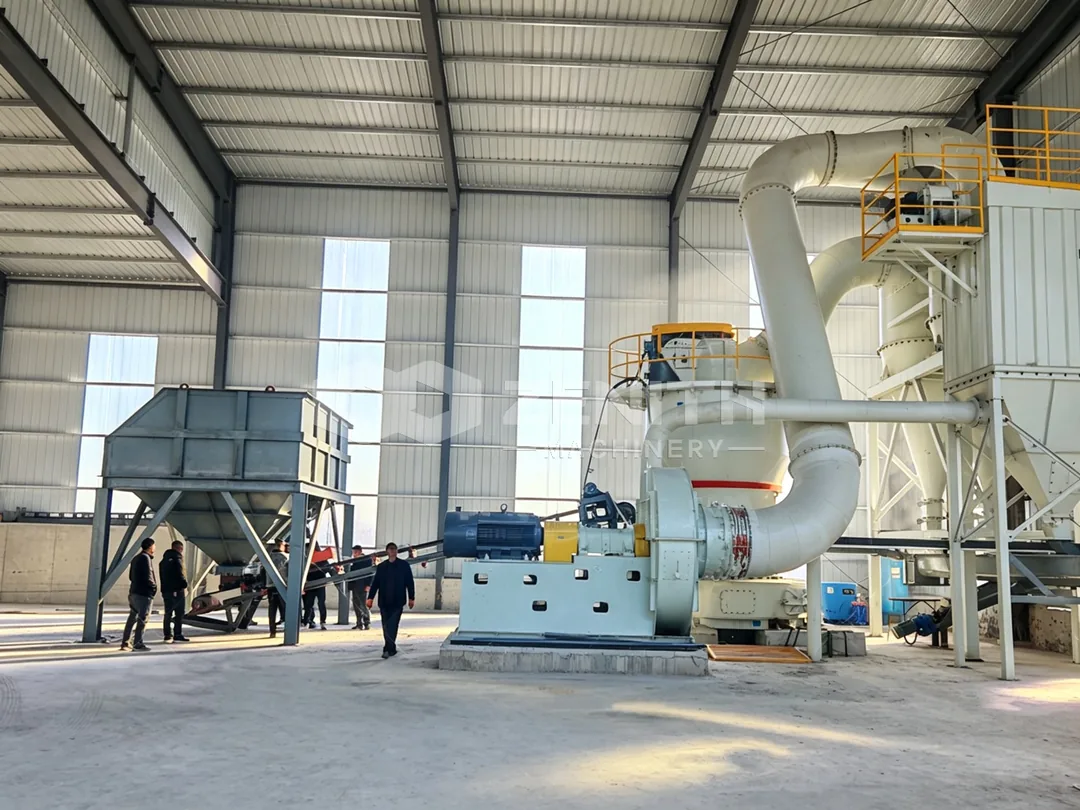
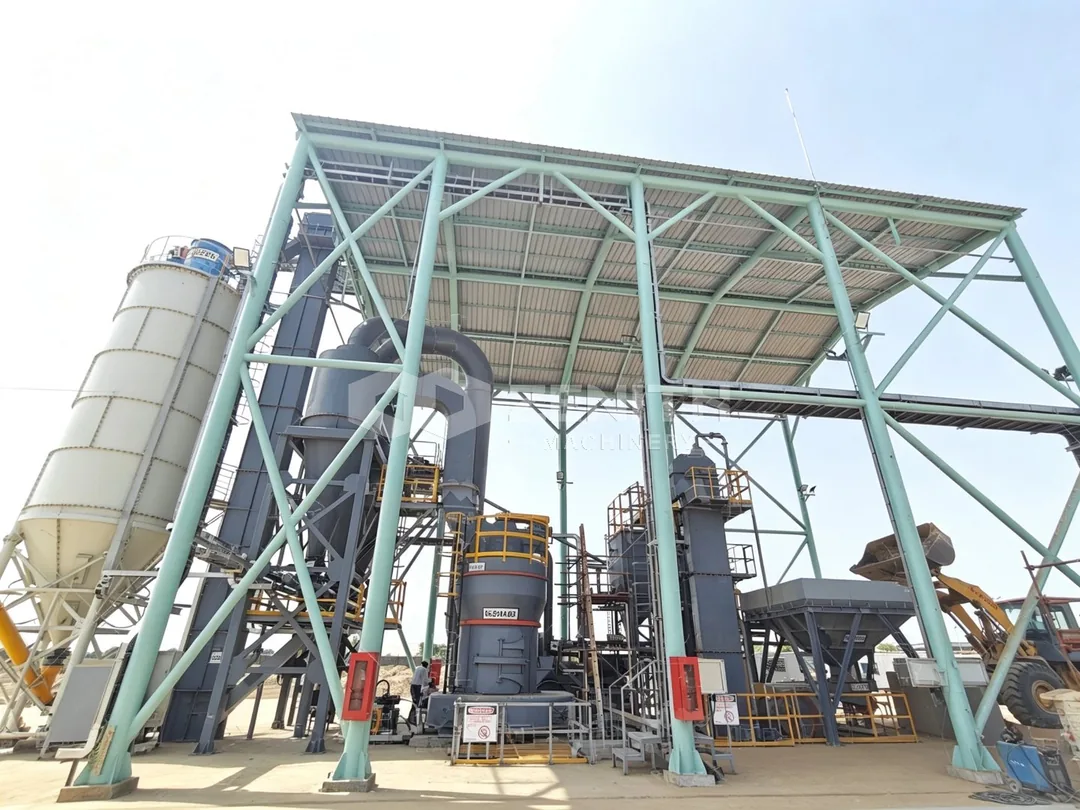
The LM150 has a compact integrated design. Compared with a ball mill system, it covers roughly 50% of the area and can be arranged in the open air. This reduces investment in building, foundation and structural steel, a clear advantage for remote Australian projects.
High Degree of Automation
The mill is equipped with an automatic control system, allowing free switching between remote and local control. Operators can adjust process conditions from a central room, and the mill maintains its output with less manual supervision. Lower labor cost is an ongoing benefit.
Environmentally Friendly
The LM150 is sealed and operates under negative pressure. In this configuration dust spillover is avoided, and noise and vibration remain low. This environmental performance helps the plant meet strict Australian emission and work-site regulations.
Fineness Control for 200 Mesh
A stable fineness is vital for raw meal. The LM150 uses an internal separator with an adjustable rotor. By changing the separator speed, the plant can obtain the required 200 mesh powder while coarse particles are returned to the grinding table for further reduction. The LM series output range is typically from 80 to 400 mesh, and the 200 mesh target lies comfortably within that range. This flexibility also allows the same mill to produce other products if market requirements change.
_1787768866712.jpg)
Working Principle of the LM150
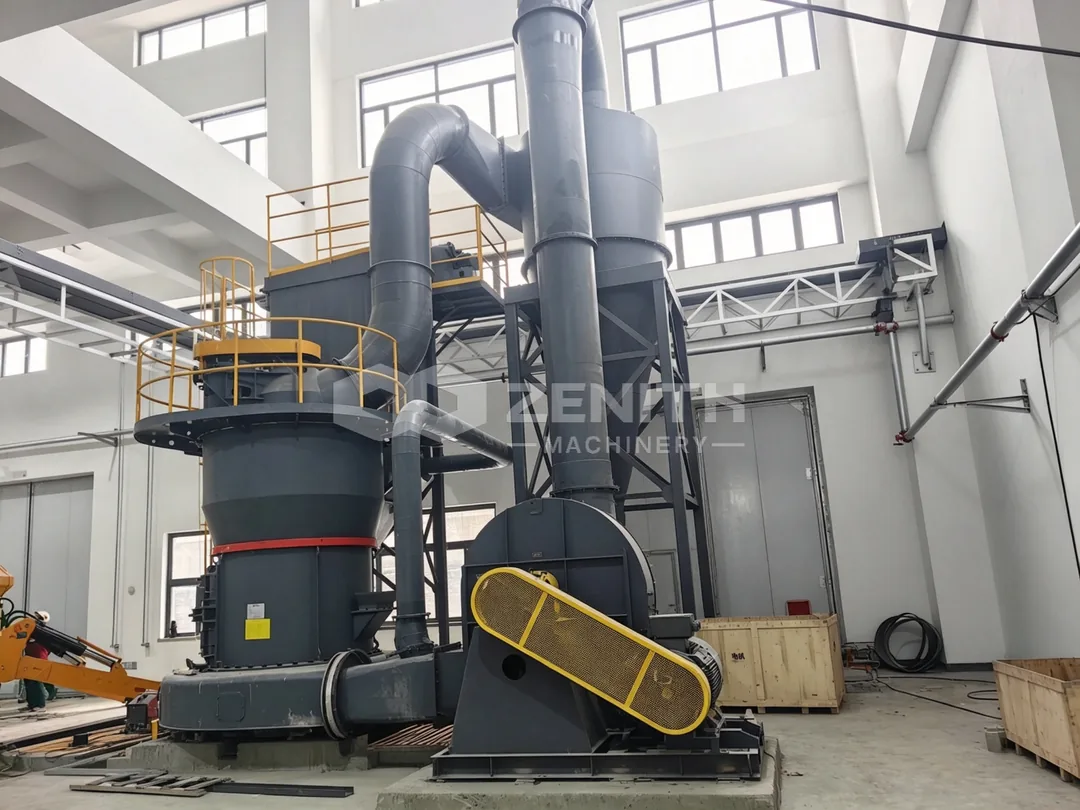
The main motor drives the grinding disc through a reducer. Hot air enters the grinding chamber and assists in drying and conveying. Limestone falls onto the center of the disc and is spread outward by centrifugal force. The rollers crush the material, and fine particles form a material bed, enabling inter-particle crushing. This mechanism consumes less energy and produces a more uniform product than impact grinding.
When the crushed material reaches the edge of the disc, the airflow carries it upward to the separator. Coarse particles are separated and returned for regrinding. Fine powder passes through the separator and is collected in a product collector. Iron debris, if present in the feed, drops into the lower cavity and is scraped out of the discharge port, protecting the mill and final product.
Project Integration and Global Support
For an Australian limestone plant, the LM150 simplifies the flow sheet. The process begins with primary crushed limestone stored in a feed bin. The material is then fed into the LM150, ground to 200 mesh and conveyed to a raw meal silo. Because the vertical mill includes its own classification stage, no separate classifier or additional grinding unit is required, reducing plant complexity.
_1787768866714.jpg)
Zenith is an international engineering company with equipment certified according to ISO, CE and CU-TR standards. Its marketing network covers more than 180 countries in Asia, Africa, Europe, America and Oceania, and overseas offices provide sales and technical support. For an Australian project team, this means the LM150 is backed by a global organization that understands dry powder grinding systems.
Conclusion
The Zenith LM150 vertical roller mill is a reliable solution for grinding Australian limestone to a raw meal fineness of 200 mesh at a production rate of 60 t/h. It combines high efficiency, small footprint, automatic operation and clean production. For cement plants and mineral processors that need predictable quality and long-term profitability, the LM150 represents a modern and practical choice.
Frequently Asked Questions
1. Can the LM150 produce 60 t/h of limestone at 200 mesh?
Yes, the LM150 is designed for continuous medium-to-large-capacity grinding. The exact throughput depends on limestone grindability and moisture, but 60 t/h at 200 mesh is within the machine's operating envelope.
2. How is 200 mesh fineness maintained during operation?
The separator speed and air flow are adjusted through the automatic control system. Oversize particles are returned to the grinding table, so the final powder remains consistent.
3. What advantages does the LM150 have over a ball mill for raw meal?
The LM150 uses about 50% of the floor space of a ball mill system and can consume more than 60% less energy under ideal conditions. It also integrates drying, grinding and classification in one machine.
4. Can the mill handle limestone with moderate moisture?
Yes. The LM150 can use hot air to dry the feed while grinding takes place. This makes it suitable for limestone that contains free surface moisture.
5. Does Zenith provide support for projects in Australia?
Zenith has a worldwide network covering Oceania and more than 180 countries. Equipment is certified under ISO, CE and CU-TR, and customer support can be arranged through Zenith overseas offices.