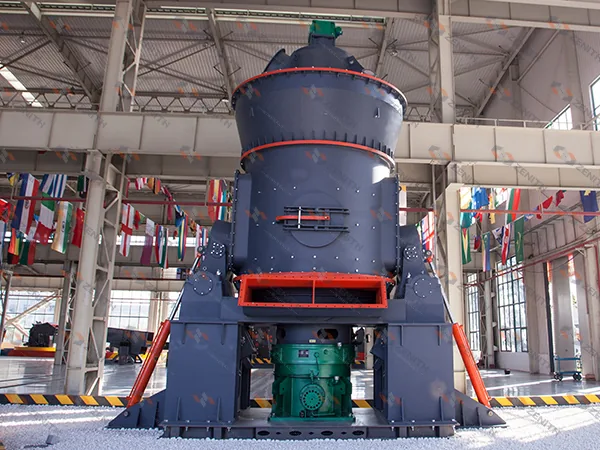
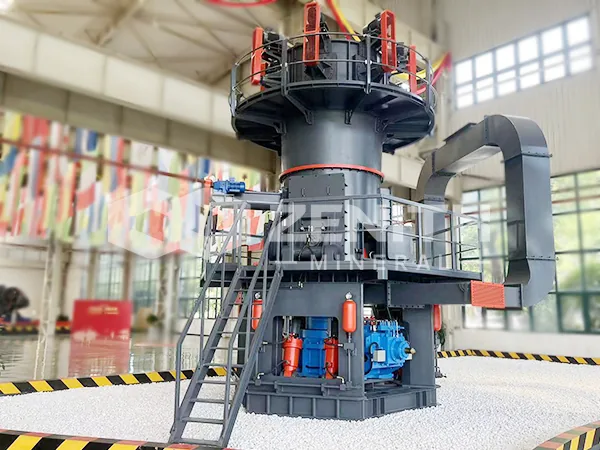
Zenith hgm125 limestone ultra fine mill australia 4t/h 2000mesh coating powder
2026-08-25 02:28:56
For Australian producers of limestone-based coating powder, the line between profitable production and constant bottleneck usually comes down to one piece of equipment: the ultra-fine grinding mill. When the target is 2000 mesh, feed rate must stay predictable, energy cannot run away, and every tonne has to meet the purity and brightness requirements of paint, coating, masterbatch and adhesive formulators. The Zenith HGM125 ultra-fine grinding mill is designed with those demands in mind.
_1787596136629.jpg)
Why 2000 mesh matters for coating powder
Coating-grade calcium carbonate is not just crushed stone. It is a functional filler. At 2000 mesh, limestone particles are around 6.5 microns, a range where the powder contributes to gloss, hiding power, viscosity control and film durability in water-borne and solvent-borne coatings. If the particle size distribution is too broad, the coating powder causes rough surfaces, inconsistent sheen or excessive binder demand. A mill that cannot produce a stable ultra-fine product creates expensive quality problems downstream.
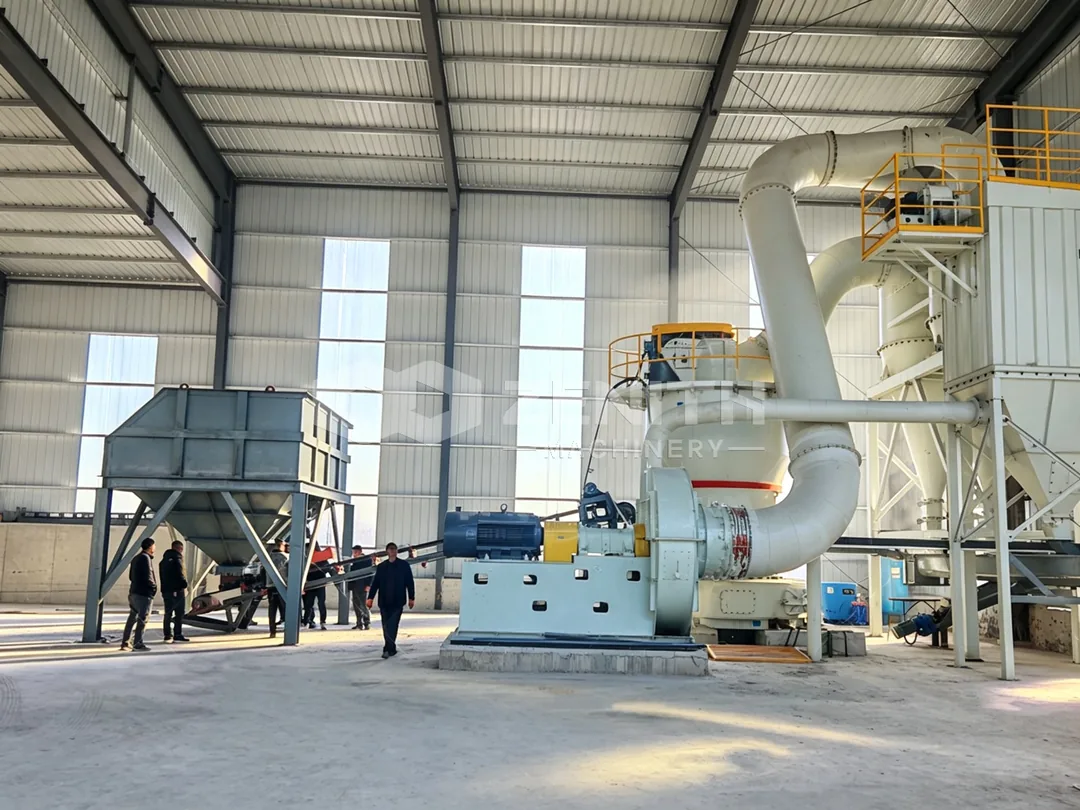
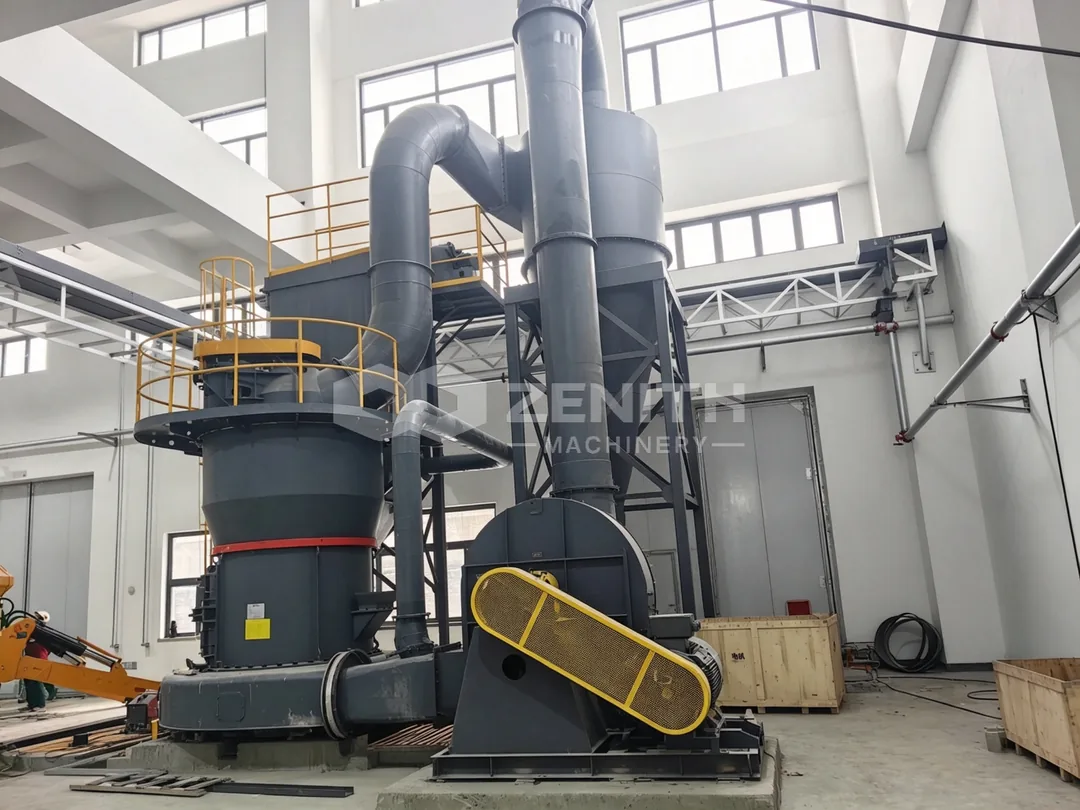
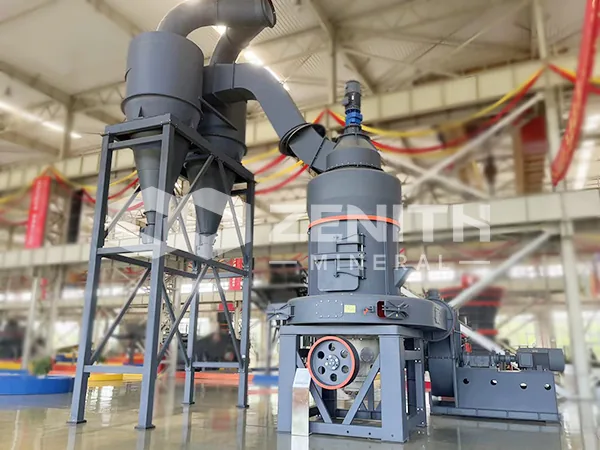
The HGM125 is more than a high-speed grinder. It integrates grinding, classification and powder collection in a continuous system. The classifier rotor speed is adjusted by variable-frequency drive, so the operator can fine-tune the output to hold the 2000 mesh spec without losing the 4 t/h production rate.
Aligned with Australian operating conditions
Australian mineral processors face high power prices, strict environmental rules and a demanding market. A mill that burns electricity, leaks dust or demands constant attention hurts the bottom line. The HGM125 operates under negative pressure in a sealed system, so dust spillover is essentially eliminated. The pulse dust collector keeps the surrounding air clean, and noise is much lower than a typical ball mill.
Energy is another major advantage. Compared with an air-flow mill or stirring mill at the same fineness, the HGM series can achieve around 40% higher efficiency and roughly 70% lower energy consumption, based on Zenith's engineering data. For a line running around the clock, the annual saving is substantial.
_1787596136632.jpg)
Engineered for limestone at 4 t/h
Limestone is moderately hard but abrasive over long campaigns. The HGM125 uses wear-resistant materials in critical areas, and the grinding chamber has no rolling bearings or screws, removing the most common failure points found in older ultra-fine mills. This simple structure also makes maintenance easier to plan.
The working principle is straightforward. Crushed limestone with a feed size around 10 mm or smaller enters the grinding chamber. The grinding roller swings outward under centrifugal force and presses against the grinding ring, crushing the material. Powder is carried by airflow to the classifier. Coarse particles are rejected and returned for another pass, while qualified fine powder is collected by the cyclone and pulse dust collector as finished product.
Once feed rate, roller pressure and rotor speed are set, the mill can run without continuous intervention. For Australian sites where skilled operators are valuable but not always available, this level of automation is a practical benefit.
Compact, clean, and easy to maintain
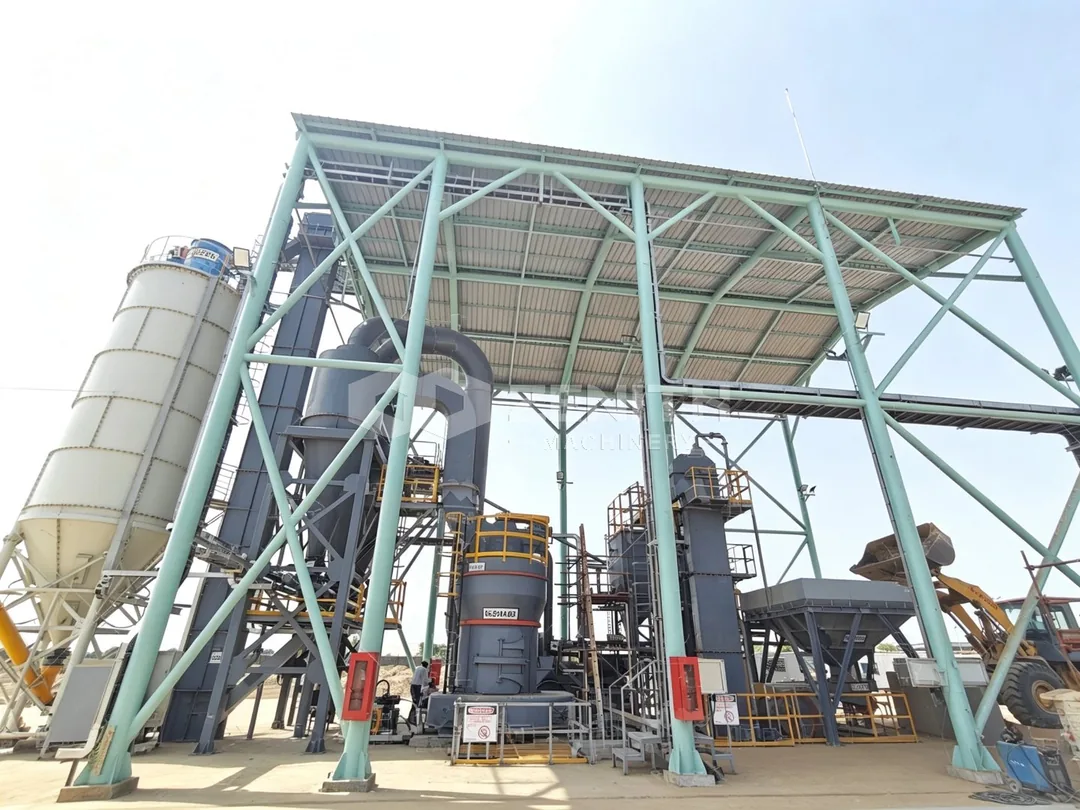
Many Australian plants want to increase fine powder capacity without building a large new hall. The HGM125 has its own production system from bulk feed to finished powder, and its layout is compact. Civil works are simpler than for a ball mill line, and the reduced footprint lowers building and foundation investment.
Maintenance is also simplified by the hydraulic and reversible design of the grinding parts. Worn components can be replaced in good time, reducing downtime. This matters in a market where production interruptions directly affect supply contracts.
Support that reaches Australia
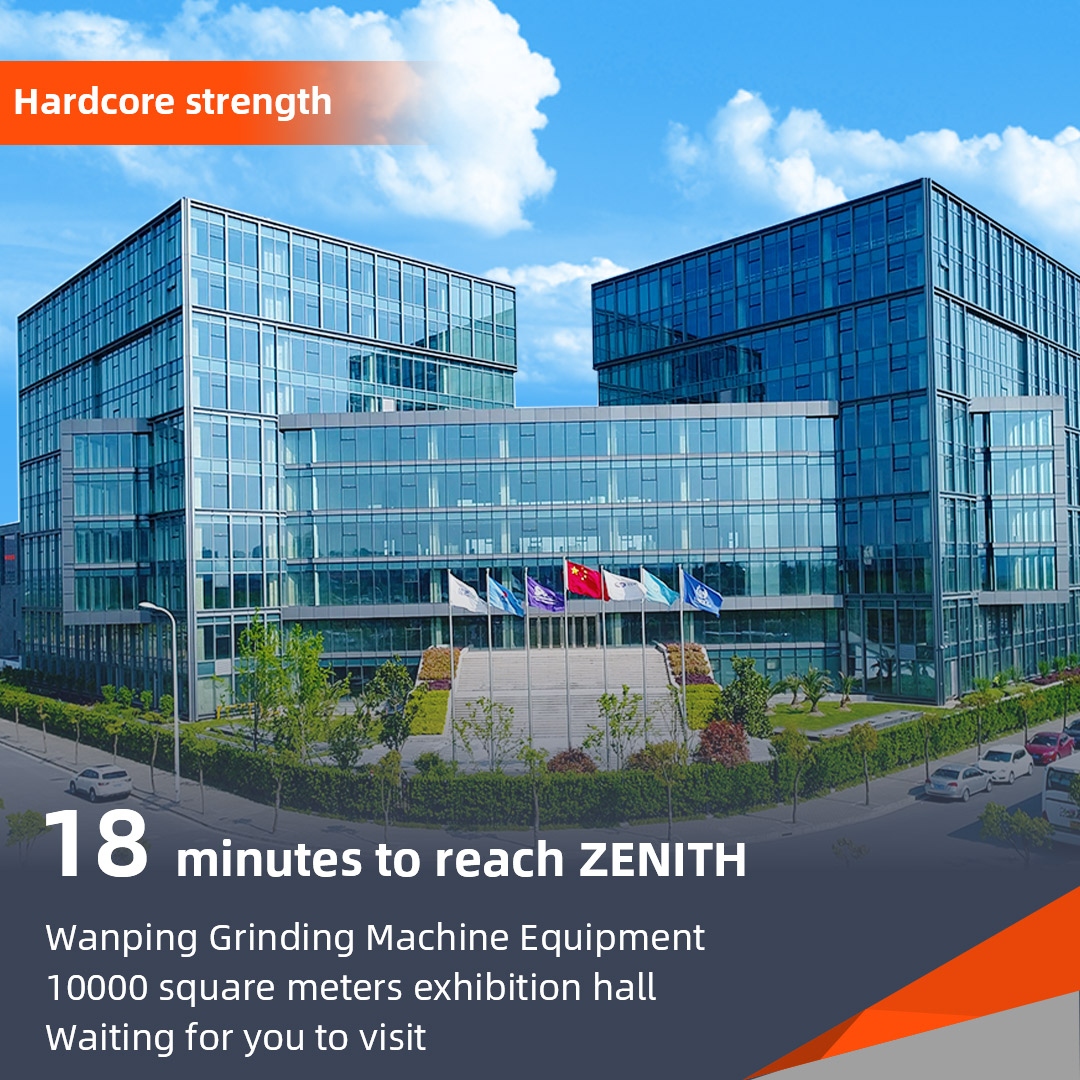
Shanghai Zenith Machinery Co., Ltd. is a hi-tech engineering group specialising in industrial powder grinding equipment. Its quality system is certified to ISO, CE and CU-TR standards, and its marketing network covers more than 180 countries and regions, with overseas offices in over 30 countries. For an Australian processor, this means commissioning guidance, spare parts and process support are available without dealing with a distant supplier.
The bottom line
Choosing an ultra-fine mill is not an academic exercise. It affects storage, conveying, packing, quality control and customer satisfaction. The Zenith HGM125 offers a balanced answer for limestone producers who need a genuine 2000 mesh coating powder at a realistic 4 t/h. It lowers energy consumption, keeps the process clean, simplifies maintenance and delivers the consistency that coating formulators expect.
Frequently Asked Questions
What is the difference between 2000 mesh and 2500 mesh on the HGM125?
2000 mesh is often the economic balance for coating powder. The HGM125 can maintain around 4 t/h at 2000 mesh; going above 2500 mesh will reduce capacity and raise energy consumption.
Can the HGM125 handle wet limestone?
For stable operation, feed moisture should be below 5%. If limestone is wet, a drying step or hot-air assistance is recommended.
Does the HGM125 need a separate classifier?
No. The mill has an integral classifier with variable-frequency drive. Adjusting rotor speed changes fineness, so a separate classification unit is not required.
How much space does the HGM125 system need?
It depends on the full circuit, including feeder, cyclone, pulse collector, fan and control panel. But the HGM125 is designed as a compact system and typically needs much less space than a ball mill for the same capacity.
Is Zenith support available for Australian projects?
Zenith has overseas offices in more than 30 countries and serves more than 180 countries and regions. Australian customers can receive technical consultation, commissioning support and spare parts assistance through the international network.
What other minerals can the HGM125 grind?
Beside limestone, it can grind calcite, marble, talc, dolomite, barite, kaolin, wollastonite, gypsum and feldspar. It is widely used for non-metallic mineral ultra-fine powder in coating, plastic, PVC and paper industries.