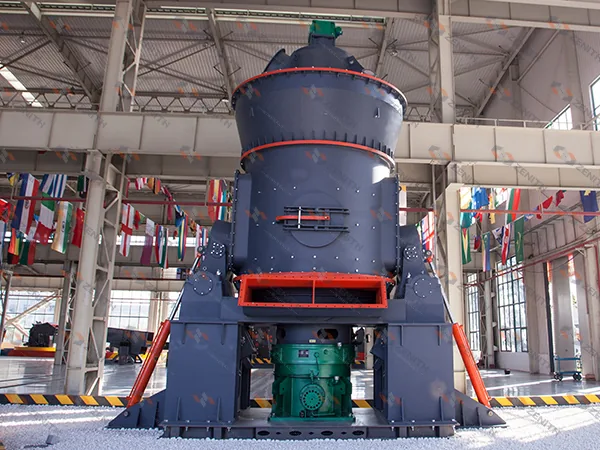
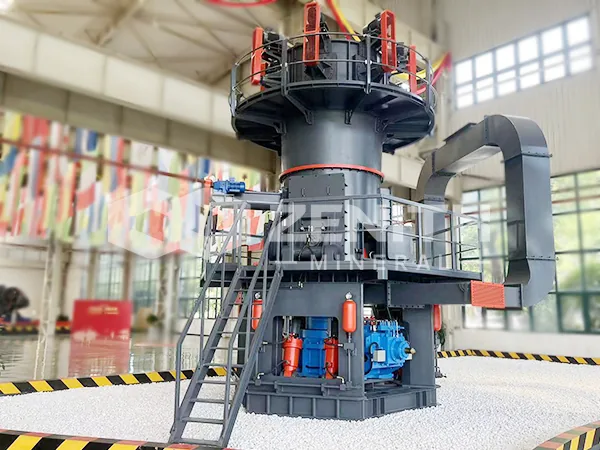
Lm1300 vertical roller mill for imported port raw materials 325 mesh lost foam casting powder in indonesia
2026-07-29 02:24:19
Indonesia, as one of the fastest-growing manufacturing hubs in Southeast Asia, has seen a surge in demand for high-quality lost foam casting powders. These powders, typically requiring a fineness of 325 mesh (44 microns), are critical for producing smooth surface finishes and precise dimensional tolerances in metal casting. However, the country's reliance on imported raw materials—such as silica sand, alumina, and other mineral blends arriving through major ports like Tanjung Priok and Tanjung Perak—poses unique challenges: moisture variations, particle size inconsistency, and the need for efficient, large-scale grinding solutions. The Lm1300 vertical roller mill from Shanghai Zenith Machinery Co., Ltd. is engineered specifically to address these challenges, offering a robust, energy-efficient, and automated grinding system for 24/7 operation.
_1785263059876.jpg)
Why Lm1300 Vertical Roller Mill for Lost Foam Casting Powder?
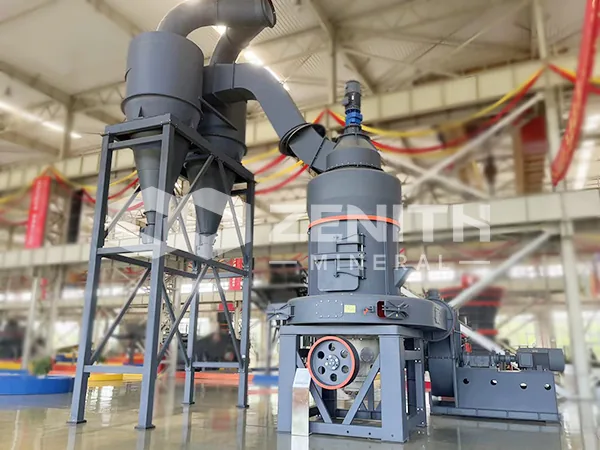
Lost foam casting requires a fine, uniform powder that can be easily mixed with binders and coated onto polystyrene patterns. The Lm1300 vertical roller mill, a member of Zenith's proven LM series, is designed to produce consistent 80–400 mesh powders with a capacity range of 3–340 T/H. For the specific requirement of 325 mesh, the mill's adjustable classifier and advanced grinding roller configuration deliver high-purity output with minimal iron contamination—essential for maintaining the whiteness and chemical stability of casting powders.
The mill's integrated design reduces comprehensive investment by roughly 50% compared to traditional ball mill systems. This is particularly beneficial for Indonesian importers who need to establish compact grinding stations near port areas, where land is expensive and logistics are tight. Additionally, the Lm1300 operates under negative pressure with a sealed system, ensuring no dust spillage—a critical environmental consideration in Indonesia's increasingly stringent regulations.
_1785263059878.jpg)
Key Features Tailored to Imported Raw Materials
- High Purity Control: The mill effectively manages product size, chemical composition, and iron content. For imported ores that may contain trace contaminants, the Lm1300 ensures the final powder meets the strict purity standards of lost foam casting.
- Energy Efficiency: With energy consumption up to 60% lower than ball mills (under ideal conditions), the Lm1300 reduces operational costs—a major advantage when processing large volumes of port-brought materials.
- Automation & Remote Control: The automatic control system allows free switching between local and remote operation, enabling a single operator to monitor multiple mills. This is ideal for Indonesian plants aiming to minimize labor dependency.
- Material Bed Grinding: The mill uses a material bed formed by centrifugal force and roller pressure, achieving inter-particle crushing. This method is remarkably stable even when raw material moisture fluctuates—common with imported cargo stored in humid port warehouses.
Working Principle: From Port to Powder
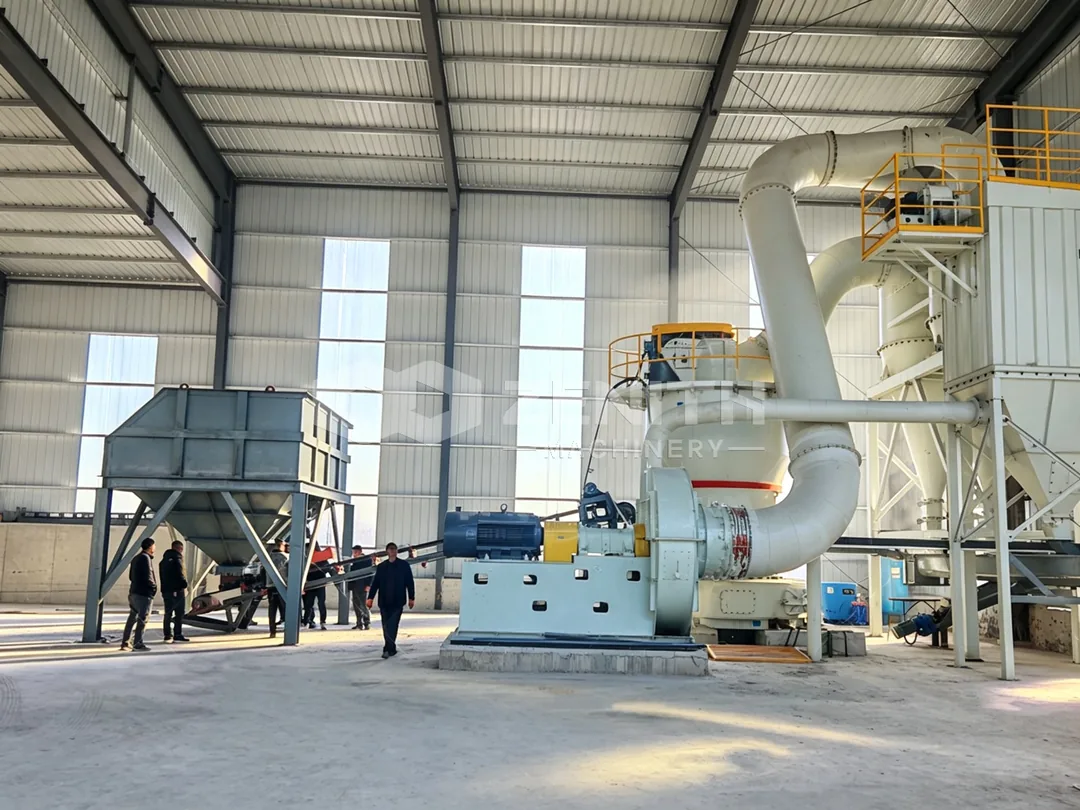
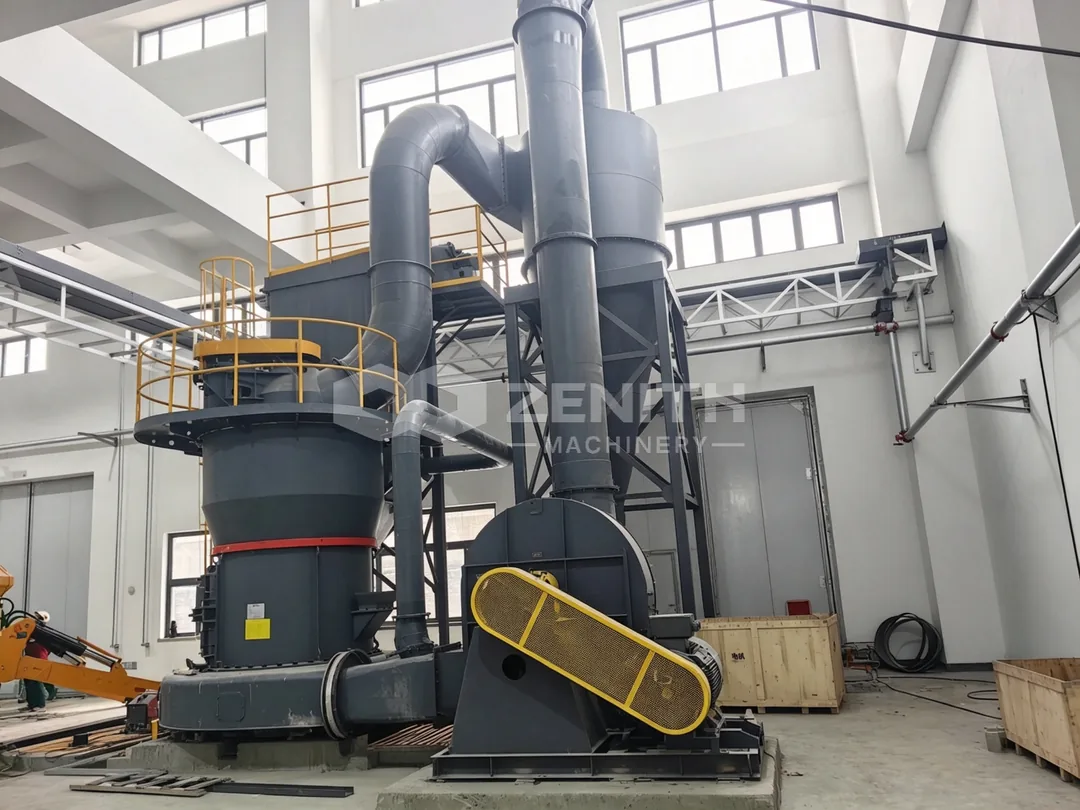
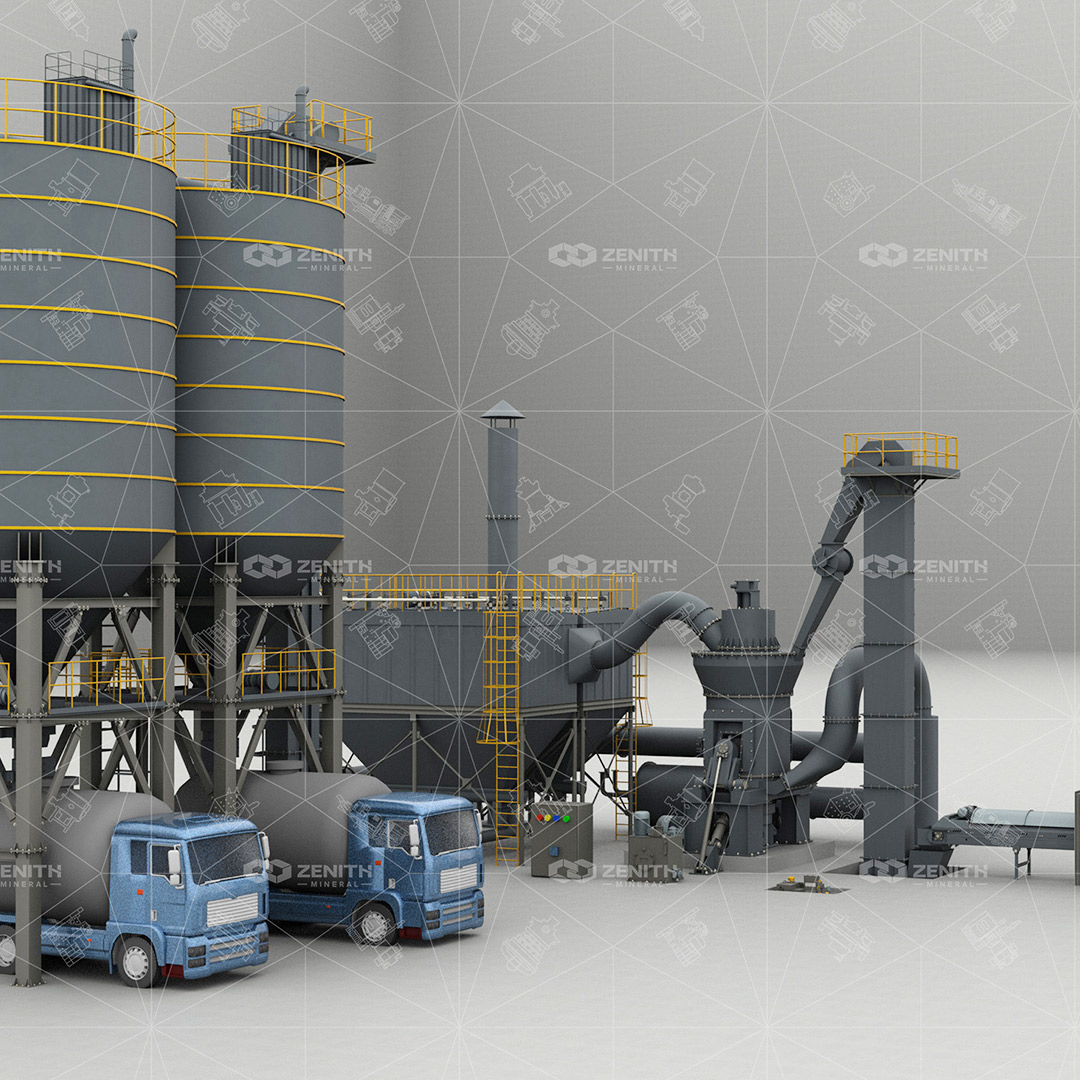
The process begins after imported raw materials are crushed to ≤70 mm. A variable-frequency belt feeder conveys the material into the main grinding chamber, where the rotating grinding disc spreads it outward via centrifugal force. Three grinding rollers (with high-wear-resistant sleeves) press down on the material bed, crushing large particles and creating a dense bed for fine grinding. Hot air (if needed for drying) enters through the air ring, carrying the ground material upward to the powder selector. Coarse particles are separated and fall back onto the grinding disc for re-grinding; fine particles (<325 mesh) pass through and are collected in a cyclone and pulse dust collector. Iron impurities fall into the lower cavity and are automatically discharged. The entire system operates under negative pressure, ensuring a clean, quiet, and eco-friendly production environment.
_1785263059881.jpg)
Case Study: Implementation at a Jakarta Port-based Grinding Station
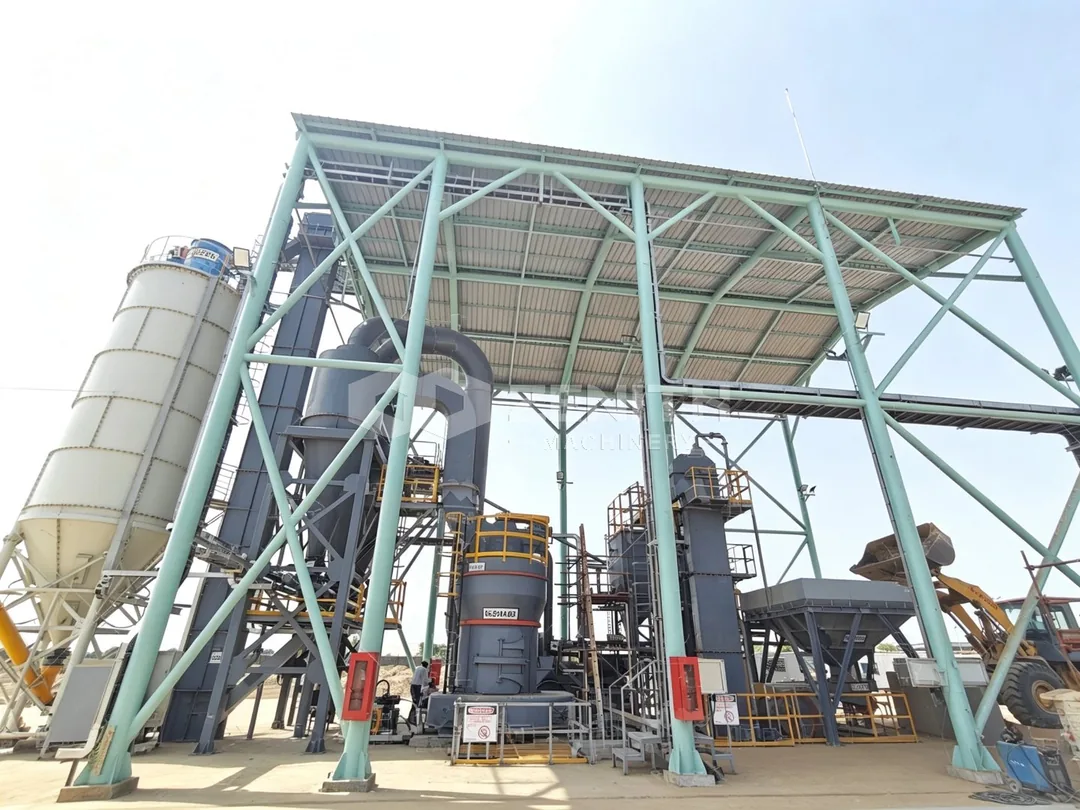
A recent installation at an Indonesian minerals processing plant located near Tanjung Priok Port has demonstrated exceptional results. The plant processes imported silica and alumina blends into 325 mesh lost foam casting powder at a rate of 15 tons per hour. The Lm1300 mill's automatic system adjusts grinding pressure based on real-time material moisture (measured by in-line sensors), maintaining consistent fineness without manual intervention. The customer reports a 40% reduction in energy costs compared to their previous ball mill setup, and the powder's iron content is below 0.05%, meeting the demanding requirements of automotive lost foam casting.
Conclusion
For Indonesian processors who rely on imported port raw materials to produce 325 mesh lost foam casting powder, the Lm1300 vertical roller mill offers a reliable, high-capacity, and energy-saving solution. Its ability to handle variable feed conditions, produce consistent fineness, and operate with minimal environmental impact makes it a wise investment for the region's growing casting industry. Backed by Zenith's global support network—including an office in Indonesia—the mill ensures long-term productivity and low total cost of ownership.
Frequently Asked Questions (FAQ)
1. What is the maximum capacity of the Lm1300 vertical roller mill for 325 mesh powder?
The Lm1300 can produce up to 25–30 tons per hour of 325 mesh powder, depending on raw material grindability, moisture content, and desired fineness. For lost foam casting powders, we typically recommend a capacity of 15–20 T/H to maintain optimal product quality.
2. Can the Lm1300 handle raw materials with high moisture content from imported cargo?
Yes. The mill is designed to operate with a hot air system that can dry materials with up to 15% moisture. The integrated air ring and classifier ensure that moisture does not affect the grinding process or final powder fineness.
3. How does the Lm1300 compare to ball mills in terms of maintenance?
The Lm1300 has fewer wear parts and a more compact design. Roller sleeves and liners can be replaced using the hydraulic flip-out system without disassembling the entire mill. Typical maintenance intervals are 8,000–12,000 operating hours, significantly longer than ball mills.
4. What certifications does Zenith's Lm1300 mill hold?
Zenith's grinding equipment has ISO 9001 quality certification, European CE certification, and Customs Union CU-TR certification, ensuring compliance with international safety and quality standards.
5. Is the Lm1300 suitable for other fineness ranges besides 325 mesh?
Absolutely. The modular impeller classifier allows the mill to produce fineness from 80 to 400 mesh by simply changing the impeller. For ultrafine applications, Zenith also offers the LUM series for 325–2500 mesh.
6. How long does installation typically take at an Indonesian port site?
For a standard turnkey installation, including foundation preparation, mill assembly, and commissioning, the timeline is approximately 45–60 days. Zenith provides on-site engineers and training for local operators.
7. Does Zenith offer after-sales service in Indonesia?
Yes. Zenith has an overseas office in Indonesia with spare parts stock and technical support engineers. Routine maintenance and emergency service are available within 24–48 hours.