GRMS vertical roller mill for blast furnace slag 500 m²/kg bridge concrete in córdoba, argentina
2026-07-28 02:26:13
When the Argentine city of Córdoba set out to build a landmark bridge that would withstand decades of heavy traffic and corrosive weather, engineers demanded a concrete that was not only strong but also sustainable. The solution lay in ground granulated blast furnace slag (GGBS) – a by-product of steelmaking – which, when finely ground to a specific surface area of 500 m²/kg, can replace up to 50% of Portland cement in concrete. This reduces CO₂ emissions by roughly 40% while improving durability against sulfate attack and chloride penetration. For this project, Shanghai Zenith Machinery Co., Ltd. recommended its LM Vertical Roller Mill (also referred to as Grms vertical roller mill) as the core grinding equipment, capable of delivering consistent, high-quality GGBS powder with a fineness of D97 < 500 m²/kg.
Why Choose a Vertical Roller Mill for Slag Grinding?
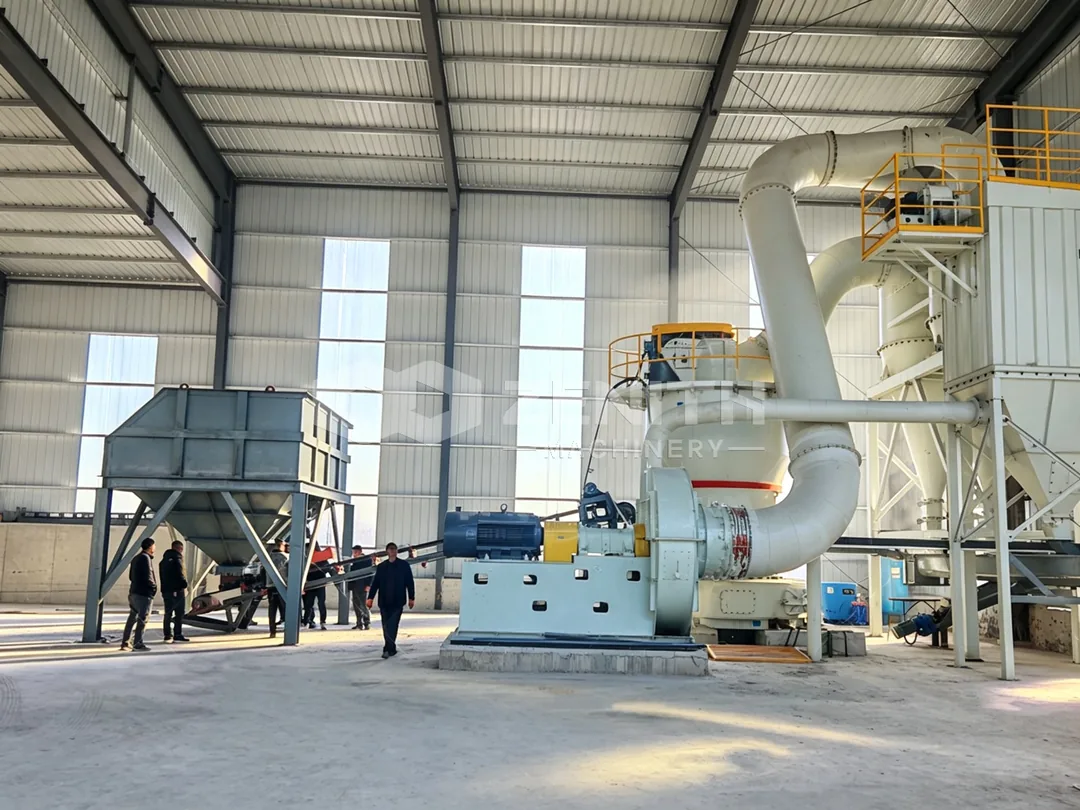
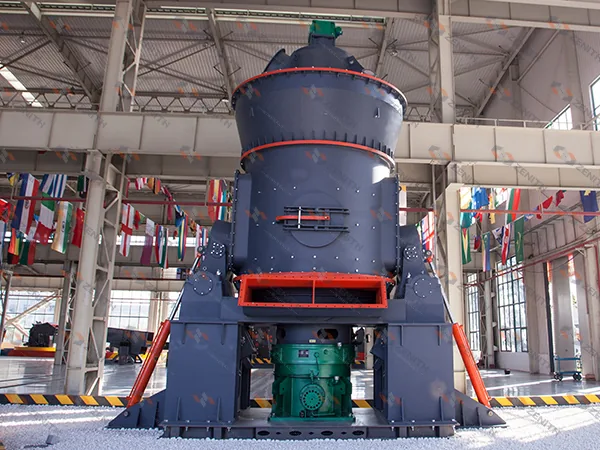
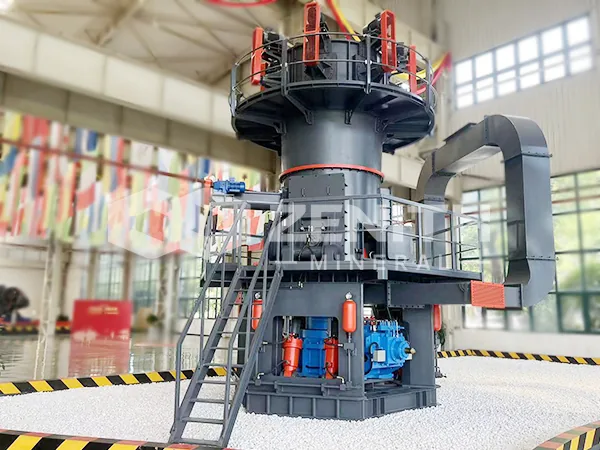
Blast furnace slag is notoriously hard and abrasive. Traditional ball mills consume enormous energy and require frequent maintenance of liners and grinding media. In contrast, the LM vertical roller mill integrates crushing, grinding, classifying, and drying in a single unit. Its compact design occupies only about 50% of the floor area of a ball mill system, which is a critical advantage in the urban setting of Córdoba where space is at a premium.
_1785176773668.jpg)
Key Benefits of the LM VRM for the Córdoba Bridge Project
High Purity and Whiteness of Finished Slag Powder
The LM mill’s unique grinding rollers and table design minimize iron contamination. For the 500 m²/kg fineness required, the mill precisely controls particle size distribution, ensuring the slag powder maintains its chemical purity and whiteness – essential for consistent concrete color and structural integrity.
60% Lower Energy Consumption Compared to Ball Mills
Under ideal conditions, the LM vertical roller mill consumes more than 60% less energy than a same-grade ball mill. For a project processing 30 tons per hour of slag, this translates into thousands of dollars in electricity savings every month – a crucial factor for the project’s long-term operational budget in Argentina.
Fully Automated Operation
The mill is equipped with an advanced PLC control system that allows remote monitoring and automatic adjustment of grinding pressure, separator speed, and material flow. Operators in Córdoba can switch between local and remote control with minimal training, reducing labor costs and human error.
_1785176773670.jpg)
Environmentally Friendly and Compliant with European Standards
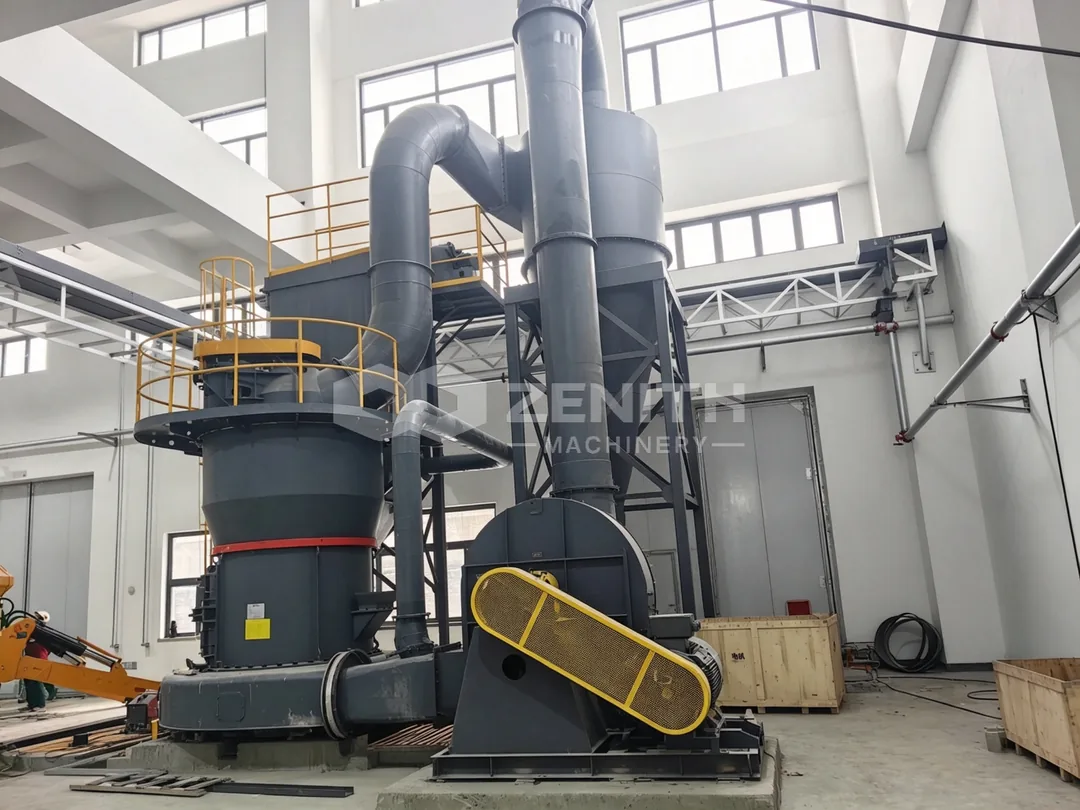
The LM mill operates under negative pressure with a sealed system, preventing any dust leakage. It meets EU CE certification and Argentina’s strict environmental regulations. The pulse dust collector ensures that the air released into the Córdoba atmosphere is clean – a vital consideration for a project located near residential areas.
How the LM Mill Works for Slag Grinding
Crushed slag (0–70 mm) is fed via a belt feeder onto the center of the rotating grinding table. Centrifugal force moves the material outward under the rollers. High-pressure hydraulic cylinders press the rollers against the material bed, achieving inter-particle crushing. Hot air (250–350°C) enters the mill, drying the slag and carrying the fine particles upward to the dynamic separator. Coarse particles are returned to the grinding zone, while fine powder (D97 = 500 m²/kg) passes through the separator and is collected in the baghouse. Iron debris is automatically discharged from the bottom cavity, protecting downstream equipment.
Project Scale and Configuration
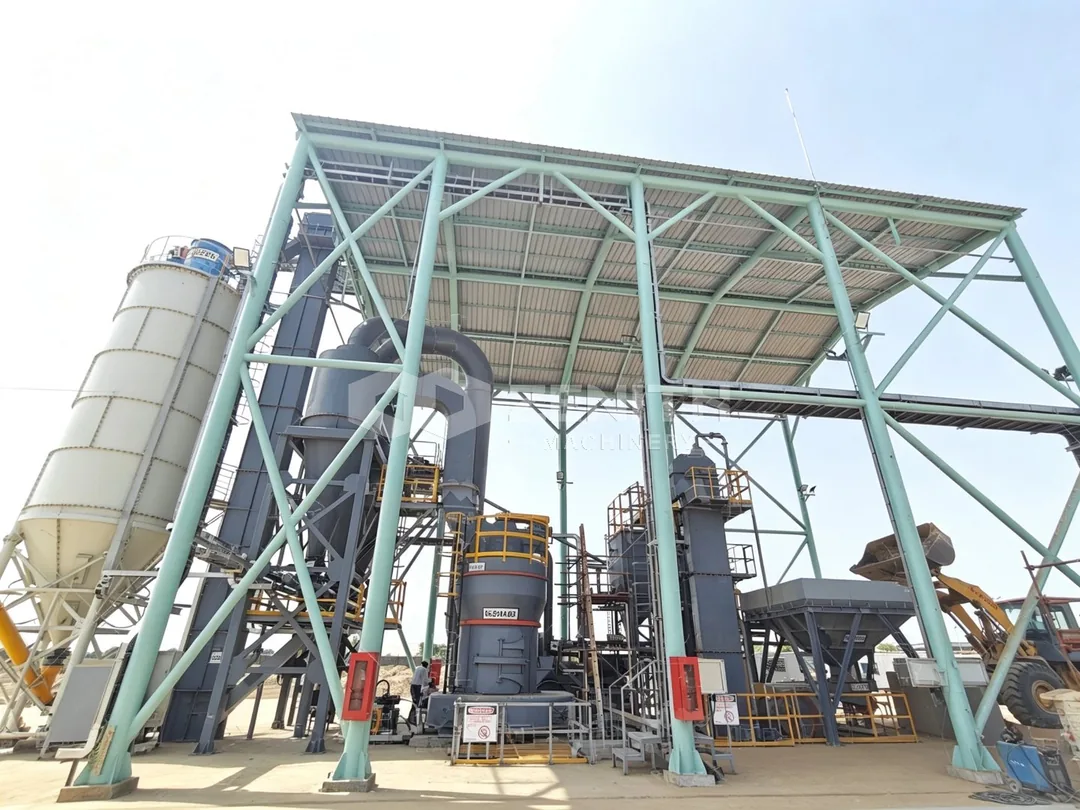
For the Córdoba bridge concrete project, Zenith proposed a single LM1700 vertical mill with a capacity of 30–35 t/h of GGBS at 500 m²/kg. The system includes a hot gas generator, a pulse dust collector, and a finished product silo. The total installed power is approximately 1,500 kW, yet the specific energy consumption is only 35–40 kWh per ton – far below the 70–80 kWh/t typical of ball mills.
_1785176773672.jpg)
Additional Options from Zenith’s Product Portfolio
While the LM mill is the ideal choice for large-capacity slag grinding, Zenith also offers the MTW European Trapezium Mill and MTM Medium Speed Trapezium Mill for smaller plants or those requiring 80–400 mesh fine powder. For ultra-fine grinding of slag (1250–2500 mesh), the LUM Ultrafine Vertical Roller Mill combines German powder-separating technology with Taiwan roller technology. However, for the 500 m²/kg (approx. 325 mesh) target of the Córdoba bridge, the LM series provides the best balance of capacity, energy efficiency, and product quality.
Technical Specifications of the LM Mill for This Application
- Model: LM1700
- Input Size: 0–70 mm (slag)
- Output Fineness: D97 = 500 m²/kg (≈ 325 mesh)
- Capacity: 30–35 t/h
- Main Motor Power: 1,200 kW
- Separator: Dynamic cage rotor with VFD
- Dust Collector: Pulse jet bag filter, emission < 10 mg/Nm³
- Automation: Remote + local control, touchscreen HMI
Global Trust, Local Support
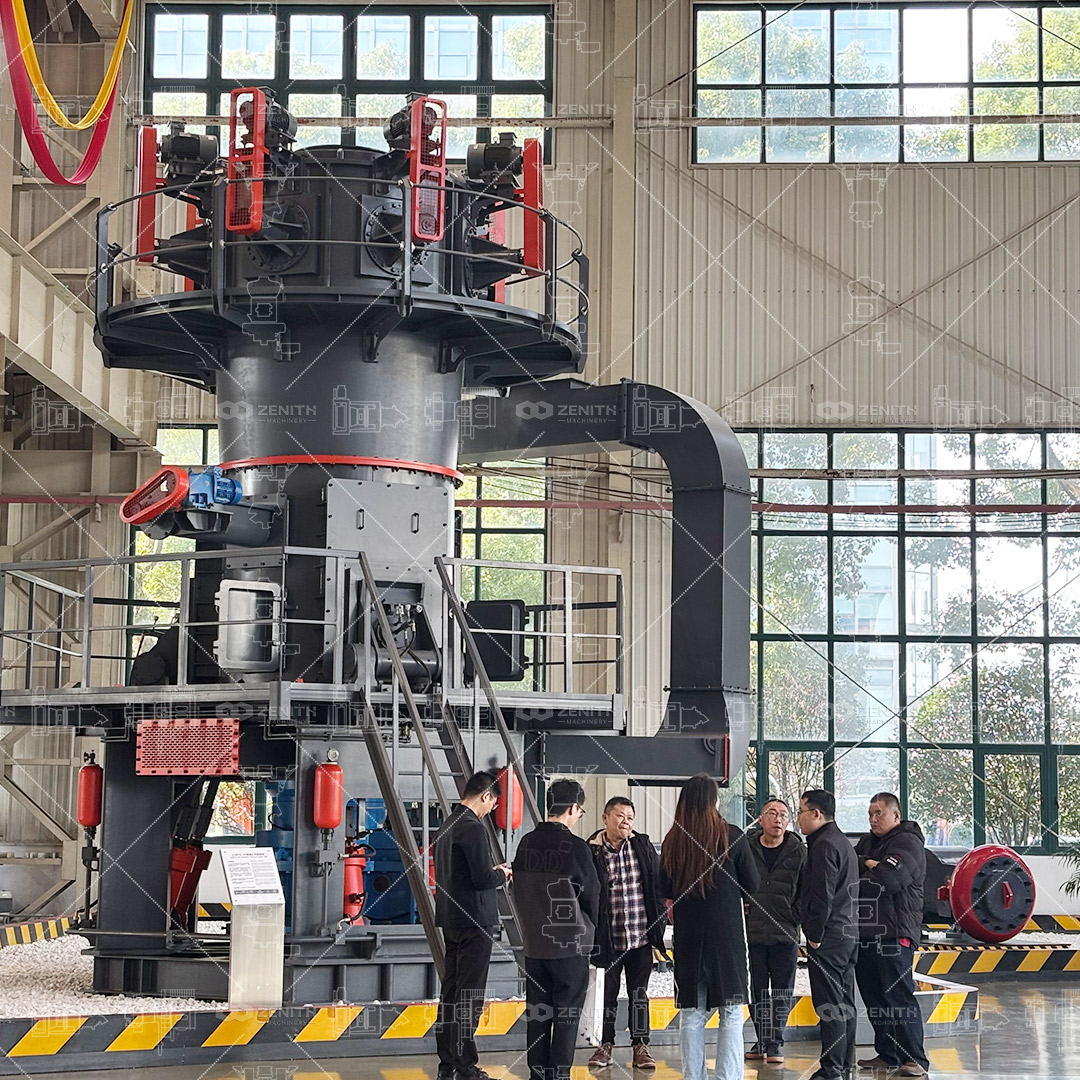
Zenith has supplied grinding equipment to over 180 countries, with offices in more than 30 nations. In Argentina, our local service team provides installation supervision, commissioning, and after-sales support. The Córdoba bridge project is yet another testament to the reliability and efficiency of Zenith’s LM vertical roller mill in demanding slag grinding applications.
Frequently Asked Questions (FAQ)
- Q: Can the LM vertical roller mill handle wet slag?
A: Yes, the mill can dry slag with moisture up to 15% using hot gas. For higher moisture, a dedicated drying system is recommended before feeding. - Q: What is the typical maintenance interval for roller liners?
A: With slag grinding, roller and liner life is typically 6,000–8,000 hours, depending on slag abrasiveness. Hardfacing can extend this by 30%. - Q: How does the LM mill achieve 500 m²/kg fineness consistently?
A: The dynamic separator rotor speed is precisely controlled by a VFD. An online particle size analyzer (optional) provides closed-loop feedback. - Q: What is the lead time for delivery to Córdoba?
A: Standard delivery is 90–120 days after order confirmation, including sea freight to Buenos Aires and ground transport to Córdoba. Expedited options are available. - Q: Can the same mill grind other materials like limestone or clinker?
A: Yes, the LM mill is versatile. It can grind limestone, clinker, coal, and various non-metallic ores by adjusting grinding pressure and separator speed. - Q: Is a hot gas generator always required for slag grinding?
A: Only if the slag moisture exceeds 2%. For dry slag, ambient air is sufficient, but preheating the air improves mill stability and production rate. - Q: How does the LM mill compare with the ball mill in terms of capital investment?
A: Although the LM mill has a higher unit cost, the total investment (including foundation, building, and auxiliary equipment) is about 30% lower due to its compact footprint and reduced auxiliary systems.