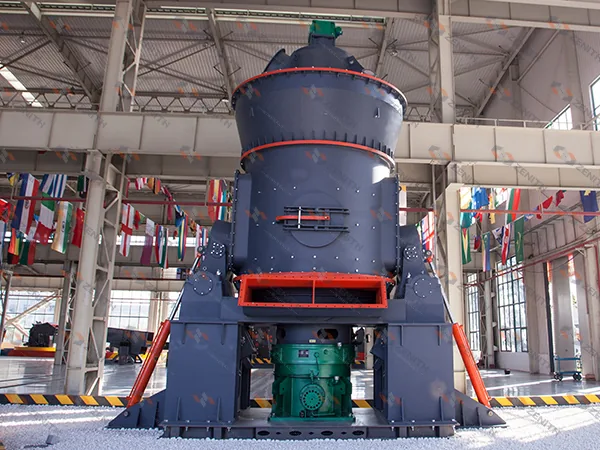
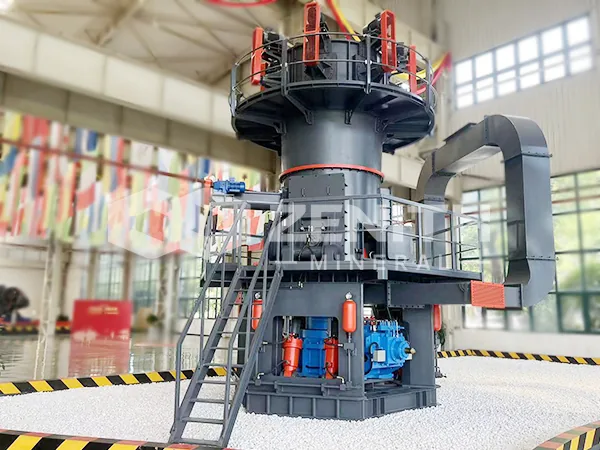
Hgm110 ultrafine grinding mill for fly ash 1150 mesh andes mortar in quito, ecuador
2026-07-11 02:26:30
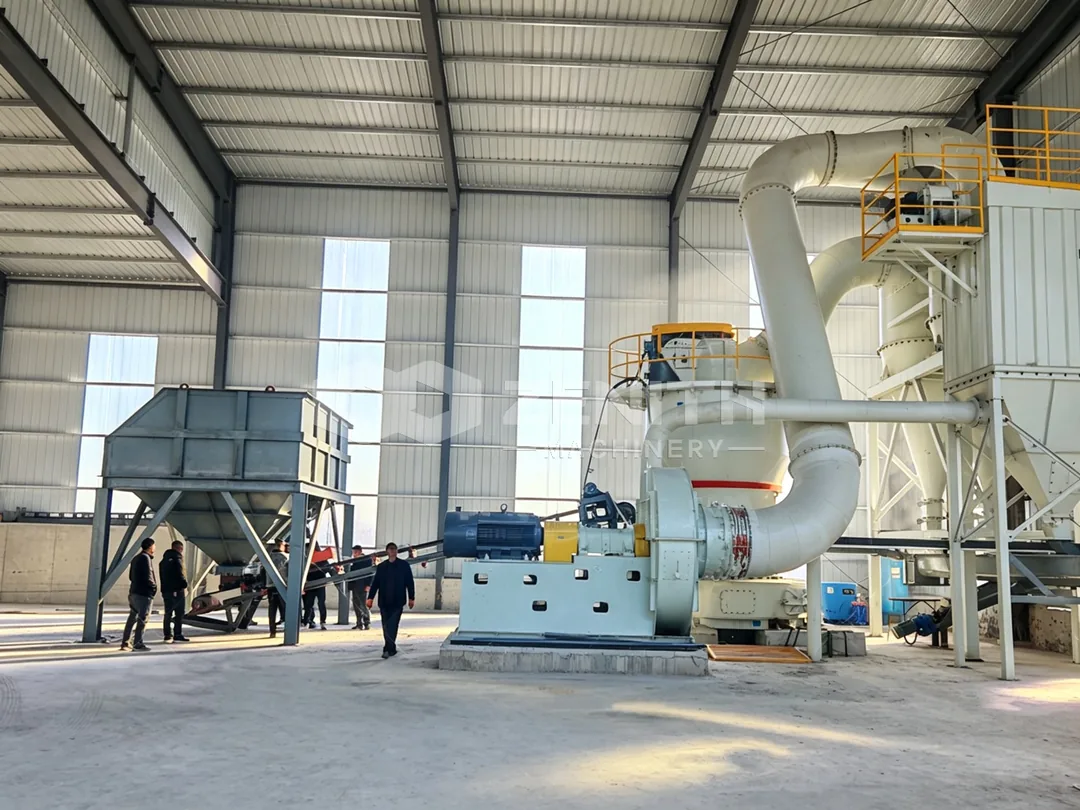
In the heart of Quito, Ecuador, where the Andes mountains cast their long shadows over a rapidly urbanizing landscape, the construction industry faces a unique challenge: producing high-performance andes mortar with ultrafine fly ash. Fly ash, a byproduct of coal-fired power plants, is abundant in Ecuador, but its full potential remains untapped without advanced milling technology. Enter the Hgm110 Ultrafine Grinding Mill, a flagship product from Shanghai Zenith Machinery Co., Ltd., designed to transform fly ash into a 1150-mesh micro powder that meets the stringent requirements of modern mortar production. This article delves into the technical prowess of the Hgm110, its application in Quito's unique environment, and how Zenith's global expertise ensures local success.
_1783707990613.jpg)
Tailored for Fly Ash: Achieving 1150 Mesh
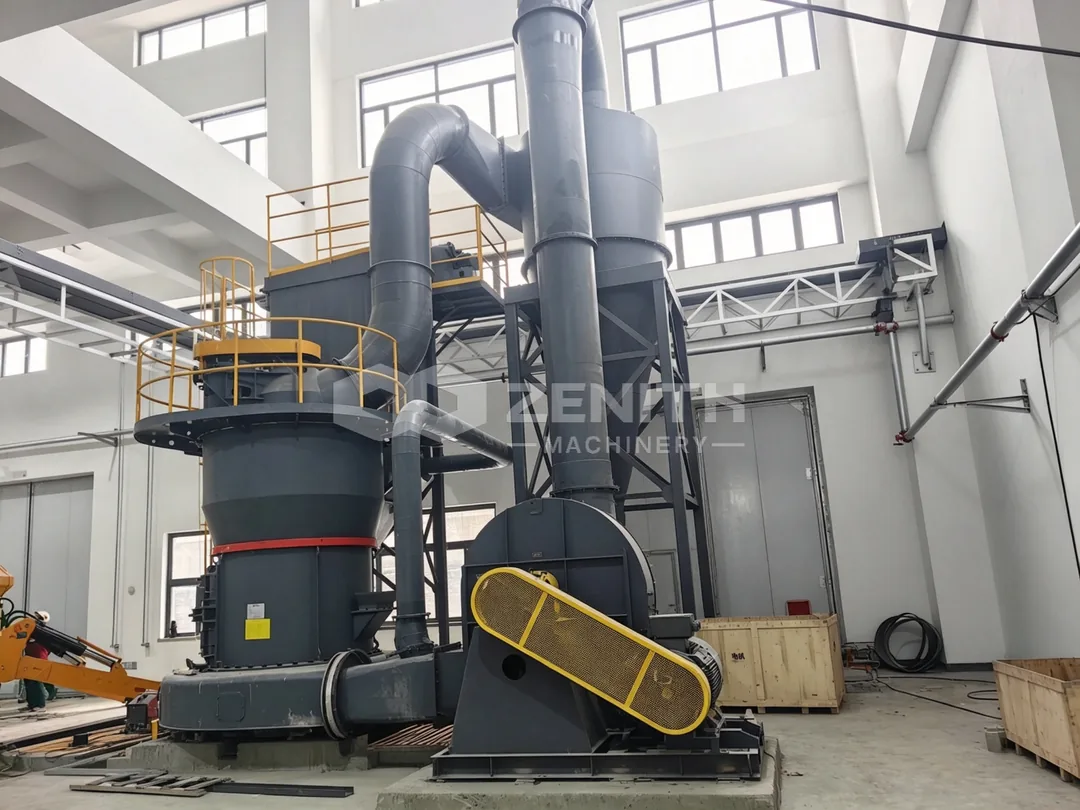
Fly ash, when ground to 1150 mesh (approximately 12 microns), exhibits enhanced pozzolanic activity, making it an ideal additive for andes mortar. The Hgm110, part of Zenith's ultrafine grinding lineup, is engineered to consistently produce powder within the 325-3250 mesh range. With a capacity of 5-18 tons per hour and an input size of 0-10mm, this mill is perfectly suited for Ecuadorian fly ash, which typically contains silica, alumina, and unburned carbon. The mill's LUM Ultrafine Vertical Grinding Mill technology, which integrates German powder separation and Taiwanese roller technology, ensures that 97%% of the output passes through a 1150-mesh sieve, delivering the uniformity required for high-strength mortar.
The Challenge: Quito's High Altitude and Variable Humidity
Quito sits at 2,850 meters above sea level, where lower atmospheric pressure and cooler temperatures can affect mill performance. Standard grinding mills often struggle with reduced air density, leading to inefficient classification and higher energy consumption. The Hgm110 overcomes this with its high-efficiency impeller fan, which maintains induced air efficiency at 85%% even in thin air conditions. Additionally, the mill's sealed, negative-pressure operation prevents dust spillover—a critical feature for Ecuador's growing environmental regulations. Zenith's engineers have calibrated the system for Quito's climate, ensuring stable operation during the rainy season when fly ash moisture can spike to 15%%.
_1783707990616.jpg)
Why Andes Mortar Demands Ultrafine Fly Ash
Andes mortar, derived from volcanic andesite rock, is prized in Ecuadorian construction for its durability and thermal resistance. However, traditional mortar mixes often suffer from cracking and low workability. Incorporating 1150-mesh fly ash reduces water demand by 20-30%%, improves compressive strength by 15-20%%, and enhances sulfate resistance. The Hgm110's grinding rollers apply precise pressure—up to 10 MPa—to break down fly ash's spherical particles without over-grinding, preserving their beneficial morphology. This results in a mortar that flows smoothly, sets evenly, and lasts decades in Quito's seismic zone.
Zenith's Global Standards, Local Support
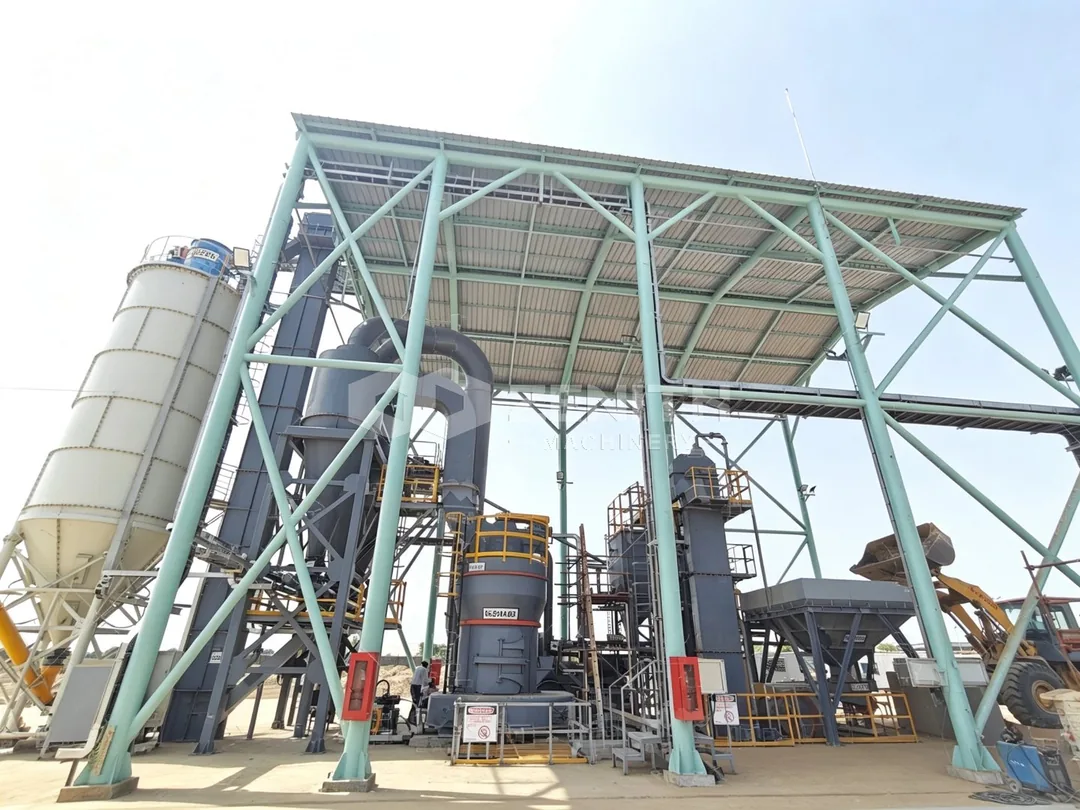
Shanghai Zenith Machinery, with ISO, CE, and CU-TR certifications, brings decades of experience to Ecuador. The Hgm110's design minimizes comprehensive investment—its compact footprint occupies 50%% less space than a ball mill system, crucial for Quito's constrained industrial zones. Energy consumption is 30-50%% lower than conventional mills, a boon for Ecuador's power grid. Zenith's local partners in Quito provide on-site installation, training, and spare parts, leveraging the company's network of over 30 overseas offices. Since 2020, two Hgm110 units have been operational in the Cuenca region, processing fly ash for a major cement manufacturer, with a third unit now destined for the capital.
Technical Specifications and Performance
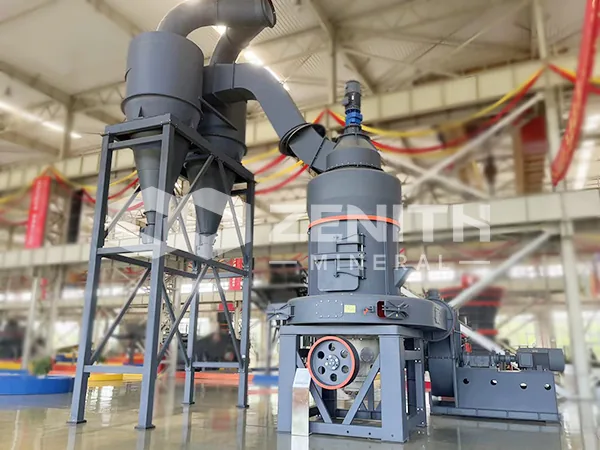
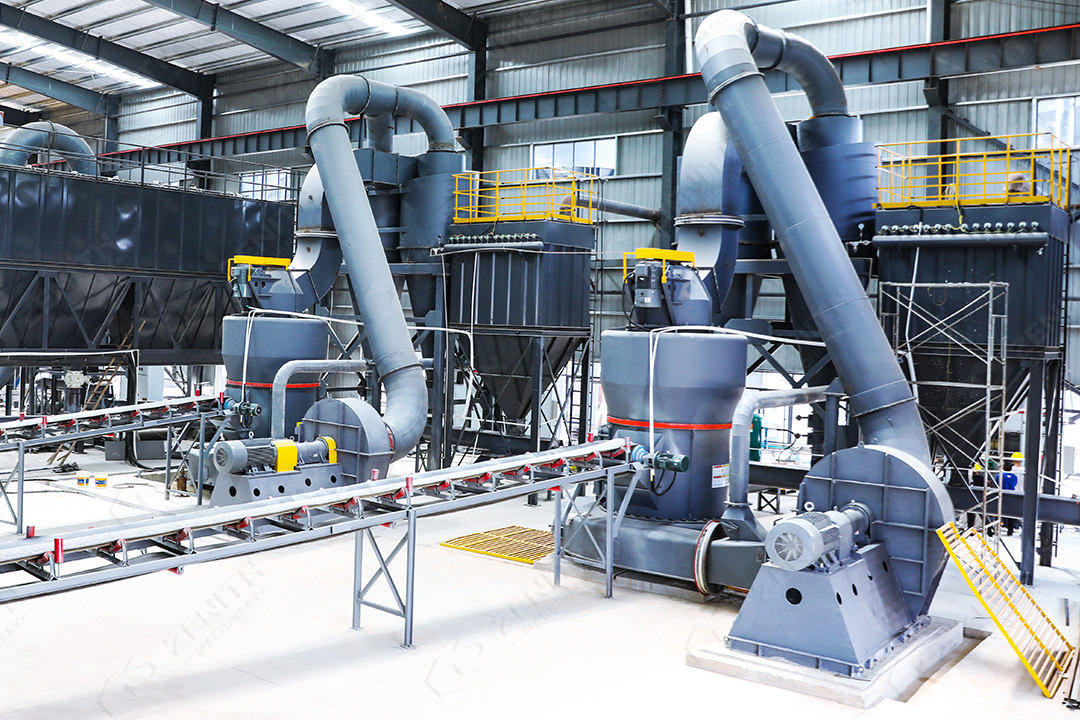
Key parameters of the Hgm110 for fly ash processing include: Capacity: 8-12 T/H (adjustable based on feed moisture); Input Size: 0-8mm (after pre-crushing); Output Size: D97 < 12 microns (1150 mesh); Main Motor Power: 185 kW; Classifier Speed: 1500–3000 RPM (variable frequency drive). The mill's hydraulic system allows quick roller sleeve replacement within 4 hours, minimizing downtime. A pulse dust collector ensures emissions below 20 mg/Nm³, meeting Ecuador's environmental standards. The entire system operates under negative pressure, with a PLC-based automation suite that supports remote monitoring via mobile app—ideal for Quito's decentralized project sites.
Future of Fly Ash in Ecuador
As Ecuador's infrastructure boom continues—driven by hydroelectric dams, roads, and housing—the demand for sustainable construction materials grows. The Hgm110 positions fly ash as a premium additive, potentially reducing cement consumption by 30%% in mortar production. Zenith's R&D team is exploring a variant for processing volcanic ash from the Andes, which shares chemical similarities with fly ash. With proper maintenance, the Hgm110 delivers a service life exceeding 15 years, making it a strategic investment for Quito's mortar producers. The mill's ability to switch between 800-mesh and 2500-mesh also future-proofs operations against evolving market needs.
_1783707990621.jpg)
Conclusion
The Hgm110 Ultrafine Grinding Mill is more than a machine—it's a catalyst for Ecuador's green construction revolution. By turning industrial waste into high-value 1150-mesh powder, it enables andes mortar that is stronger, more workable, and environmentally responsible. For Quito's engineers and contractors, the Hgm110 offers reliability, efficiency, and the support of a global leader. Contact Zenith's Ecuador team for a feasibility study or pilot test—your next project deserves the finest grind.
Frequently Asked Questions (FAQ)
- Q: Can the Hgm110 handle fly ash with high moisture content from Quito's humid climate?
A: Yes, the mill is designed to process materials with moisture up to 15%%. The integrated hot air system can be activated for drying, ensuring stable grinding without clogging. We recommend a pre-drying step for moisture above 12%% for optimal throughput. - Q: What is the typical power consumption for grinding fly ash to 1150 mesh?
A: Under normal conditions, the Hgm110 consumes 40-50 kWh per ton for fly ash at 1150 mesh. This is 40%% less than a ball mill, thanks to the vertical roller design and efficient classifier. - Q: How often do the grinding rollers need replacement for fly ash application?
A: With proper operation, roller sleeves last 8,000-10,000 hours when processing fly ash with less than 5%% silica. Zenith's reversible roller design allows easy flipping—extending life by 50%%. - Q: Is the Hgm110 suitable for other materials besides fly ash?
A: Absolutely. It handles limestone, calcite, marble, barite, dolomite, talc, and many non-metallic ores up to 6 mohs hardness. For andes mortar, it can also grind volcanic ash and quartz powder. - Q: What space is required for installation in Quito's industrial parks?
A: The complete mill system, including feeder, main unit, classifier, and dust collector, occupies roughly 300-400 m². A 5-meter ceiling height is sufficient, and outdoor installation is possible with weatherproofing. - Q: Does Zenith provide after-sales service in Ecuador?
A: Yes, we have an authorized service center in Quito with 2 engineers and a stock of common spare parts. Remote troubleshooting via video call is available 24/7, and annual maintenance contracts are offered. - Q: Can the Hgm110 produce fineness finer than 1150 mesh for specialty mortar?
A: By adjusting the classifier speed (up to 3000 RPM) and using optional high-classification efficiency rotors, the mill can achieve D97 at 2500 mesh (5 microns). This is ideal for high-end mortar or grouting applications.