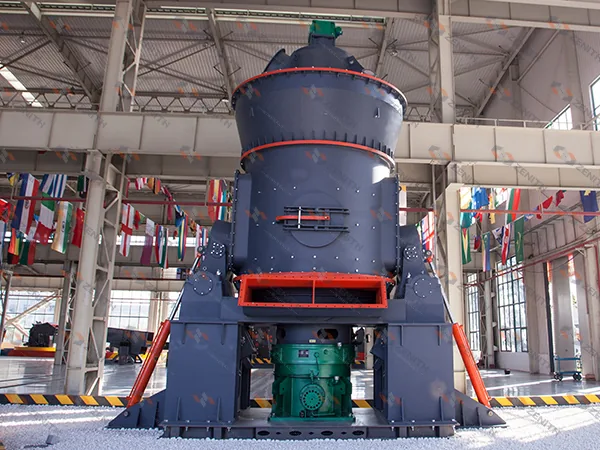
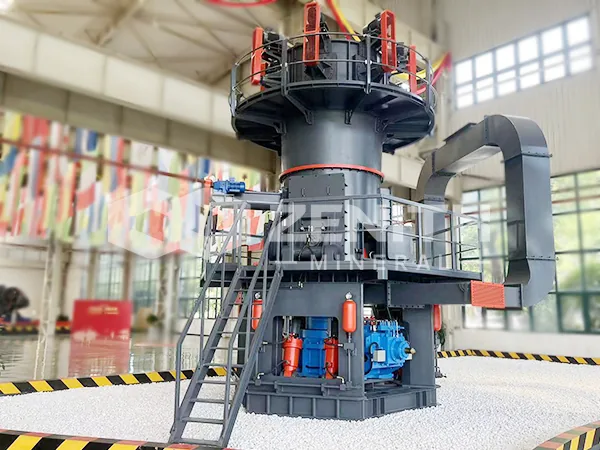
Hlm vertical roller mill for hard gypsum 350 mesh self-leveling mortar powder in rio, brazil
2026-07-02 02:28:05
In the bustling industrial landscape of Rio de Janeiro, Brazil, the demand for high-quality self-leveling mortar powder is rising, driven by booming construction and infrastructure projects. To meet the specific requirements of producing 350 mesh powder from hard gypsum, Zenith's HLM vertical roller mill emerges as a pivotal solution. This article explores the technical prowess of the HLM mill, its suitability for self-leveling mortar applications, and how it aligns with the needs of Brazilian manufacturers seeking efficiency, reliability, and superior product quality.
Understanding the Application: Hard Gypsum for Self-Leveling Mortar
Self-leveling mortar (SLM) is a cementitious mixture used to create smooth, level surfaces before floor covering installations. Hard gypsum, a calcium sulfate dihydrate mineral, is a key component due to its setting properties and ability to enhance workability. For SLM, achieving a fineness of 350 mesh (approximately 44 microns) is critical. This particle size ensures excellent flowability, reduced water demand, and uniform curing. However, hard gypsum presents challenges due to its high hardness and abrasiveness. Traditional grinding mills often struggle with energy efficiency, wear, and maintaining consistent output fineness.
The HLM vertical roller mill from Zenith is engineered to overcome these hurdles. With a capacity range of 3 to 340 tons per hour and an input size up to 70 mm, it is ideal for continuous, large-scale production. Its output fineness can be precisely controlled between 80 and 400 mesh, making 350 mesh easily achievable. For Rio's industrial sector, this means a reliable supply of premium gypsum powder for SLM, reducing downtime and operational costs.
_1782930485829.jpg)
Key Features of the HLM Vertical Roller Mill for Hard Gypsum
High Purity of Material
One of the standout features of the HLM mill is its ability to control product size, chemical composition, and iron content. When grinding hard gypsum, this ensures the finished powder has minimal contamination, preserving the whiteness and purity required for self-leveling mortar. This is particularly important in Brazil, where aesthetic standards for floor finishes are high.
Less Comprehensive Investment
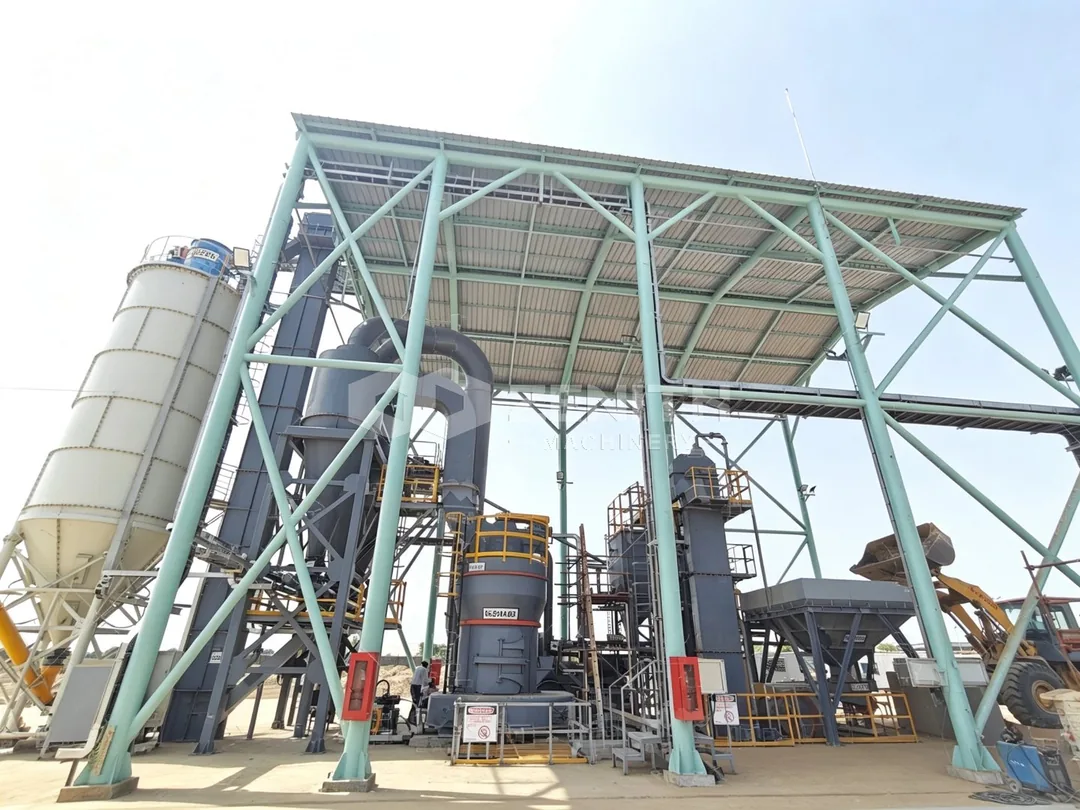
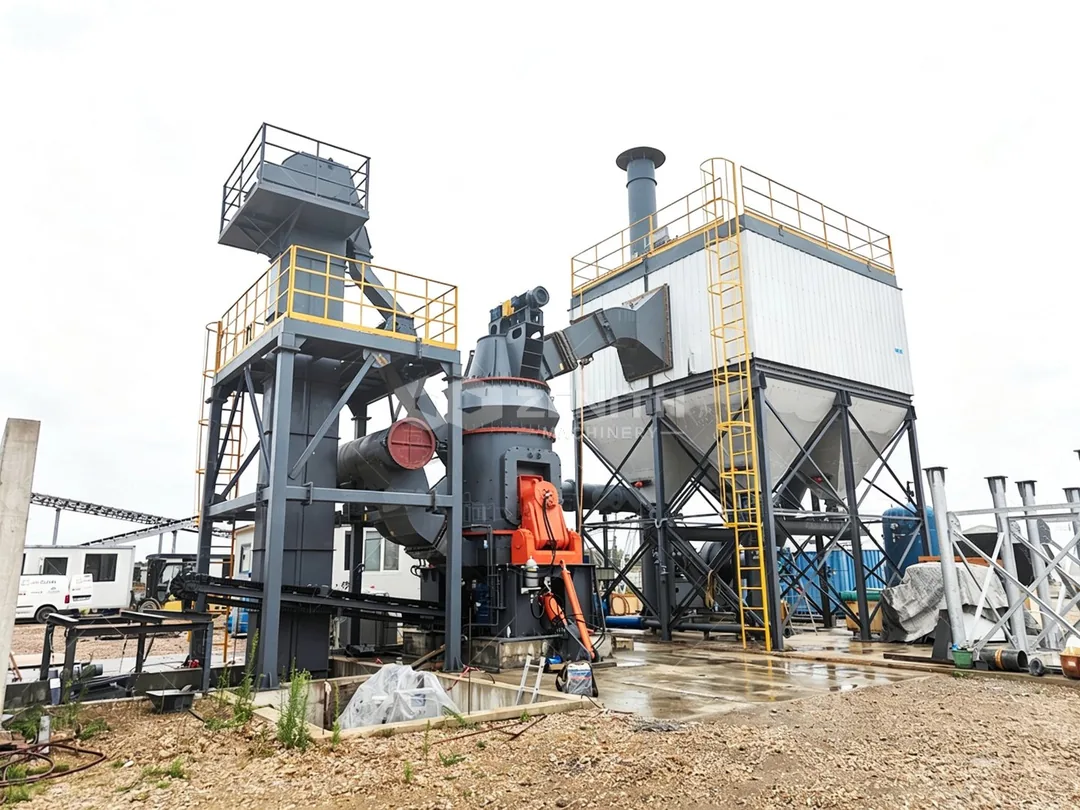
Zenith's HLM mill adopts a compact integrated design, covering about 50% of the area required by a ball mill system. It can be arranged in open air, significantly reducing civil construction costs in Rio's urban industrial zones. For a producer setting up a new line, this translates to faster ROI and lower capital expenditure.
High Degree of Automation
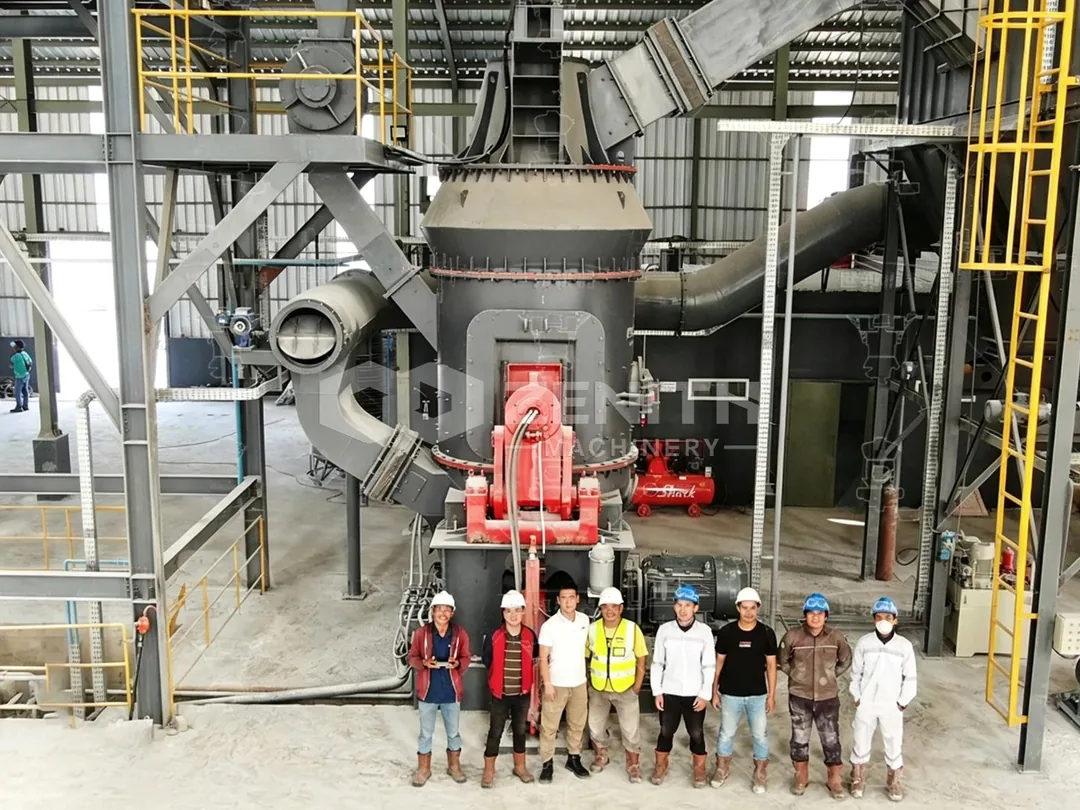
Equipped with an advanced automatic control system, the HLM mill supports remote and local operation, making it easy to monitor and adjust. In a busy plant in Rio, this reduces labor costs and human error. The system can run 24/7, which is essential for meeting the high demand for self-leveling mortar in the region's construction boom.
Environmentally Friendly
The mill operates under negative pressure, with a sealed design that prevents dust spillover, vibration, and noise. This aligns with Brazil's strict environmental regulations and improves working conditions. For a facility near residential areas in Rio, this is a crucial advantage.
Energy Efficiency
Compared to ball mills, the HLM vertical roller mill achieves more than 60% energy savings under ideal conditions. For hard gypsum processing, this is transformative, as electricity costs in Brazil can be high. Lower consumption per ton of powder directly boosts profitability.
_1782930485832.jpg)
Working Principle for Gypsum Grinding
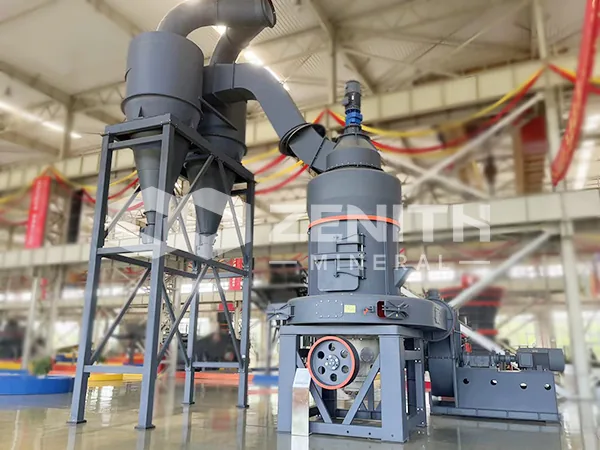
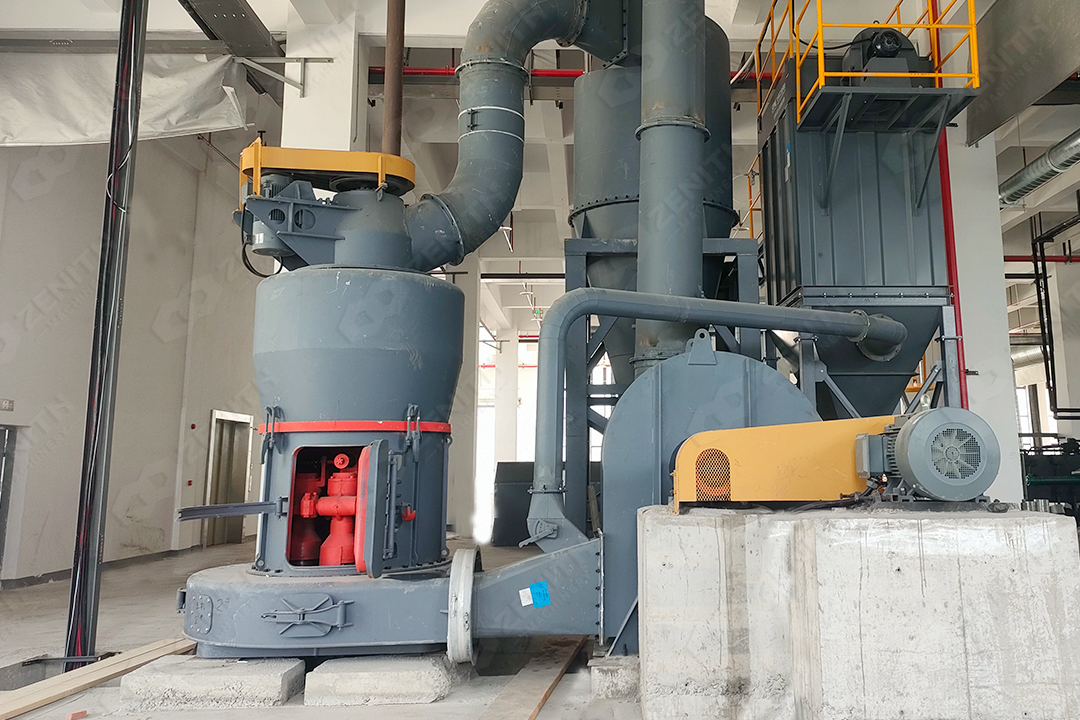
The HLM mill operates with a vertical structure where the main motor drives the grinding disc via a reducer. Pre-crushed hard gypsum (typically <70 mm) is fed into the center of the disc. Centrifugal force spreads material evenly, and grinding rollers crush it into a bed for inter-particle comminution. Hot air entering the chamber carries finer particles upward to a dynamic separator. Coarse particles return for regrinding, while 350 mesh powder passes through, collected by a cyclone and bag filter. Iron debris automatically falls into a lower cavity for removal, ensuring product purity.
This closed-loop system is ideal for hard gypsum because it minimizes wear on components while maintaining consistent fineness. The adjustable separator speed allows operators to fine-tune output to exactly 350 mesh, meeting SLM specifications without trial batches.
Why Choose Zenith for Rio de Janeiro Projects?
Shanghai Zenith Machinery Co., Ltd. has a global footprint, with offices in over 30 countries and equipment installed in more than 180 regions. In Brazil, particularly Rio, Zenith's reputation for durable, high-capacity mills is well-known. Our HLM mill is certified with ISO, CE, and CU-TR standards, guaranteeing safety and performance. For the self-leveling mortar market, where consistency is key, Zenith's technical support and after-sales service ensure minimal downtime.
Consider the case of a hypothetical plant in Rio's industrial district producing 20 tons per hour of 350 mesh gypsum powder. An HLM mill with a capacity of 22-30 t/h would operate comfortably, with energy consumption roughly 40% lower than a comparable ball mill setup. The lower maintenance requirements of the vertical roller design further reduce operating costs, making it a wise investment for long-term projects.
Conclusion
The HLM vertical roller mill is a robust, efficient, and environmentally conscious solution for grinding hard gypsum to a fine 350 mesh for self-leveling mortar powder in Rio, Brazil. Its automation, energy savings, and material purity advantages make it ideal for producers aiming to meet the stringent demands of modern construction. With Zenith's global expertise, this mill offers a pathway to enhanced productivity and quality in the Brazilian market.
Frequently Asked Questions (FAQ)
1. What is the typical capacity of the HLM mill for hard gypsum grinding?
The HLM vertical roller mill can process hard gypsum at capacities from 3 to 340 t/h, depending on the model. For 350 mesh self-leveling mortar powder, a mid-range unit like the HLM 1300 can produce up to 25-30 t/h, making it suitable for medium to large-scale operations.
2. Can the HLM mill achieve a fineness of exactly 350 mesh without sieving?
Yes, the HLM mill's dynamic separator allows precise adjustment of the classifier rotor speed. By setting the control panel to 350 mesh parameters, over 99% of the output will meet this specification, significantly reducing the need for post-grinding sieving.
3. How does the HLM mill handle the abrasiveness of hard gypsum?
The mill is built with wear-resistant materials for critical components like rollers and liners. The grinding bed design minimizes metal-to-metal contact, extending operating life. Additionally, the automatic grit removal system ejects iron particles, reducing internal wear.
4. What is the energy consumption compared to a ball mill for the same output?
Under ideal conditions, the HLM mill consumes up to 60% less energy than a ball mill of comparable capacity. For hard gypsum to 350 mesh, actual savings are typically 40-50%, lowering electricity costs significantly in high-power markets like Brazil.
5. Is the HLM mill suitable for continuous 24/7 operation?
Absolutely. The HLM mill is designed for non-stop, constant operation, making it ideal for industrial environments. Its automated system, including remote monitoring, ensures reliability with minimal manual intervention, even during long shifts.
6. What environmental certifications does the HLM mill hold?
Zenith's HLM mill complies with ISO 14001 environmental management standards and meets EU CE and CU-TR certification requirements. The sealed, negative-pressure design ensures dust emissions are below local Brazilian limits, making it suitable for urban installations.
7. Can I integrate the HLM mill with my existing crushing and packaging lines?
Yes, the HLM mill is designed for modular integration. Its independent system from bulk material feeding to finished powder collection allows easy connection to existing crushers, silos, and bagging stations. Zenith's engineering team can customize the layout for your Rio plant.