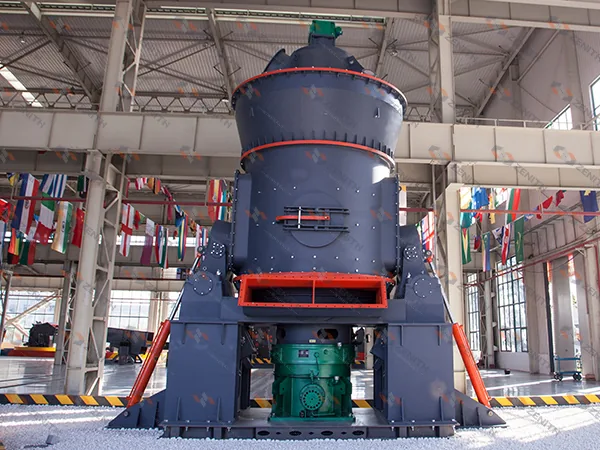
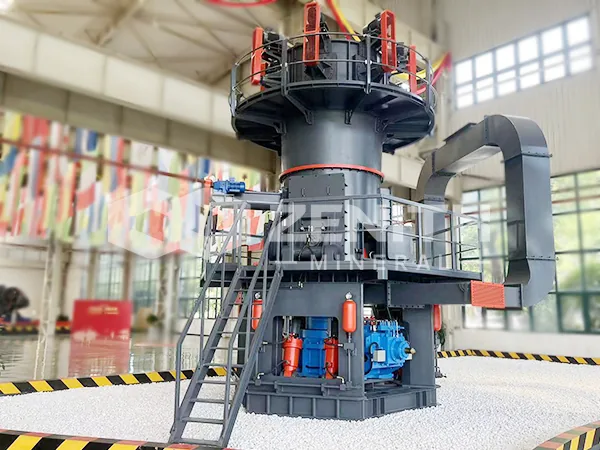
An egyptian phosphate enterprise buys 10t/h phosphate rock pulverizing production line with 300 mesh finished fineness
2026-06-01 02:26:52
In the competitive landscape of mineral processing, efficiency, reliability, and precise product quality are non-negotiable. Recently, a leading phosphate enterprise in Egypt decided to upgrade its processing capabilities by investing in a 10-ton-per-hour (t/h) phosphate rock pulverizing production line, targeting a finished fineness of 300 mesh. After evaluating multiple global suppliers, the company chose Shanghai Zenith Machinery Co., Ltd. as its technology partner. This article delves into the decision-making process, the equipment selected, and the operational benefits realized.
Project Background and Requirements
The Egyptian client operates a large-scale phosphate beneficiation complex. Their need was clear: a reliable, high-capacity grinding system that could process phosphate rock (typical feed size 0–35 mm) to a uniform 300-mesh powder (approximately 48 microns) at a consistent rate of 10 tons per hour. Key criteria included low energy consumption, minimal downtime, strict environmental compliance, and the ability to adjust fineness for future product diversification.
Why Zenith? A Trusted Global Partner
Shanghai Zenith Machinery Co., Ltd., a hi-tech engineering group with over three decades of experience, stood out due to its comprehensive product range and global footprint. Zenith's equipment holds ISO, CE, and CU-TR certifications, and its marketing network spans more than 180 countries, including extensive operations in Africa. For this project, Zenith proposed a solution centered on the MTW European Trapezium Mill, a machine renowned for its large capacity (up to 50 t/h on the largest model), energy efficiency (60% lower consumption than ball mills), and modular fineness adjustment.
The Selected Solution: MTW European Trapezium Mill
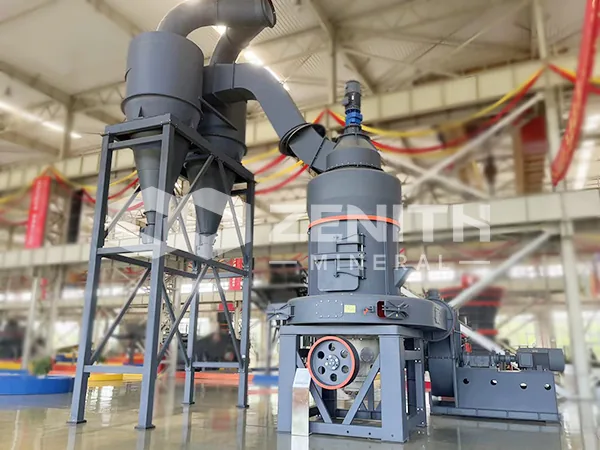
After detailed technical discussions, the Egyptian team selected the MTW series trapezium mill as the core grinding unit. Here is how it met their requirements:
- Capacity & Fineness: The MTW mill delivers 3–22 t/h with an output of 30–325 mesh. By adjusting the modular impeller, 300 mesh was achieved with ease.
- Energy Savings: Compared to a traditional ball mill, the MTW reduces power consumption by over 60%, drastically lowering the plant's operational costs.
- Compact Design: The mill integrates bulk material handling to finished powder collection, requiring less investment in plant foundations and building area.
- Environmental Compliance: The system operates under positive/negative pressure with a pulse dust collector, meeting Egyptian environmental standards for dust emission.
_1780252012033.jpg)
System Workflow and Key Features
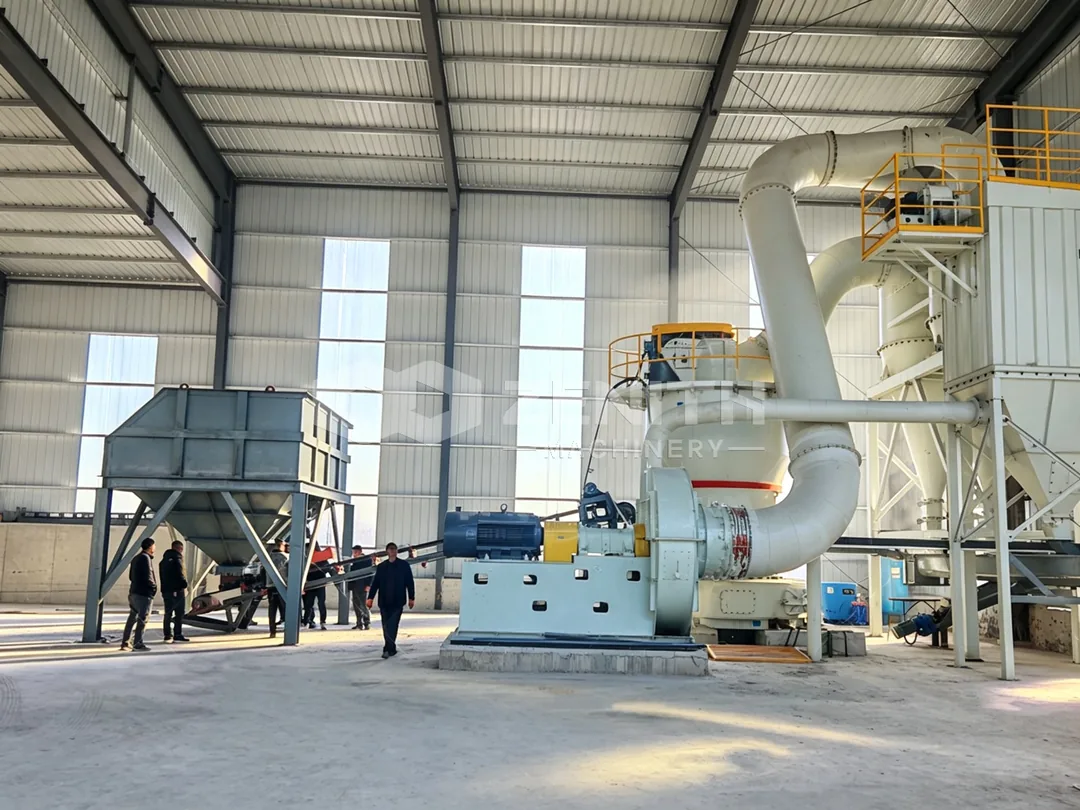
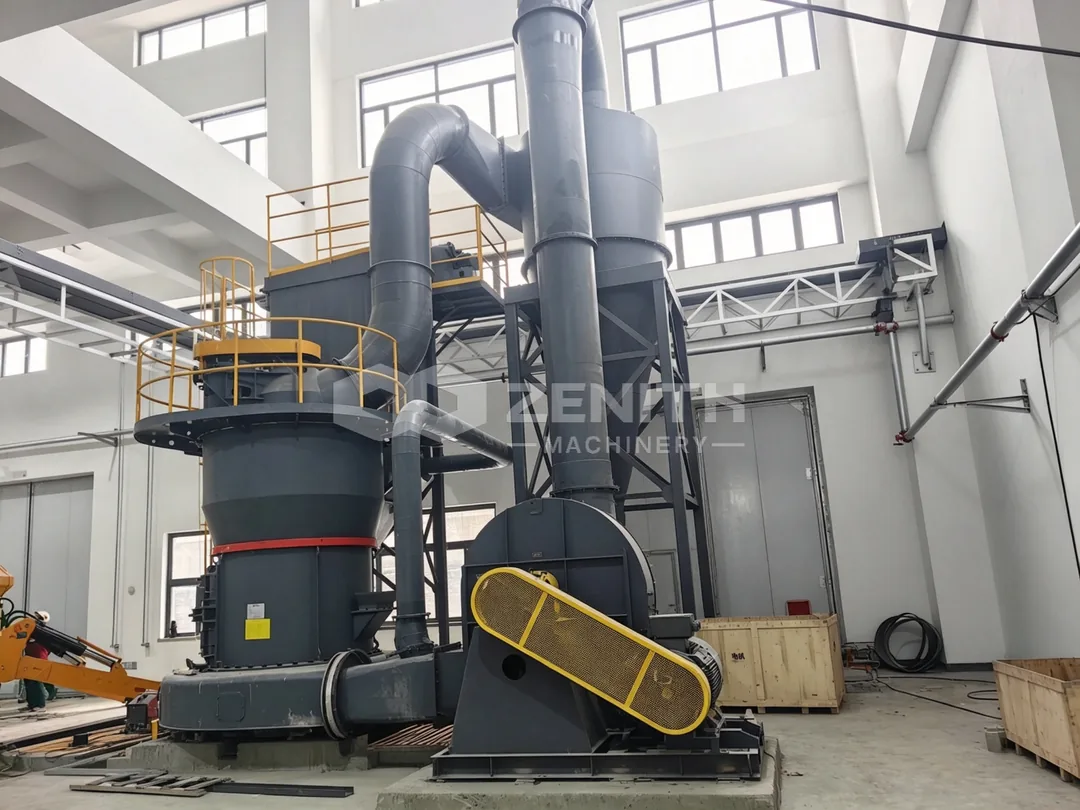
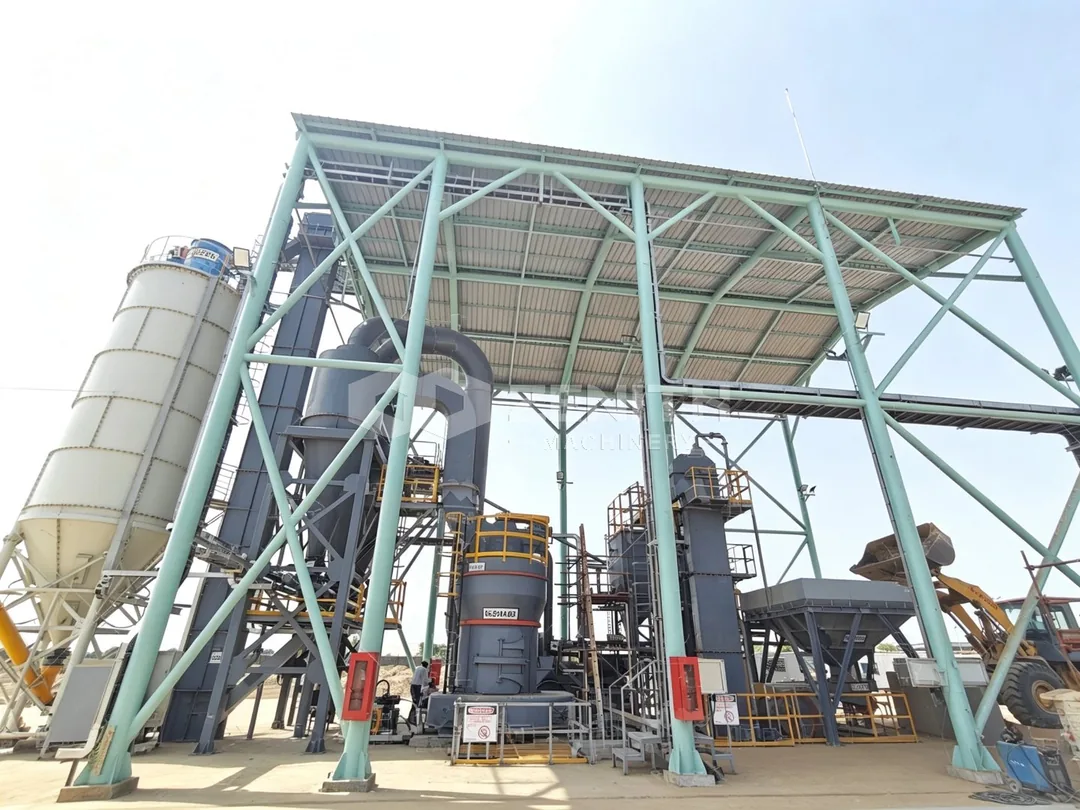
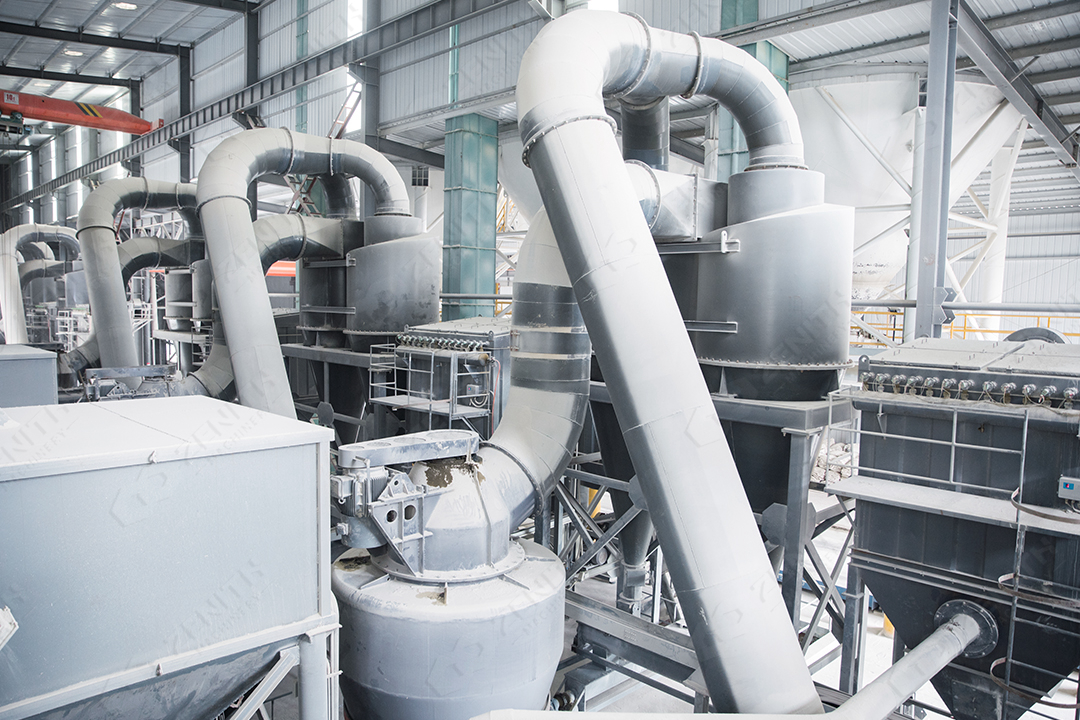
The production line operates as follows: Crushed phosphate rock (≤35 mm) is fed via a variable-frequency belt feeder into the MTW mill's grinding chamber. The material is crushed between the roller and grinding ring, then transported by airflow to a high-efficiency classifier (impeller fan with 85% induced air efficiency). Coarse particles fall back for regrinding, while qualified 300-mesh powder is collected in a cyclone and pulse dust collector. The entire system is automated, requiring minimal manual intervention.
Additional advantages of the MTW mill include:
- Adjustable Output Fineness: Changing only the classifier impeller allows production from 80 to 325 mesh, offering flexibility for future products.
- Higher Induced Air Efficiency: The advanced impeller fan boosts efficiency from 62% to 85%, improving overall throughput and reducing power waste.
- Low Maintenance: Wear parts are made of high-quality abrasion-resistant steel, and the modular design simplifies replacement.
Operational Results and Client Feedback
Six months after commissioning, the 10 t/h phosphate rock grinding line is operating at full capacity. The client reports consistent 300-mesh fineness with >99% screening efficiency. Energy bills have dropped by nearly 60% compared to their old ball mill system. The plant manager commented, “Zenith’s MTW mill not only meets our production targets but also operates so quietly and cleanly that it feels like a different industry. The after-sales support from their African regional office has been outstanding.”
_1780252012035.jpg)
Conclusion
This case study highlights how Zenith's MTW European Trapezium Mill delivered a cost-effective, high-performance solution for an Egyptian phosphate enterprise. By combining advanced technology with local support, Zenith continues to empower mineral processors in Africa and beyond to achieve their production goals sustainably.
Frequently Asked Questions (FAQ)
- Q: What is the maximum capacity of the MTW mill for phosphate rock at 300 mesh?
A: For phosphate rock with a typical feed size of 0–35 mm, the MTW mill can achieve up to 22 t/h at 325 mesh. At 300 mesh, a capacity of 10 t/h is easily attainable with the medium-sized model. - Q: How does the MTW mill reduce energy consumption compared to a ball mill?
A: Under ideal conditions, the MTW trapezium mill consumes over 60% less energy than a same-grade ball mill. This is due to its efficient grinding mechanism, higher airflow efficiency (85% vs. 62%), and reduced friction from its curved shovel design. - Q: Can the same mill produce different finenesses for other minerals?
A: Yes. The MTW mill features a modular impeller adjustment device. By replacing the classifier impeller, operators can produce fineness ranging from 80 mesh to 325 mesh. It is widely used for limestone, gypsum, barite, and many non-metallic minerals. - Q: What after-sales support does Zenith offer in Egypt?
A: Zenith has established a regional network covering Africa, including Egypt. Services include on-site commissioning, operator training, spare parts supply, and remote technical support via overseas offices. The company has offices in more than 30 countries globally. - Q: Does the MTW mill system require a separate dust collector?
A: The MTW mill is designed as an integrated system and is typically paired with a pulse dust collector (supplied by Zenith as part of the complete line). This ensures that emissions meet stringent environmental standards, including those in Egypt. - Q: What is the typical payback period for investing in an MTW mill versus a ball mill?
A: While the initial investment for an MTW mill might be slightly higher, the energy savings (60% reduction) and lower maintenance costs often result in a payback period of 12–18 months, depending on local electricity prices and production volume. - Q: Can the MTW mill handle high-moisture phosphate rock?
A: The MTW mill can accept materials with moisture up to 6%. For higher moisture, a hot air system can be integrated to dry the material during grinding. Zenith offers optional hot air ducts for such applications.
_1780252012037.jpg)