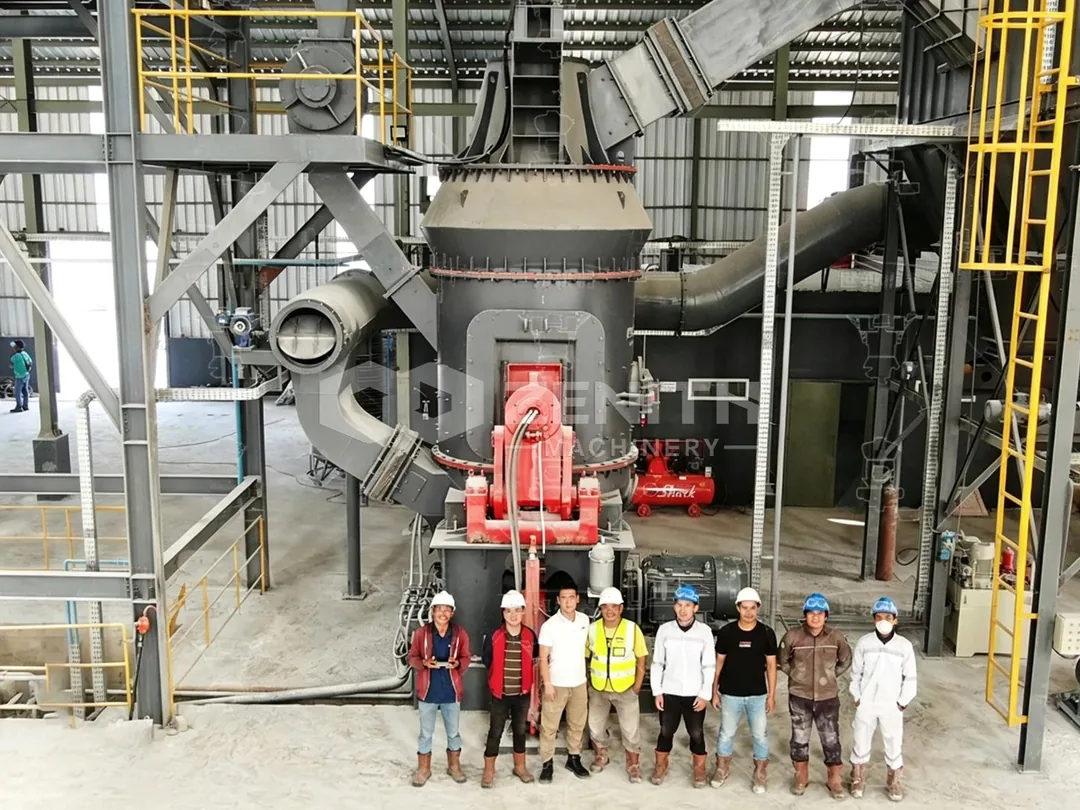
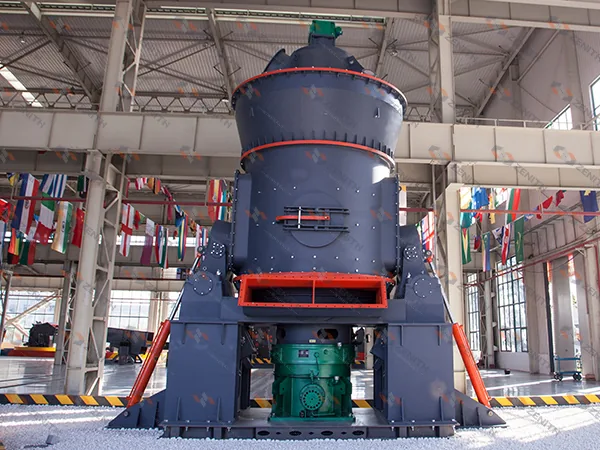
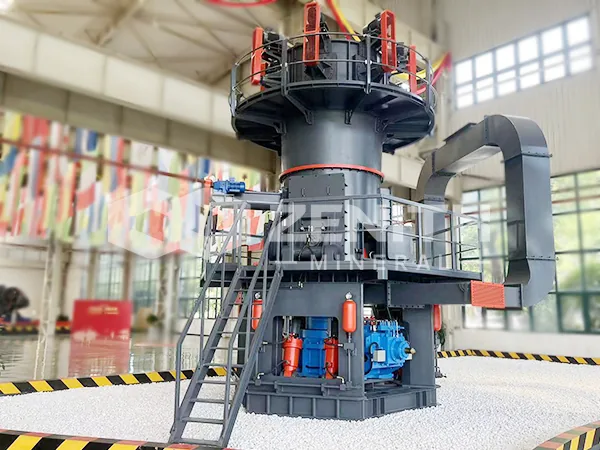
Company in nepal purchased an mtw european-style grinding mill to process limestone and dolomite, with a finished product fineness of 100-300 mesh.
2026-05-07 02:26:42
In the heart of Nepal, where the Himalayas meet the plains, a forward-thinking company recently embarked on a mission to transform local limestone and dolomite into high-value fine powders. The goal was clear: produce a finished product with a fineness of 100 to 300 mesh, suitable for industries ranging from agriculture to construction materials. After extensive research and consultation with global experts, the company chose the MTW European-Style Grinding Mill from Shanghai ZENITH Machinery Co., Ltd. This decision was not made lightly; it was driven by the mill's reputation for efficiency, reliability, and versatility in handling medium-hard minerals.
_1778092002573.jpg)
Why MTW Mill was the Right Fit
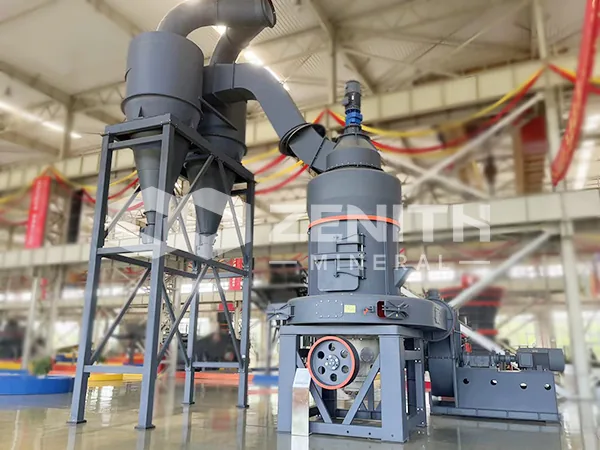
Nepal's geology offers abundant deposits of limestone and dolomite, both essential for industries like cement, steel, and agriculture. However, grinding these materials to a consistent 100–300 mesh with high throughput can be challenging. Traditional ball mills often consume excessive energy and require large footprints. The MTW series, with its trapezium-shaped grinding rollers and advanced internal classification system, addresses these pain points head-on.
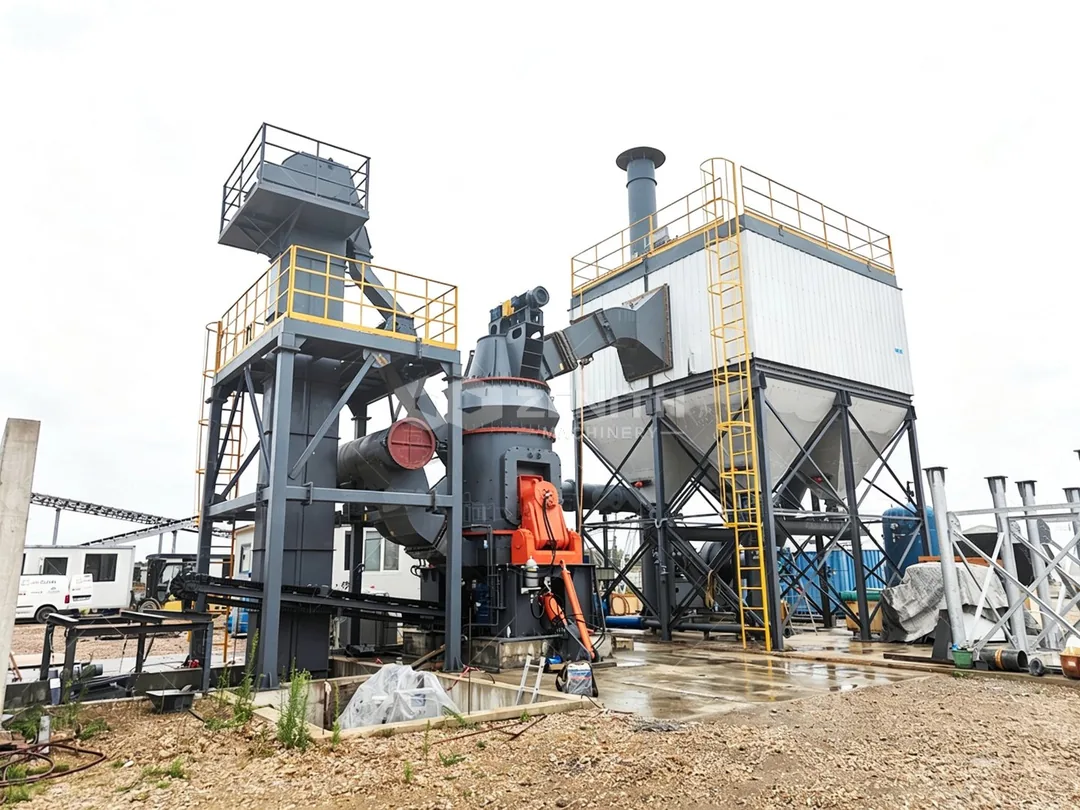
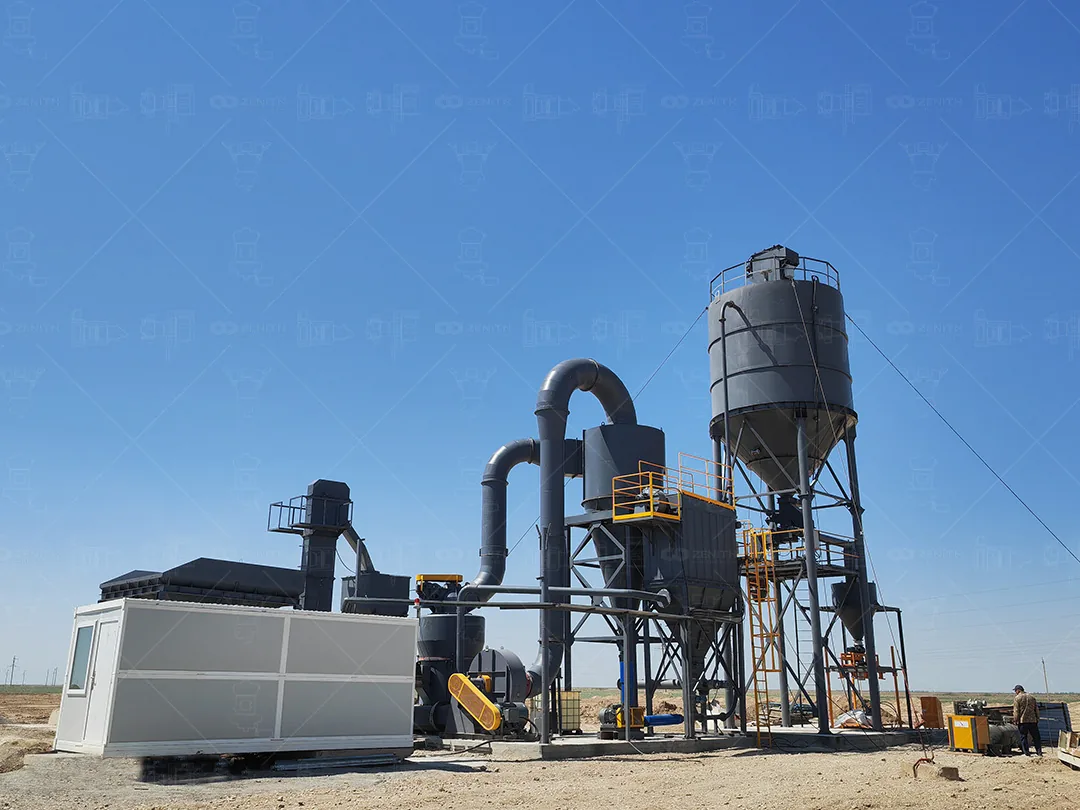
ZENITH's MTW mill operates on a simple yet powerful principle: after primary crushing, material is fed into the main grinding chamber via a variable frequency belt feeder. The rotating grinding rollers crush the material against the grinding ring. A high-efficiency impeller fan then carries the fine particles to the powder separator, where only particles within the target 100–300 mesh range pass through. Oversized particles fall back for re-grinding, ensuring consistent product quality.
Key Features Beneficial for the Nepalese Operation
The company was particularly impressed by several features of the MTW mill:
- Energy Efficiency: The mill consumes up to 60% less energy than a ball mill of equivalent capacity, a critical factor given Nepal's variable power supply.
- Compact Design: The MTW mill has its own integrated production system from bulk material storage to finished powder collection, reducing the need for additional equipment and lowering plant construction costs.
- Adjustable Output Fineness: The modular impeller adjustment device allows operators to change the fineness simply by swapping impellers—ideal for a company that may need to switch between 100 mesh for agricultural lime and 300 mesh for industrial fillers.
- Environmental Compliance: The system operates under positive and negative pressure and includes a pulse dust collector, meeting Nepal's emerging environmental standards.
_1778092002576.jpg)
From 100 to 300 Mesh: Real-World Performance
During initial commissioning, the Nepalese team tested the mill with both limestone and dolomite. For limestone with a feed size of 0–35 mm, the MTW mill achieved a throughput of 8–12 TPH at 200 mesh. When switched to dolomite, the output fineness was easily adjusted using the impeller system, and the mill maintained a stable 10 TPH at 150 mesh. The company reported that the finished powder had excellent particle size distribution, with over 95% passing the targeted screen.
One operator noted, “The ability to change fineness without stopping the mill for mechanical adjustments is a game-changer. We can produce multiple grades in a single shift.” This flexibility allows the company to serve diverse customers, from local farmers needing coarse dolomite for soil pH correction to paint manufacturers requiring fine limestone powder.
Why ZENITH's Grinding Mills Stand Out
ZENITH Machinery has been a global leader in powder processing for decades. With ISO, CE, and CU-TR certifications, their equipment is trusted in over 180 countries. Their product range covers everything from 1–3 mm coarse powder to 1250–3250 mesh micro powder, ensuring that customers can scale as their needs evolve. For the Nepalese company, the MTW mill was the perfect midpoint—offering the robustness needed for limestone and dolomite while providing the precision required for fine powder.
_1778092002577.jpg)
Long-Term Value and Support
Nepal's infrastructure is growing rapidly, and with it the demand for finely ground minerals. The company's investment in the MTW mill is not just a purchase; it's a strategic move toward self-sufficiency. ZENITH provided on-site training for operators and remote technical support, ensuring the mill runs smoothly even in remote areas. The MTW's low maintenance requirements—helped by high-quality steel in critical parts—mean less downtime and more profitable production.
In comparison, other mills like the MTM series (80–325 mesh) or the LM vertical mill (ideal for large-scale continuous operation) were considered but ultimately the MTW's balance of capacity, energy efficiency, and fineness adjustability won out. The Nepalese company now exports some of its powder to neighboring markets, proving that even a small operation in a developing nation can compete globally with the right equipment.
_1778092002579.jpg)
Conclusion
The story of this Nepalese company is a testament to the power of smart technology choices. By selecting ZENITH's MTW European-style grinding mill, they transformed local limestone and dolomite into high-value 100–300 mesh products, boosting their local economy and setting a benchmark for mineral processing in the region. For any business facing similar challenges—whether in agriculture, construction, or industrial manufacturing—the MTW mill offers a proven, efficient, and scalable solution.
Frequently Asked Questions (FAQ)
1. Can the MTW mill process both limestone and dolomite with the same settings?
Yes, the MTW mill can process both minerals effectively. However, you may need to adjust the impeller speed and feed rate to optimize performance for each material's hardness and moisture content. For most applications, switching between limestone and dolomite only requires minor changes via the control panel.
2. What is the maximum capacity of the MTW mill for 200 mesh limestone?
The largest MTW model can achieve up to 22 TPH for limestone at 200 mesh. Actual capacity depends on feed size (ideally 0-35mm), moisture (below 6%), and hardness. A typical medium-sized model yields 8-12 TPH.
3. How does the energy consumption of MTW compare to a ball mill?
Under ideal conditions, the MTW mill consumes up to 60% less energy than a ball mill of the same grade. This is due to the trapezium grinding rollers, which create a more efficient grinding bed, and the high-efficiency impeller fan that improves air induction from 62% to 85%.
4. What after-sales support does ZENITH offer for customers in Nepal?
ZENITH provides comprehensive support including on-site commissioning, operator training, remote troubleshooting, and a global network of spare parts warehouses. They have overseas offices in over 30 countries and serve 180+ countries, ensuring quick response times.
5. Can the MTW mill produce powder finer than 300 mesh?
The standard MTW mill is designed for 30-325 mesh. For finer powders (325-2500 mesh), ZENITH recommends the LUM Ultrafine Vertical Mill or XZM Ultrafine Mill. However, with specialized impeller configurations, the MTW can reach slightly beyond 325 mesh in some applications.
6. What environmental certifications does the MTW mill comply with?
The mill is equipped with a pulse dust collector and operates under negative pressure, ensuring no dust spillover. ZENITH holds ISO international quality, European Union CE, and Customs Union CU-TR certifications, and the MTW mill meets most national environmental standards.
7. How much space is required to install an MTW mill for a 10 TPH operation?
The MTW mill's integrated design reduces footprint significantly—roughly 50% less than a traditional ball mill system. For a 10 TPH setup, you would need approximately 200-300 square meters, including feeding, grinding, classifying, and bagging areas. A site visit from ZENITH engineers is recommended for precise layout.