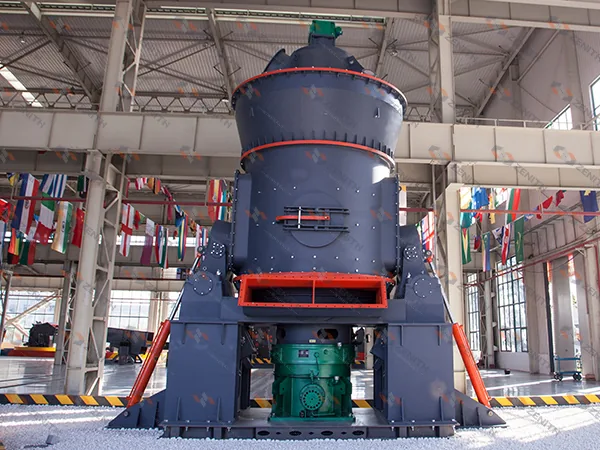
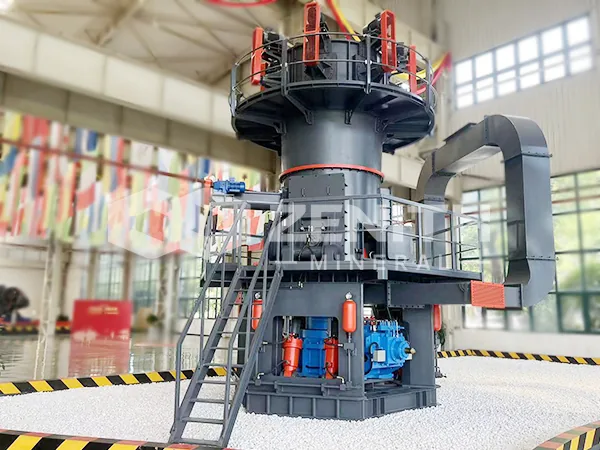
Cement plant in nigeria has purchased a grinding mill production line to process clinker, gypsum, and limestone, with a finished product fineness of 3200–3500 cm²/g, 45 microns d90, and a daily production capacity of 200 tons.
2026-04-16 02:28:24
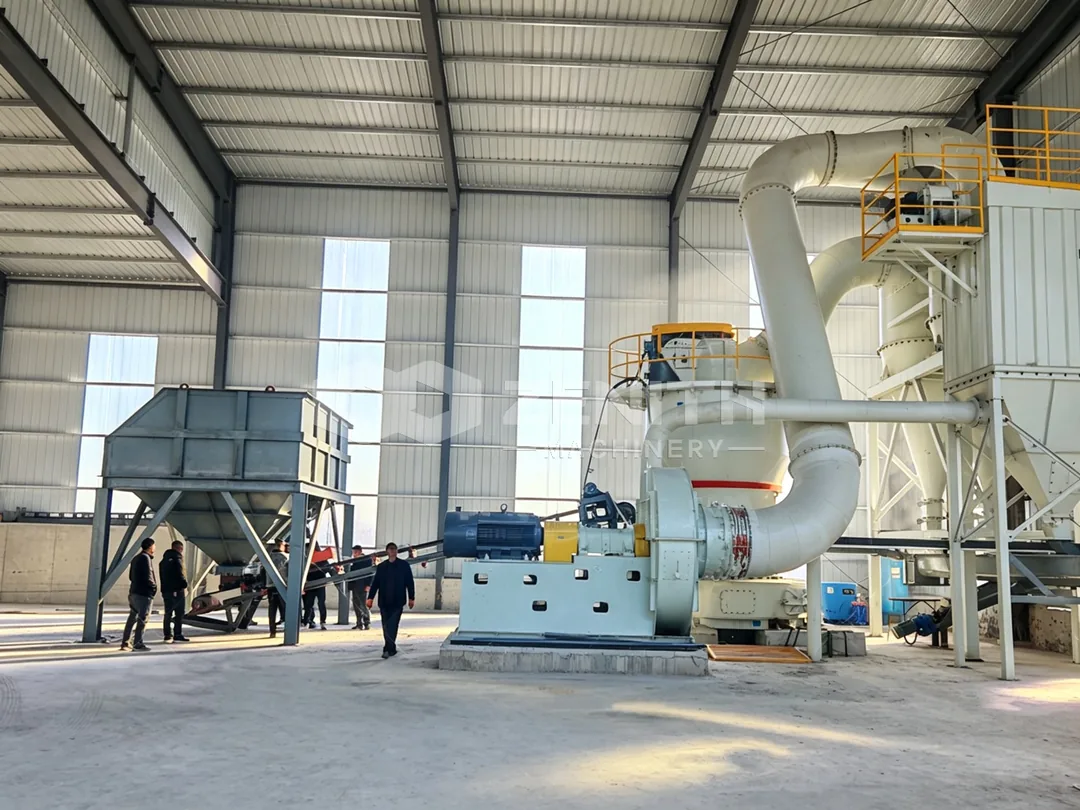
In a significant move to enhance local production capabilities and meet the growing demands of Nigeria's construction sector, a prominent cement plant in the country has recently commissioned a state-of-the-art grinding mill production line. This advanced installation is specifically engineered to process a blend of clinker, gypsum, and limestone, delivering a finished product with a precise fineness of 3200–3500 cm²/g Blaine and a particle size where 90% of the material (d90) is under 45 microns. With a robust daily production capacity of 200 tons, this facility marks a leap forward in operational efficiency and product quality.
Selecting the right grinding technology is paramount for such a critical application. The requirements—high capacity, precise fineness control, and energy efficiency—demand a solution that is both robust and intelligent. For projects of this scale and specification, Zenith's LM Vertical Grinding Mill often emerges as the technology of choice. Its design is perfectly suited for constant, 24-hour operation in cement and mineral powder plants, ensuring stable product quality and easy monitoring.
_1776277704129.jpg)
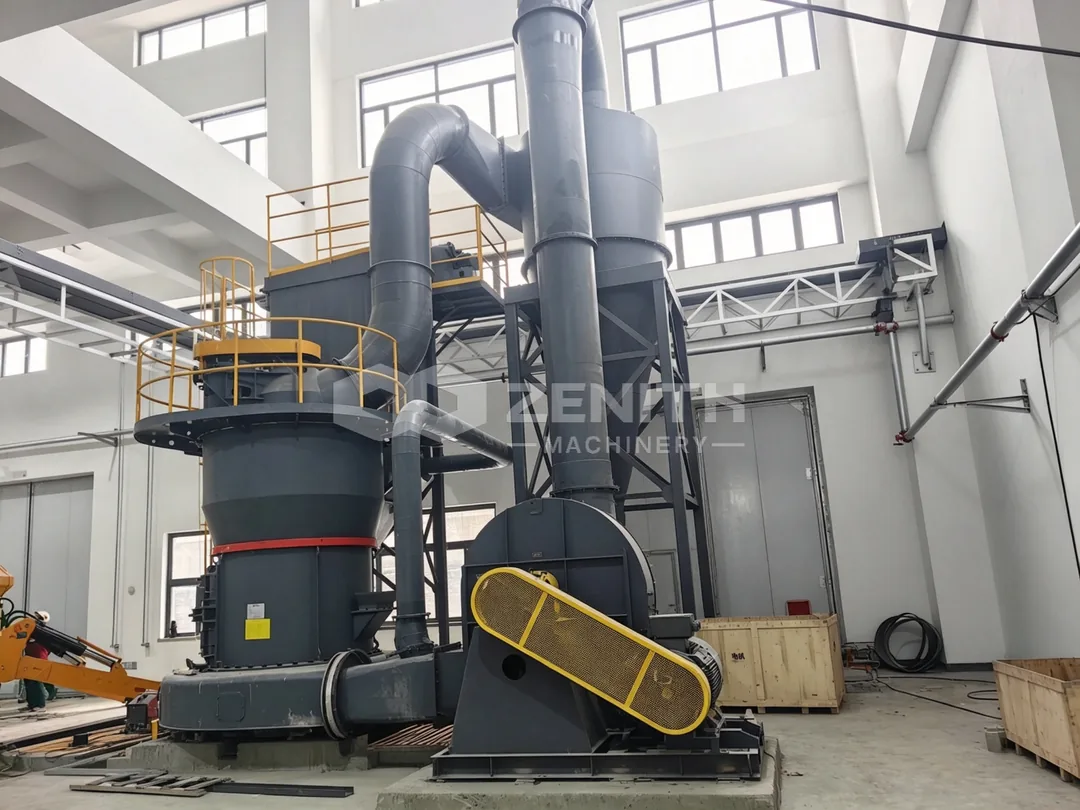
The LM Vertical Mill offers distinct advantages that align perfectly with the needs of modern Nigerian cement producers. Firstly, it provides High Purity of Material, effectively controlling product size, chemical composition, and iron content to ensure the consistency of the final cement powder. Furthermore, its High Degree of Automation allows for remote or local control, significantly reducing labor costs and minimizing human error—a crucial factor for maintaining uninterrupted production.
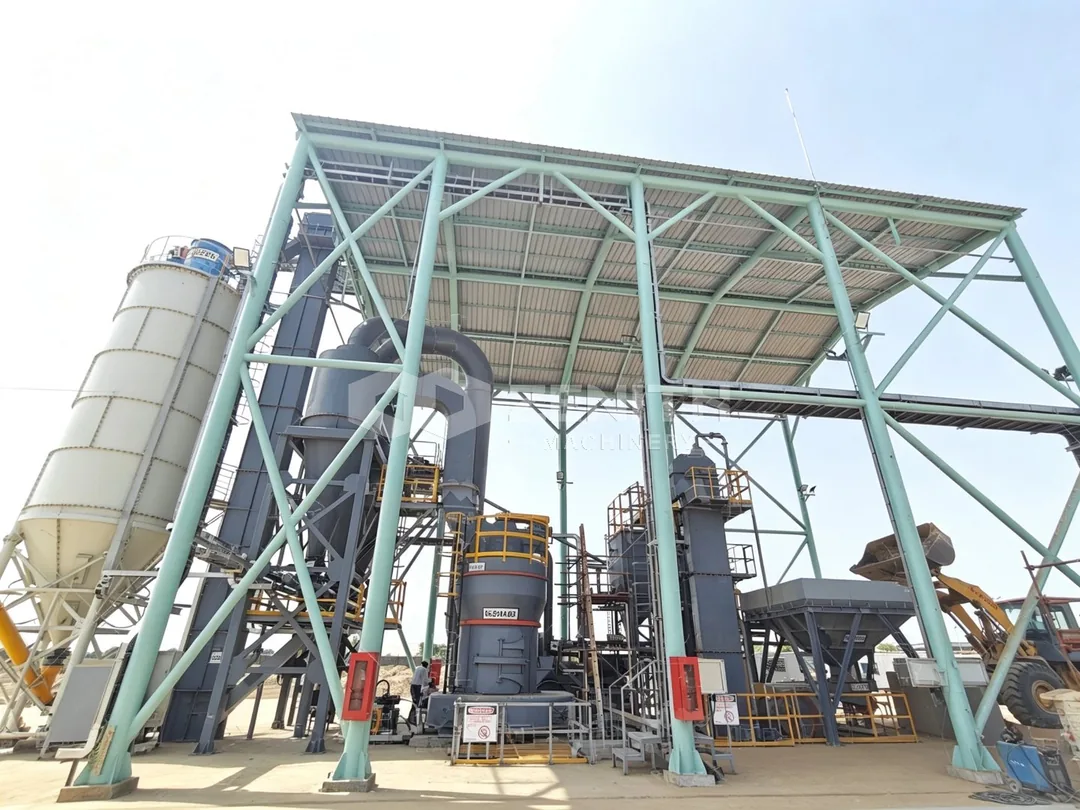
From an investment perspective, the compact, integrated design of the LM mill results in a Less Comprehensive Investment. It occupies approximately 50% of the space required by a traditional ball mill system and can even be arranged outdoors, drastically reducing civil construction costs. Perhaps most compelling in today's energy-conscious market is its exceptional efficiency. While specific savings vary, Zenith's grinding technologies, like the related MTW and MTM series trapezium mills, are documented to achieve over 60% lower energy consumption compared to ball mills of the same grade. This translates directly into lower operational costs and a reduced carbon footprint.
_1776277704132.jpg)
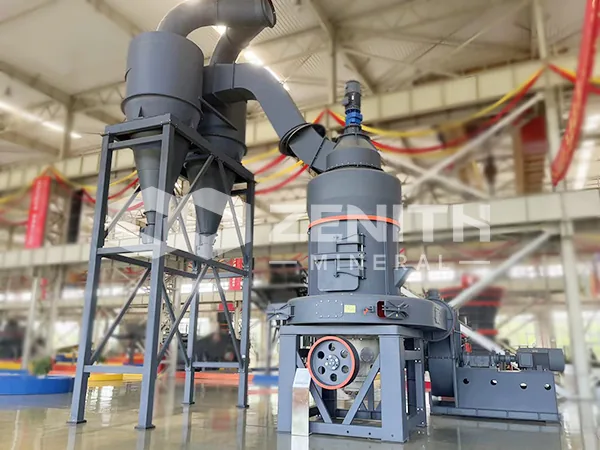
For achieving the ultrafine components within the blend or for plants targeting even higher fineness products in the future, technologies like Zenith's LUM Ultrafine Vertical Grinding Mill or XZM Ultrafine Grinding Mill present compelling options. The XZM series, for instance, can achieve fineness from 325 to 3000 mesh and is renowned for being 40% more efficient and 70% lower on energy consumption than some alternative fine-grinding systems. Its classifier with Variable Frequency Drive (VFD) allows for precise, arbitrary adjustment of powder size directly from the control panel, ensuring the exact 45-micron d90 specification is consistently met.
The successful integration of this production line underscores a broader trend: the global cement industry's shift towards more intelligent, efficient, and environmentally friendly grinding solutions. Zenith, with its hi-tech engineering focus and certifications including ISO, CE, and CU-TR, supports this transition worldwide. With a marketing network spanning over 180 countries, including a strong presence across Africa, the company's expertise in delivering tailored solutions for clinker, gypsum, and limestone grinding is well-established.
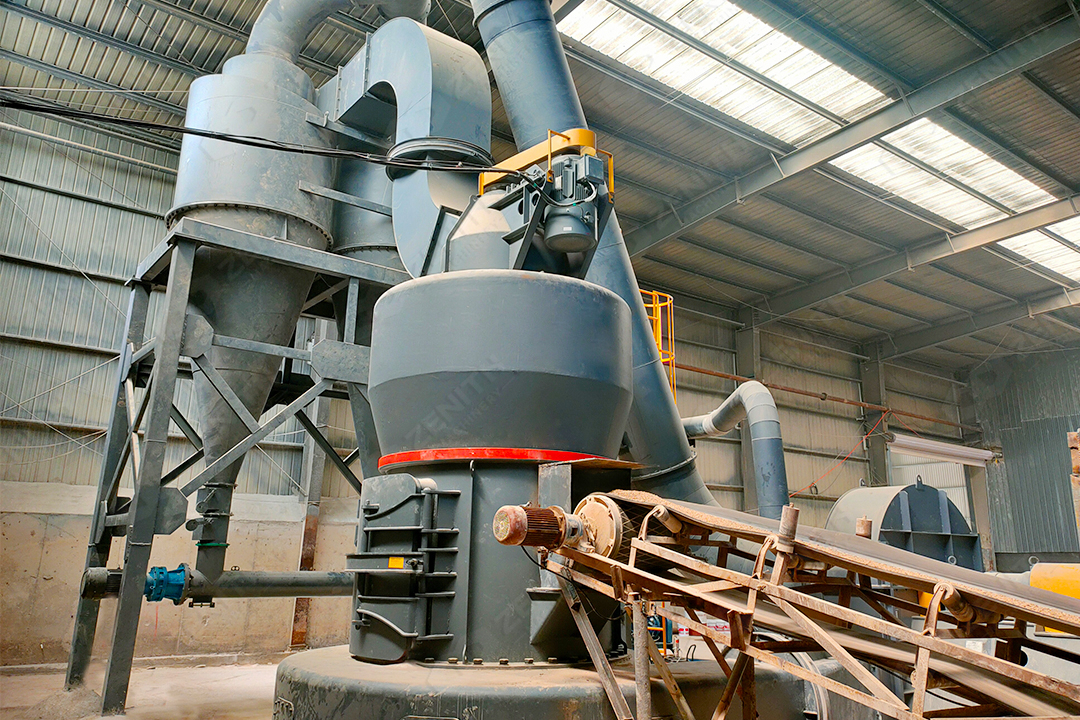
The operational principle behind these advanced mills ensures both efficiency and environmental compliance. Whether it's the LM mill's material bed grinding principle or the XZM's centrifugal crushing action, all systems operate under negative pressure with integrated pulse dust collectors. This design guarantees no dust spillover, low noise, and production that meets stringent environmental standards—a critical consideration for sustainable industrial development in Nigeria.
This new 200-ton per day production line is more than just an equipment installation; it is a strategic investment in Nigeria's industrial future. By leveraging cutting-edge grinding technology, the plant is positioned to produce high-quality, consistent cement powder efficiently and sustainably, contributing to the nation's infrastructure growth and economic development.
Frequently Asked Questions (FAQs)
- What is the main advantage of a vertical roller mill (like the LM series) over a traditional ball mill for cement grinding?
Vertical roller mills offer significantly higher energy efficiency (often over 60% lower consumption), a smaller footprint, better drying capability for moist materials, and a higher degree of automation, leading to lower operating and maintenance costs. - How is the fineness of the final powder (e.g., 45 microns d90) precisely controlled in these grinding systems?
Fineness is primarily controlled by an internal dynamic classifier or powder separator. The speed of the classifier rotor, often adjustable via a Variable Frequency Drive (VFD), determines the cut point. Fine particles pass through, while coarse particles are rejected back to the grinding table for further milling. - Can the same grinding mill line process different material blends or produce different fineness products?
Yes, modern mills like the MTW, MTM, and LM series are designed with adjustable parameters. By changing classifier speed, grinding pressure, or feed rate, the system can adapt to different material mixes and produce a range of fineness levels to meet various product specifications. - What measures are in place to ensure the grinding line meets environmental protection standards?
The entire grinding system operates under negative pressure, preventing dust leakage. It is equipped with high-efficiency pulse jet bag dust collectors or cyclone collectors, ensuring emissions are well below national and international environmental standards. - How does the system handle the wear on grinding components from abrasive materials like clinker?
Critical wear parts like grinding rollers and tables are made from high-chromium or other advanced wear-resistant alloys. The design often allows for easy replacement or even hardfacing of these components to extend service life and minimize downtime. - Is remote monitoring and technical support available for such equipment in Nigeria?
Yes, leading suppliers like Zenith provide comprehensive after-sales support. With overseas offices in over 30 countries and a vast network, they offer remote diagnostic capabilities, online technical support, and the dispatch of local service engineers when needed. - What is the typical lifespan of a major grinding mill installation before a major overhaul is required?
With proper maintenance and operation, the core structure of a grinding mill can last for decades. Key grinding components (rollers, liners) may require refurbishment or replacement based on abrasiveness and throughput, typically ranging from several thousand to over ten thousand operating hours.