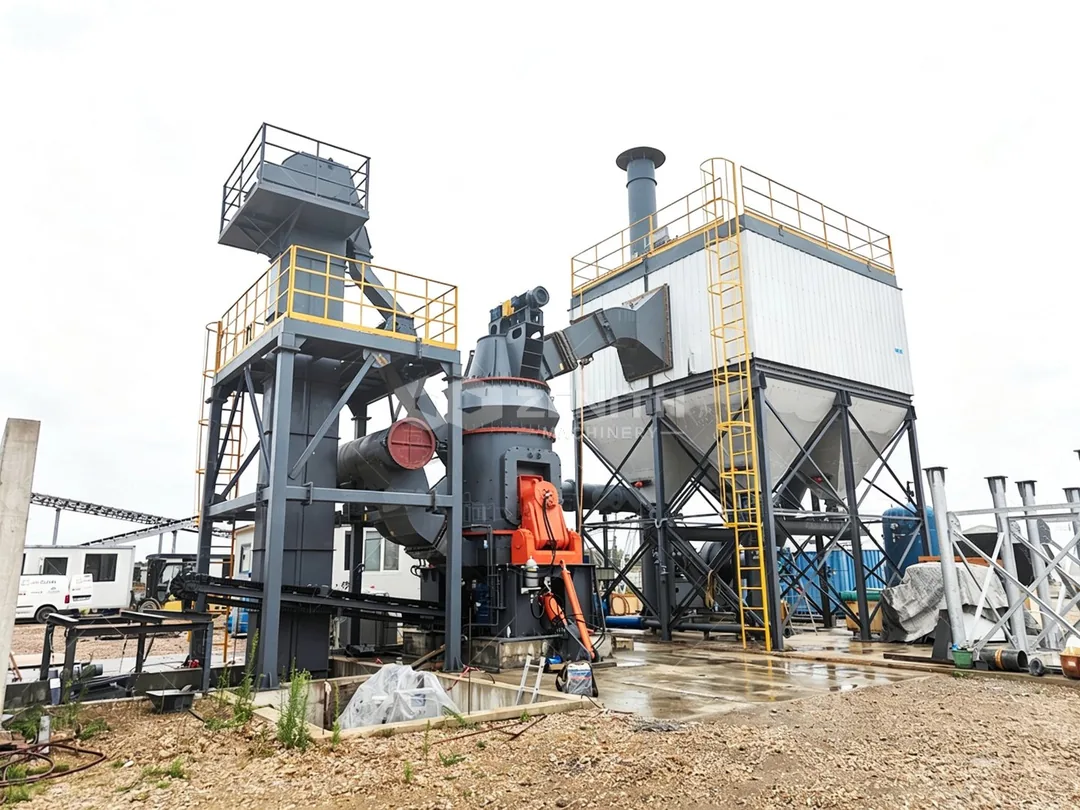
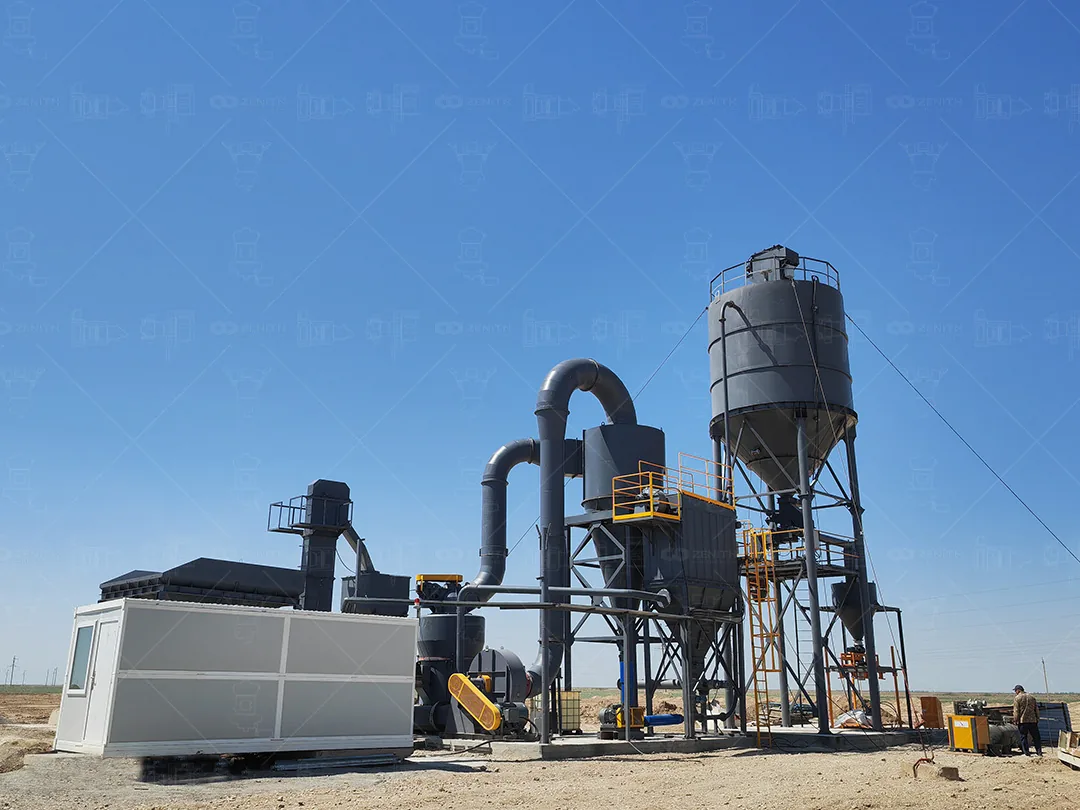
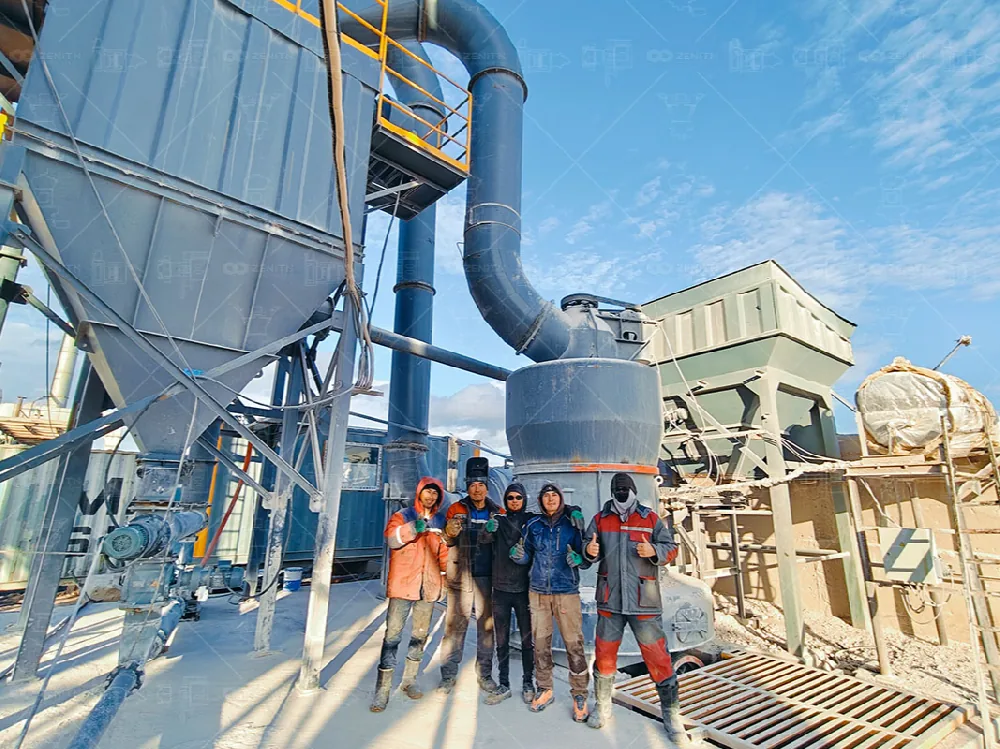
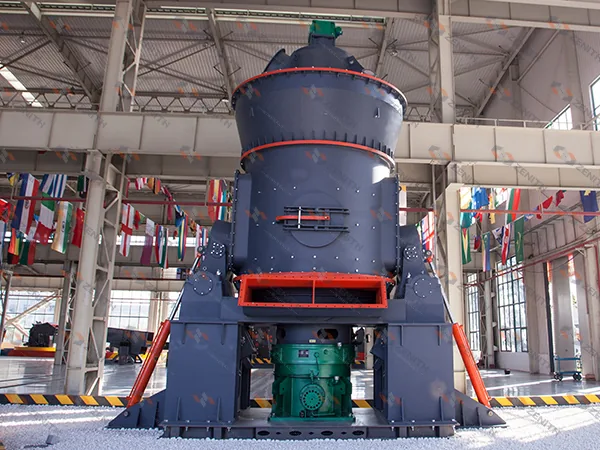
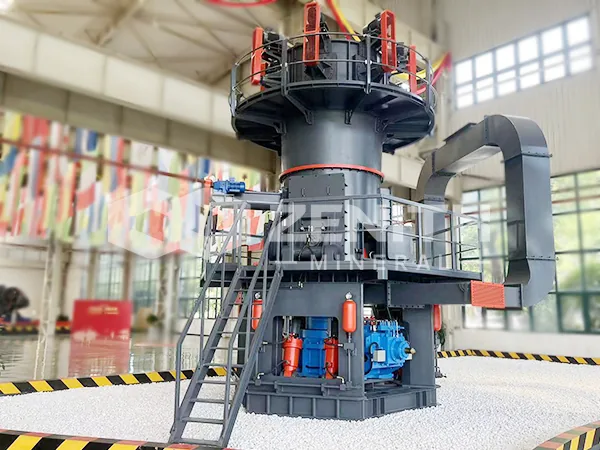
A powder factory in kenya purchased a calcium carbonate grinding mill with a capacity of 5 tons per hour, producing a finished product with a fineness of 325-1000 mesh, for use as a plastic filler and in paint coatings.
2026-02-05 00:56:21
In the heart of Kenya's burgeoning industrial sector, a forward-thinking powder factory recently embarked on a significant upgrade to its production capabilities. The goal was clear: to secure a reliable, high-volume source of high-quality calcium carbonate powder, a critical raw material for the nation's growing plastics and paint manufacturing industries. The challenge lay in finding a grinding solution that could consistently deliver 5 tons per hour of finished product with a precise fineness ranging from 325 to 1000 mesh, all while ensuring operational efficiency and long-term reliability. After a thorough global evaluation, their search led them to the advanced grinding technologies developed by Shanghai Zenith Machinery.
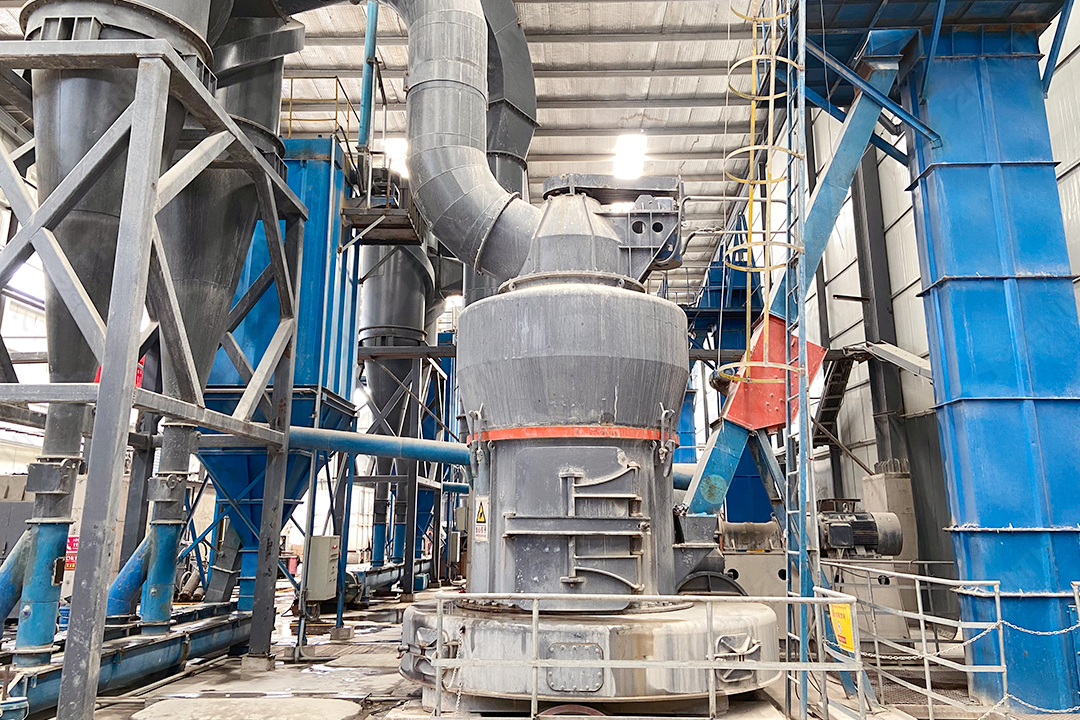
The factory's requirements were specific and demanding. The calcium carbonate powder needed for plastic fillers must have excellent dispersion properties and a consistent particle size distribution to enhance the strength and surface finish of plastic products. For paint and coating applications, the ultrafine powder (reaching up to 1000 mesh) is essential for achieving high opacity, gloss control, and improved durability. A standard grinding mill would struggle to meet this dual-range specification efficiently. Zenith's engineering team, with its deep expertise spanning coarse to micro-powder processing (from 1-3mm up to 3250 mesh), proposed a tailored solution centered on its cutting-edge vertical and ultrafine grinding systems.
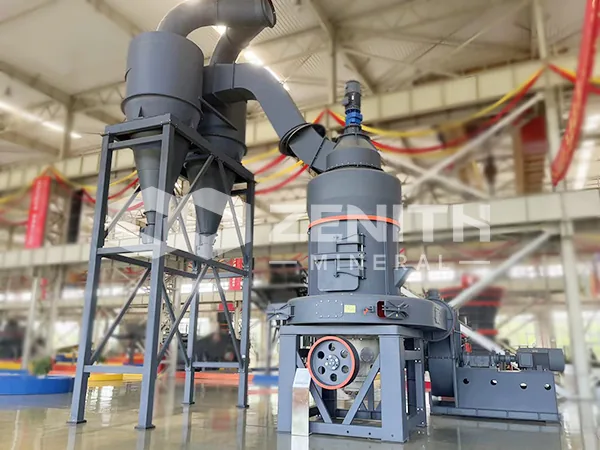
The core of the installed system is based on Zenith's LUM Ultrafine Vertical Grinding Mill. This mill is specifically engineered for medium and high-end processing in industries like plastic masterbatch and paints. Its ability to seamlessly produce powder in the 325-2500 mesh range made it the perfect match for the Kenyan factory's upper fineness requirements. The LUM mill's integrated design, featuring advanced German powder separating technology, ensures high material purity—a non-negotiable factor for filler and coating grades where chemical consistency and whiteness are paramount. Furthermore, its sealed, negative-pressure operation guarantees an environmentally friendly process with no dust spillage, aligning with global environmental standards.
_1770224181017.jpg)
To handle the robust 5-ton-per-hour capacity across the specified fineness spectrum, the system's design also incorporates principles from Zenith's renowned LM Vertical Grinding Mill and XZM Ultrafine Grinding Mill. The LM series' reputation for 24-hour constant running, high automation, and low comprehensive investment provided the backbone for reliable, high-capacity output. Meanwhile, the XZM mill's technology allows for arbitrary fineness adjustment between 325 and 2500 meshes via a simple control panel setting, giving the plant operators unparalleled flexibility to switch between product grades for plastics or paints without downtime.
The operational benefits have been transformative. Compared to traditional ball mills, the energy consumption of the Zenith grinding system is dramatically lower—by 30% to 60%—a critical advantage in a cost-sensitive market. The intelligent control systems enable labor-free workshop operation and remote monitoring, reducing long-term operational costs. The mill's structural design, with features like reversible grinding rollers and easy-access maintenance points, minimizes service interruptions, ensuring the factory meets its stringent production schedules for local plastic and paint manufacturers.
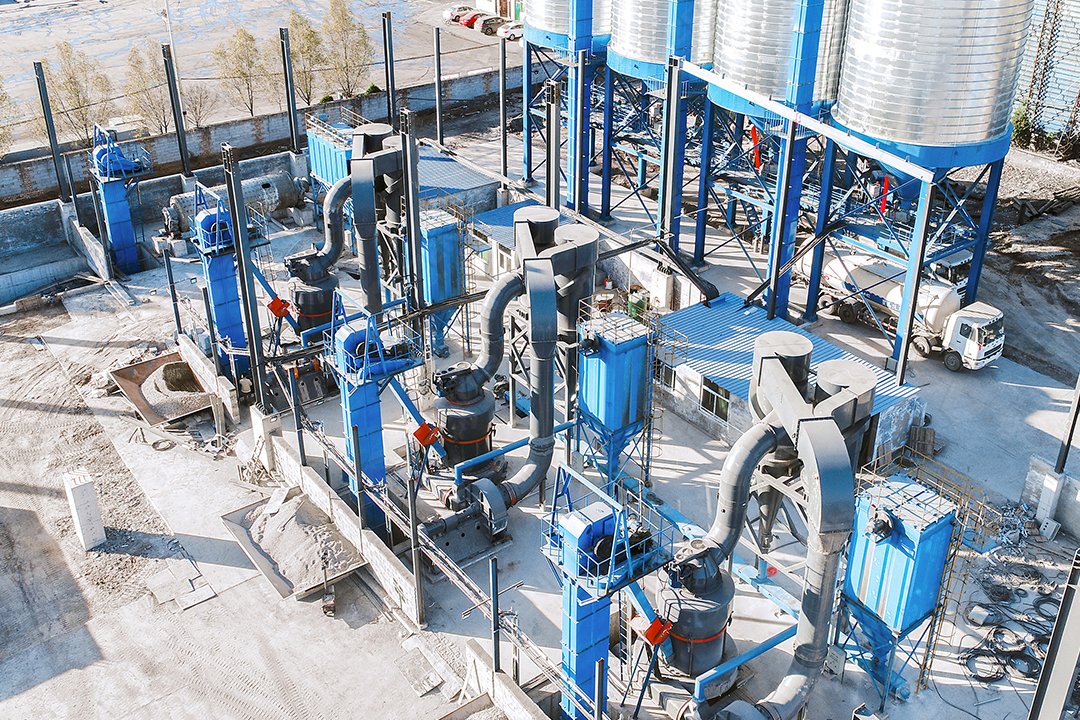
This project in Kenya is a testament to Zenith's global commitment. With a marketing network covering over 180 countries and certifications like ISO, CE, and CU-TR, Zenith delivers not just equipment, but integrated industrial solutions. The successful deployment of this high-capacity calcium carbonate grinding line has empowered the Kenyan factory to become a key regional supplier, supporting local industries in reducing import dependency and fostering economic growth through advanced manufacturing.
Frequently Asked Questions (FAQs)
- What is the main advantage of choosing a vertical grinding mill like the LUM or LM series for calcium carbonate processing?
The primary advantages include significantly lower energy consumption (30-60% less than ball mills), a compact footprint saving plant space, high automation for reduced labor costs, and sealed operation for dust-free, environmentally friendly production. - Can one mill really produce powder from 325 mesh up to 1000 mesh efficiently?
Yes, specifically designed mills like the Zenith LUM Ultrafine Vertical Mill and XZM Ultrafine Mill are built for this purpose. They feature advanced classifier systems with variable frequency drives (VFD) that allow operators to precisely adjust the fineness across this wide range without sacrificing throughput or efficiency. - How does the system ensure the purity and whiteness of the calcium carbonate powder for sensitive applications like paint?
The vertical grinding mills utilize a grinding principle that minimizes iron contamination. They are constructed with high-quality, abrasion-resistant materials and often include effective iron removal devices. The negative-pressure, sealed system prevents external contamination, ensuring high product purity and consistent whiteness. - What kind of after-sales support and service can be expected for such an installation in Kenya?
Zenith, with overseas offices in over 30 countries, provides comprehensive support including installation supervision, operator training, readily available spare parts, and remote technical assistance to ensure continuous and optimal operation of the grinding mill. - Is the grinding mill suitable for other minerals besides calcium carbonate?
Absolutely. Zenith's grinding technology is versatile and can process a wide range of non-metallic minerals including calcite, marble, limestone, dolomite, barite, kaolin, and gypsum for various industrial applications. - How does the energy efficiency of these modern mills impact the overall production cost?
The reduction in energy consumption directly and substantially lowers the per-ton operating cost of the powder. This makes the final product more competitive in the market and improves the factory's profitability, especially important for high-volume production at 5 tons per hour. - What measures are in place to guarantee the mill meets environmental regulations?
The system is designed to operate under full negative pressure and is equipped with high-efficiency pulse jet bag dust collectors. This ensures all particulates are captured within the system, resulting in clean exhaust air that complies with strict national and international environmental protection standards.