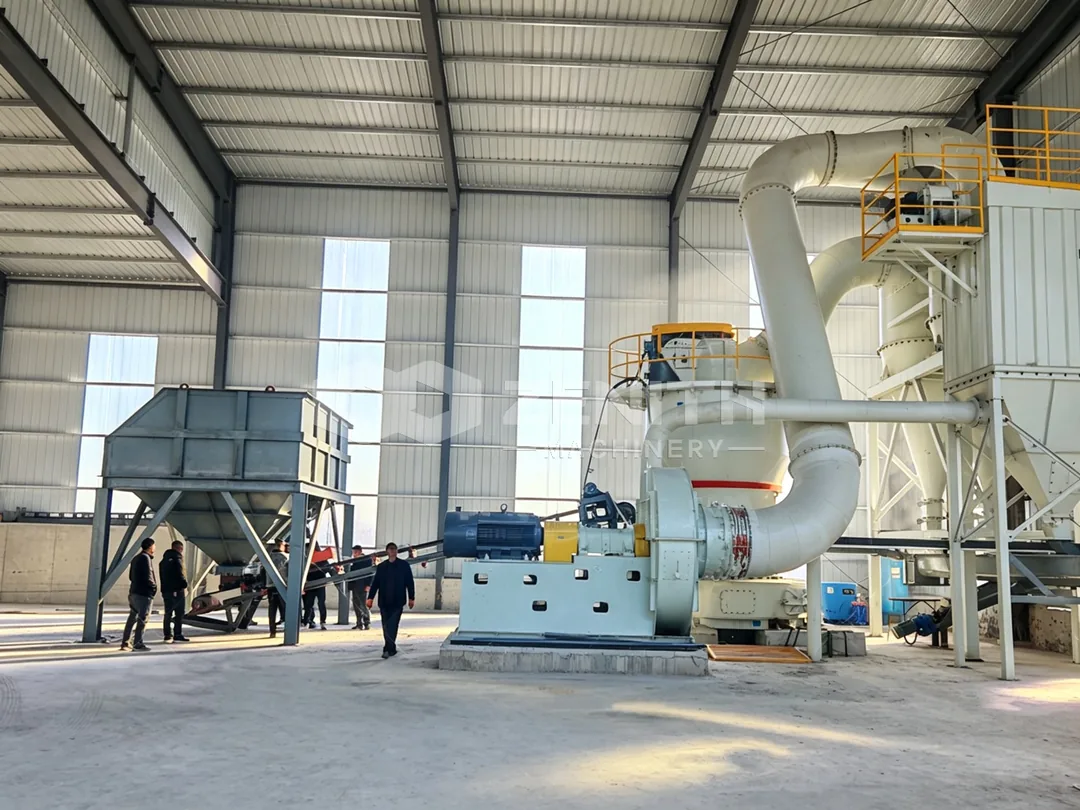
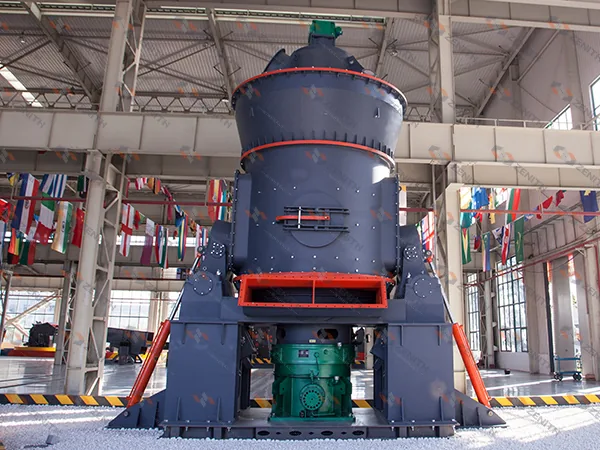
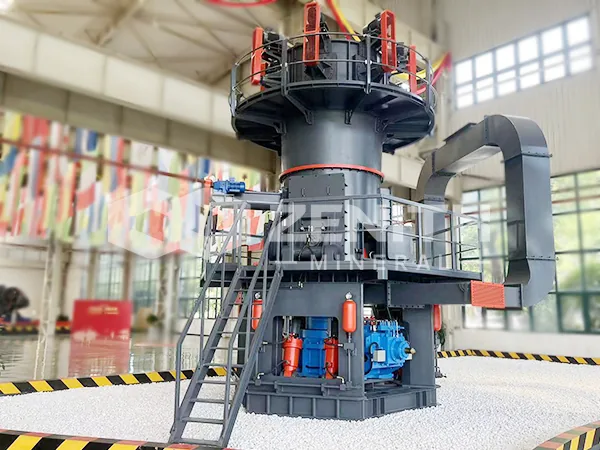
Kenyan coal gangue pulverization uses an lm170k vertical roller mill to produce 80 mesh (d80) fineness with a capacity of 30 tons per hour.
2026-01-15 00:53:55
In the evolving industrial landscape of Kenya, efficient mineral processing is a cornerstone for sustainable development. A prominent project in the region focuses on the pulverization of coal gangue—a byproduct of coal mining—to produce a fine powder with a target fineness of 80 mesh (D80) at a substantial capacity of 30 tons per hour. This demanding specification requires not just any grinding equipment, but a solution that balances high throughput, consistent product quality, and operational economy. For such applications, the choice often falls on advanced vertical roller mill (VRM) technology, with models like the LM Vertical Grinding Mill series proving to be exceptionally capable.
_1768409635978.jpg)
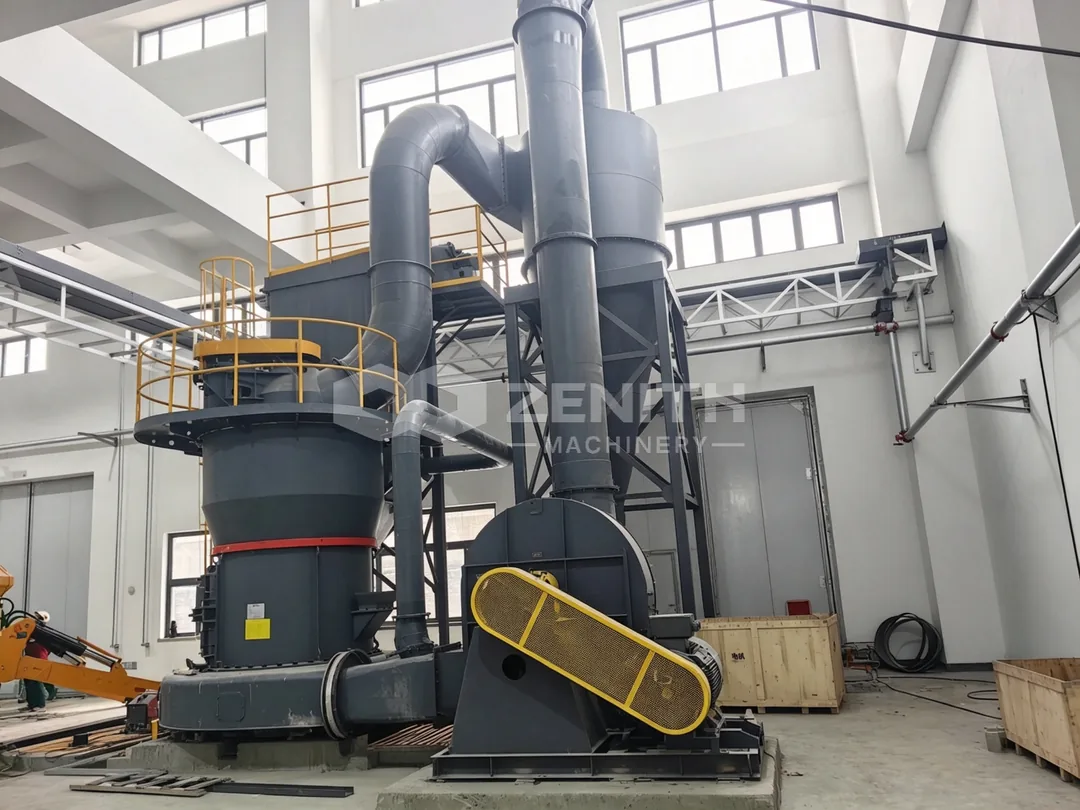
The specific model referenced, the LM170K, is part of a lineage of grinding equipment designed for robustness and continuous operation. Vertical roller mills, by their very design, are ideal for large-scale, constant-running operations common in mineral powder plants, cement plants, and notably, coal grinding plants. Their principle of bed crushing—where material is ground between rollers and a rotating table—offers superior energy efficiency compared to traditional ball mills. In the context of the Kenyan project, this translates directly to lower operational costs, a critical factor for long-term profitability.
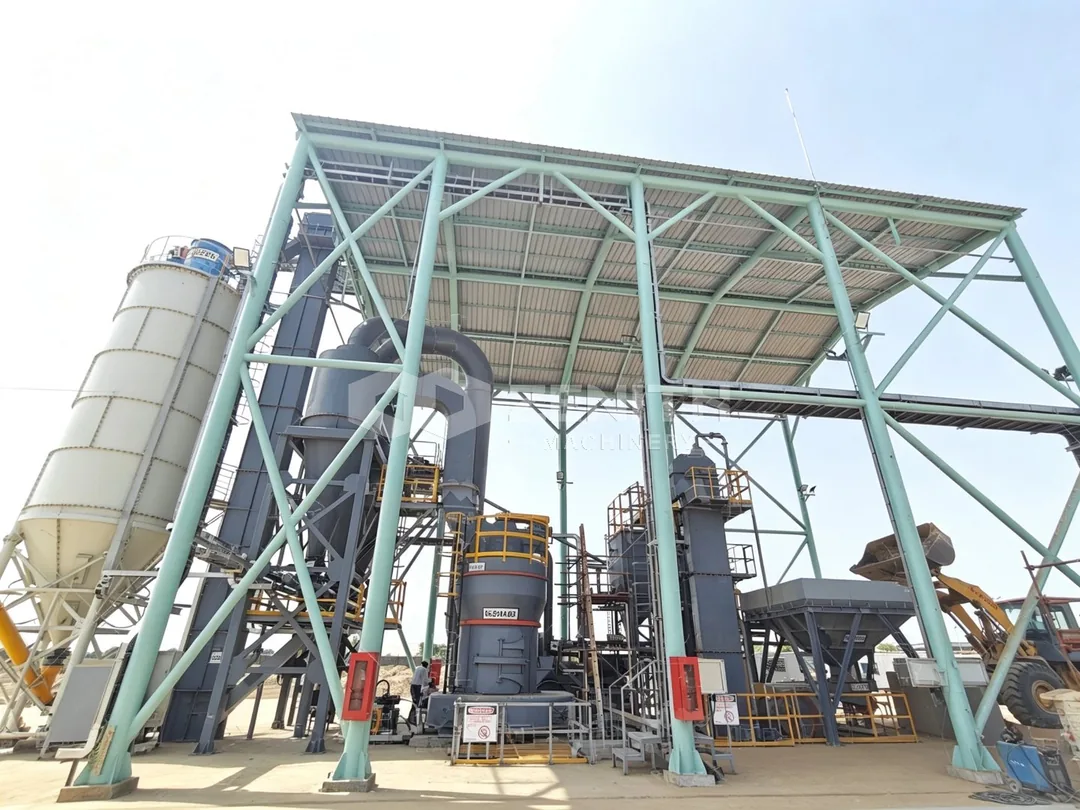
Why is the LM series particularly suited for this task? First, its high degree of automation allows for easy monitoring and stable product quality, essential for maintaining the consistent 80-mesh fineness. The system can operate under remote control, reducing labor costs and minimizing human error in a demanding 30-tons-per-hour process. Second, its integrated design leads to less comprehensive investment. The mill occupies roughly 50% of the space a ball mill system would require, potentially allowing for open-air arrangement and significantly saving on civil construction costs at the Kenyan site.
From a technical performance perspective, the LM Vertical Grinding Mill excels in controlling product characteristics. For coal gangue powder intended for further industrial use—such as in construction materials or backfill—contaminant levels are important. The mill's design effectively controls iron content and ensures material purity, preventing contamination from the grinding process itself. Furthermore, the entire system operates under negative pressure with a sealed structure. This is a non-negotiable advantage, ensuring no dust spillage, low noise, and an environmentally friendly production line that aligns with global and local environmental standards.
_1768409635980.jpg)
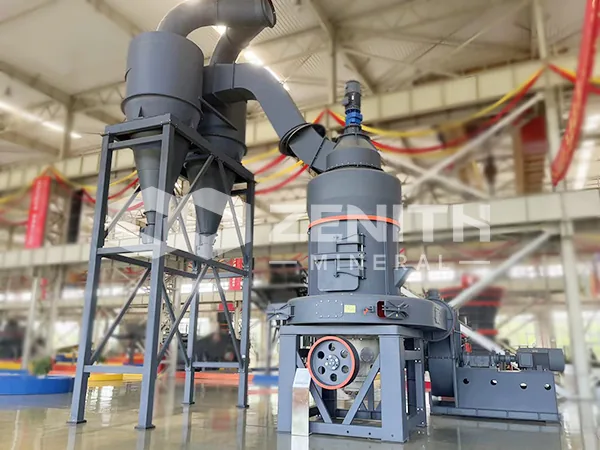
Comparing the project's requirements with other grinding solutions highlights the LM170K's fit. While our MTW and MTM European Trapezium Mills are excellent for fine powder production in the 80-400 mesh range and offer superb energy savings, their capacity range typically tops out around 22 T/H for the largest models. The LM series, with a capacity range extending to 340 T/H, is engineered for such higher-throughput demands. Similarly, Raymond Mills, though reliable for mineral powder, are generally suited for lower-capacity applications. For coal gangue, where abrasiveness can be a factor, the robust construction and grinding principle of the VRM provide better long-term service life and stability.
The success of this Kenyan project underscores a global trend: the shift towards more efficient, automated, and cleaner grinding technology. Shanghai Zenith Machinery, with its network spanning over 180 countries, continues to support such industrial advancements. Our equipment, backed by ISO, CE, and CU-TR certifications, is developed to meet diverse customer needs—from coarse powder at 1-3mm to ultrafine powders exceeding 2500 mesh. The LM170K application in Kenya is a testament to applying the right technological solution to a specific material and production goal.
_1768409635981.jpg)
Looking forward, the parameters of this project—80 mesh at 30 TPH—serve as a valuable benchmark. For materials with different hardness or required fineness, other models in our portfolio, such as the XZM Ultrafine Grinding Mill for superfine products or the Hammer Mill for coarse 0-3mm powder, could be the optimal choice. It is this breadth of specialized, research-driven engineering that allows for tailored solutions in mineral processing across Africa and the world.
Frequently Asked Questions (FAQs)
- What are the main advantages of using an LM Vertical Roller Mill over a traditional ball mill for coal gangue grinding?
The LM VRM offers significantly higher energy efficiency (often over 60% lower energy consumption), a smaller footprint (about 50% less space), a higher degree of automation for stable quality, and environmentally friendly operation due to its fully sealed, negative-pressure system. - Can the LM170K produce fineness other than 80 mesh, and how is this adjusted?
Yes, the LM series can typically produce powder in the range of 80-400 mesh. The fineness is primarily adjusted by controlling the speed of the integrated dynamic powder classifier, which can often be done easily via the mill's automated control system. - Is the system suitable for 24/7 continuous operation, as required in many industrial settings?
Absolutely. The LM Vertical Grinding Mill series is specifically designed for constant, 24-hour running. Its robust construction, stable grinding principle, and automated controls make it ideal for continuous production lines. - How does the mill handle the abrasive nature of materials like coal gangue?
Key wear parts, such as grinding rollers and the table liner, are manufactured from high-quality, abrasion-resistant materials. The design also allows for easy maintenance and replacement of these parts to ensure long service life and minimal downtime. - What kind of after-sales support and service availability is there for such equipment in Kenya?
With a marketing network covering over 180 countries and offices in more than 30 nations, comprehensive technical support, spare parts supply, and maintenance services are available locally or through regional experts to ensure minimal operational disruption. - Does the grinding process generate a lot of heat, and how is this managed?
The grinding process does generate heat. The LM mill system integrates an efficient air circuit where controlled hot air is introduced into the grinding chamber. This air serves to dry the material (if needed) and transport the ground powder to the classifier, effectively managing process temperature.