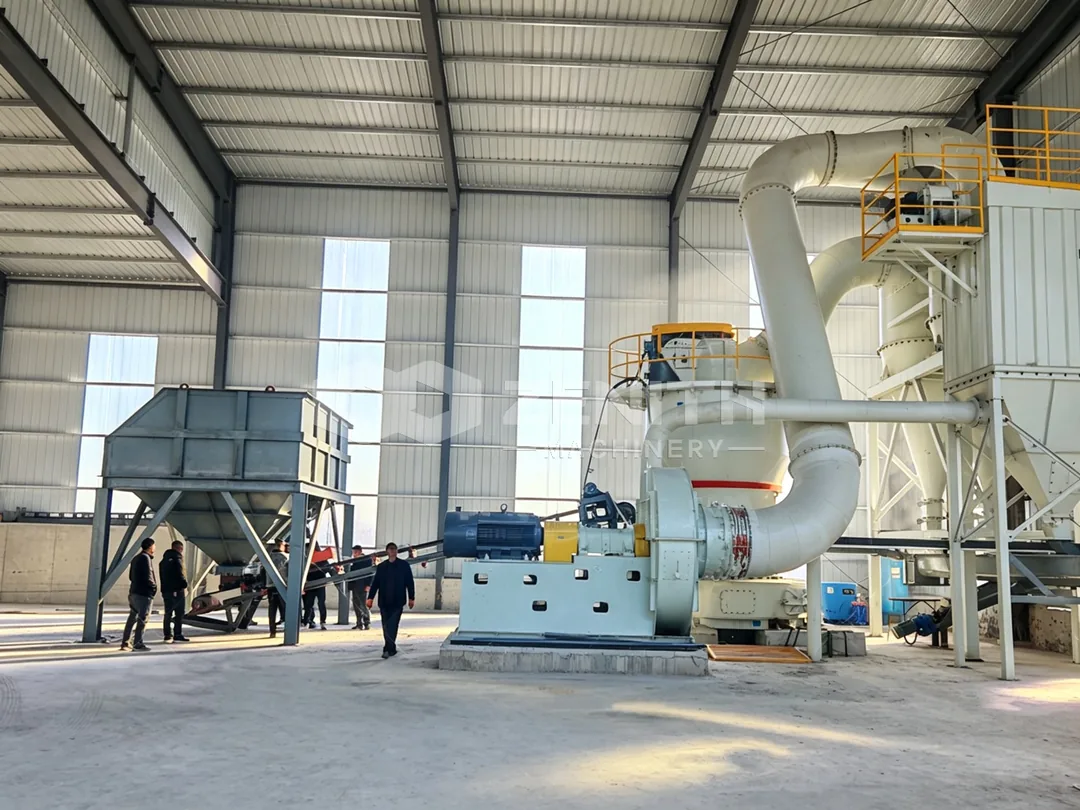
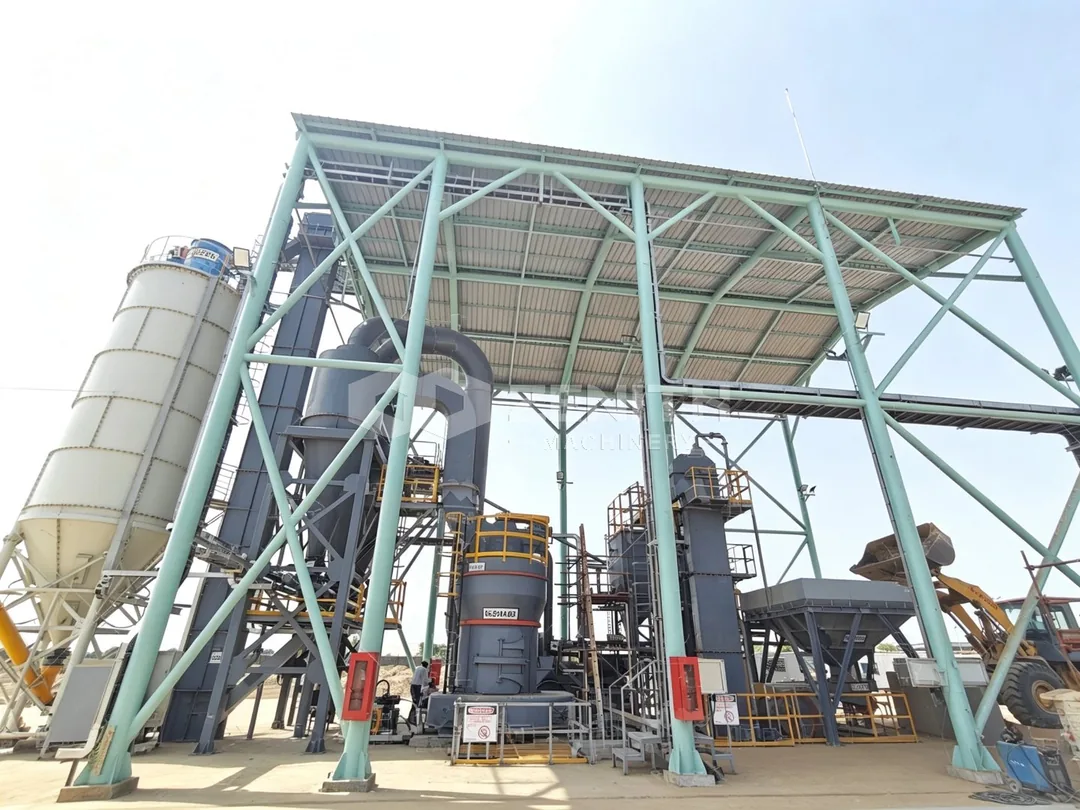
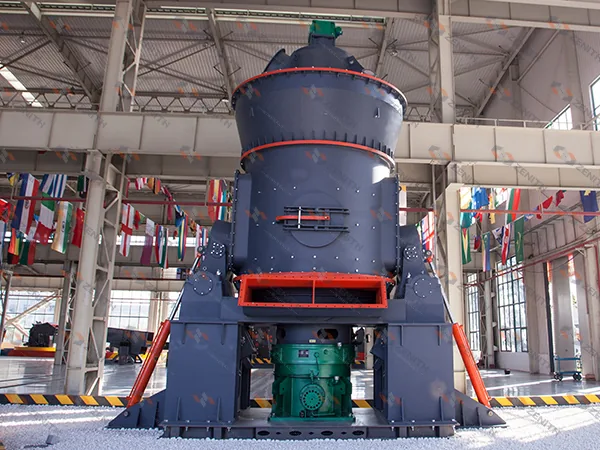
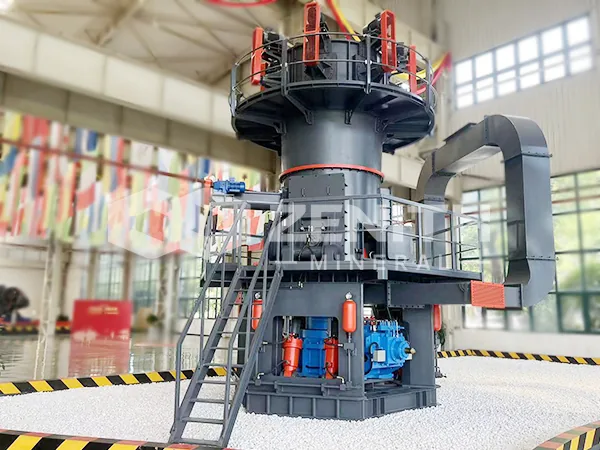
Russian 15t/h vertical mill for bituminous coal, producing a finished product with a fineness of 200 mesh, is used as fuel for lime kilns.
2026-01-11 00:56:34
In the demanding world of industrial lime production, consistent fuel quality is not just a preference—it’s a prerequisite for efficiency, product uniformity, and operational stability. For a Russian lime plant seeking to utilize domestic bituminous coal as its primary kiln fuel, achieving a precise and consistent pulverized coal fineness of 200 mesh presented a significant technical challenge. The solution was found in a robust, automated grinding system centered on a high-capacity vertical roller mill.
Shanghai Zenith Machinery, with its global engineering footprint and specialization in industrial powder processing, provided the ideal technological match. The project specified a 15-ton-per-hour grinding line dedicated to processing bituminous coal, with the non-negotiable requirement of a 200-mesh (approximately 75-micron) finished product. This fineness is critical for optimal combustion in lime kilns, ensuring complete burnout, stable flame geometry, and maximized thermal transfer.
_1768064194656.jpg)
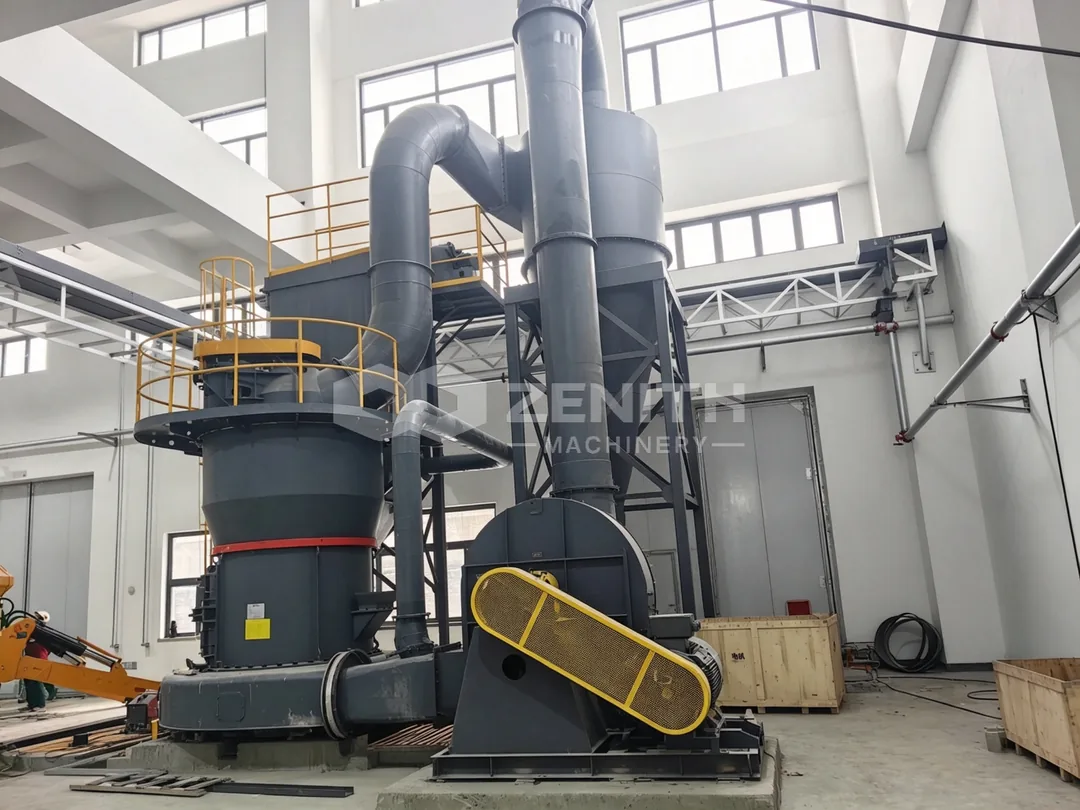
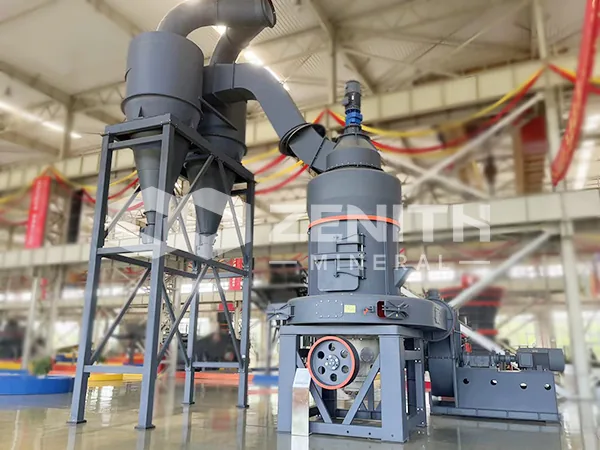
The core of this installation is Zenith's LM Vertical Grinding Mill. This model was selected over traditional ball mills or Raymond mills for several compelling reasons specific to fuel preparation. First, its integrated design and vertical structure result in a 50% smaller footprint than a ball mill system of equivalent capacity, significantly reducing plant construction costs. More importantly, under ideal conditions, the LM mill's grinding mechanism consumes over 60% less energy than a ball mill of the same grade—a decisive factor for continuous, energy-intensive operations.
For processing bituminous coal, the mill's operational advantages are paramount. The system operates under fully sealed, negative pressure conditions, which is essential when handling combustible materials. This design guarantees no dust spillage, enhancing plant safety and meeting stringent environmental standards. The automated control system allows for 24-hour constant running with minimal supervision, maintaining a stable product fineness even with slight variations in feed coal characteristics.
_1768064194657.jpg)
The working principle is elegantly efficient. Crushed bituminous coal is fed onto the rotating grinding disc. Centrifugal force moves the material outward under the pressure of heavy grinding rollers, creating a compact material bed where inter-particle crushing occurs. The ground coal is carried by a hot air stream (which also serves to dry the coal if necessary) into an integrated high-efficiency classifier. Here, particles meeting the 200-mesh specification are carried through to the cyclone collector, while oversized particles are rejected back to the grinding disc for further size reduction. This closed-loop system ensures precise control over the final product's particle size distribution.
Beyond the mill itself, Zenith's solution encompasses the entire production system—from variable-frequency feeding to pulse-jet dust collection. The system's adjustable output fineness, achieved through modular impeller adjustments in the classifier, provided the lime plant with operational flexibility. Should future process requirements change, the product specification can be easily modified without major mechanical overhaul.
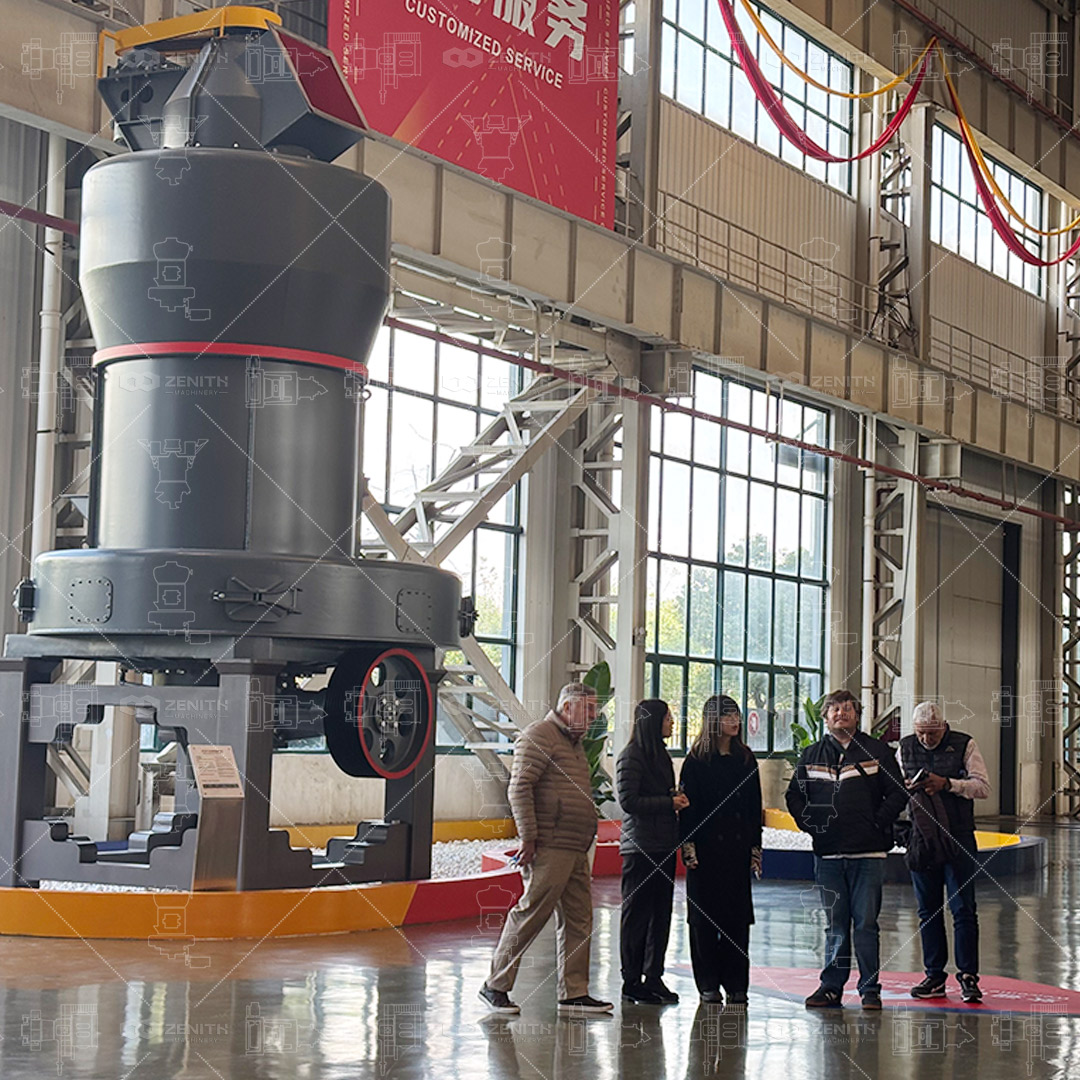
The successful deployment of this 15t/h vertical mill in Russia underscores a key industry trend: moving towards specialized, energy-efficient grinding solutions for auxiliary processes like fuel preparation. By delivering a consistent stream of 200-mesh pulverized bituminous coal, the plant has reported improved kiln temperature control, reduced unburned carbon content in ash, and lower specific fuel consumption per ton of lime produced. This case demonstrates how advanced milling technology directly contributes to the sustainability and profitability of downstream industrial processes.
Frequently Asked Questions (FAQs)
- Why is a 200-mesh fineness specifically required for lime kiln fuel?
200-mesh fineness (approx. 75 microns) provides an optimal surface-area-to-mass ratio for rapid and complete combustion. This ensures a stable, controllable flame within the kiln's burning zone, leading to uniform heat distribution, efficient calcination, and minimized fuel waste. - How does the LM Vertical Mill handle the potential fire or explosion risks associated with grinding bituminous coal?
The mill operates under inert (oxygen-controlled) or negative pressure conditions, preventing dust leakage. Key components can be equipped with explosion-relief valves and monitoring systems. The integrated design minimizes points of potential dust accumulation, and the grinding process can utilize inert gases for drying and transport if the coal volatility is very high. - What is the main advantage of a vertical roller mill over a traditional ball mill for this application?
The primary advantages are significantly lower energy consumption (over 60% less), a much smaller footprint, superior drying capability when using kiln exhaust gases, and faster response to fineness adjustments. These factors lead to lower operating costs and greater process flexibility. - Can this system process coals with different moisture contents?
Yes. The LM Vertical Mill has a strong drying capacity. Hot air from an independent heat source or waste heat from the kiln preheater can be introduced into the grinding chamber to simultaneously dry and grind high-moisture coal, ensuring the final product is both dry and finely pulverized. - What kind of maintenance schedule does this vertical mill require?
Key wear parts like grinding rollers and disc liners are designed for long life and easy replacement. The hydraulic system allows rollers to be swung out of the mill for maintenance without removing other major components, reducing downtime. Routine maintenance primarily involves lubrication and inspection of the grinding elements and classifier. - Is the 15t/h capacity fixed, or can it be adjusted based on kiln demand?
The capacity can be adjusted within a range by controlling the feed rate. The mill's stable grinding bed and efficient classifier allow it to operate efficiently at varying throughputs while maintaining the target 200-mesh fineness, allowing the plant to sync fuel production with kiln operation. - Does Zenith provide support for spare parts and technical service internationally?
Yes. With overseas offices in over 30 countries and a network covering 180+ regions, Zenith provides localized spare parts support, remote technical assistance, and on-site service to ensure minimal operational disruption for clients worldwide, including in Russia and the CIS region.